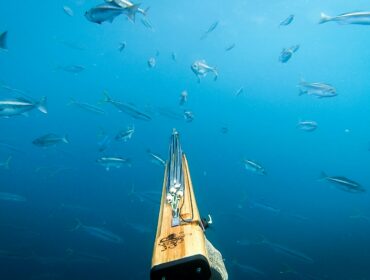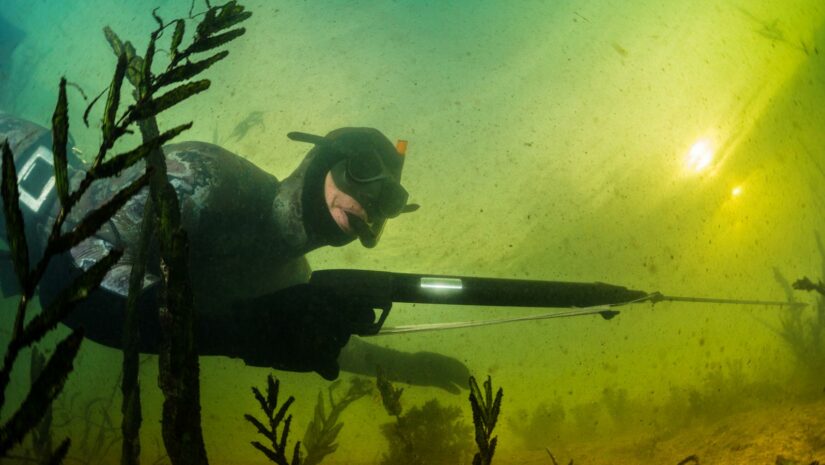
Spearfishing captivates both scuba divers and freedivers, blending the thrill of the hunt with the serenity of the underwater world. However, like any extreme sport, it carries a steep learning curve. As you work to improve your spearfishing prowess, you need to master a few fundamental principles to maximize your success and stay safe.
Spearfishing isn’t just about catching dinner, either. According to research hosted by the UN’s Food and Agriculture Organization (FAO), recreational fishing directly boosts your physical fitness, mental health, and overall well-being.
To help you reap those rewards safely, here is a guide to mastering the basics of spearfishing.
Master the basics (and know your limits)
The best way to ensure your success in the water is to educate yourself before you ever load a speargun.
First, take a certified freediving or scuba class to learn proper breathing techniques and depth management. While you might enjoy both styles of diving, never mix them on the same day. The Divers Alert Network (DAN) strictly warns that breath-hold diving shortly after a scuba dive significantly increases your risk of neurological symptoms and decompression sickness.
Next, enroll in a dedicated spearfishing class. An instructor will teach you vital safety practices, equipment handling, and catch management in a controlled, practical setting. Finally, always purchase the appropriate fishing licenses required for your local dive spots.
Research your reef and your catch
You may already know how to hold your breath, but tackling an unfamiliar dive spot blindly is a recipe for disaster.
Ask your local dive shop to point out beginner-friendly spots (typically no deeper than 20 feet). Furthermore, find a locally based dive group and make friends with experienced spearos. They can warn you about strong currents, boat traffic, or local hazards.
More importantly, do your homework on fish identification. Research from the Reef Environmental Education Foundation (REEF) highlights how fishing pressure directly impacts specific vulnerable species, such as the Queen Triggerfish. Consequently, you must learn exactly what your local, legal game fish look like underwater. Never pull the trigger unless you are 100% certain of the species and its legal size limit.
Prioritize safety
Spearfishing delivers an incredible adrenaline rush, but danger presents itself constantly. You could get tangled in fishing lines, face aggressive marine life, or risk shallow water blackout.
Therefore, safety must dictate every decision you make. Always dive with a buddy using the “one up, one down” rule. That means one diver stays on the surface observing while the other hunts. Keep your hands and weapons visible, and never dive in conditions that exceed your training.
Start small and simple
During your first few sessions, target small fish and aim just behind the gills. This placement reduces the risk of injuring the fish and increases your chances of a humane, one-hit “stone” shot.
Additionally, build your confidence using basic equipment. Start with a Hawaiian sling or a pole spear. These tools force you to learn stealth and stalking fundamentals because you must get much closer to your prey. As a bonus, they cost significantly less than air-powered or large banded spearguns.
Gear up smartly (and always carry a knife)

When you finally transition to a speargun, balance your gear appropriately. Strong currents and larger pelagic fish demand powerful guns, which require careful training to master. Conversely, a massive speargun on a shallow reef is clumsy and dangerous.
Beyond your gun and buoyancy tools, you must carry a proper dive knife. This is one of the most critical, yet overlooked, rules of the sport. A sharp knife quickly frees you from kelp or discarded fishing nets. Furthermore, if your speargun fails to completely dispatch a fish, you use your knife to end its suffering swiftly and humanely.
Respect the weapon
Treat your speargun with the same respect you give a loaded firearm. Never point it at another human being, even in jest.
When you aren’t actively hunting, point the tip away from your body and your dive buddy to prevent injury in case of an accidental misfire. Because many spearguns carry powerful recoil, familiarize yourself with the weapon by conducting underwater test firings in a safe, open area before you take it on a hunt.
Practice aquatic stewardship
As you enter the marine environment, you become an active participant in its ecosystem.
The FAO’s Technical Guidelines for Responsible Fisheries emphasize that recreational fishers must practice strict aquatic stewardship, which means you should minimize damage to reef structures with your fins and gear, respect seasonal closures, and strictly harvest only what you intend to eat.
Improve your breath hold
Ultimately, as you gain experience, you will want to extend your bottom time.
Rather than simply forcing yourself to hold your breath longer, train yourself to use less oxygen. Move slowly, wear a properly fitted wetsuit to prevent shivering, and use long freediving fins to maximize your propulsion with minimal effort.
By staying relaxed, you will naturally extend your dive times, blend in with the environment, and significantly increase your chances of landing the perfect catch.
Dive in and enjoy the hunt
Spearfishing offers an unmatched connection to the ocean, but mastering it takes genuine patience. You won’t become an expert overnight, and that is perfectly fine. Focus on your safety, respect the marine environment, and get completely comfortable with the best spearfishing gear before you worry about landing a massive catch.
Take your journey one dive at a time. The more you practice, the more natural holding your breath and stalking your prey will feel. So, grab your dive buddy, double-check your local fishing regulations, and get out in the water. Equip yourself with the right knowledge, and you will transform every trip into a safe, sustainable, and intensely rewarding underwater adventure. Happy hunting!