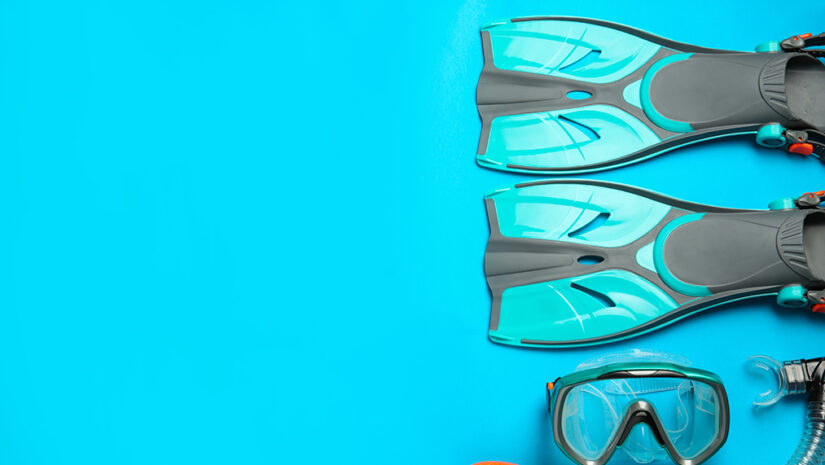
Are you a diver who relies heavily on your scuba equipment but feels a bit clueless about how it actually works under the hood? Honestly, it happens to a lot of divers! If a minor equipment issue suddenly pops up while you suit up on a rocking boat, can you confidently identify the root cause and perform a quick fix to save your dive?
If you answered no to that question, you are definitely not alone, and the PADI Equipment Specialist course is designed exactly for someone like you. This program actively helps you bridge the gap between being a passive consumer of scuba gear and becoming an informed, empowered owner.
While instructors do not design this class to be a comprehensive, professional-level equipment repair program, it provides the essential knowledge you need to understand how your life-support equipment functions, how you should maintain it,
Why Take the Equipment Specialist Course?
When you compare the PADI Equipment Specialist Course to high-adrenaline specialties like Wreck Diver or Deep Diver, spending a precious Saturday learning about O-rings and inflator valves might not immediately sound like a thrilling adventure. Let’s be real… gear maintenance isn’t exactly a glamorous topic! However, this is arguably one of the most practical and financially worthwhile courses a diver can ever take.
Treating Gear as Life Support
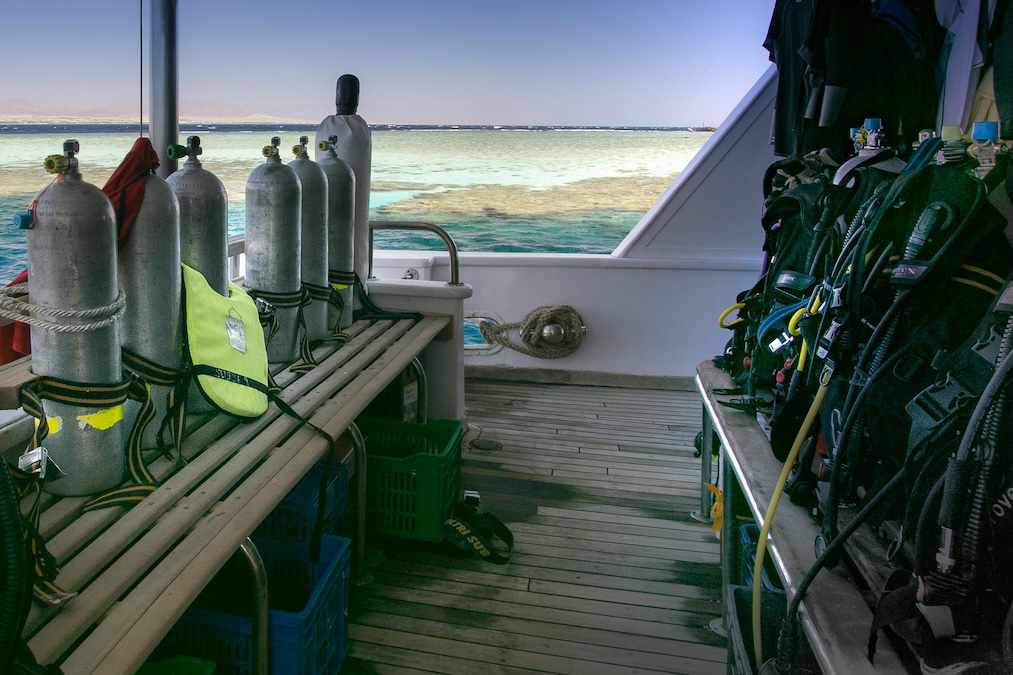
First and foremost, the PADI Equipment Specialist Course teaches you to treat your gear as life support rather than just sporting goods. As the Divers Alert Network (DAN) explicitly noted in their 2020 dive safety guidelines, neglecting proper gear maintenance directly causes a significant number of preventable dive accidents.
Consequently, divers need to proactively spot equipment problems (like those sneaky micro-cracks in hoses or sticky BCD inflators) long before they actually hit the water. Understanding the internal mechanics of your gear actively prevents underwater panic, which therefore allows you to deal with anomalies effectively and calmly.
Protecting Your Wallet
Furthermore, taking this course actively protects your wallet. Scuba equipment costs a small fortune, and learning to properly care for it actively prevents premature wear and tear.
For example, when you understand exactly what technicians look for during annual inspections — you treat your tanks and valves in a way that significantly extends their lifespan and keeps you safe.
What Does the Course Cover?
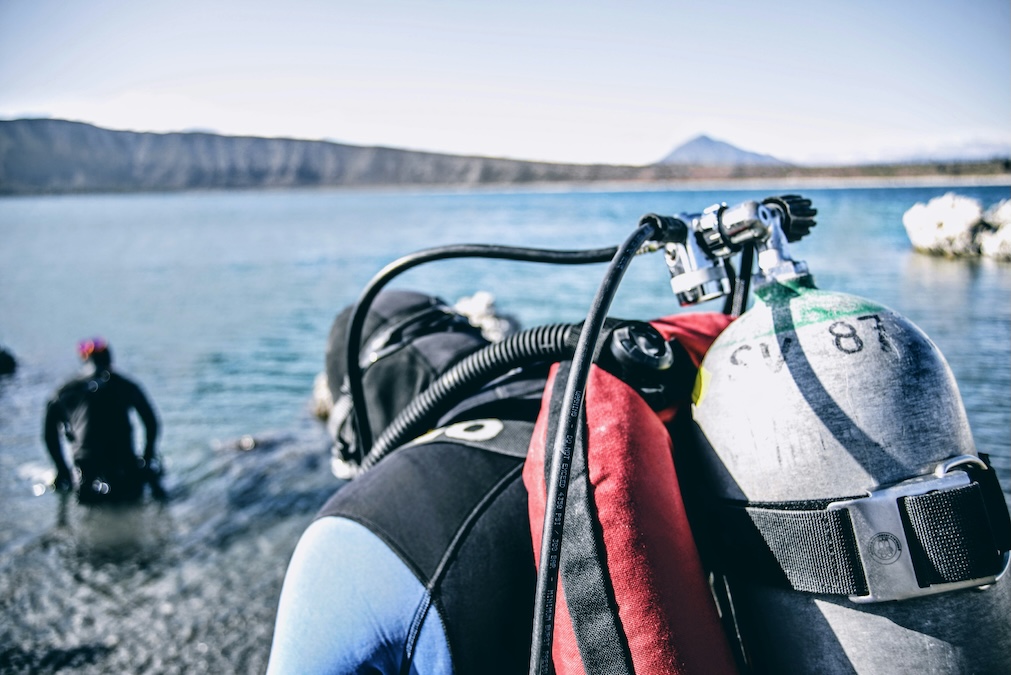
So, what exactly will you do during this training? The Equipment Specialty requires roughly six hours of hands-on knowledge development and practical demonstrations, and interestingly enough, it does not require any open-water dives. Because you stay dry the whole time, you can easily knock this out during the off-season!
The curriculum heavily focuses on gear familiarization, preventative maintenance, and basic troubleshooting, effectively pulling back the curtain on how different brands and configurations operate.
Mechanical Theory and Operation
You will learn the mechanical theory behind piston versus diaphragm regulators, explore the mechanics of drysuit valves, and understand how your dive computer actually calculates your bottom time.
Preventative Care and Maintenance
The course emphasizes strict manufacturer protocols, meaning you will learn exactly why there are specific washing techniques to prevent harsh chemicals from degrading vital plastic and rubber components.
Field Repairs and Gear Configuration

Instructors teach you how to identify blown O-rings, fix free-flowing regulators, patch wetsuit tears, and execute “save-a-dive” techniques so you don’t miss a dive over a snapped fin strap. Instructors also cover how to streamline your configuration for optimal safety and comfort, adhering to rigorous standards.
Knowing Your Limits
Crucially, you will also learn the strict limits of user maintenance. For instance, while you might learn that nylon webbing stretches when wet and requires soaking before you secure your tank (a crucial safety warning explicitly found in manuals like the 2021 Scubapro Rebel BC Manual) you will also learn exactly when you must stop tinkering and hand your gear over to a certified professional technician. Nobody wants to be that diver who accidentally voids their warranty because they took a wrench to their primary regulator!
Prerequisites and Top Tips
Before you jump into the workshop, you need to meet a couple of very basic prerequisites:
- Age: You need to be at least 10 years old, which makes this a fantastic family activity if you have kids who dive.
- Certification: You must hold a certification as a PADI Scuba Diver, Junior Scuba Diver, Open Water Diver, or Junior Open Water Diver, or you must possess a qualifying certification from another recognized training organization.
Top Tips for a Great Experience

To really get the most out of this experience, I highly recommend keeping these two crucial tips in mind:
- Thoroughly Vet Your Instructor: This course is honestly only as good as the person teaching it, so you should actively look for a teacher who also works as a certified equipment technician with active manufacturer qualifications. You want someone who regularly spends time getting their hands dirty at the repair bench, rather than someone who just reads from the manual.
- Bring Your Own Personal Scuba Equipment: You will gain a much better understanding of how your specific rig works when you practice on it directly. You will spot early signs of wear on your own hoses and learn how to perform quick, effective fixes on the exact equipment you dive with, making the whole experience incredibly valuable and tailored to you.
Ready to Save Your Next Dive?
At the end of the day, diving is all about exploring the underwater world, not stressing over whether your gear will actually survive the weekend. By taking the time to understand the nuts and bolts of your life-support system, you actively invest in your own peace of mind, your personal safety, and your wallet.
The next time you step onto a rocking dive boat, you’ll know exactly how to handle whatever minor mechanical hiccups come your way. So, skip the panic, save your dive, and consider signing up for the PADI Equipment Specialist course. Your future self (and your dive buddy) will definitely thank you for it!