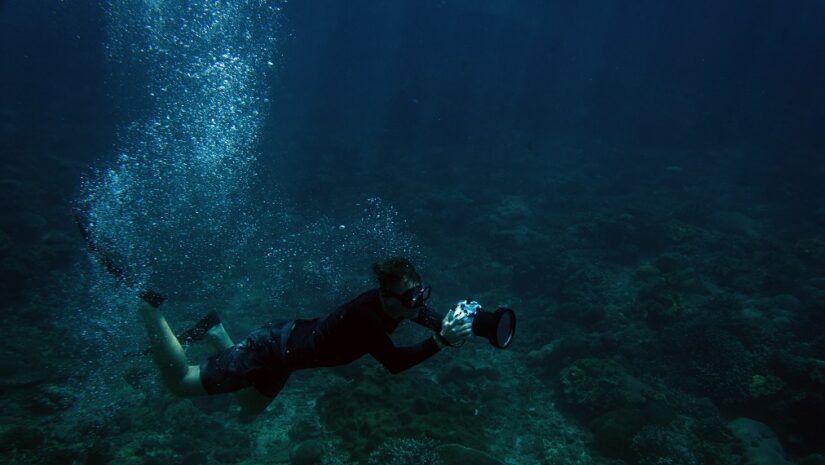
Night diving transforms familiar reefs into mysterious, shadowy environments where creatures glow, colors shift, and the ocean feels alive. But to fully embrace the dark, you need gear that’s innovative, reliable, and purpose-built for low-light exploration. In 2025, several standout tools are reshaping how we dive at night. Let’s dive into the latest night diving gear innovations and essential gear to elevate your nocturnal dives.
1. Eco-Friendly, Rechargeable Dive Lights
The trend toward sustainability has finally reached night diving. Gone are the days of disposable batteries – modern dive lights now feature USB-C rechargeable systems and eco-conscious designs.
OrcaTorch ZD710
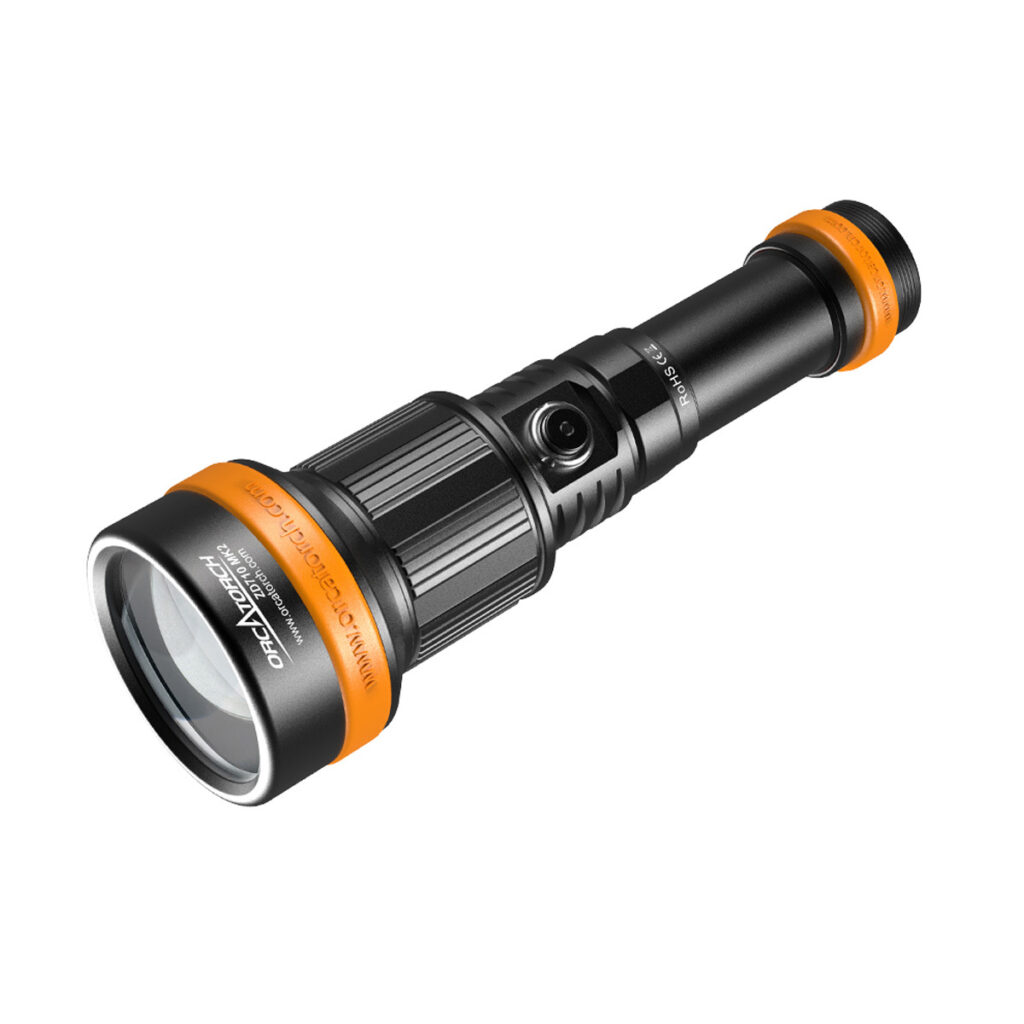
A recent hit highlighted by Scuba Diving Magazine (May 2025) featuring USB-C rechargeable 21700 lithium cells. It provides two hours of high-power or up to 12 hours on low, with a digital lock to prevent accidental activation.
Innovation takeaway: The lights are brighter, longer-lasting, and more eco-friendly reducing battery waste and boosting dive-time flexibility.
2. Tank Beacons & Marker Lights
Sometimes the best night gear isn’t for diving – it ensures you’re seen above. Tank-mounted marker lights help boats and buddies track you during night ascents or surface intervals.
OrcaTorch Dive Beacon
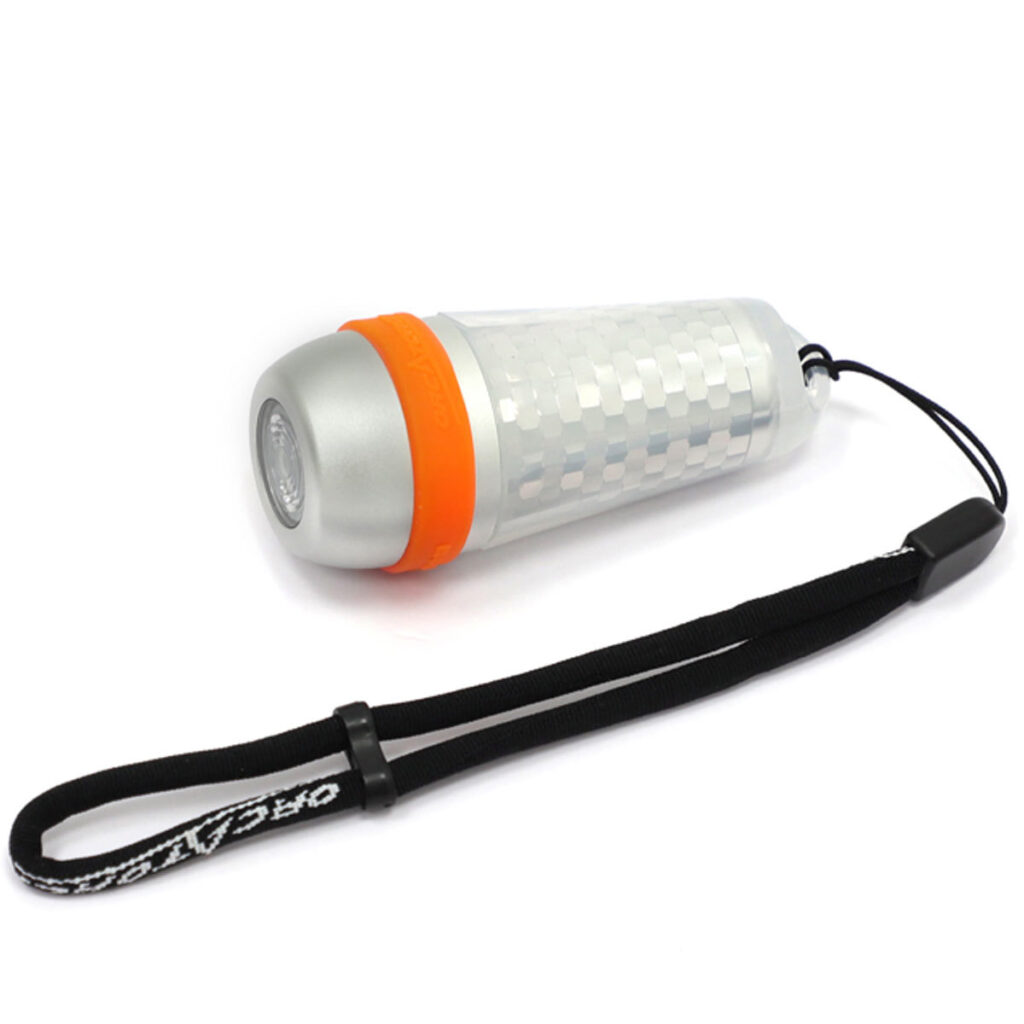
This AAA-powered beacon offers solid or pulsing light modes visible up to 150 m, praised for durability and simplicity.
Compact marker lamps
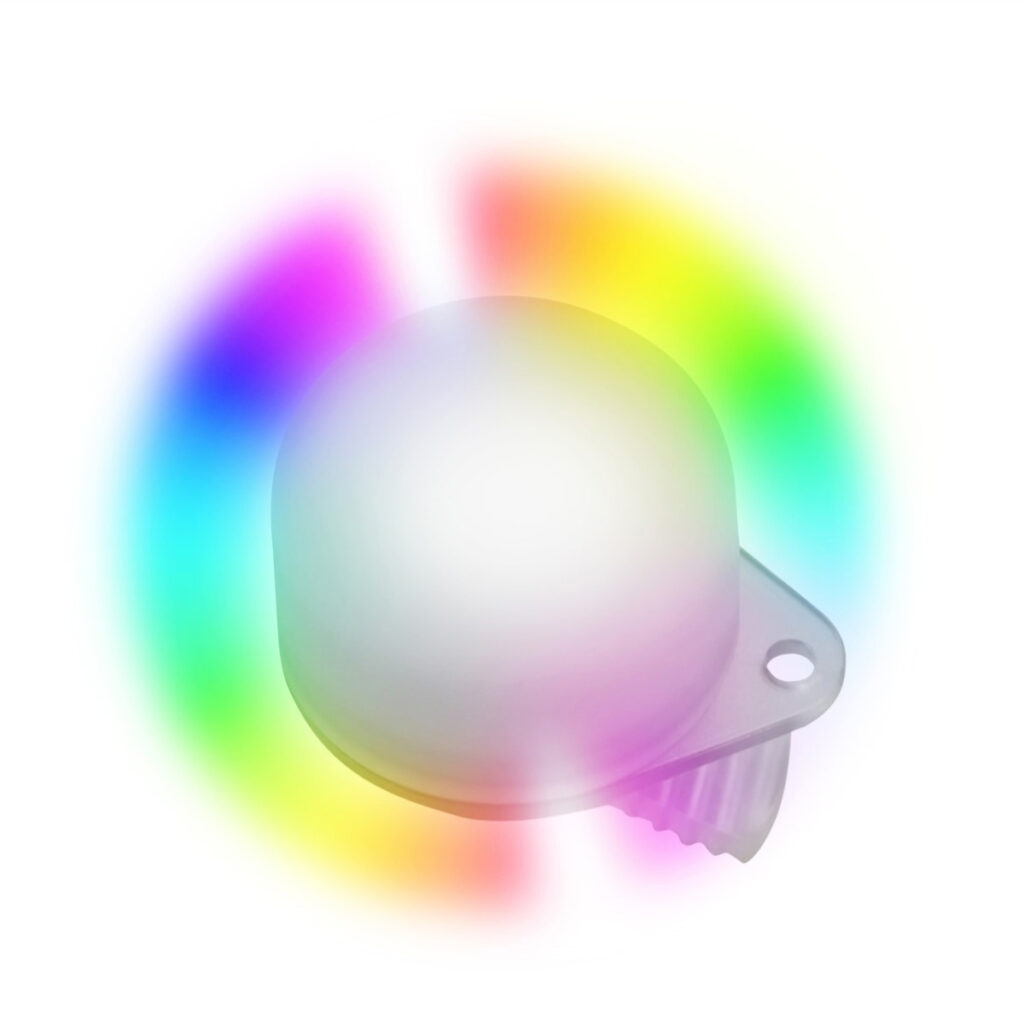
While some divers (e.g., experienced instructors) find them superfluous, for most night divers they significantly improve group safety and orientation on the surface.
3. GlowSuit: Bioluminescent Wetsuit Tech
Heading into conceptual territory, the GlowSuit by AquaTek uses bioluminescence-mimicking fibers to emit a gentle glow. It allows minimal artificial light helping preserve a natural night environment and reducing marine disturbance.
While not yet widely available, it’s a glimpse of future-night diving fusion between natural and tech-enhanced gear.
4. Integrated Video Lighting
For capturing night scenes bioluminescent plankton, nocturnal critters innovations in video lighting are game-changers:
Tovatec Galaxy II Video Light
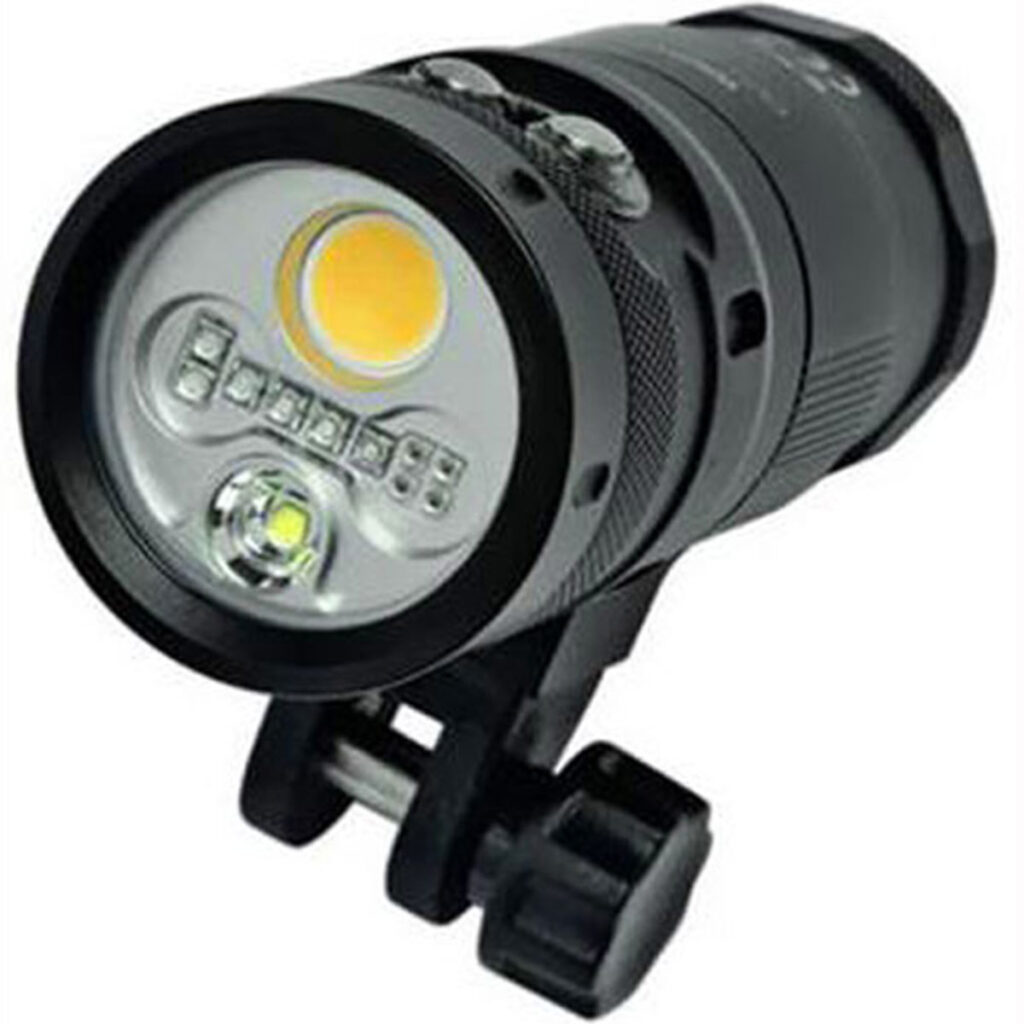
Capture stunning underwater videos with this compact 3000-lumen Tovatec video light. Achieve vibrant colors with a 5000/7000k color temperature. It provides adjustable output and mounts easily to your provided Y-adapter or ball joint. Ideal for shooting in varied dive conditions.
Why it matters: It blends dive illumination and filming into one tool, cutting weight and increasing flexibility.
5. Smart BCDs & Wireless Dive Computers
Modern buoyancy systems and dive computers are entering the nocturnal scene:
Scubapro Navigator Lite BCD
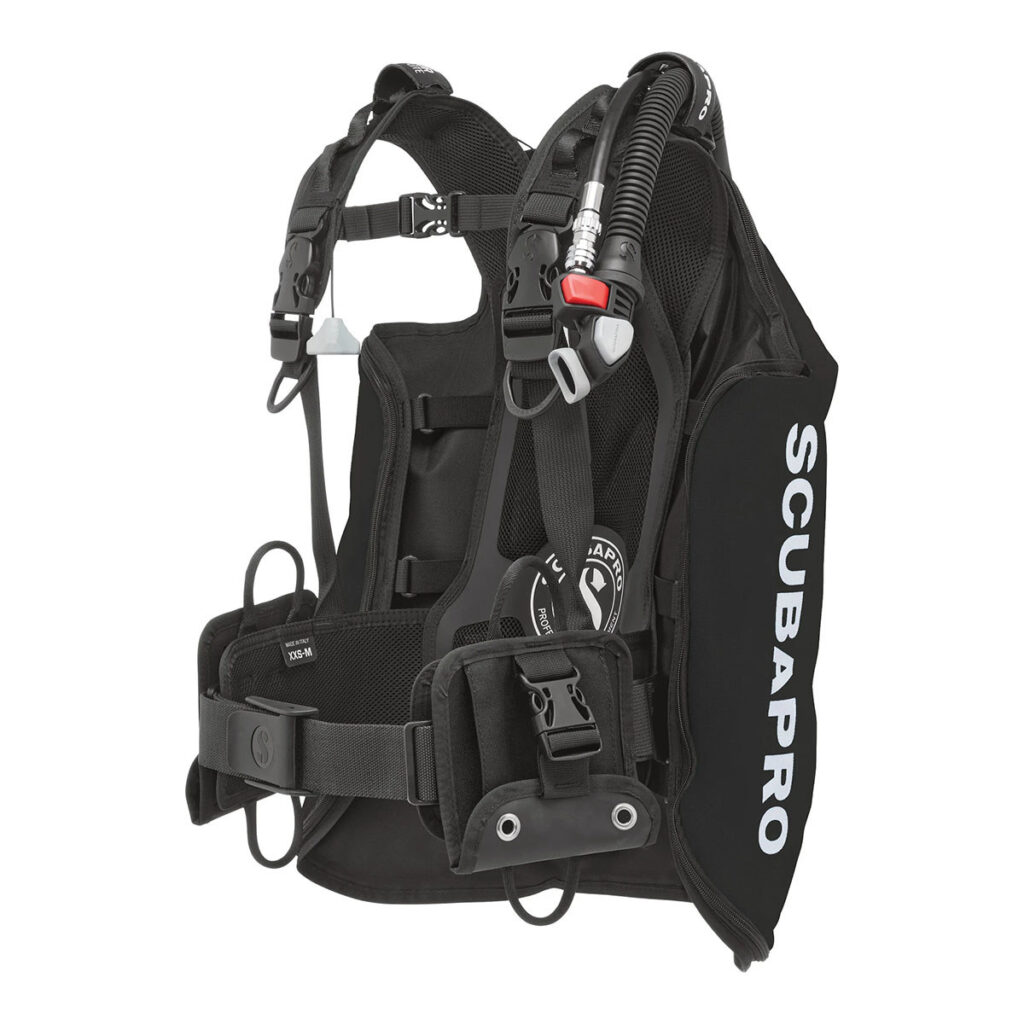
Featherweight with back inflation and wireless air integration (AIR2), this BCD keeps your setup trim and light ideal for carrying extra lighting gear without bulk.
Shearwater Peregrine Dive Computer
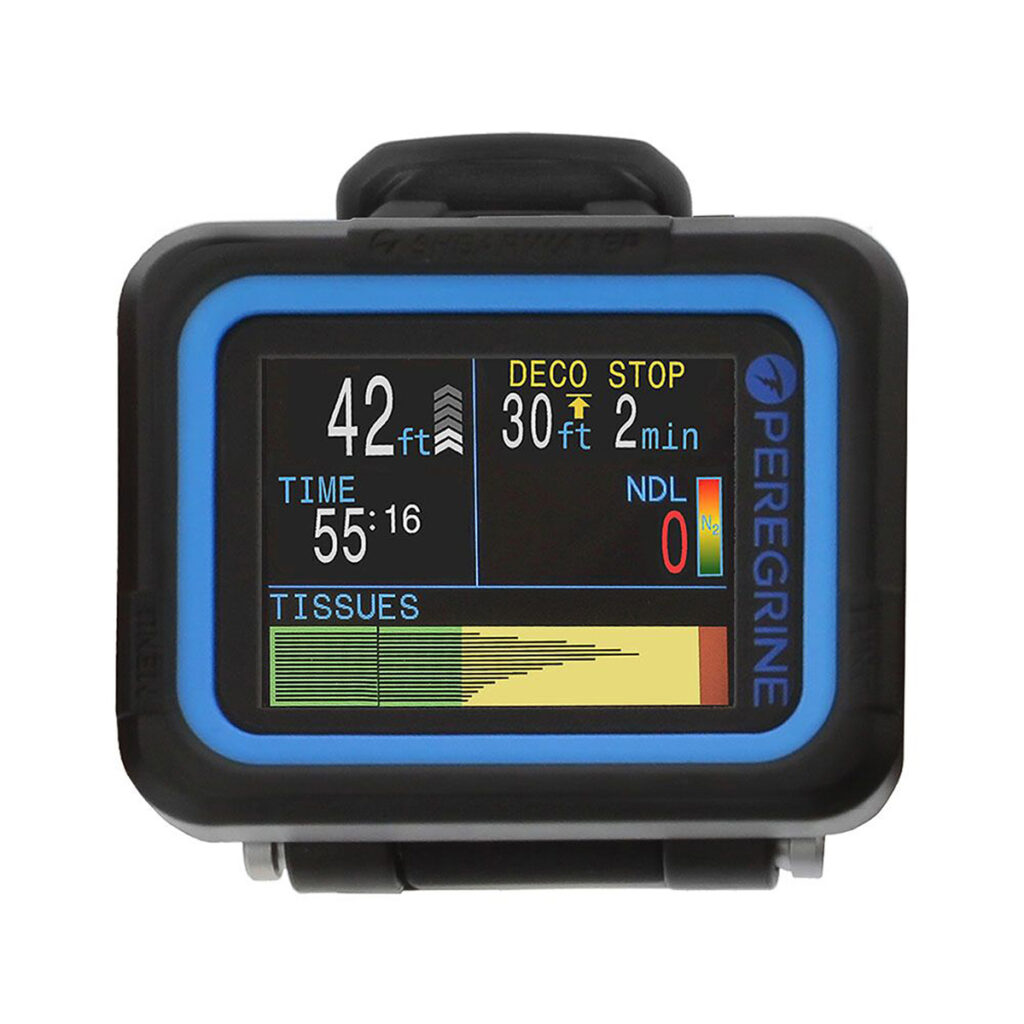
The Shearwater Peregrine (Black) is designed as a no-nonsense, sport-diver friendly dive computer with a crisp color display and essential decompression support. It’s ideal for recreational and light technical diving without being cluttered with unnecessary advanced features like air integration.
6. Human-Centric & Ergonomic Design
Leading manufacturers are emphasizing ergonomics for night diving thinking about ease of use in low-light, gloved-hand-friendly controls, and intuitive interfaces. Features like oversize knobs, audio-visual alarms, and glove-compatible buttons make night dives smoother and safer.
7. Dry Top Communication & Locator Tech
Emerging tech still in research is exploring ways to improve diver awareness and safety:
- Underwater acoustic positioning, offering 0.5-1.6 m accuracy for diver locations.
- Non-invasive respiration monitors, useful in emergencies.
Though not yet on the retail market, these systems promise radical shifts in rescue and night-dive buddy awareness.
8. Atmospheric Diving Systems (ADS)
Ultra-niche, ultra-cool: the Quantum 2/Hardsuit and Exosuit allow deep, lit environments at 1 atm in total darkness… but with internal lifesystem lighting. While meant for scientific/industrial use, it represents the ultimate night-dive environment control.
2025 Night Diving Gear Trends
- Rechargeable, high-lumen lights – USB-C is standard.
- Rechargeable tank beacons replacing AA/AAA reliance.
- Multi-functional lights – blending filming and diving.
- Bioluminescent gear – enhancing natural immersion.
- Wireless electronics – air integration, dive-buddy locator tech.
- Ergonomic design – controls optimized for gloves and low visibility.
Night-Dive Gear Checklist for 2025
| Gear | Why It Matters |
|---|---|
| Primary dive light (~2,000–5,000 lm) | Illuminates reef, wrecks, and critter behavior |
| Backup light | Mandatory redundancy |
| Tank/mooring beacon | Surface visibility and boat awareness |
| Video light (optional) | Capture magical night content |
| Night-friendly BCD/computer | Glove-safe controls and alerts |
| Marker reel/USMB bottle | For controlled ascents |
| Gloves & reels | Protection and navigation in the dark |
Tips for Using Night Dive Gear
- Warm-up mode: Start with low beam to preserve night adaptation.
- Beam strategy: Use narrow beam for distance, wide beam for reef work.
- Buddy sync: Coordinate beacon colors or blink patterns.
- Test recharge: Charge your lights before travel, run full-cycle tests.
- Pack spares: Extra O-rings, batteries, clips — nobody wants a lost lens in the dark.
Final Thoughts
The night dive experience is evolving quickly combining eco-conscious designs, powerful multi-use lights, and communication-focused tech. Whether you’re switching to USB-C light systems, trying out a video-integrated torch, or using a tank beacon, 2025 offers plenty of ways to make your dark dives brighter, safer, and more immersive.
FAQs About Night Diving Gear Innovations
A primary dive light with at least 1,000 lumens is ideal. Look for rechargeable options with adjustable beam settings. Backup lights and marker lights are also essential for safety.
Yes. While not always required, taking a Night Diver specialty course is highly recommended. It teaches essential skills like underwater navigation, buddy communication, and light handling in low visibility.
Tank beacons make divers more visible at the surface and underwater. They help boat crews and dive buddies identify your position in the dark, reducing the risk of separation.
Modern rechargeable dive lights are highly reliable. Look for models with USB-C charging, battery indicators, and waterproofing ratings of IPX8 or higher for underwater use.
Dive lights are focused beams for visibility, while video lights provide a wider, even light to illuminate subjects for underwater photography or videography. Some models serve both purposes.