June 10, 2020
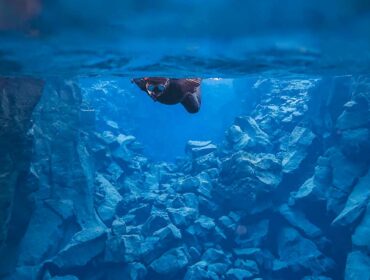
A bill promoting diving tourism in Greece was voted on in parliament on May 22. The legislation has lifted restrictions that once prevented divers from visiting sites such as shipwrecks over 50 years old.
Since diving is now allowed across Greece, visitors can dive without depth limits. The only exemptions to the rule are areas where the armed forces conduct exercises.
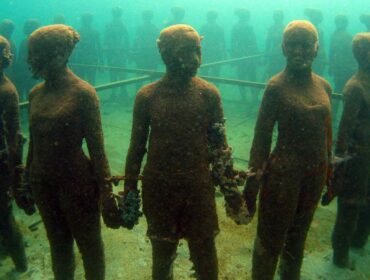
Divers can visit underwater archeological sites without being accompanied by maritime archeologists. However, they still need to be escorted by members of certified dive clubs.
The new bill was proposed with the goal of developing marine tourism (including recreational diving) in Greece. There have also been plans to update regulations covering the operation of beaches, marine parks, pools, thermal springs, and other popular tourist attractions.
Addressing the members of parliament after the vote, Greek Tourism Minister Harry Theoharis shared that the new regulations are essential to “enriching the tourism product, upgrading the image of Greek tourism, and contributing to the creation of a contemporary, more efficient tourist product.”
What do you get with the new bill
The newly passed bill aims to streamline licensing procedures related to marine parks and urban planning. It will also allow for public-private partnerships to facilitate visits to underwater shipwrecks. In addition to enhancing the existing tourism framework, the bill introduces regulations for luxury camping, commonly referred to as “glamping.”
First on the list is a diving park that will be created in Kynouria Province in the eastern Peloponnese. The ministry also approved the establishment of a marine park near the coastal town of Tyros.
Greek tourism ministry experts expect the new legislation to increase travelers to Greece, contribute to the economic growth of remote islands, and boost job opportunities in local communities.
The new legislation considers the required health protocols in light of the ongoing COVID-19 pandemic. This covers enhanced disinfection and deep cleaning practices, proper physical distancing in recreational water facilities, adequate ventilation in enclosed areas, and other safety measures.