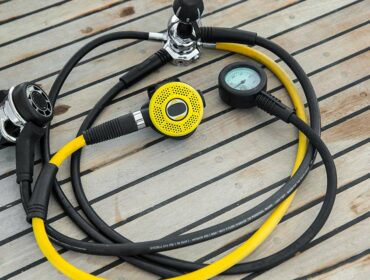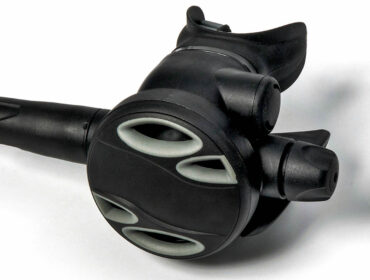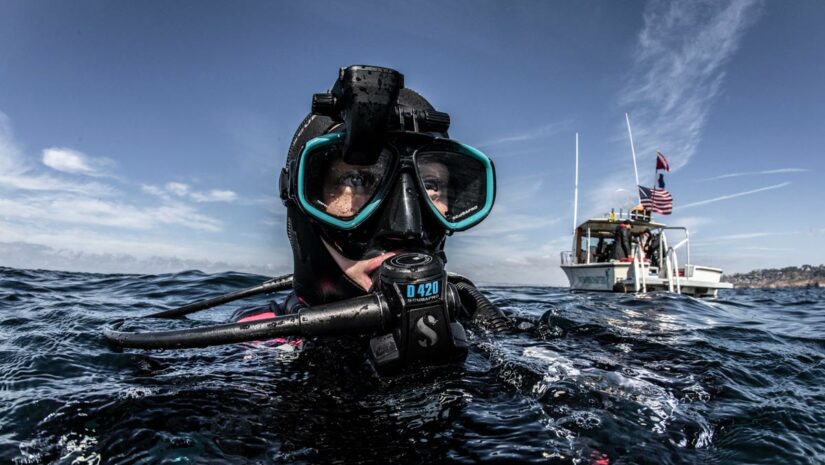
When you invest a good amount of money into owning your own Scuba Gear & Equipment, you have got to maintain and take good care of it. Your safety and well-being depend on the Scuba gear you use, dive after dive, and nothing shortens the life of your gear like neglecting it. As your primary way of breathing underwater and essentially your lifeline, Scuba regulators are one of the most essential pieces of equipment used in diving. Proper care and regular cleaning of your diving regulator are crucial to its maintenance. After every dive, follow these few steps and make them a routine habit to keep your gear in good condition, making it well worth the cost and your efforts.
Here are a few steps to taking good care of your Scuba regulator:
1. Before removing your regulator from your Scuba tank, you should first dry the dust cap by blowing the water off with the air from the tank or with a dry towel. The idea is to keep the first stage of the regulator absolutely dry, so go ahead and blow some air from your tank into the first stage as well to dry it properly before sealing it tightly with the dust cap.
2. Rinsing your regulator properly is the most important step to maintaining it. Regardless of whether you have been diving in salt water or fresh water, see that the first thing you rinse off with fresh water is the regulator if not any of your other equipment.
3. Soak your regulator in warm (not hot) water to dissolve any dried salt crystals or other deposits that may have accumulated in the interior. While the regulator is soaking it’s a good idea to slosh it around and push any buttons or work the levers underwater to loosen any stubborn particles. However, be careful not to push the purge as you don’t want water to flow through the hose and back into the interior of the first stage assembly.
4. Run a stream of fresh water through any open ports and chambers to eliminate any remaining particles. Take off the yoke screw and rinse both the yoke and screw threads with the running water, carefully keeping the dust cap secured over the first stage.
5. Allow your dive regulator to dry properly (not in direct sunlight to protect the rubber parts) before storing it in a cool dry place with all the hoses neatly arranged and not tangled.
6. Get your regulator professionally serviced. Most manufacturers recommend servicing by a trained technician annually. Using your regulator extensively or commercially, it should be serviced every six months or every 50 dives.