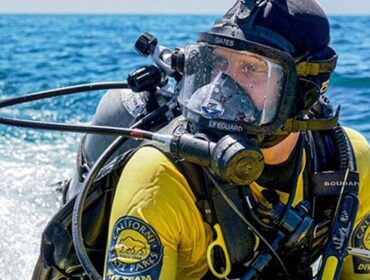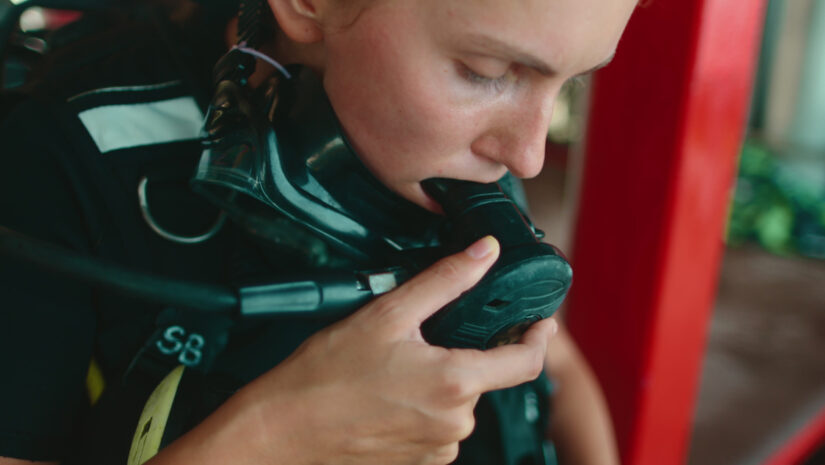
As public safety divers, we operate in some of the most demanding and high-stakes conditions imaginable. From recovering evidence and search-and-rescue operations to conducting recovery missions, our work is critical in safeguarding communities. However, maintaining our dive equipment is an essential factor that must be prioritized to ensure we can perform effectively and safely.
Scuba diving gear failure isn’t just inconvenient; it’s downright life-threatening. Yet public safety dive teams often face challenges such as tight budgets, inconsistent maintenance practices, and limited training resources. These obstacles can lead to increased costs over time and operational risks that no team can afford to take.
If you’re part of a public safety dive team or planning to create one, these recommendations will walk you through proven strategies for maintaining your gear, preventing malfunctions, and, ultimately, enhancing safety and efficiency during a mission.
The Challenges of Dive Equipment Maintenance for Public Safety Dive Teams
Before we explore solutions, let’s take a look at some of the hurdles many public safety divers face:
1. Budget Constraints
Many public safety dive teams operate with limited budgets, which can result in delayed maintenance or the temptation to purchase cheaper, less reliable equipment. While cost-saving measures might seem appealing in the short term, they often lead to higher costs down the road due to repairs or replacements caused by unexpected failures.
2. Lack of Training
Proper maintenance requires technical knowledge. However, many public safety divers don’t receive adequate training in maintaining and inspecting the complex equipment they depend on, leading to improper care and shortened gear lifespans.
3. Logistical Complexities
For teams spread across multiple locations or managing a significant amount of equipment, tracking inspection schedules, servicing needs, and inventory can be logistically overwhelming.
4. Absence of Standardized Protocols
Without unified maintenance standards, practices can vary significantly between teams or individuals, creating inconsistencies that increase the likelihood of critical failures.
Now that we’ve outlined some challenges, let’s turn to actionable solutions that public safety dive teams can implement to overcome them.
Best Practices for Maintaining Public Safety Diving Equipment
1. Proactive Maintenance Saves Time, Money, and Lives
Neglecting maintenance is a recipe for disaster. Proactively inspecting and servicing your gear doesn’t just extend its lifespan; it also prevents malfunctions before they occur, ensuring operational safety and cost efficiency.
- Schedule regular inspections based on the manufacturer’s recommendations for each piece of equipment.
- Create a checklist that includes all critical gear, such as regulators, buoyancy compensators, dry suits, and tanks.
- Address minor wear-and-tear issues immediately to prevent major failures later on.
Case in Point
A recent study highlighted the benefits of Reliability Centered Maintenance (RCM), showing it can significantly reduce the likelihood of equipment failure by focusing on the functions of equipment and identifying possible failure modes and their causes (Jha & Kumar, 2016). This systematic approach aligns with proactive maintenance principles, which emphasize preemptive actions rather than reactive repairs.
In industries parallel to public safety diving, employing RCM has led to documented improvements, including a notable reduction in repair costs and enhancements in reliability over specified periods (Yahaya et al., 2023). This suggests a potential parallel in public safety diving, where reliable equipment is critical for operational success.
2. Standardize Maintenance Protocols Across Teams
Consistency is key. Creating a standardized set of maintenance protocols eliminates guesswork and ensures all dive team members approach equipment care with the same level of diligence.
- Partner with equipment manufacturers or industry experts to identify best practices.
- Align protocols with standards set by organizations such as the Emergency Response Diving International (ERDI) or Divers Alert Network (DAN).
- Integrate these protocols into onboarding materials and make them accessible for all team members.
Pro Tip: Laminated checklists or quick-reference guides stored in your gear room can help ensure every team member adheres to standardized procedures.
3. Provide Specialized Training on Gear Maintenance
Proper training is an investment that pays dividends. Educating divers and support staff on maintaining and inspecting their own equipment empowers teams and reduces reliance on external services.
- Arrange workshops with certified instructors or representatives from gear manufacturers.
- Incorporate hands-on training sessions during team meetings or drills.
- Ensure that training covers both routine maintenance (e.g., post-dive cleaning) and advanced troubleshooting (e.g., diagnosing regulator issues).
An Expert Perspective
Lucrezi et al. emphasize the necessity of comprehensive risk management initiatives that include routine maintenance for diving operations. They state that effective safety systems contribute to improved reliability and performance in scuba diving activities, leading to lower failure rates and fostering a culture of safety awareness among divers and operators (Lucrezi et al., 2018). This supports the claim that systematic training and maintenance interventions improve operational reliability.
4. Implement Digital Asset Management Systems
Tracking equipment status manually can lead to oversights and inefficiencies. A digital asset management platform designed for public safety teams can simplify this process.
- Use software to log and track maintenance schedules, inspection reports, and usage history for each piece of gear.
- Set up automatic reminders for service dates.
- Record all repairs and replacements to maintain a transparent and comprehensive equipment history.
Some industry-recommended options include EPR Fireworks and Operative IQ, both of which are designed specifically for first responders.
5. Prioritize Quality Over Cost
While budget constraints are an issue, investing in high-quality equipment pays off in the long run. Cheaper gear often requires more frequent repairs and is more prone to malfunctions, driving up costs over time.
- Focus on brands and models with a proven track record for durability and reliability in public safety settings.
- Advocate for budget allocations that prioritize purchasing and maintaining durable, certified equipment rather than settling for cost-cutting compromises.
- Consider alternative funding sources such as grants or donations from foundations.
Expert Insight
According to Hwang and Lee, integrating quality control practices in the procurement of scuba gear not only decreases the incidence of equipment failure but also enhances the operational longevity and reliability of the gear (Sumanapala et al., 2022). This underscores the argument that prioritizing scuba diving gear quality goes beyond economic considerations, reflecting an invaluable commitment to safety.
6. Keep Detailed Records of Inspections and Repairs
Documentation isn’t glamorous, but it’s vital. Maintaining accurate logs enables teams to track the condition of their gear over time and identify trends that could signal potential risks.
- Record every inspection, repair, and replacement in a centralized system.
- Use a structured format that includes the date, person performing the maintenance, what was done, and any unusual findings.
- Review these records regularly to identify recurring issues or areas that need attention.
Why Equipment Maintenance Matters for Public Safety Divers
Properly maintained scuba gear enhances performance and ensures safety in life-or-death situations. Scuba diving equipment that’s cared for properly is also more likely to comply with industry regulations and standards, protecting both individual team members and the organization from legal or reputational risks.
Take the First Step Toward Better Maintenance
Prioritizing equipment maintenance for your public safety dive team means fewer malfunctions, greater operational efficiency, reduced costs, reduced risk, and more lives saved.
Looking for expert guidance and innovative tools to help your team streamline maintenance processes? Engage with us for insights on cutting-edge and state-of-the-art public safety scuba diving gear available in the industry, perspectives, and best practices for public safety divers. Let’s keep your scuba gear in peak condition so you can focus on what you do best: saving lives.
Stay informed, stay protected, and stay ready.