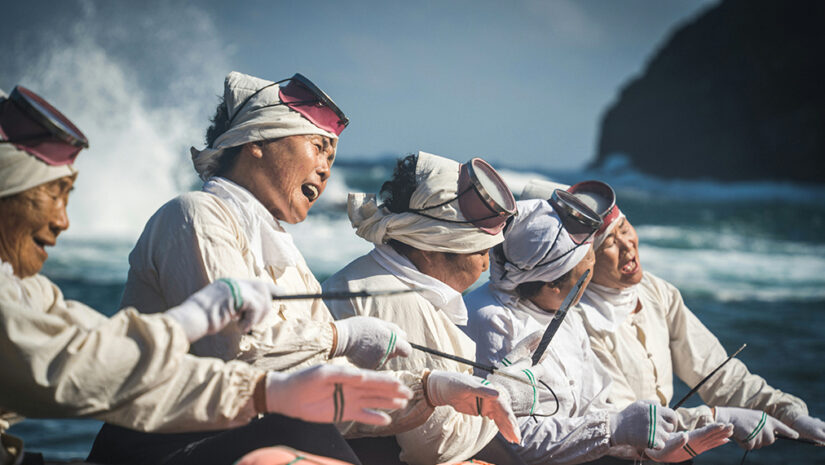
In the clear waters of Jeju Island, a centuries-old culture is hidden behind its beaches and famous tourist destinations. This culture is carried on by a group of women who continue to practice their heritage amidst the chokehold of modernization. This culture is carried on by none other than the Haenyeo women divers.
These unsung heroines of the depths are called “the last mermaids of Korea.” They surpass the limits of modern diving practices, age limits, and norms with every harvest. Today, we learn about who they are, the legacy that they’ve left behind, and the future that they currently face.
Who are the Haenyeo women divers?

This community of women divers, otherwise known as “sea women,” lives on South Korea’s largest island, Jeju. Modern divers use oxygen tanks and modern technology, but these brave women wear nothing more than weighted belts and simple wetsuits.
Dive to collect marine life such as abalone, octopus, and sea cucumbers. This profession is uniquely matriarchal and has been the pillar of Jeju’s economy and culture for centuries. Women have broken glass ceilings by taking the lead in their community.
The Haenyeo culture is so deeply embedded that UNESCO even took note of it. In 2016, UNESCO included it in its list of intangible cultural heritages. But beyond this, they’re symbols of women’s strength and dedication to providing for their homes and their community.
The legacy and cultural significance of Haenyeo
Becoming a Haenyeo woman diver isn’t just a job title that people apply for. It’s a heritage commonly taught to the next generation of brave women. The knowledge and skills necessary to become a Haenyeo are passed down through generations!
However, it’s more than just preparing the next generation for their way of making a living. It’s an art, a philosophy, and a deep spiritual connection with the ocean. This is why it’s taught as a form of tradition. From the rituals that they do to prepare for a dive to the songs that they sing after, they are all testaments to their deep respect for the sea, as it embraces them with each dive.
Many of the Haenyeo women divers are elderly, so this isn’t just a job for the young. It shows that their incredible dedication and endurance surpass even the test of time.
The Haenyeo’s influence on modern freediving
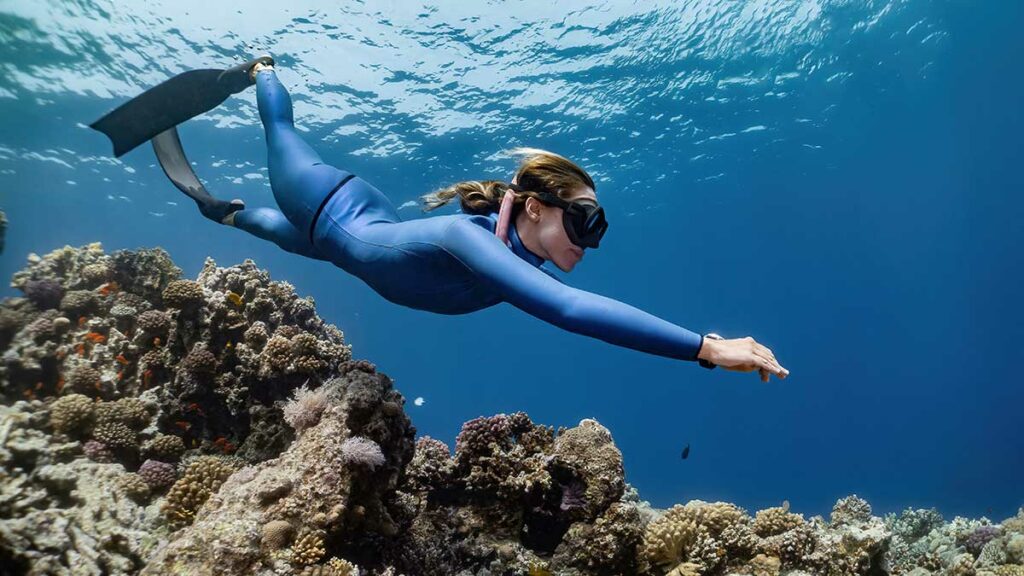
With the rise of interest in freediving worldwide, the Haenyeo have inspired divers and ocean lovers globally. Their practices mirror modern freediving techniques, emphasizing breath control, lung capacity training, and mental discipline.
Moreover, women in diving industries, including scuba diving and underwater research, have looked up to the Haenyeo as pioneers of female-led marine exploration. Their self-sufficiency and resilience challenge stereotypes and encourage gender inclusivity in diving-related careers.
The environmental wisdom of the Haenyeo
Haenyeo women divers dive into the depths and collect marine life with nets because they care about the ocean’s sustainability. Commercial fishing industries cast large nets and catch marine life in bulk, which can harm not just the ocean’s biodiversity but also coral, as nets scrape the ocean floor.
Their knowledge of the underwater ecosystem is vast. They understand when and where to harvest marine life to prevent overfishing and protect marine biodiversity. Haenyeo women serve as living role models as the looming threat of climate change threatens our oceans. Their deep respect for the sea is a model for future generations seeking harmony between economic livelihood and ecological responsibility.
The future of Haenyeo: challenges and hope

While the Haenyeo legacy is awe-inspiring, it faces challenges. Younger generations feel less drawn to the profession, as it’s much more physically demanding than pursuing careers in urban cities. The call for modern life is much stronger than the heavy weight of responsibility that comes with becoming a Haenyeo.
The need for Haenyeo was driven by necessity, and with convenience overtaking everything in the modern world, the profession is slowly falling into obscurity. Even the older generation of Haenyeo women divers feel the same way. This thinking is that passing down the tradition to their daughters would be more of a curse due to its difficulty.
In addition, rising sea levels and global warming have led to the gradual destruction of the habitats that the Haenyeo women divers inhabit. Therefore, all of these factors threaten the sustainability of their traditional way of life.
The future seems bleak, but efforts to preserve this culture are also increasing to counteract it. With this, documentaries and eco-tourism initiatives are telling their story and spreading the invaluable heritage of the practices. If the memory of the Haenyeo slowly plunges into the depths, the rise of global interest in women in diving offers hope that their traditions will continue their legacy.
Celebrating the ocean’s fearless women
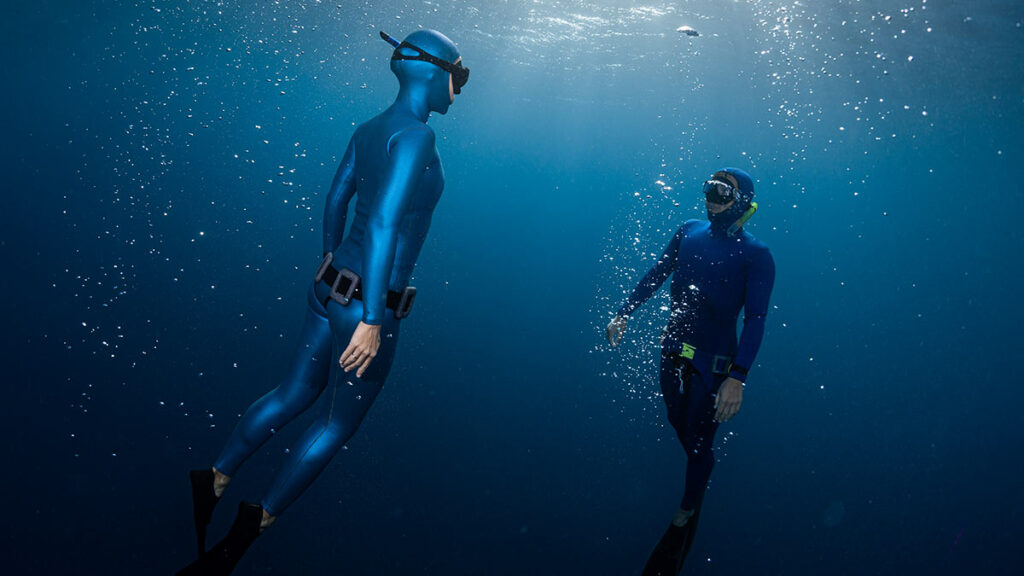
Haenyeo women divers are more than just a cultural heritage that needs to be conserved—they are testaments to women’s resilience and adaptability. They are living proof that our connection with the sea goes beyond survival and deep respect and love. The world deserves to learn about the practices of these pioneers. Let’s celebrate them and protect their culture for generations to come!
So if you seek inspiration and a profound connection with the ocean, the legacy of the Haenyeo is a beacon of resilience — a living legacy swimming against the tide of time.