Every summer, Japan’s coastal waters teem with marine life, from schools of sardines to vibrant coral ecosystems. But in recent years, a more ominous visitor has appeared in alarming numbers: giant jellyfish. These enormous, often terrifying creatures have made headlines for attacking fishermen, clogging fishing nets, and disrupting local ecosystems, raising questions about the causes of their sudden population explosions.
In this article, we dive into the phenomenon of giant jellyfish in Japanese waters, exploring their biology, why they appear in such high numbers, and how humans and the environment are affected.
What Are Giant Jellyfish?
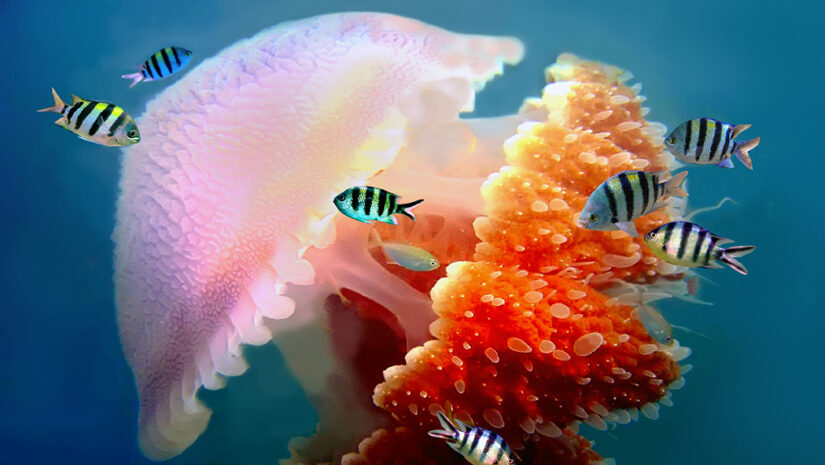
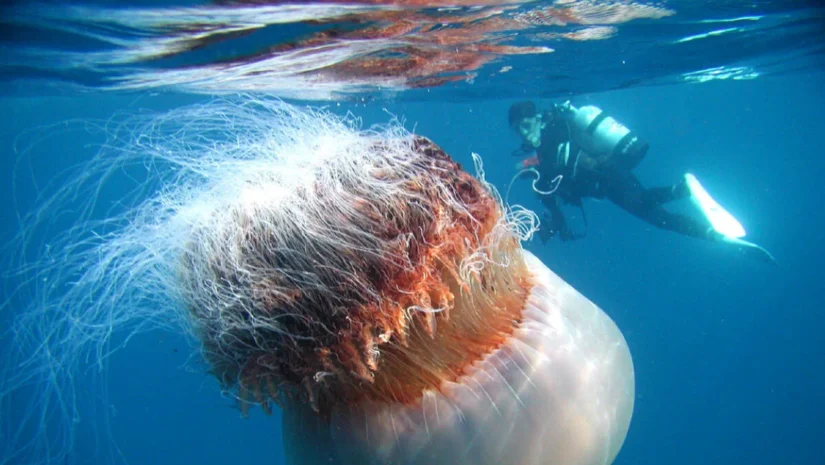
The term “giant jellyfish” often refers to species like Nemopilema nomurai, commonly known as the Nomura’s jellyfish. Native to the waters of the East China Sea and the Sea of Japan, these jellyfish are among the largest in the world, with bell diameters reaching up to 2 meters (6.5 feet) and weights of over 200 kilograms (440 lbs).
Nomura’s jellyfish are seasonal bloomers, usually appearing in the late summer months. Despite their massive size, they are mostly harmless to humans, with stings generally causing mild irritation. However, the sheer number and size of these jellyfish can pose serious hazards to fishermen, divers, and marine equipment.
Why Are Giant Jellyfish Attacking Japanese Waters?
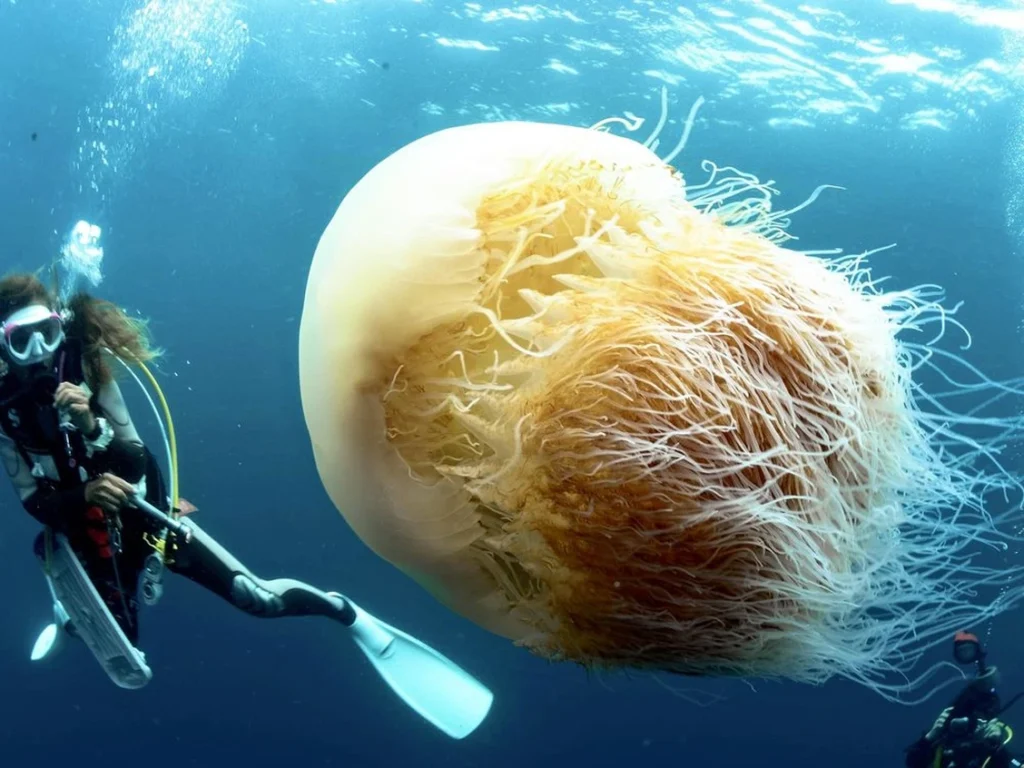
The “attacks” reported in the news are not aggressive in the human sense. Jellyfish drift with currents and feed passively, but overpopulation can lead to collisions and entanglements, giving the impression of attacks. Several factors contribute to these jellyfish blooms:
Ocean Warming and Climate Change
Rising sea temperatures have created ideal breeding conditions for jellyfish. Warmer waters accelerate their growth and reproduction, allowing populations to explode in relatively short periods.
Overfishing
Overfishing removes natural predators of jellyfish, such as tuna, sea turtles, and certain fish species, which previously kept their numbers in check. This imbalance allows jellyfish populations to grow unchecked.
Eutrophication
Runoff from agricultural and urban areas introduces excess nutrients into the ocean. Fertilizers, sewage, and organic waste feed plankton, which in turn feeds jellyfish larvae, resulting in massive blooms.
Ocean Currents
Changes in currents and upwelling patterns can concentrate jellyfish in coastal areas, where they may collide with fishing nets, boats, and swimmers.
Human Impacts of Giant Jellyfish Blooms
The sudden influx of giant jellyfish in Japan has several consequences:
Threats to Fishermen
Fishermen report nets snagged or torn by the weight of jellyfish, and in some cases, large specimens have tipped small boats. Handling giant jellyfish requires caution; their size alone can make them difficult to remove safely.
Economic Losses
Bloom events can damage fisheries and aquaculture operations. Jellyfish consume plankton and small fish, reducing the availability of resources for commercially important species. The cost of removing jellyfish from fishing nets and equipment adds to economic pressures.
Tourist Safety Concerns
Popular beaches may see reduced visitation during jellyfish blooms. While Nomura’s jellyfish stings are usually mild, swimmers are advised to avoid dense swarms, and local authorities sometimes close beaches to prevent accidents.
Environmental Disruption
Massive jellyfish blooms can alter the balance of marine ecosystems, affecting fish populations and other invertebrates. When jellyfish die and decompose, they can deplete oxygen levels, causing localized hypoxia that harms other marine life.
How Scientists Study Giant Jellyfish
Marine biologists and oceanographers monitor jellyfish populations using several methods:
- Satellite and drone imaging to track blooms and movement patterns.
- Oceanographic buoys to measure temperature, salinity, and plankton concentrations.
- Tagging and genetic studies to understand breeding, lifespan, and migration.
Research shows that Nomura’s jellyfish can live 1-2 years, and blooms tend to be cyclical, peaking every 2–3 years. Scientists hope that better forecasting will allow fishermen and coastal authorities to prepare for swarms before they become hazardous.
Preparing for Jellyfish Blooms
Authorities and fishermen in Japan have developed strategies to mitigate the impacts of giant jellyfish:
- Protective Gear – Wearing gloves and long-sleeve clothing to handle jellyfish safely.
- Net Design Adjustments – Using stronger or detachable nets that can withstand jellyfish weight.
- Early Warning Systems – Forecasting blooms based on water temperature, currents, and plankton levels.
- Public Awareness Campaigns – Informing beachgoers and coastal communities about seasonal jellyfish risks.
Some innovative efforts even explore harvesting jellyfish for food or fertilizer, turning a hazard into a resource while helping control populations.
Climate Change and the Future of Jellyfish Blooms
Scientists warn that climate change may exacerbate jellyfish problems worldwide, not just in Japan. Warmer oceans, changes in salinity, and overfishing of predator species all contribute to larger and more frequent blooms.
While jellyfish are a natural part of the marine ecosystem, human activities have amplified their impact, highlighting the interconnectedness of ocean health and human practices.
Fascinating Facts About Giant Jellyfish
- Nomura’s jellyfish can grow from a few centimeters to over 2 meters in just one season.
- They have no brains, heart, or bones, yet are highly efficient swimmers.
- Their bell pulsations allow them to move vertically in the water column, but they mostly drift with currents.
- In Japan, they have occasionally blocked port entrances, making navigation difficult.
Conclusion
The surge of giant jellyfish in Japanese waters is both a natural phenomenon and a warning. These living marine creatures remind us of the delicate balance of ocean ecosystems and the consequences of climate change, overfishing, and pollution.
While the term “attack” may evoke fear, the reality is that jellyfish blooms are passive but powerful forces, capable of disrupting human activity and natural systems alike. By understanding the biology and environmental factors behind these swarms, scientists, fishermen, and policymakers can better adapt and mitigate risks, ensuring that Japan’s coastal waters remain safe and thriving for both humans and marine life.
FAQs: Giant Jellyfish in Japanese Waters
Giant jellyfish, like Nomura’s jellyfish, can reach over 2 meters in diameter and 200 kg in weight. They are seasonal bloomers in the East China Sea and Sea of Japan.
They are mostly harmless. Stings usually cause mild irritation, but their size and numbers can be hazardous to fishermen and equipment.
Factors include ocean warming, overfishing of predators, nutrient runoff (eutrophication), and changes in currents, all promoting jellyfish blooms.
They can tear nets, reduce fish populations, and lead to beach closures, impacting local economies and safety.
Nomura’s jellyfish typically live 1-2 years, with blooms peaking every 2-3 years.