If you’ve already swapped your jacket BCD for a backplate and you know your MOD from your PPO2, welcome home. The world of tech scuba diving is evolving fast, and 2025 is shaping up to be a turning point for gear, training, and deep-water exploration. Whether you’re a seasoned technical diver or gearing up to move beyond recreational limits, staying on top of new tech matters is not just about depth. Still, it’s also about precision, efficiency, and safety in serious atmospheres.
This isn’t another list of “cool gadgets” for pool dives. This is a look at real innovations built for serious divers – new configurations, smarter gas tracking, lighter rigs, and more adaptable systems. We’re talking dive computers with advanced algorithms, HUD, scuba tech gear that adapts mid-dive, and training platforms that are finally catching up to what the gear can do.
Let’s break down what’s coming, what matters, and what’s just hype.
Tech for Scuba Diving is Changing Fast
Back in the day, going tech meant double steel tanks, an overbuilt harness, and spreadsheets for gas planning. Those days aren’t gone, but they’re evolving. Today’s tech diving culture is shifting toward modularity and digital integration. The gear’s lighter. The computers are smarter. The dives are deeper, longer, and more accessible if you’re trained right.
New divers entering tech often come from side mount recreational setups or deep nitrox profiles. That means the learning curve is steep but manageable with the right progression. More manufacturers are responding with gear that bridges the gap, including hybrid wings, multi-gas computers with intuitive interfaces, and even digital checklists built into head-up displays (HUDs).
And while depth is still a defining factor, tech scuba diving is more about the environment now – caves, wrecks, and conditions where redundancy and planning take precedence. The gear reflects that shift. It’s not just “bigger tanks.” It’s about being prepared for mission-style diving, where you solve problems before they happen.
Scuba Tech Gear: What’s Worth Upgrading
You don’t need to chase every shiny upgrade. But a few pieces of scuba tech gear coming in 2025 are genuinely game-changing.
Dive Computers
For starters, let’s talk about dive computers. The next wave of models is finally getting it right, with full decompression support, gas switching, and intuitive menus that won’t leave your head spinning. Crisp displays and Bluetooth syncing are now baseline, not bonus. It’s high-tech without the high hassle.
Suunto EON Core Wrist Computer
This dive computer is designed for divers who want complete control without having to navigate through menus. The screen is bright and colorful, showing everything you need at a glance. It supports multiple dive modes, including air, nitrox, trimix, and rebreathers.
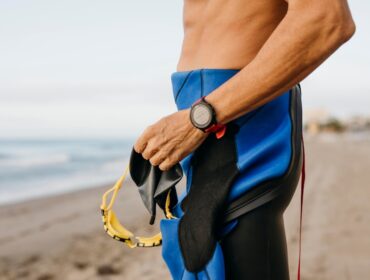
It’s lightweight but packed with features. You can sync it with your phone using Bluetooth for easy access to your dive logs. The navigation is smooth thanks to Suunto’s Fused RGBM algorithm. It’s a solid upgrade for any diver stepping into advanced territory. Plus, it fits on your wrist like a watch, thus, it’s easy, fast, and no clutter.
Head-Up Displays
A few brands are also releasing head-up display (HUD) models. You glance once, and your gas status, depth, and TTS are all there. No button pushing. No switching screens. Just the data you need, when you need it. It’s a shift that could drastically reduce task loading in complex environments.
Scubapro HUD Pro
This device projects your dive data directly in front of your eye. No need to look down or press buttons mid-dive. It keeps key info like depth, time, and air right where you’re already looking. The OLED screen is crisp and easy to see, even in low light.
The unit also includes wireless air monitoring and a built-in 3D compass for better underwater navigation. On the surface, GPS features help track your location and mark entry points. It feels futuristic, but it’s built for real-world diving. Great for anyone who wants less task loading and more focus underwater.
Gauge Consoles
Sometimes you need the basics – depth and pressure. Gauge consoles are tough, easy to read, and continuously powered. When dive computers glitch or batteries run out, these keep you diving smart and safely.
Cressi Donatello 2-Gauge Console
This is a great option for divers who prefer simple tools that work. It combines a pressure gauge and a dive computer in one. You can see your depth, bottom time, and tank pressure all at a glance. It’s easy to read, even in low light or murky water.
The unit also includes a 12- or 24-hour clock and calendar, which helps with logging and surface planning. It works well for freediving, scuba, or even pool training. The compact build keeps your setup clean and doesn’t clutter with extra gear. It’s reliable, rugged, and does exactly what it needs to.
Of course, none of it matters without compatibility. That’s why the best new gear is modular. Mounts, hose routing, and accessories are being built to adapt, because no two dives are exactly the same.
AI Transmitters
Air integration is getting smarter, faster, and way more reliable. New AI transmitters now pair instantly, track tank pressure in real-time, and are compatible with multiple devices. No more second-guessing your gas or fumbling with hoses. With LED status indicators and tool-free setup, these upgrades are built for stress-free diving and smoother pre-dive checks.
Shearwater Swift Next Gen Smart AI Transmitter
This transmitter is made for divers who want wireless tank data without the stress. It connects easily and gives instant readings. You’ll get real-time pressure updates with a simple glance at your wrist. The LED status light shows when you’re connected, so there’s no guessing before the dive.
It works with multiple transmitters at once without dropping communication. You can pair it with most Shearwater models and other leading dive computers. No tools are needed to install or switch it between setups. It offers up to 300 hours of dive time, allowing you to enjoy more underwater adventures without interruptions.
Tech Diving Training: What You’ll Need to Know in 2025
The gear is smarter, but the skills still matter more. If you’re heading into tech diving, don’t let shiny gear trick you into skipping fundamentals. The certification path hasn’t changed overnight, but the delivery is getting better. Agencies like TDI and PADI TecRec are integrating new training tools like VR modules, digital dive planners, and post-dive data review apps.
But the core still stands. Before you hit 150 feet on trimix, you need to master buoyancy, stress management, gas planning, and gear configuration. Courses like Intro to Tech, Advanced Nitrox, and Deco Procedures are where that foundation gets built. Dry suit diving is no longer optional at certain levels – it’s the standard.
Expect more digital resources, but don’t skip real-world mentorship. Watch how experienced divers move. Learn how they troubleshoot. And practice until those long hose drills and shutdowns feel like muscle memory.
Innovations are exciting. But good habits and solid planning? Still the best tech out there.
Frequently Asked Questions
You’ll need a backplate and wing, long hose regulators, redundant gas sources, and a reliable dive computer that supports multiple gases.
Tech diving goes beyond standard limits in terms of depth, gas usage, and time. It requires more gear, training, and emergency planning.
Top agencies include TDI, PADI TecRec, GUE, and IANTD. Each has different paths but shares core safety standards.
It carries more risk than recreational diving, but proper training, equipment, and planning can significantly reduce that risk.
Buy from reputable dive shops or trusted online retailers specializing in technical diving. Avoid general outdoor stores with no dive focus.