It’s pretty common knowledge among most species on this planet that if you want to survive, you must learn to get along with others. You don’t have to get along with everyone, and you don’t even have to be friends with anyone you share proximity with. But you’d better learn to engage in some kind of symbiotic relationship, for without it, you may perish. One way in which this relationship is established under the waves is through marine commensalism.

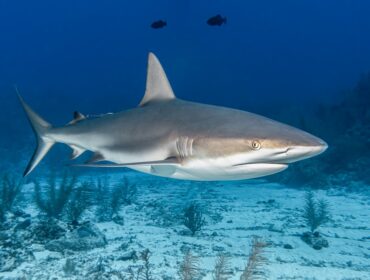
Marine commensalism is one of the more common symbiotic relationships in the ocean, wherein one species benefits from another species without benefiting or harming the other. Examples of marine commensalism include sea anemones and clownfish, barnacles and the various larger creatures they grow on, some shrimp and gobies, and remoras and sharks.
The smaller of the two species will typically enjoy great benefit from its host, who provides shelter and protection from predators in most cases, and food in some cases. The host will hardly be aware of its guest’s presence, or if they are, not particularly concerned with ending it. Host species can sometimes be so generous they’ll have multiple species living on, around, or even in them, and in numbers. Check out this incredible example of marine commensalism in this video, beautiful to watch and ponder the tiny universe that exists within one species.
Image via Elias Levy