Cold water diving offers some of the most awe-inspiring underwater experiences – from exploring eerie kelp forests to recovering artifacts in icy lakes. As a public safety diver, I’ve learned that these chilly environments come with unique challenges. The extreme cold, limited visibility, and heavy equipment can test even the toughest divers. However, with the right preparation and gear, you can safely embrace the chill (pun intended!) and turn frigid dives into rewarding adventures.
Understanding the Challenges of Cold Water
Extreme Temperatures: In water below about 50 °F (10 °C), your body loses heat rapidly. Without proper insulation, hypothermia can set in, impairing your judgment and motor skills. Cold shock and numb extremities are real hazards if you’re unprotected.
Reduced Visibility: Colder waters often teem with plankton and silt, meaning you might not see your own hands or your dive buddy a few feet away. Murky conditions can make navigation and communication difficult.
Equipment Strain: Regulators and other gear can freeze up or malfunction in low temperatures. Ice crystals in a regulator’s first stage can cut off your air supply if the equipment isn’t designed for cold. Everything from your BCD inflator to your mask strap is stiffer and less forgiving in the cold.
Physical and Mental Stress: Immersion in near-freezing water puts extra stress on your heart and circulatory system. Even a fit diver will experience elevated heart rate and blood pressure. For public safety divers on rescue missions, the psychological pressure is high as well – there’s no room for gear problems or mistakes when lives are on the line.
Understanding these risks underscores why specialized cold-water gear and solid preparation are essential. So how do we tackle these challenges? By combining smart preparation with the right equipment.
Preparation and Safety Practices
Diving cold water safely isn’t just about gadgets – it starts with you and your public safety dive team’s practices. Here are some standard safety measures before any cold water dive:
- Specialized Training & Fitness: Get training for cold water or ice diving and keep physically fit. Practice emergency procedures (like handling a free-flowing frozen regulator) in controlled conditions. Being prepared boosts your confidence and resilience in the water.
- Plan and Buddy System: Plan your dive thoroughly (time, depth, contingencies) and always dive with a reliable buddy. In public safety dive teams, clear communication and a practiced team protocol are lifesavers in low-visibility, high-stress conditions. Use line tenders and surface support where required or appropriate.
- Gear Checks and Maintenance: Inspect all gear pre-dive, paying extra attention to seals, regulator function, and dive computer batteries. Make sure everything is rated for the water temperature. Public safety dive teams should standardize gear across members and perform regular maintenance – the last thing you need is an equipment failure under ice.
- Acclimatize and Stay Warm: Ease into the cold water if possible – start in shallow water to let your body adjust. Wear warm clothing until the moment you gear up, and consider doing some light exercise to get your blood flowing before the dive. Post-dive, have dry clothes and a thermos of a hot drink ready to safely warm up.
By following these practices, you set the stage for a safe dive. Now, let’s look at the essential gear that will keep you warm, safe, and effective in cold water.
Essential Cold Water Diving Gear
Equipping yourself with appropriate gear can make all the difference in cold water. Here’s a deep-dive into the must-haves to ensure comfort and safety:
Exposure Protection
The most critical gear for cold water is what keeps you warm. For most cold dives, a drysuit is the gold standard. Drysuits seal you off from the water entirely, keeping you dry and insulated. Layer up underneath with thermal undergarments (fleece or Thinsulate jumpsuits) to trap heat; these under-layers are key to staying warm and can be adjusted to match the water temperature.
If a drysuit isn’t available, a thick wetsuit can suffice for milder cold (think 7 mm two-piece with an integrated hood). A wetsuit allows a thin layer of water to warm against your body, but it might not be enough below certain temperatures – I learned the hard way on a 45 °F dive that a wetsuit will only take you so far! In any case, neoprene accessories are a must: a well-fitted hood, thick gloves or mitts, and booties. Your head, hands, and feet lose heat fastest; keeping them insulated maintains your core temperature and dexterity.
(Some public safety divers even use battery-powered heated gloves during surface intervals after long search dives – a luxury that can be a game-changer when you’re underwater for hours in near-freezing conditions.)
Cold-Water Regulator
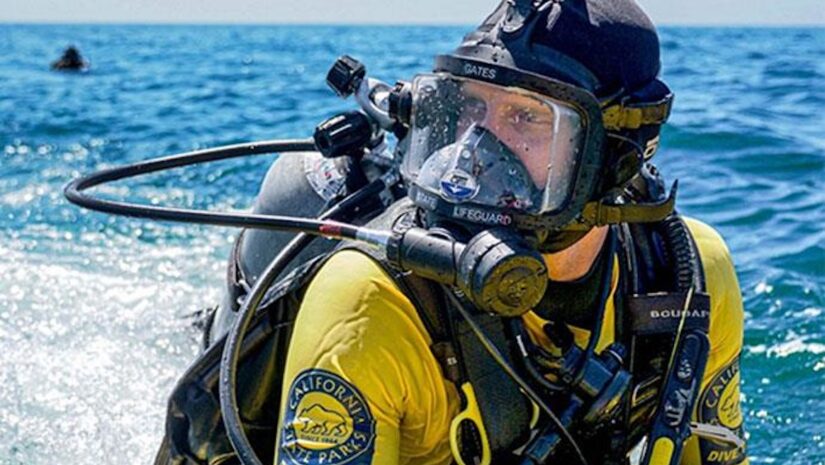
Your regulator is your lifeline, and in cold water it needs to handle frigid conditions without freezing. Standard regulators can ice up when you breathe heavily in cold air or water, so invest in a cold-water optimized regulator. These usually have a sealed first stage to keep water out of the internal mechanism and prevent ice formation. Many are environmentally rated for sub-freezing temperatures and include heat exchangers or anti-freeze kits that warm the air as it passes through. The result is a reliable air supply even when surrounding water is icy.
A free-flowing or jammed regulator at 30 feet in 34 °F water is not fun – trust me, you want a reg that’s been tested in the coldest of cold. Pro tip: Always keep your regulator dry and away from the cold until you start your dive (avoid breathing from it on the surface in freezing air), and have an alternate air source in case one freezes. Public safety protocols often require redundant air systems for this reason.
Buoyancy Control (BCD and Weights)
Cold-water gear is bulkier and more buoyant, so proper buoyancy control is vital. A robust buoyancy compensator device (BCD) – ideally one designed for cold or technical diving – will support the extra weight of thick suits and possibly steel tanks. Look for BCDs with high lift capacity and plenty of adjustment in the straps. You need to be able to cinch it over a puffy drysuit or thick layers, but also release easily if you have to ditch gear in an emergency.
Integrated weight pockets or a sturdy weight belt are equally important. Thick neoprene and drysuits can make you float like a cork without extra lead. Many cold water divers are surprised by just how much weight is required to sink a drysuit + undergarments combination. Ensure your weight system is secure and balanced – you don’t want weights shifting or dropping unexpectedly. Proper weighting will keep you neutrally buoyant so you can descend and hold safety stops without a struggle. (Using a steel cylinder tank can help here as well, since steel tanks are heavier and remain negatively buoyant even as they empty, which offsets some of your suit’s buoyancy.)
The bottom line: dial in your BCD and weights so that your heavy gear feels stable and you can control your ascent and descent smoothly.
Lighting for Low Visibility
An often-overlooked item for cold water is a good dive light. Given the frequent foggy or dark conditions underwater (especially in lakes or high latitudes during winter), powerful lights are essential.
Carry a primary dive light with high lumens and a wide beam to cut through murky water – this helps you see your surroundings, read your gauges, and keep track of your team. Additionally, bring at least one backup light in case your primary fails (standard safety practice for any low-vis or night dive).
In public safety diving scenarios like blackwater searches, divers may also use marker lights or strobes on themselves and tether lines so surface crew can track them under water. Good lighting not only lets you enjoy the aquatic life that is visible, it also keeps you safe and oriented when everything around is a cold, green blur.
Dive Computer (Cold-Compatible)
A reliable dive computer is indispensable for tracking your depth and bottom time in any environment, but in cold water there are a couple of special considerations.
First, ease of use with gloves – thick neoprene or dry gloves make pressing tiny buttons a pain. Look for a computer with large, glove-friendly buttons or an intuitive interface. Some models even have screens that adjust for colder temperatures so they remain responsive. Second, make sure your computer is rated for low temperatures; cold can affect battery performance and LCD display speeds. The computer should also handle any altitude or mixed-gas considerations if you’re doing technical cold dives.
Using a computer helps you maximize your dive time safely (cold water may shorten no-decompression limits slightly, as your body on-gasses differently when cold), and it logs your profile for later analysis. Pro tip: Always set your computer’s water temperature alarm if it has one – an abrupt drop might indicate a thermocline or an incoming source of even colder water, which might mean it’s time to shallow up or end the dive if you’re not equipped for it.
(Other handy gear: Don’t forget a high-quality mask treated with anti-fog solution – warm breath hitting a cold mask lens will fog it up quickly, so prepping your mask is crucial. Many cold-water divers also carry a redundant cutting tool, in case of entanglement in kelp or ice ropes, and a surface marker buoy for safety upon ascent.)
Tips
Throughout all this, remember that quality matters. Cold water is no place to cheap out on gear. Use reputable brands known for reliability in harsh conditions, and make sure everything fits you properly over your bulky layers. My team does test dives with new equipment in a controlled environment to ensure it performs as expected when the water is cold and the stakes are high.
Embrace the Cold, Dive Prepared
Cold water diving is an extraordinary adventure that can be safe and exhilarating with the right preparations and equipment. Whether you’re a public safety diver searching a frozen quarry or a recreational diver exploring a chilly kelp forest, investing in proper gear like drysuits, thermal undergarments, cold-rated regulators, and reliable lights will keep you comfortable and focused when temperatures drop. Combine that gear with solid training, planning, and teamwork, and you’ll be ready for whatever the environment throws at you.
Stay informed, stay protected, and stay ready.