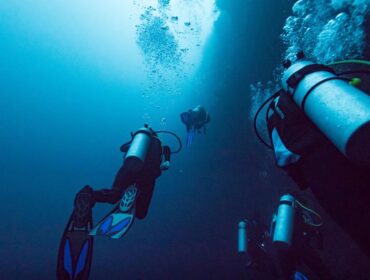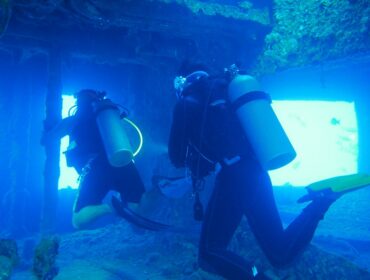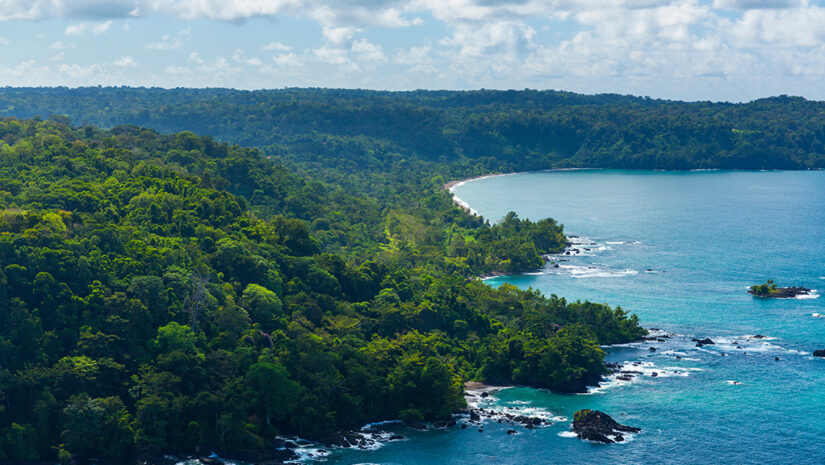
Who wouldn’t dream about diving the Osa Peninsula in Costa Rica when most of the country is being slammed by cold and snow? There are several sites to choose from in this beautiful, biologically diverse country renowned for its eco-tourism destinations. In this post, we’ll focus on one of the best-known places to dive in Costa Rica: Caño Island, located 12 miles off the coast of the Osa Peninsula in the southernmost part of the country.
Caño Island Biological Reserve
Water visibility here typically ranges from 45-90 feet. Still, seasonal rains do not affect Caño Island’s underwater visibility as much as other mainland dive sites where the most apparent months are limited to June through September. When diving the Osa Peninsula in Costa Rica, temperatures typically stay within a highly comfortable range of 70-80F.
Natural underwater features include caves, canyons, cliffs, 15-foot tall coral reefs, and underwater pinnacles whose base can be up to 130 feet deep. Because of its protected status, fishing in the Caño Island Biological Reserve is prohibited for three miles around the island, as well as the removal of any shells or marine life.
A phenomenal diversity of aquatic animals can be seen here, including stingrays, sea turtles, numerous species of coral, white-tipped reef sharks, and many colorful varieties of Galapagos Island fish. You could also witness the less commonly seen whale shark or hammerhead. Bring your underwater camera just in case!
How to Travel
Traveling over land within the country will be easier than flying and cheaper if you bring a lot of gear. However, it can be a bit of an obstacle course, making your way down to the southernmost part of Costa Rica. Major airlines fly into the country to San Jose, and then public buses run at various times to Puerto Jimenez, the largest city on the Osa Peninsula.
Public buses are less expensive than small charter flights that also get you to Osa but they can be a wild ride. Many buses are overfilled, run late, and drive thrillingly close to cliff edges along the unimproved road south. That being said, budget-conscious trips like these can bring unexpected friendships and great travel stories back home.
Gear and Training Recommendations
You can bring your gear or rent a dive package from one of many local shops and avoid the extra weight charges on airlines. PADI Deep Diver and Drift Diver courses are recommended training for navigating around Caño’s large underwater structures like seamounts and pinnacles.
Studying coral conservation or fish identification in advance can also give you a richer experience when you are diving on the Osa Peninsula in Costa Rica.
No matter your choices in training or travel methods, this diving destination will surely be a trip of a lifetime.