The Xihwu (pronounced key’ quot) artificial reef is a decommissioned Boeing 737-200 airframe which was donated by Qwest Airparts Ltd. of Memphis, Tennessee, thanks to the efforts of Air Canada. “Xihwu” is the Hul’qumi’num word (language of the Native Canadian peoples of south-eastern Vancouver Island) for “Red Sea Urchin”, which used to live in abundance in these waters, but whose population has dwindled due to pollution and over-fishing. The aircraft was lowered by crane just off Chemainus, on Vancouver Island, on Saturday January 14, 2006. The Xihwu reef is one of the most popular scuba diving sites in this region.
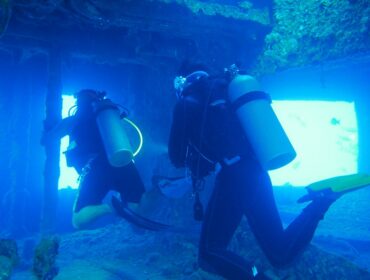
The plane is 15ft off the bottom, and is 100 feet long and a 100 feet wide wing tip to wing tip, and sits at about a 5 to 10 degree angle as if just taking off. There is about 65 feet between the rear and forward exits through which a diver can penetrate and swim the length of the fuselage. Additionally the forward and aft cargo bays are open to the passenger deck for more interesting penetration.
The insides of the fuselage have been completely cleared out and made scuba diver friendly, so it’s an easy penetration with plenty of room to move around. Divers can also get inside the cockpit and have their picture taken in the pilot seat from the outside the aircraft which makes for an interesting photograph.
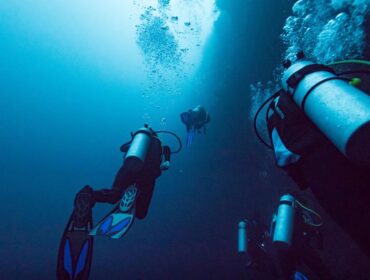
The dive site isn’t too large, and one can easily circumnavigate the wreck within a short period of time, but it is best to go around it slowly observing the marine life inhabiting the shell and exploring the undersides of the plane. There is reported to be approximately 100 different species currently inhabiting the wreck, ranging from rockfish to octopus and wolf eel. The maximum depth on this dive is around 100 feet (30m) and visibility is variable from 10 to 60 feet depending on prevailing currents and tides.
While the Boeing 737 artificial reef is probably the main attraction, there are around 13 other popular diving sites in the Salish Sea, Chemainus and Vancouver island region, offering a variety of different places to observe historical shipwrecks or marine life of the north pacific.
Scuba diving equipment required to dive these waters comprise of cold water diving gear. A 7mm wetsuit is required at a bare minimum, with gloves, a hood and boots, or a dry-suit is recommended if you intend on multiple dives.