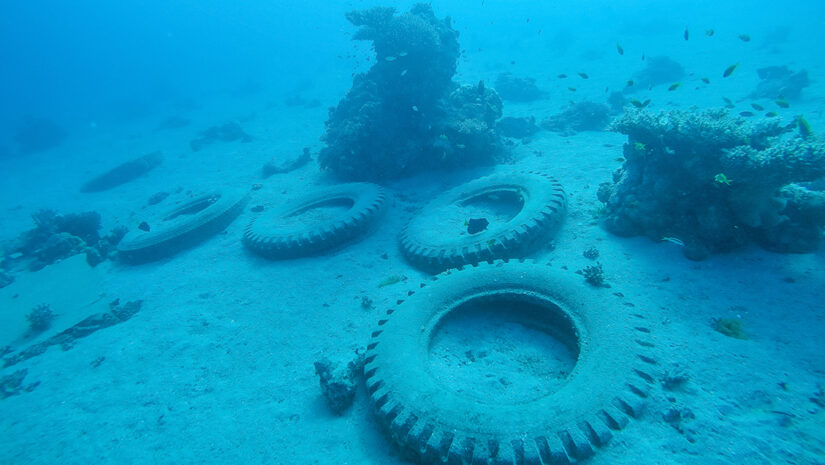
Off the coast of Fort Lauderdale, Florida, lies one of the most infamous artificial reef projects in history — the Osborne Reef. What began as an ambitious environmental initiative to create a thriving marine habitat ended up becoming one of the world’s most striking examples of how good intentions can go wrong underwater.
So, how did this man-made reef of old car tires come to be, and why is it now considered an environmental disaster? Let’s dive into the full story — from its optimistic beginnings to the ongoing cleanup efforts still happening today.
The Vision Behind Osborne Reef
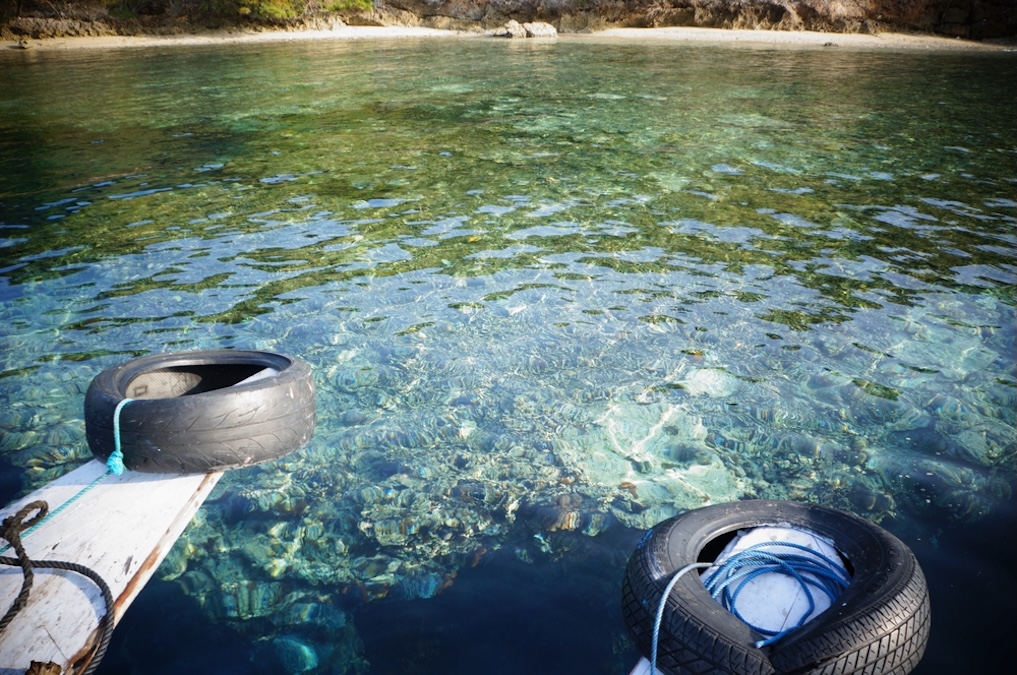
The Osborne Reef project started in the early 1970s, during a time when artificial reefs were gaining popularity as a way to promote marine life and boost local fishing and diving industries. The idea was simple: place structures on the ocean floor that could serve as a foundation for coral growth and fish habitats.
Florida’s coastline, rich in marine diversity but facing pressure from tourism and development, seemed like the perfect place for such an experiment. Local officials, civic groups, and even the U.S. Army Corps of Engineers were excited by the potential of this low-cost environmental innovation.
But there was one big question: What materials should be used to build it?
Why Tires Were Chosen
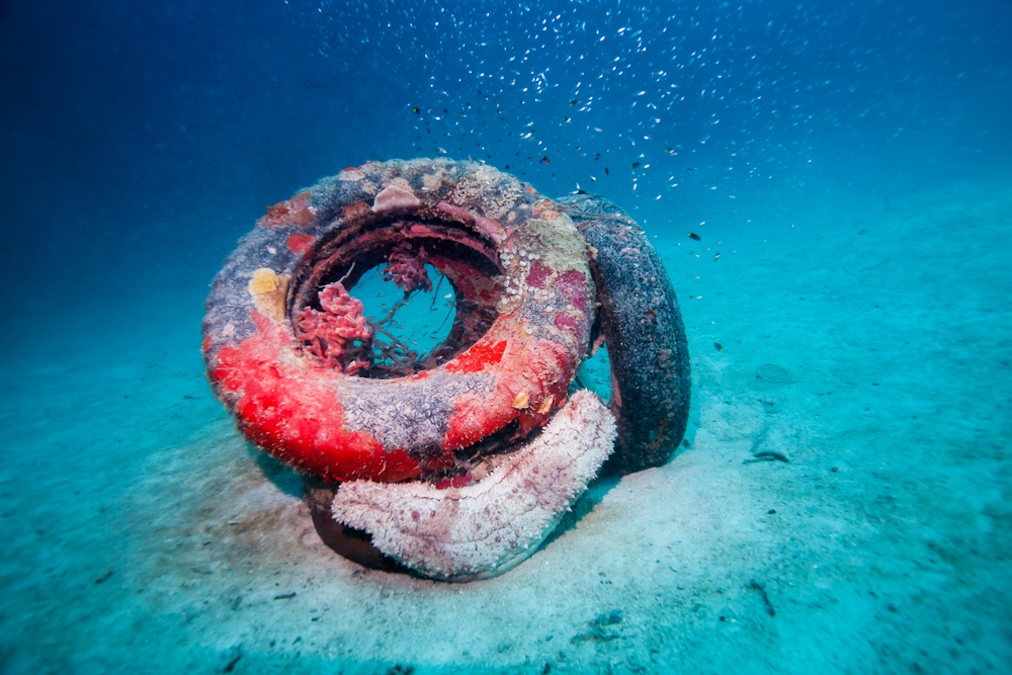
In the early ‘70s, environmental awareness was growing, but recycling systems were not. Millions of discarded car tires were piling up in landfills across the U.S., taking up space and posing fire hazards. Someone proposed what seemed like a clever solution: use old tires to build a reef.
Tires were cheap, plentiful, and durable. The theory was that, once anchored to the seabed, they would provide a solid surface for coral polyps to attach and grow — eventually turning into a vibrant artificial reef teeming with fish.
The plan appeared to solve two problems at once:
- Waste management: Getting rid of millions of unwanted tires.
- Marine habitat restoration: Creating new underwater ecosystems.
It was a bold and hopeful idea — one that attracted support from local governments, environmental groups, and even major corporations.
The Osborne Reef Project Begins
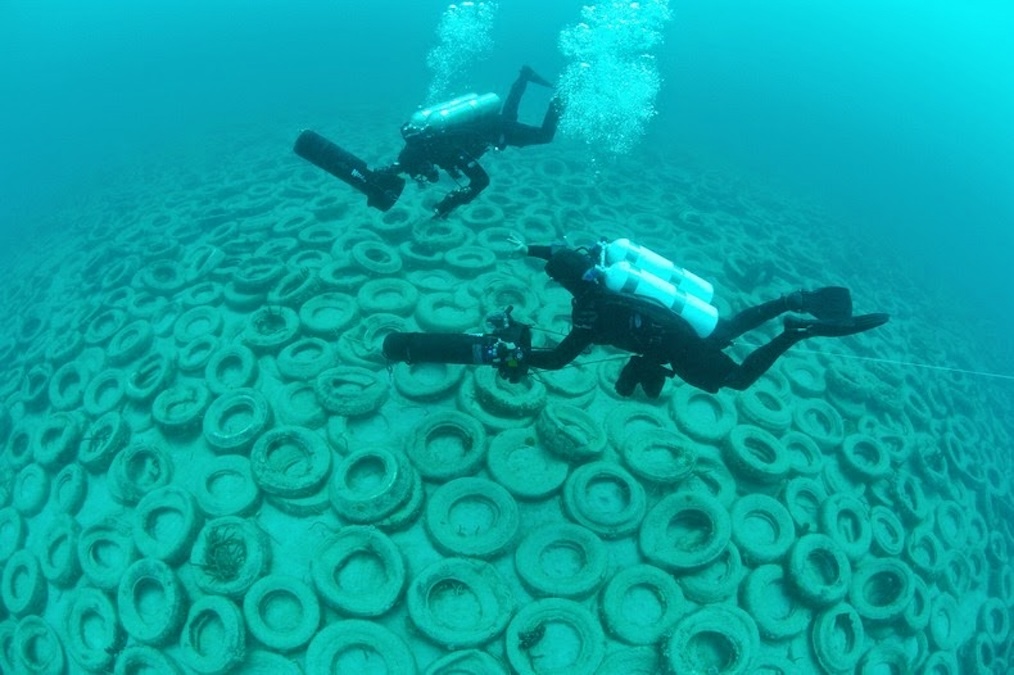
In 1972, the project was approved and began off the coast of Fort Lauderdale, about one mile offshore in an area known as the Osborne Reef.
Over the next few years, volunteers, companies, and the U.S. military helped dump approximately two million tires into the ocean — all bundled together with nylon straps and steel clips. The reef spanned roughly 36 acres of ocean floor at depths of around 60-70 feet.
At the time, the project was celebrated as a model for creative environmental engineering. Local politicians, including Florida’s then-governor Reubin Askew, even attended the dumping ceremonies. Divers were optimistic. Everyone believed they were helping build something lasting and beneficial.
The Problems Begin
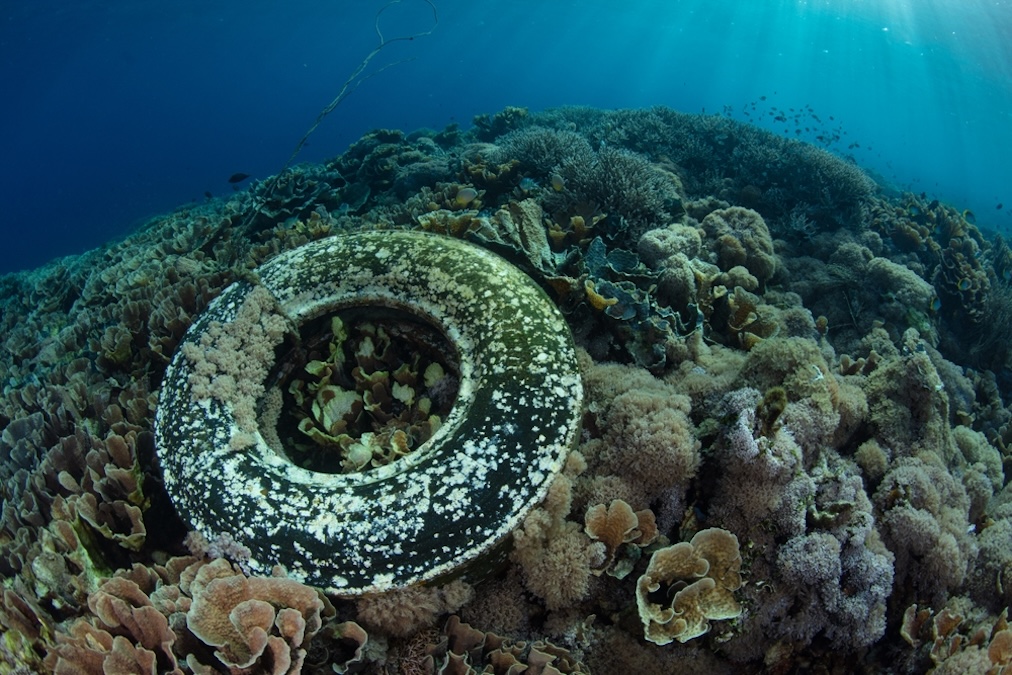
Unfortunately, the optimism didn’t last long. Within just a few years, the flaws in the plan began to show.
The tires didn’t behave like natural reef materials such as limestone or concrete. They were too lightweight, too smooth, and too flexible. Instead of staying in place, the nylon straps that held them together started to deteriorate in the saltwater.
Once unbound, the tires began to move with the current. Storms and tidal surges scattered them across the seabed. Instead of forming a stable reef, the tires became mobile debris — rolling into nearby natural reefs and causing severe damage.
The coral didn’t grow on them, either. The rubber surface was unsuitable for coral polyps to attach, and the constant shifting prevented any stable ecosystem from forming.
What was supposed to be a habitat for marine life had become a hazard.
Environmental Damage
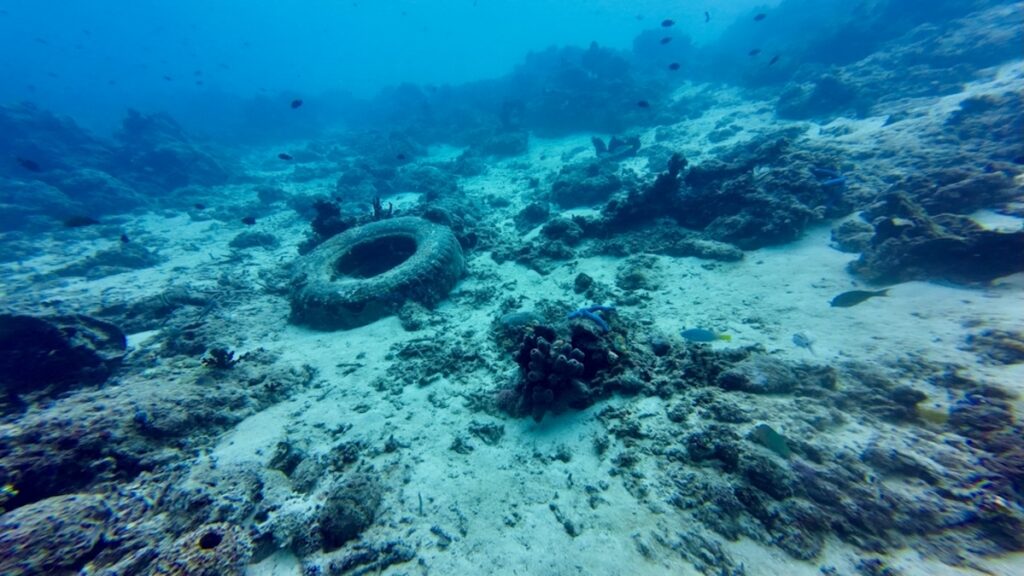
By the 1980s, it was clear that the Osborne Tire Reef was a serious problem. The tires were breaking loose in huge numbers, and the damage they caused was extensive:
- Coral destruction: As the tires moved, they scraped against nearby natural reefs, tearing apart delicate coral structures.
- Habitat disruption: Instead of creating shelter, the tires destroyed existing habitats for fish, sponges, and invertebrates.
- Coastal hazards: Some tires washed ashore, especially after hurricanes and tropical storms, littering beaches.
- Pollution: As the tires aged, they began to leach small amounts of chemicals, adding to local water quality concerns.
The reef that was meant to help the ocean had instead hurt it.
Scientists and divers began to describe the Osborne Reef as an “underwater junkyard.” By the early 1990s, it was widely recognized as one of the biggest artificial reef failures in the world.
Why It Failed
So, why exactly did the Osborne Reef fail when so many artificial reefs have succeeded elsewhere? The reasons come down to material, design, and oversight:
- Inappropriate Material: Rubber doesn’t provide a good surface for coral growth. It lacks the porosity and stability needed for marine colonization.
- Poor Anchoring: The nylon and metal fasteners used to bind the tires together were not durable enough for long-term underwater conditions.
- Lack of Testing: The idea went from concept to large-scale deployment without adequate scientific testing or pilot programs.
- Misjudged Durability: Tires were assumed to last forever in saltwater — but while they didn’t rot, they did degrade and lose structure, especially the steel components.
In hindsight, it was an experiment driven more by good intentions than by solid marine science.
Cleanup Efforts Begin
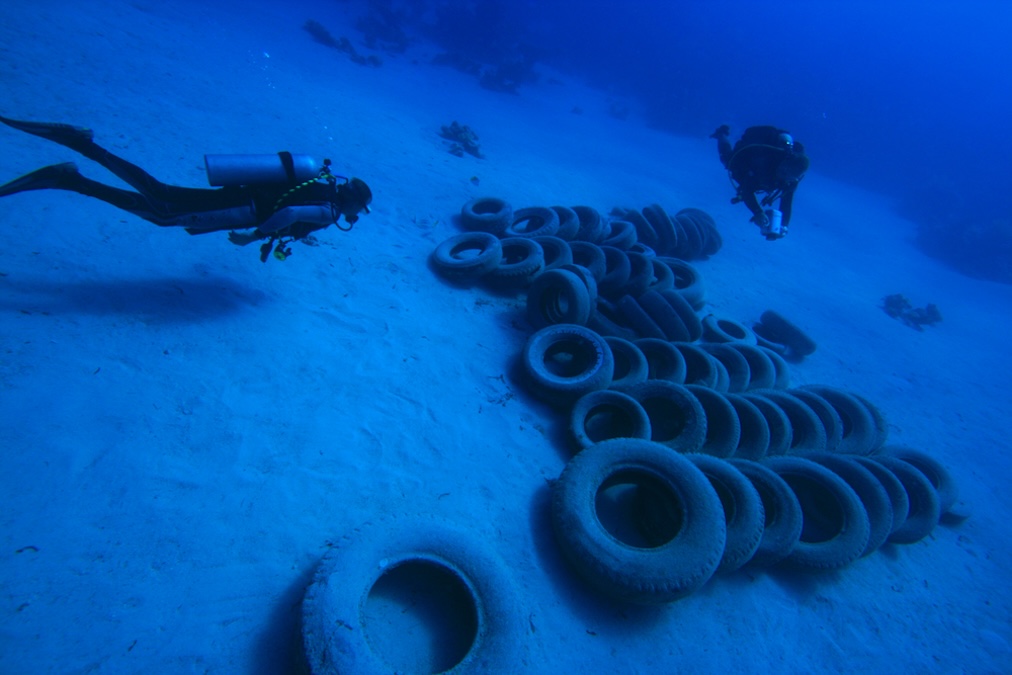
By the early 2000s, environmental agencies recognized that something had to be done. The U.S. Army, Navy, and Coast Guard, along with environmental organizations and divers, began a massive cleanup effort to remove the tires and restore the reef area.
Starting in 2007, military divers from units like the Navy’s Mobile Diving and Salvage Unit Two participated in “Operation Tire Reef.” Using heavy equipment and lift bags, they began recovering thousands of loose tires from the seafloor.
The cleanup has been slow and expensive. Each tire must be individually removed and brought to the surface, then processed and recycled on land. As of recent estimates, only a fraction of the two million tires have been recovered — roughly 250,000 to 400,000 so far.
Funding and logistics remain major challenges, but the project continues in phases, supported by state and federal programs.
Lessons Learned
The Osborne Reef disaster has become a textbook case in environmental engineering and marine biology. It’s now used as a cautionary example of how short-term solutions can lead to long-term consequences if not carefully researched.
Here are the biggest takeaways:
- Not all materials belong in the ocean. What seems durable or harmless on land can behave very differently underwater.
- Scientific testing is essential. Every artificial reef project today undergoes extensive ecological and structural studies before approval.
- Waste disposal isn’t the same as recycling. Using discarded materials must come with a full understanding of how they interact with marine environments.
- Monitoring and maintenance matter. Even the best-intentioned projects can fail without long-term oversight.
Because of these lessons, modern artificial reef programs now rely on eco-safe materials like concrete, limestone, or specially designed reef balls that mimic natural coral formations.
Where the Osborne Reef Stands Today
Today, the Osborne Reef still lies beneath the waters off Fort Lauderdale, though greatly reduced from its original size. Cleanup continues, and scientists are closely monitoring nearby coral reefs for recovery.
Some parts of the site have shown signs of improvement as the remaining tires are stabilized or removed. But full restoration will take decades.
The site remains a popular topic among divers, historians, and marine conservationists — a reminder of how human ambition and environmental carelessness can collide beneath the waves.
Final Thoughts
The story of Osborne Tire Reef is both fascinating and tragic. It began with the best of intentions — an innovative idea to recycle waste and create marine habitats. But without proper research and foresight, the project turned into an ecological disaster that still affects Florida’s coastline today.
Yet, there’s a silver lining. The lessons learned from Osborne have shaped modern reef-building practices worldwide, ensuring that future artificial reefs are safer, smarter, and sustainable.
What was once a symbol of failure now serves as an important teacher — proving that true environmental progress requires patience, science, and respect for the natural world.