It could be argued that some of the best diving happens where the water bites back a little. Slip beneath a cold-water surface and you’ll find yourself in a world that’s wilder, more vibrant, and often more surprising than any tropical reef. Kelp sways overhead like an underwater forest canopy, seals dart in to check you out, and the visibility on a crisp winter’s day can take your breath away. Yes, it’s cooler—but with the right kit and a bit of know-how, cold water diving can be more comfortable, more rewarding, and more addictive than you might think.
Why Dive in Cold Water?
Cold water diving has a reputation for being tough, but in reality, it’s one of the most rewarding ways to spend time underwater. The marine life is different here – not just in species, but in behaviour. In colder seas, creatures are often bolder, more curious, and sometimes far more colourful than their tropical cousins. There’s also the sheer variety of environments: vast kelp forests, rocky reefs bursting with anemones, historic wrecks preserved in the chill, and ice-clear freshwater lakes.
It’s not just about what you see, either. There’s a deeper satisfaction in diving somewhere that demands a little more from you. Mastering cold water skills, from managing thicker exposure protection to handling colder regulators, builds confidence that carries over into every dive you do. And perhaps best of all, many of the best cold water sites are on your doorstep, meaning you can dive year-round without booking a long-haul flight.
Unique Marine Life and Environments
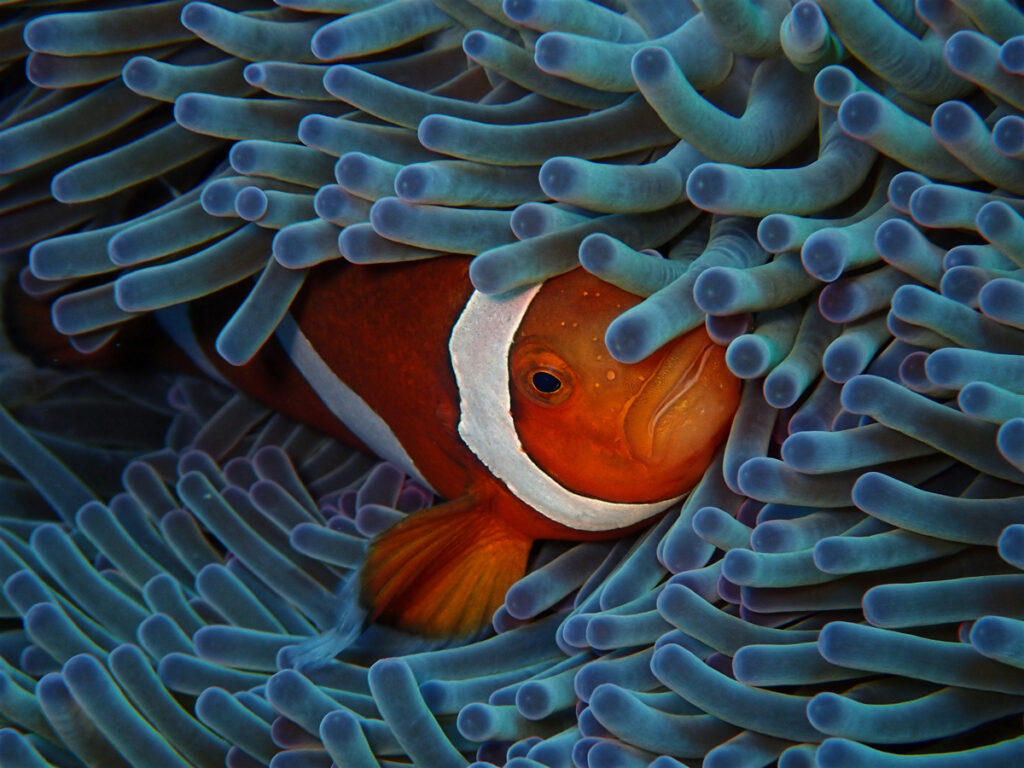
Cold water diving opens the door to encounters you simply can’t get in tropical seas. Kelp forests tower overhead like underwater cathedrals, their fronds teeming with life. Brightly coloured anemones, nudibranchs, and sponges thrive in the chill, and it’s not unusual to have curious seals, wolf eels, or even giant Pacific octopus come in for a closer look. In many places, visibility improves in winter, giving you crisp, cinematic views of reefs and wrecks.
The Thrill of a Challenge
There’s a certain satisfaction in stepping out of your comfort zone and mastering the art of cold water diving. Learning to handle bulkier gear, manage buoyancy in a drysuit, and keep your hands warm enough to work your camera builds skills that make you a stronger, more adaptable diver everywhere you go. And when you surface, cheeks flushed, heart racing, you carry that quiet pride of knowing you’ve just dived in conditions most people wouldn’t dream of attempting.
Year Round Diving Opportunities
One of the best-kept secrets about cold water diving is that it’s always in season. Local sites are just as accessible in February as they are in August, and each season brings its own magic. Winter often delivers the best visibility, spring brings bursts of plankton and feeding frenzies, and autumn offers calmer seas and vibrant kelp forests. You don’t have to wait for a holiday, the adventures are right here, whenever you’re ready.
Essential Cold Water Diving Gear
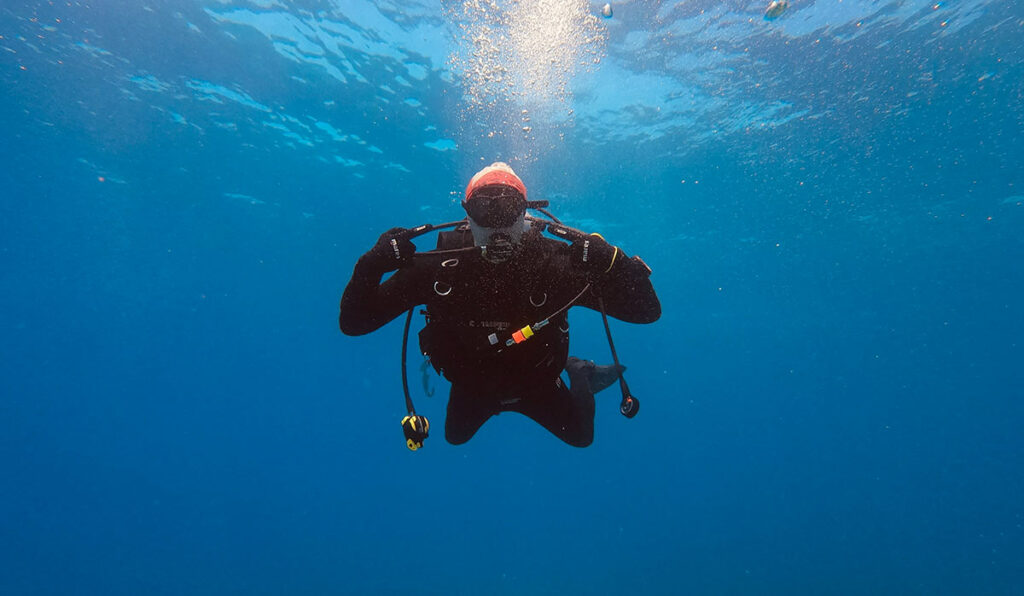
Cold water diving is as much about preparation on land as it is about skill underwater. The right kit doesn’t just keep you warm but it gives you the confidence to focus on your dive instead of your discomfort. Investing in gear suited to your local conditions will make every cold water dive safer, longer, and infinitely more enjoyable.
Exposure Protection
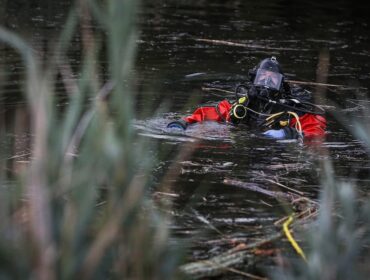
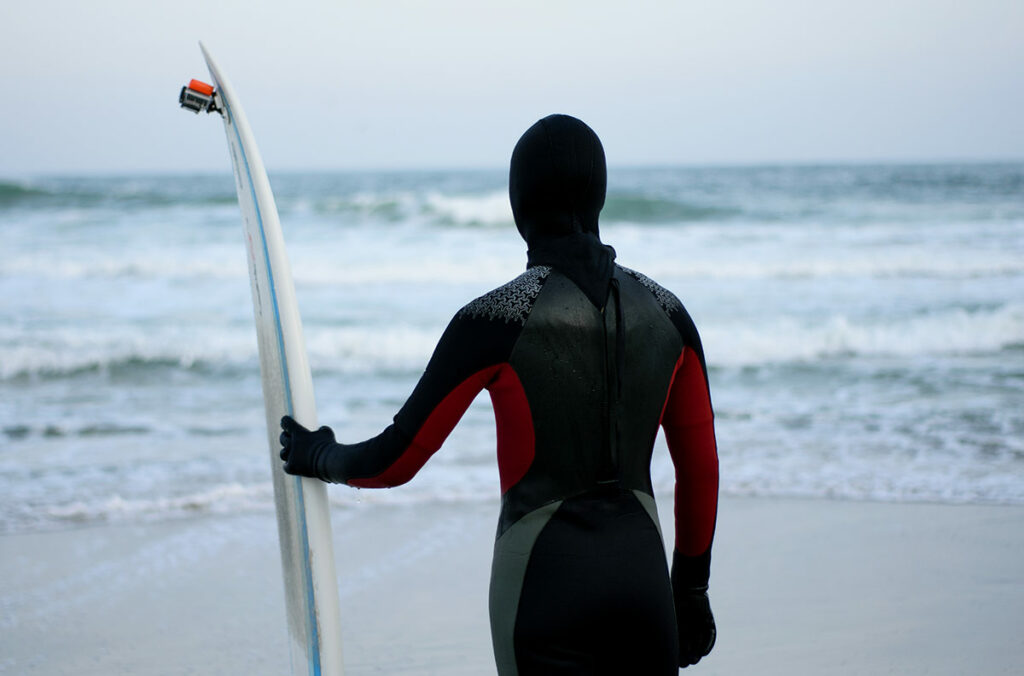
The right exposure suit is non-negotiable for cold water diving. For most, that means a drysuit paired with quality thermal undergarments. Think moisture-wicking base layers topped with insulated mid-layers. If you prefer wetsuits, you’ll need at least 7mm of neoprene, ideally in a semi-dry design, plus a hood and gloves. Don’t underestimate accessories: 5–7mm gloves, a well-fitted hood, and thick socks can make the difference between an enjoyable dive and one cut short by the cold.
Regulator Choices for Cold Water
Cold water brings its own demands for your regulator setup. Choose a cold-water rated regulator tested for temperatures below 50°F (10°C) to reduce the risk of free-flow. Environmentally sealed first stages are a smart investment, especially if you dive in near-freezing water. Regular servicing is even more important in these conditions. It’s not just about performance, it’s about safety.
Additional Warmth Boosters
Small extras can make a big impact. Heated vests or gloves, if your budget allows, can transform long winter dives into comfortable explorations. Between dives, wrap up in a thermal changing robe or down jacket, and sip something hot from a flask. Even swapping into a dry hat and gloves post-dive helps you retain body heat for the next entry.
Cold Water Diving Tips for Comfort and Confidence
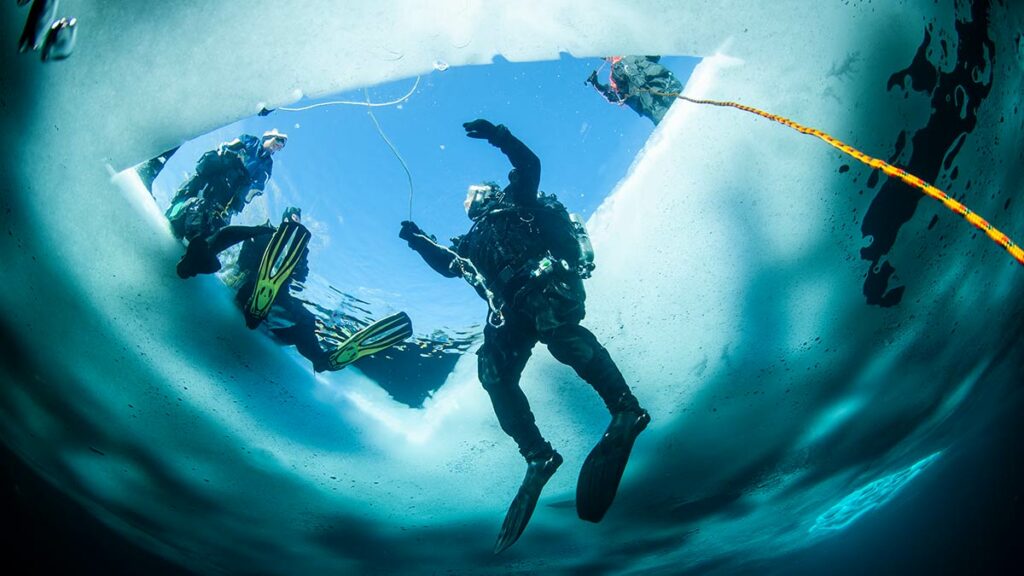
Cold water diving is about the right gear, about how you prepare, how you move in the water, and how you recover afterwards. Small changes to your routine can make a huge difference in warmth, comfort, and overall enjoyment.
- Before the dive: Stay warm on the surface with insulated layers and shelter from the wind, whether that’s a changing robe, tent, or even your car. Sip a warm drink to boost core temperature, and do light stretching to improve circulation before you suit up. Take a few moments to focus on your mindset and dive plan so you feel calm and ready.
- In the water: Move steadily rather than rushing to conserve energy and avoid flushing cold water into your suit. Equalize early and often. Colder water can make pressure changes feel sharper. Check your kit for leaks or free-flows in the first few minutes. If you start to feel chilled, speak up early to your buddy rather than trying to push through.
- After the dive: Change into dry, insulated clothes right away, starting with your hands and head to slow heat loss. Keep drinking something warm, and if you’ve got heated car seats or a portable heater, use them. Watch for early signs of mild hypothermia like shivering or feeling foggy-headed, and take them seriously.
Overcoming Common Fears About Cold Water Diving
A lot of divers hesitate to try cold water because they imagine it will be miserable – poor visibility, freezing temperatures, uncomfortable gear. The reality is often the opposite. In many locations, the water can be remarkably clear, especially in the colder months when plankton levels drop. With modern exposure protection and a thoughtful kit setup, staying warm is not only possible but surprisingly easy once you’re moving underwater.
Safety is another common worry, especially when it comes to cold-related issues like free-flowing regulators or hypothermia. Choosing a cold-water rated regulator, checking your gear carefully before each dive, and knowing how to recognise the early signs of cold stress are simple steps that make a huge difference. Most concerns can be addressed with preparation and practice, and they quickly become second nature.
For those new to cold water diving, the best approach is to start small. Begin with a shallow site on a calm day, go with an experienced buddy or instructor, and focus on enjoying the experience rather than pushing limits. With each dive, your comfort grows and soon you’ll find that the cold water you once worried about is now your favourite place to be.
The Community Heart of Cold Water Diving
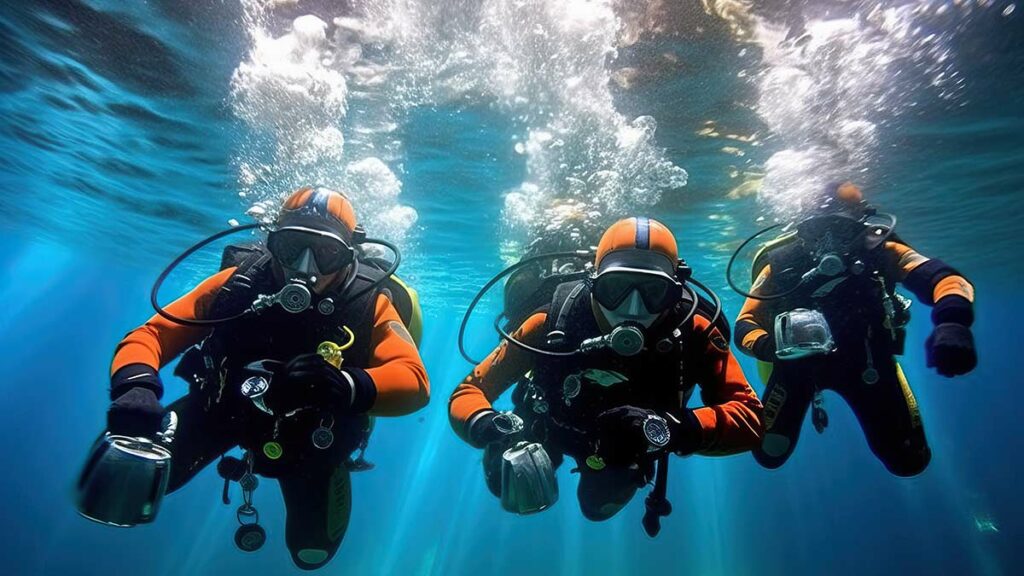
One of the best things about cold water diving is that it brings people together. There’s a special bond that forms when you’re hauling gear down to a frosty shoreline, helping each other zip up drysuits, and laughing over steaming mugs of tea between dives. The shared challenge makes the friendships stronger. You know the people beside you have the same mix of grit, curiosity, and love for the water that you do.
Cold water dive communities tend to be close-knit, whether it’s a local club, an informal weekend group, or a network of divers who meet up for trips across the country. Many of these groups go beyond just diving together, taking part in underwater clean-ups, citizen science surveys, or conservation projects that make a real difference to the places they dive. It’s this mix of adventure and purpose that keeps people coming back, even when the thermometer dips.
When you’re part of a cold water diving community, you’re never diving alone in spirit. Every shared dive, every post-dive story, and every moment of helping each other out on the shore adds to a sense of belonging that’s as warm as any tropical sun.
Dive In
Cold water diving has a way of surprising you. What starts as a challenge quickly becomes a passion, fuelled by wild, beautiful underwater landscapes and the quiet satisfaction of mastering a demanding environment. The marine life is richer than many expect, the sense of accomplishment is real, and the friendships forged in these waters last well beyond the dive day.
With the right preparation, gear, and mindset, the cold becomes just another part of the adventure. It is something you notice less and less as your confidence grows. So pull on that drysuit, zip up your hood, and step into a world that rewards you in ways only cold water can. The water might be chilly, but the experience will warm your heart every time.