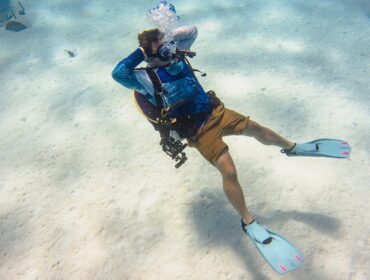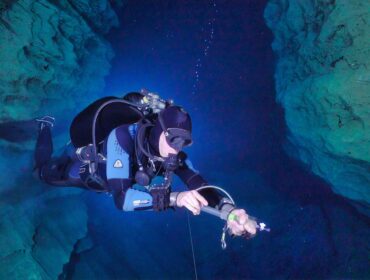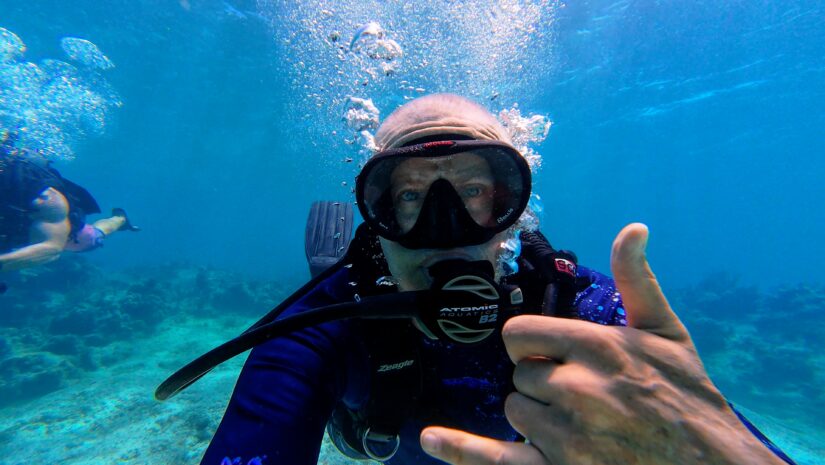
The Cayman Islands, famed for their crystal-clear waters and thriving coral reefs, are a scuba diver’s dream. However, a hidden crisis lurks beneath the surface: the growing issue of marine debris and plastic pollution. As passionate ocean advocates, we need to understand this issue and take action to preserve the beauty and biodiversity of these islands.
Unmasking the Trash Troubles
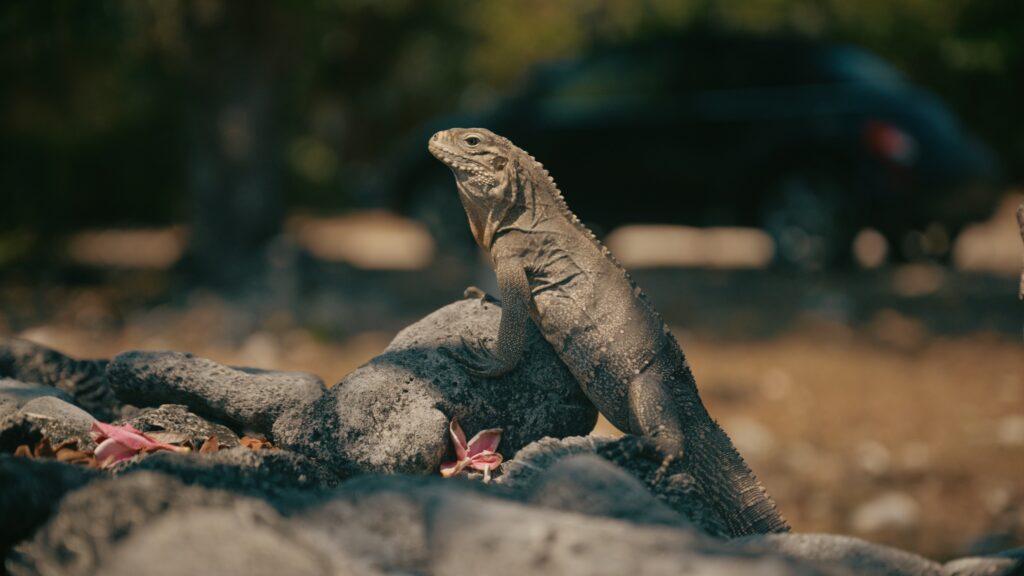
The Cayman Islands, like many island nations, face unique challenges when it comes to trash:
Ocean Currents
The islands’ location in the Caribbean Sea makes them vulnerable to marine debris carried by currents from neighboring countries. A significant amount of trash washes ashore from Haiti, Honduras, and other regions.
Limited Landfills
The islands have limited landfill space, and waste management infrastructure is struggling to keep up with the increasing population and tourism.
Lack of Recycling Programs
Currently, there are no island-wide recycling programs in the Cayman Islands. This means most plastic, glass, and metal waste ends up in landfills or, worse, the ocean. Read more about it here.
The Toll on Underwater Treasures
The Cayman Islands are famous for tales of Blackbeard’s treasure hidden on Cayman Brac, captivating imaginations. However, the islands’ true treasure lies beneath the waves, in the vibrant marine ecosystems teeming with life. Sadly, this underwater paradise faces a grave threat from pollution, with trash endangering the delicate balance of these unique habitats and the creatures that depend on them.
Coral Reefs at Risk
Plastic debris can smother corals, block sunlight, and introduce toxins, jeopardizing these fragile ecosystems that support a vast array of marine life.
Sea Turtles in Peril
The Cayman Islands are critical nesting sites for several sea turtle species, including the endangered green sea turtle. Plastic pollution poses a significant threat to these turtles, who often mistake plastic bags for jellyfish, a primary food source.
Barrel Sponges Suffocating
These ancient filter feeders, which can be thousands of years old, play a crucial role in maintaining water quality on the reefs. However, plastic debris can clog their pores, impeding their ability to filter water and obtain food.
Fish and Other Marine Life in Danger
Fish, crustaceans, and other marine animals often ingest or become entangled in plastic debris, leading to injury, illness, and even death.
Ghost Fishing Gear
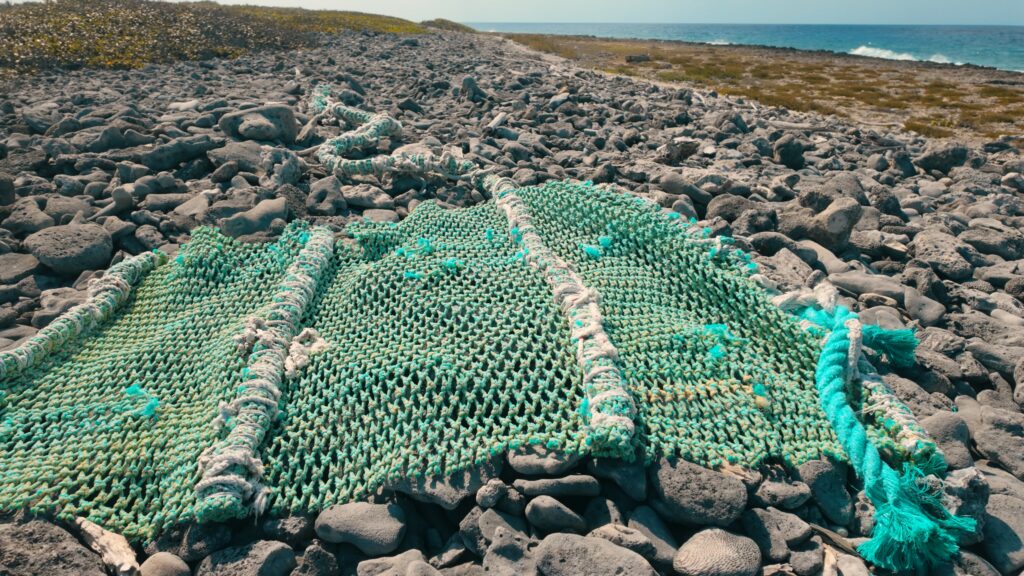
Abandoned fishing gear, known as “ghost gear,” continues to trap and kill marine life long after it’s lost or discarded.
Types of Trash Found
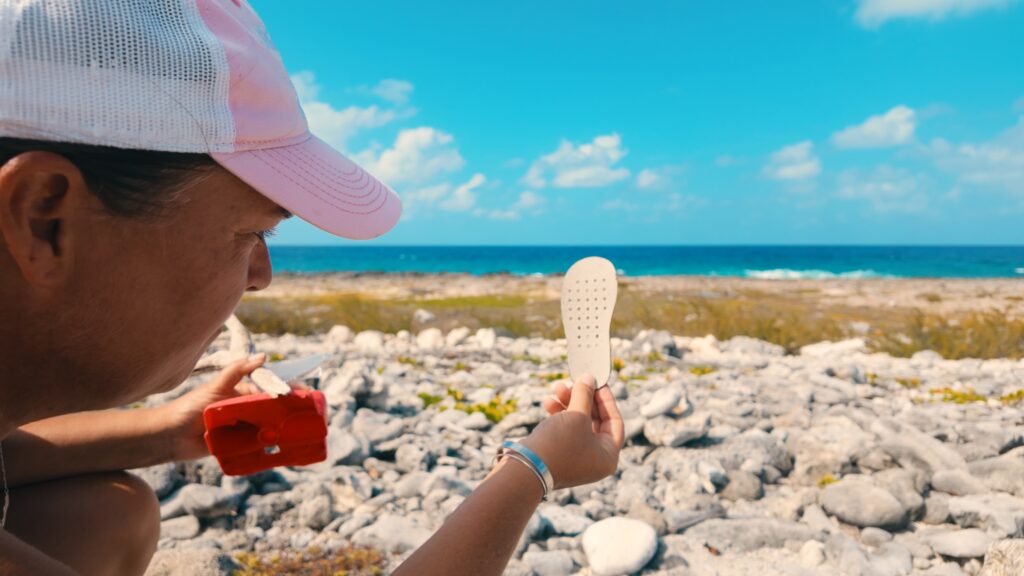
While the waters in the Cayman Islands are still pristine compared to other higher traffic dive locations, divers can encounter various types of trash, including:
Plastic Bottles and Bags
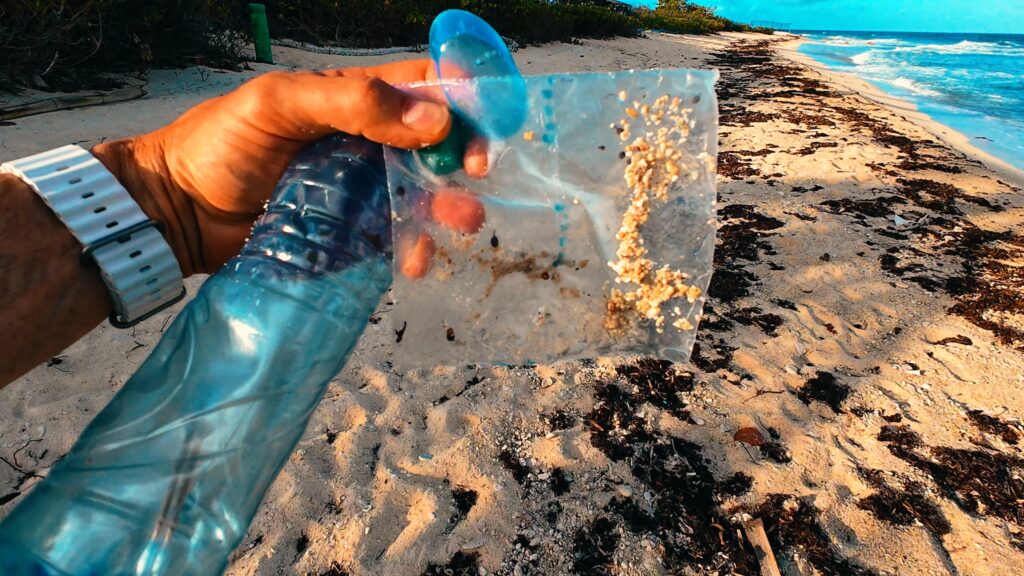
These ubiquitous items are among the most common forms of marine debris.
Fishing Gear
Abandoned nets, lines, and traps pose a serious threat to marine life.
Microplastics

These tiny plastic particles, often invisible to the naked eye, are pervasive and easily ingested by marine animals.
Medical Waste
Syringes, vials, and other medical debris can wash ashore, posing a health risk to humans and animals.
Other Debris
Everything from plastic utensils, toothbrushes, flip flops, and food wrappers to Styrofoam containers and even household appliances can be found in the waters surrounding the islands.
Diving for Solutions: How Can We Help?
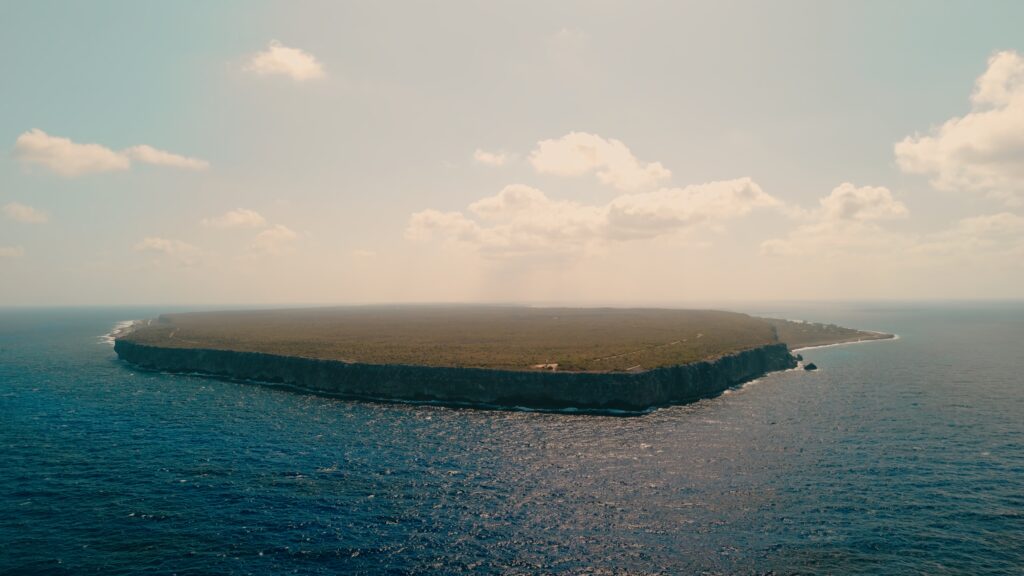
While the situation may seem dire, there are concrete steps we can take as divers to address the trash problem in the Cayman Islands, or any of your other favorite dive spots:
Participate in Dive Cleanups
Many dive operators and environmental organizations organize underwater and beach cleanups. Join these efforts to remove debris directly from the environment.
Report Trash Hotspots
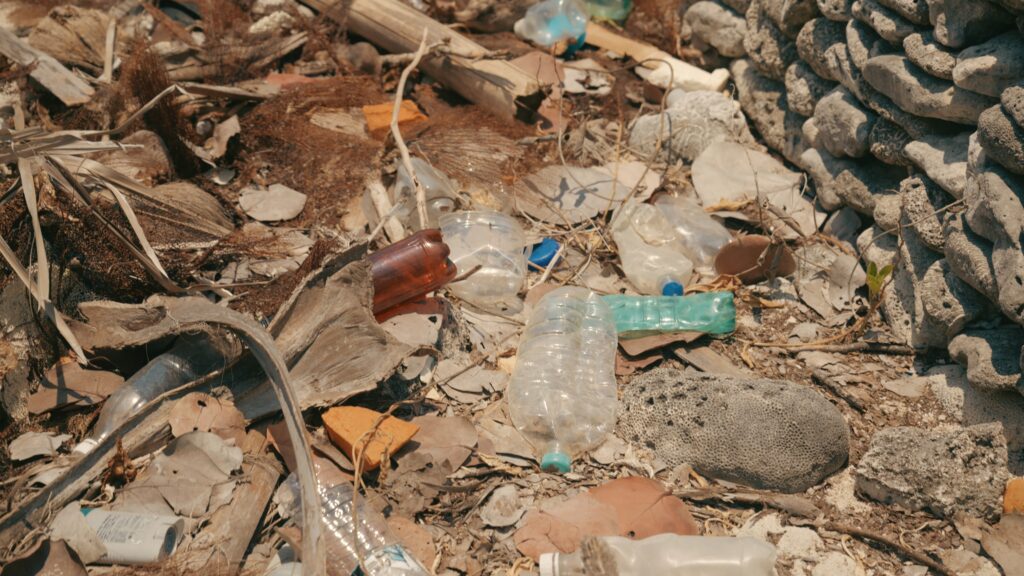
If you encounter significant accumulations of trash during your dives, report the location to local authorities or environmental groups.
Support Sustainable Tourism
Choose dive operators and accommodations that prioritize sustainability and have eco-friendly practices in place.
Reduce Single-Use Plastics
Make a conscious effort to reduce your reliance on single-use plastics, both at home and while traveling.
Be an Advocate for Change
Contact local officials, support environmental organizations like Plastic Free Cayman, and spread awareness about the need for improved waste management and recycling infrastructure on the islands.
A Call to Action
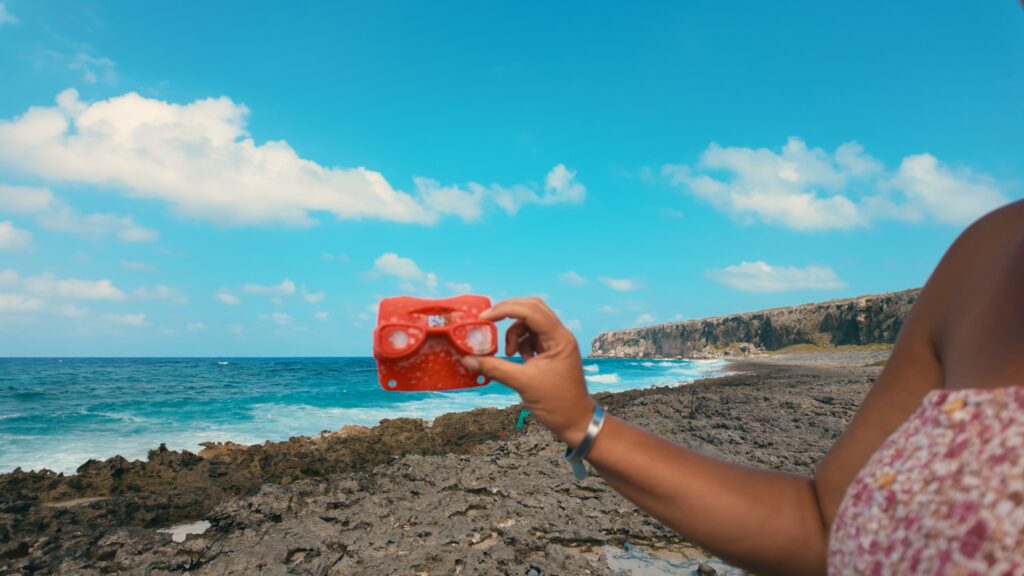
The Cayman Islands are a treasure worth protecting. As divers, we have a unique opportunity to witness the underwater world’s beauty and fragility.
Let’s take action to ensure that future generations can experience the same pristine environment we cherish. By working together, we can create a cleaner, healthier future for the Cayman Islands and our oceans.