
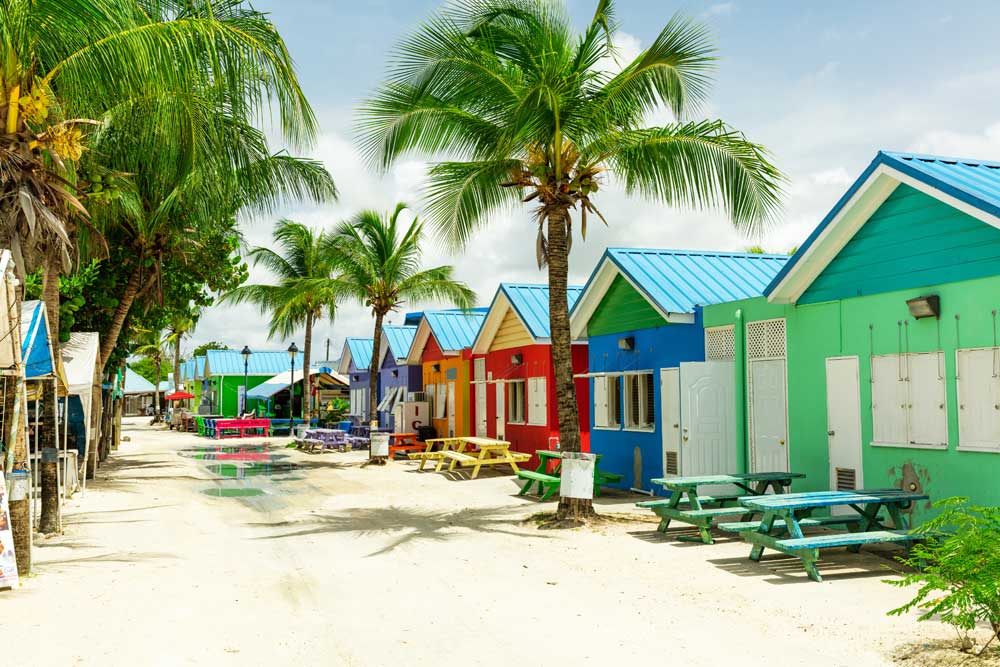
Barbados
The island nation of Barbados is famed for its pristine beaches and rich biodiversity, including the second largest hawksbill turtle-breeding population in the Caribbean. The country also boasts a unique culture and numerous historical attractions. From its marine parks and World War shipwrecks, to its sugar mills and plantation homes, the island provides endless diversions.Geography of Barbados
Since the late 17th century, Barbados has functioned as the major link between western Europe, the eastern Carribean territories, and some areas of the South American continent. Even though it is grouped with the Lesser Antilles archipelago, it is less mountainous and has a lower variety of plant and animal life.
Geography of Barbados
Carlisle Bay Marine Park
Carlisle Bay is a crescent-shaped natural harbor found on the west coast of Barbados. It is home to over seven shipwrecks, some dating back to the First and Second World Wars. Here you can explore the Berwyn (a WWI French tug boat that sank in 1919), Ce-Trek (a cement boat that went down in 1986), the Cornwallis (a freighter that perished during WWII and was relocated to the marine park), and more.
SS Stavronikita
The SS Stavronikita was a valuable freighter that caught fire in 1976 while carrying cement from Ireland to Barbados. A few years after the accident, the Barbados government purchased the Stavronikita ruins and turned it into an artificial reef. Today, it is the largest shipwreck in Barbados and is home to beautiful corals and rope sponges.
Pamir
A Barbados diving trip wouldn’t be complete without a visit to Pamir. The area is a shore-accessible salt water dive site that’s perfect for beginners. The shipwreck is 165 feet long, and was intentionally scuttled in 1985 to attract fish. Located 100 yards offshore and about 60 feet deep, it’s a great destination for wreck divers.
Barracuda Junction
Barracuda Junction takes its name from the large number of barracudas prowling the reef in search of prey. But apart from barracudas, the dive spot also shelters an array of colorful sponges, corals, and reef fish. Schools of baitfish also gather near the dive site.
Maycocks Bay
Maycocks Bay is an idyllic spot on the northwest coast of Barbados that offers visitors a fabulous view of the coastline. The bay’s tumultuous waters make it an excellent diving spot for intermediate divers. Below the surface you’ll see large reefs interspersed with white, sandy channels. You’ll also get to see lots of coral and sponge formations up close and personal.
The Boot
As its name suggests, The Boot is a boot-shaped reef situated near the famous Sandy Beach and is about 40 to 60 feet deep. The site contains a gorgeous mix of hard and soft corals, and is popular for being a turtle hotspot. You’ll also see a small Coast Guard ship adorned with sponges and corals during your dive.
Bell Buoy
Bell Buoy is a large, bell-shaped reef that offers something for divers of all skill levels. Located 30 to 70 feet below the surface, the reef is covered in a tapestry of corals that host all sorts of marine life, including angelfish, parrotfish, and chromis fish. The setting is ideal for marine photography, especially when the sunlight hits the shallow reef. Purchase an underwater camera from Leisure Pro to make the most of your dive.
Clarke’s Bank
Clarke’s Bank is a beautiful and vibrant reef inhabited by various tropical fish, such as yellowtail snappers, creole wrasse, and parrot fish. The site is frequently visited by the locally-based Atlantis Submarine, which sometimes circles the reef. The reef is encrusted with hard and soft corals, which add to its allure.
Greatledge
Located off the northwestern coast of Barbados, Greatledge is a spectacular dive spot that is home to barracudas and the endangered hawksbill turtles. It offers great visibility, so you’ll have no trouble witnessing the schools of tropical fish when you venture into the ocean’s depths.
Dottins
Dottins is a shallow reef dive that lies off the west coast of Barbados. The site is a must-visit for beginner divers. With plenty of light filtering through the water, you’ll get an amazing view of the lush corals and sandy patches. Since it’s a relatively shallow dive spot and is easily accessible, it is ideal for night dives. Get the proper lights and strobes if you plan to go on evening dives.
Cement Factory Pier
It isn’t everyday that you get to explore the remnants of an abandoned cement factory. Found on the north coast of Barbados, the Cement Factory Pier is made up of chunky columns where marine creatures like lobsters, sea horses, frog fish, flying gurnards, arrow crabs, and scorpion fish take shelter. The remains of the pier also offer excellent coral cover over its imposing columns.
Marine Life
- Barracudas - Barracudas are a large species of fish that inhabit coastal waters. They are known for their dominant predator behavior and have muscular, torpedo-shaped bodies and razor sharp teeth.
- Hawksbill Turtles - Hawksbill sea turtles can be spotted between May to October in the coastal waters of Barbados. It gets its name from the shape of its curved, pointed beak which it uses to hunt for sponges and other invertebrates.
- Whitetip Reef Sharks - Whitetip reef sharks are medium-sized creatures found in the Indian and Pacific Oceans. They use their slim, slender bodies to navigate caves and crevices. As a nocturnal species, they spend their nights hunting for prey with fellow whitetips.
- Striped Dolphins - Striped dolphins are widespread in the tropical waters of Barbados. They often travel in groups ranging from 25 to 100 dolphins, and you might spot them leaping about 20 feet over the ocean’s surface. When they leap high out of the water, they vigorously rotate their tails while airborne.
Other Attractions
- St. Nicholas Abbey - The famous Jacobean great house at St. Nicholas Abbey was built in 1658 and has spawned intriguing tales through the centuries. Visitors can tour the property to see antiques, learn about the workings of the distillery, and explore the grounds. The attraction includes a 350-year old plantation home which houses a museum as well as various antique pieces.
- Hunte’s Gardens - Hunte’s Gardens is set in a gully in Barbados’ interior, with the gardens laid out on terraced slopes. It includes stairways and winding walkways that meander through the lush grounds where you can appreciate the variety of plants on display. Animals also frequent the area, so be sure to pack lunch so you dine on the property’s grounds and make the most of the picturesque setting.
- George Washington House - George Washington House is an 18th century plantation house that served as a base for George Washington and his sick brother Lawrence in 1751. The attraction houses 18th century artifacts and several secret tunnels can also be found below the structure. Visitors may also watch a 15-minute clip on Washington’s stay in Barbados.
- Morgan Lewis Sugar Mill - When planning a trip to Barbados, be sure to include the Moran Lewis Sugar Mill in your itinerary. The site is the largest, most complete sugar mill in the Carribean. The wind-powered structure once grounded sugar canes during the 18th and 19th centuries. If you’re lucky, a visit to the Sugar Mil might give you the chance to sample sugar cane juice.
How to Get There
Flights from the United States, Canada, the United Kingdom, Europe, and South America regularly travel to the island of Barbados. International airlines include British Airways, American Airlines, Virgin Atlantic, and Air Canada. Smaller airline companies that make regular flights to Barbados include JetBlue, WestJet, Virgin Atlantic, and Carribean Airlines.
By Sea
Bridgetown is a port of call for various cruise ship lines, so you can easily take a cruise ship to Barbados. The Bridgetown Cruise Ship Terminal is a great place to dock as it contains many shops and restaurants.
Best Time to Visit
Required Trainings & Certifications
Check out our PADI Open Water Dive Manual () and PADI Diving Advanced Open Water Crew-Pak () for more information.
Miscellaneous Information
The Barbadian or bajan dollar is the official legal tender of Barbados.
Languages
English is the official language of Barbados, and it is used in formal and written communications. In informal settings, you’ll hear the local dialect Bajan being spoken.
Time Zone
Barbados follows Atlantic Standard Time (GMT-4).
Driving Side
Vehicles in Barbados drive on the left side of the road.
Calling Code
If you’re calling from another country, dial 1-246 after the IDD.
ISO 3166 code
ISO 3166-2:BB is the entry for Barbados in ISO 3166-2.
Internet TLD
In Barbados, .bb is the Internet top level domain.