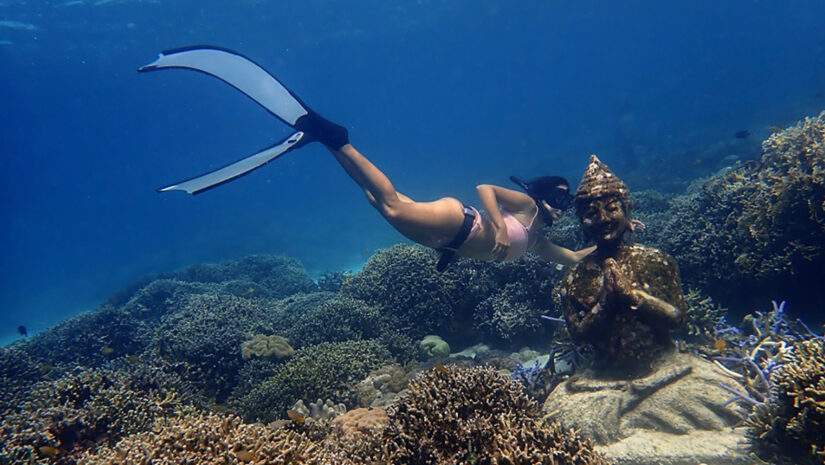
Spring is finally here, and if you’ve been itching to trade in your winter coat for a wetsuit, now is the perfect time to explore some of the best diving spots in the world, right here in the U.S. While the Caribbean and the South Pacific often steal the spotlight, the United States is home to some of the most breathtaking scuba diving destinations on the planet. From vibrant coral reefs to eerie shipwrecks and massive kelp forests, there’s no shortage of underwater adventures waiting for you.
The best part? Spring offers near-perfect conditions at many of these locations. Water temperatures are warming up, visibility is improving, and the crowds of summer have yet to arrive. Whether you are an experienced diver looking for deep wrecks or a beginner hoping to spot a sea turtle on a shallow reef, the U.S. has some of the best scuba diving in the world—and it’s all just a flight (or drive) away.
Most Breathtaking Scuba Diving Destinations
Imagine weightlessly gliding through crystal-clear waters, weaving between towering coral formations and schools of neon fish. You can be a novice looking for calm, shallow reefs or an adrenaline junkie craving deep wreck dives, the world is full of spectacular scuba diving spots that cater to every skill level.
1. Molokini Crater, Maui, Hawaii – A Volcanic Paradise
If you’ve ever dreamed of diving inside a volcano, Molokini Crater in Maui is your chance. This crescent-shaped, partially submerged volcanic crater is one of Hawaii’s most famous scuba diving places, and for good reason.
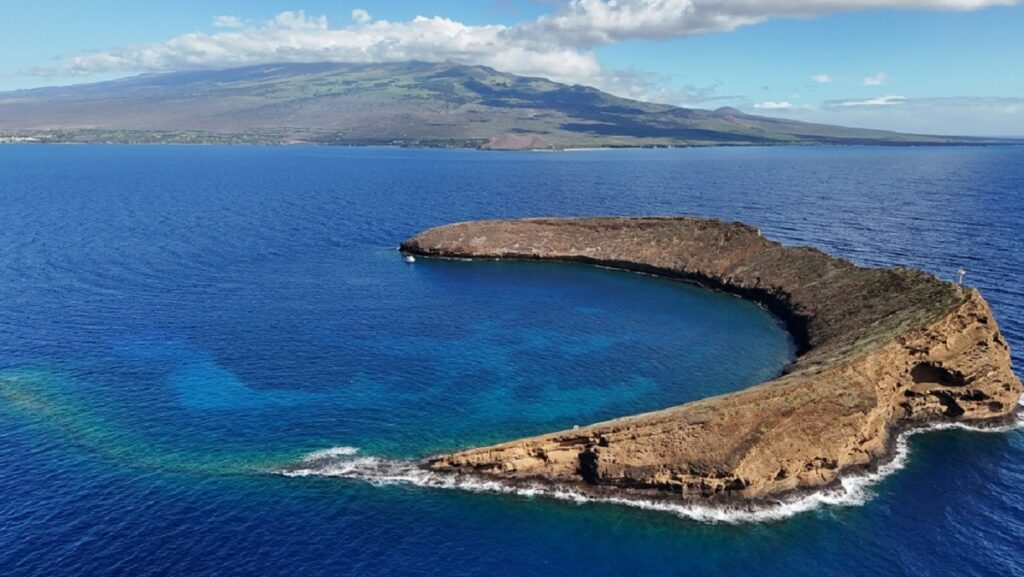
The waters surrounding Molokini boast 100+ feet of visibility, making it one of the clearest dive spots in the world. Divers can expect to see schools of butterflyfish, moray eels, octopuses, and even reef sharks cruising the lava-formed walls. With its sheer 300-foot drop-off, the crater’s back wall is a breathtaking dive site for advanced divers looking for a deep adventure.
Spring is one of the best times to visit because humpback whales are still in the area, and you might even hear their songs while diving. With water temperatures around 75-78°F, it’s no wonder this is considered one of the best diving spots in the world.
2. Nellie’s Cove, Port Orford Heads State Park, Oregon – A Cold-Water Wonderland
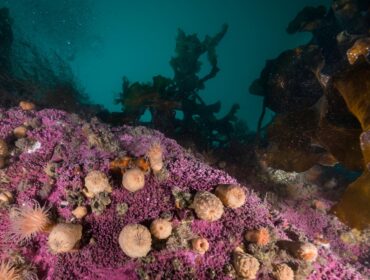
Nellie’s Cove in Oregon is a great choice if you’re up for something a little different. Unlike tropical reefs, this site features lush kelp forests, rocky reefs, and a stunning variety of marine life. Divers can encounter wolf eels, giant Pacific octopuses, and sea stars that can grow as large as dinner plates.

This hidden gem is only accessible by boat, adding to the adventure. Spring is a great time to dive here because the water is typically calmer than in winter, and visibility can reach up to 30 feet on good days. The water temperature hovers around 45-50°F, so a thick wetsuit or drysuit is a must.
While it may not be the best diving in the world for those who crave warm waters, Nellie’s Cove is an absolute treasure for cold-water divers and underwater photographers.
3. The Maze, Islamorada, Florida Keys – A Coral Wonderland
The Florida Keys are home to numerous world-class scuba diving destinations, but The Maze in Islamorada is one of the most captivating. This dive site is named for its intricate coral canyons and swim-through tunnels that create the sensation of exploring an underwater labyrinth.
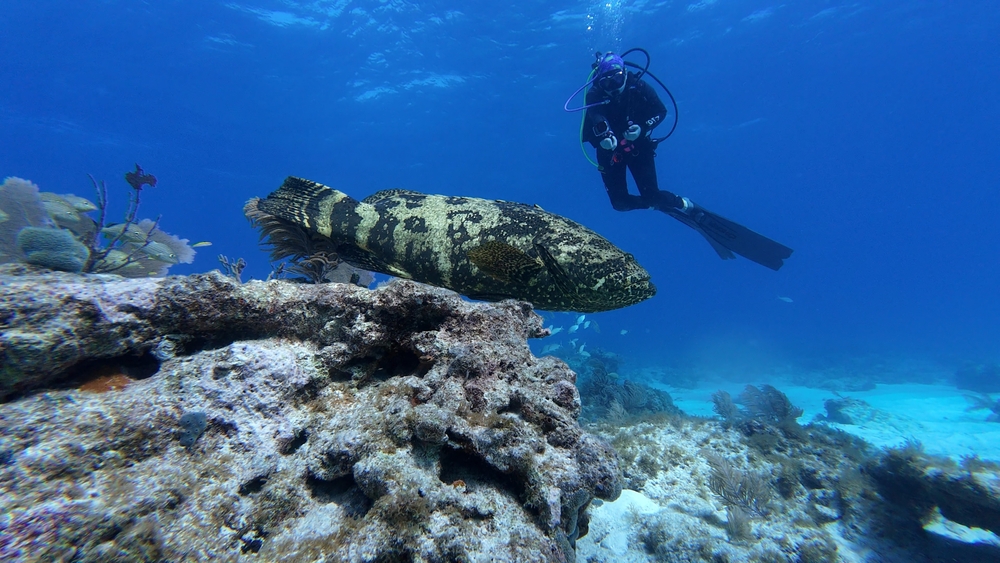
Spring is a fantastic time to visit, as the water temperature is around 75-80°F, and the marine life is thriving. The Maze is home to colorful sponges, angelfish, parrotfish, and even the occasional Caribbean reef shark. This site is relatively shallow (max depth of 50 feet), making it perfect for divers of all experience levels.
Islamorada is known for having some of the best diving in the world regarding healthy coral reefs, and The Maze is proof of that. It is the spot if you’re looking for an unforgettable reef dive this spring.
4. HMS Yukon, San Diego, California – The Ultimate Wreck Dive
Wreck divers, this one’s for you. The HMS Yukon, resting off the coast of San Diego, California, is one of the most extensive and most exciting artificial reefs in the U.S. This 366-foot Canadian warship was intentionally sunk in 2000, creating a massive underwater playground for advanced divers.
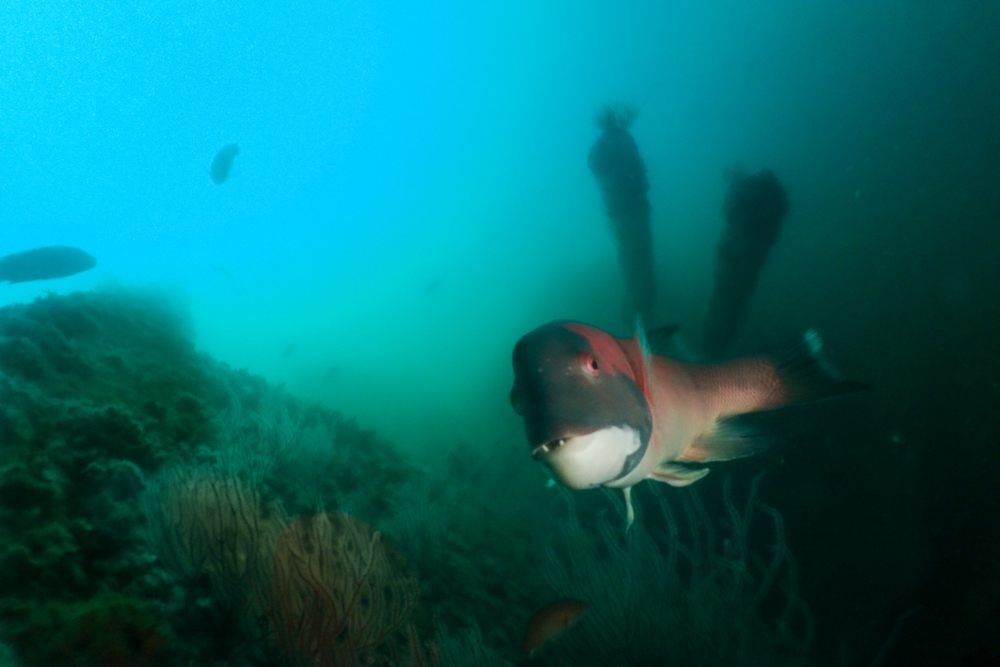
This is a deep dive that reaches a maximum depth of 100 feet. The shipwreck teems with marine life, including California sea lions, giant sea bass, vibrant anemones, and nudibranchs. The wreck itself is largely intact, providing many openings for exploration. However, ensuring you are trained in wreck penetration before venturing inside is essential.
“Dive travel insurance is a must. It covers unexpected cancellations, lost gear, and the unlikely but important case of decompression sickness.”
Spring is one of the best times to dive here because the Pacific waters are at their clearest, offering visibility up to 40 feet or more. While the cold water (50-55°F) requires a thick wetsuit or drysuit, the thrill of diving one of the most impressive wrecks in the U.S. makes it more than worth it.
5. Dutch Springs, Bethlehem, Pennsylvania – A Diver’s Playground
Yes, you read that right—Pennsylvania has one of the best diving spots in the world for training, freshwater exploration, and adventure diving. Dutch Springs is a spring-fed lake converted into a full-fledged dive park with sunken airplanes, school buses, and a fire truck.

Dutch Springs is distinctive because it appeals to divers of all levels. Whether you’re a beginner getting certified or an advanced diver practicing wreck penetration in a controlled environment, this place has something for everyone.
Spring is a great time to visit because the water temperatures are starting to warm up, typically ranging from 50 to 60°F. Visibility is at its best before the summer algae blooms begin. With depths ranging from 20 to 100 feet, Dutch Springs offers a unique and enjoyable diving experience this season, making it a safe choice for divers.
Essentials for Scuba Diving This Spring
Before you pack your bags and explore these amazing scuba diving places, ensure you have everything you need for a successful trip. Here’s what you shouldn’t leave home without:
- A well-fitted wetsuit: A lightweight yet protective wetsuit is necessary for divers heading to tropical scuba diving destinations. The Aqua Blue 3mm Men’s Springsuit Wetsuit is perfect for warm water, offering just enough insulation without restricting movement. Crafted from high-quality materials, it provides durability and flexibility for long dives. The anatomical cut pattern ensures a snug fit, and the YKK back zipper with a pull-tab leash makes it effortless to put on and take off.
- An effective dry suit: A high-quality one is necessary for divers tackling colder waters. Built with GORE-TEX waterproof technology, the Mustang Survival Sentinel Series Water Rescue Dry Suit provides unmatched protection against the elements. It features a quick self-repair capability, ensuring longevity and reliability. The Mobility-Based Sizing system allows for a semi-custom fit, ensuring maximum flexibility. With enhanced durability features, this dry suit withstands the harshest conditions. The SOLAS high-visibility safety markings increase visibility, making it an excellent choice for cold-water and technical divers.
- A good dive computer: A reliable one is essential for tracking depth, time, and safety stops. The Shearwater Peregrine Dive Computer Console delivers real-time dive data on a vivid 2.2-inch LCD screen, making it easy to read underwater. It caters to various divers and is designed for Air and Nitrox diving. The state-of-the-art Northern Compass integration ensures accurate navigation. Unlike many dive computers, this one offers no-lockout assurance, so you stay in control even if you deviate from the dive plan.
- Reef-safe sunscreen: Spending time on the water means exposure to intense sunlight, so sunscreen is non-negotiable. The Stream2Sea SPF 40 Sport Sunscreen Zinc Balm offers broad-spectrum UV protection, shielding your skin from harmful rays. This water-resistant formula stays on through long dives and surface intervals. It’s also reef-safe, ensuring that fragile marine ecosystems remain unharmed. Unlike chemical sunscreens, its mineral-based ingredients make it ideal for sensitive skin.
- A surface marker buoy (SMB): When diving in open water or under drift diving conditions, a surface marker buoy (SMB) is crucial for ensuring that boats can see you when you ascend. The Akona Surface Marker Buoy with Lights is designed for high visibility, featuring a bright orange color and a height of 6 feet to stand out on the surface. It is made from durable 210D TPU fabric and is built to withstand rugged conditions. Additionally, it includes a replaceable LED light strip powered by AAA batteries, enhancing visibility during low-light or night dives. The buoy also features a mouthpiece for easy inflation and a snap clip for convenient attachment.
Final Thoughts
Spring is the perfect time to explore some of the best scuba diving in the world—and you don’t even need a passport. Whether you’re gliding through Hawaii’s volcanic reefs, Florida’s coral mazes, or California’s deep wrecks, the right gear makes all the difference. A quality wetsuit, a reliable dive computer, reef-safe sunscreen, and a high-visibility surface marker buoy ensure safety and comfort on every dive.
With the essentials covered, all that’s left is to take the plunge. So gear up, dive in, and make this spring one to remember beneath the waves!
Frequently Asked Questions
Absolutely! The water starts warming up, visibility is fantastic, and you can enjoy great diving without the summer crowds.
Yes! Most of the best dive sites require at least an Open Water Certification (OWC). However, advanced dives (like the Blue Hole or Galápagos) may require advanced open water or specialty certifications.
Yes! Water temperatures vary widely depending on location. For example. In Florida, you can be OK with a 3mm wetsuit, but in California, you require at least a 7mm wetsuit or a drysuit for colder waters.
Yes! The Florida Keys and Monterey Bay offer excellent beginner dive sites with easy shore entries and mild conditions.
Liveaboards are a game-changer if you want to maximize your dive time and reach remote sites. Plus, waking up to a new dive site daily is pretty epic.