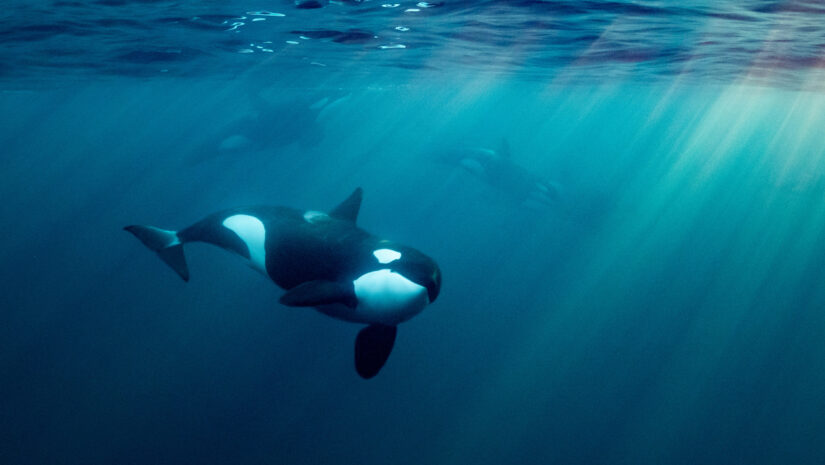
Have you ever gazed upon an underwater photography masterpiece and felt your breath simply taken away? There’s an undeniable magic to capturing the serene beauty of the deep, a way to freeze moments of wonder that transcend the ordinary. Taking breathtaking photos while diving isn’t just about preserving memories of an incredible descent; it’s about translating the extraordinary experiences you’ve had into tangible art, allowing you to share the awe-inspiring underwater world with those who weren’t fortunate enough to witness it firsthand.
The realm beneath the waves is a place of endless fascination; unique, stunning, and often wonderfully bizarre. As divers, you are the privileged few who get to experience it up close and personal. Everyone else relies on the stunning images crafted by talented underwater photography enthusiasts to truly grasp its magnificence. If you’re ready to embark on your journey to becoming a skilled underwater photography artist, we’ve got all the essential insights to get you started. So, let’s get snappy!
Mastering the Art Beneath the Waves
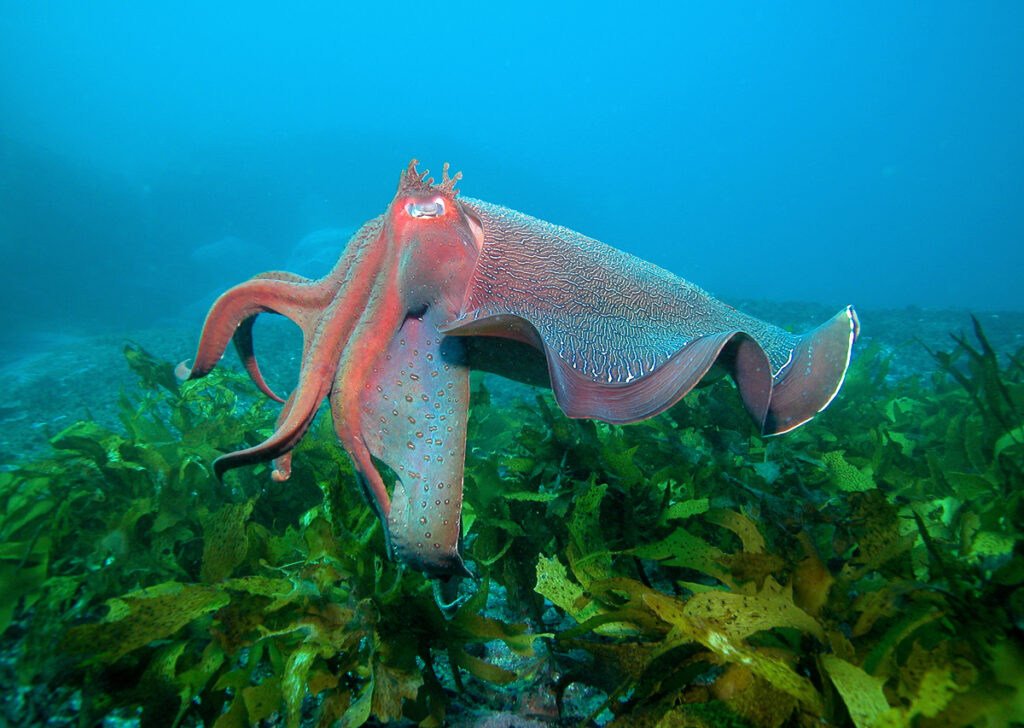
Becoming a proficient underwater photography expert might look effortless when you see professional work, but it demands a blend of refined diving abilities and keen photographic instincts. To truly excel, you’ll need to master several key skills that go beyond just pointing and shooting. Foremost among these is buoyancy, often the most overlooked yet crucial skill for aspiring underwater photography practitioners.
Perfect buoyancy isn’t just beneficial for your personal safety; it’s vital for protecting the delicate marine ecosystem and ensuring crystal-clear shots. Kicking up sand due to poor buoyancy will inevitably lead to foggy, unappealing photographs and can disturb or even damage the fragile homes of marine life. Therefore, achieving confidence and precision in your buoyancy control is paramount before you even consider bringing a camera on a dive. Fortunately, specialized courses are available to help you perfect this essential skill. Beyond buoyancy, thoroughly understanding your camera is non-negotiable.
Practice extensively with your equipment on dry land until its operation feels intuitive. When you’re submerged, your focus needs to remain on essential dive practices like monitoring your air, depth, and no-decompression limits, all while staying close to your buddy. Good scuba diving habits must always take precedence over the pursuit of the perfect shot, ensuring both your safety and the well-being of the marine environment. Finally, consider exploring new finning techniques. Learning to fin backward, for instance, is an invaluable maneuver in underwater photography. This allows you to position yourself precisely for a close-up shot of a coral or rock formation and then gently retreat without having to turn your entire body, making for smoother transitions and less disturbance.
Essential Gear for Your Underwater Photography Journey
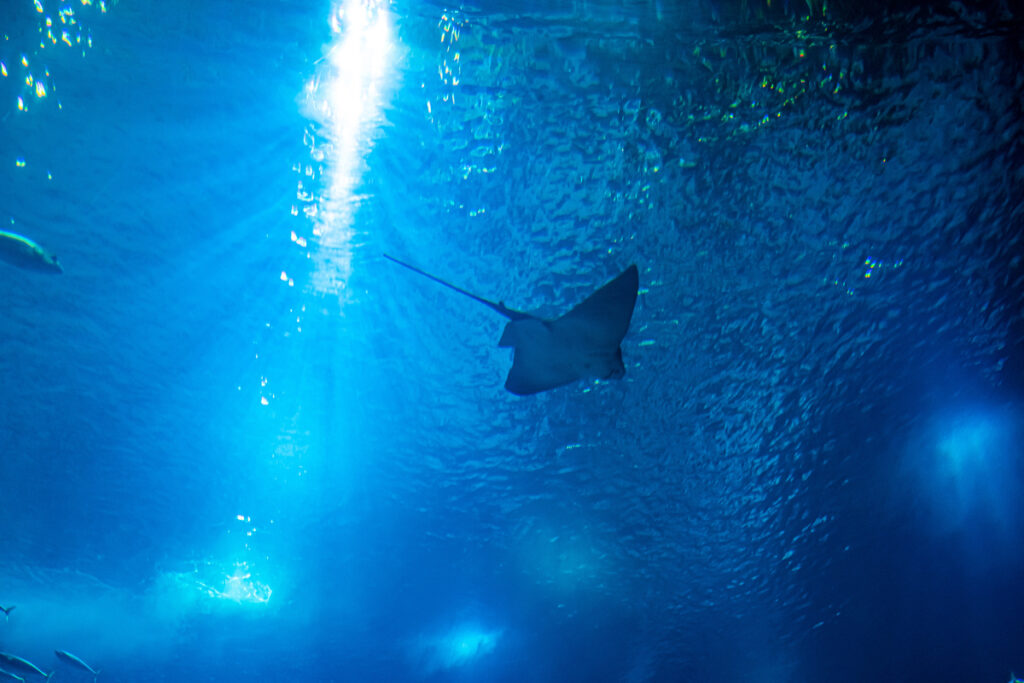
You can’t embark on an underwater photography adventure without the right tools. Your camera is, of course, the central piece of equipment, and thankfully, there are numerous options to suit every budget. For beginners, a simple, waterproof compact camera is an excellent starting point. Many models can comfortably descend to around 20 meters (65 feet) without the need for additional protection, are easy to handle, straightforward to operate, and capable of producing surprisingly beautiful underwater images. However, if your ambition is to elevate your underwater photography to a professional level, a DSLR or mirrorless camera, when paired with a specialized housing, will offer superior resolution and a wider array of adjustable settings for truly perfect pictures. This brings us to the underwater housing itself, an absolutely essential piece of equipment.
This protective casing shields your camera from the water and can even extend the depth capabilities of inherently waterproof cameras. For DSLR/mirrorless users, an external strobe or flash is crucial for minimizing backscatter and restoring lost colors at depth; ensure it’s positioned correctly, away from your camera housing, for optimal results. Different lenses offer diverse creative possibilities for underwater photography, such as a macro lens for capturing intricate details on tiny subjects or a dome port for a wide, fish-eye effect. Always confirm that your chosen housing is compatible with your lenses before making a purchase.
Color-correcting filters are another valuable addition, designed to counteract the color absorption that occurs deeper underwater, preventing reds from appearing brown and toning down excessive blues and greens. Lastly, a large memory card is a must-have to ensure you have ample space for all your fantastic underwater photography captures.
Safety First: Nailing the Shot Responsibly
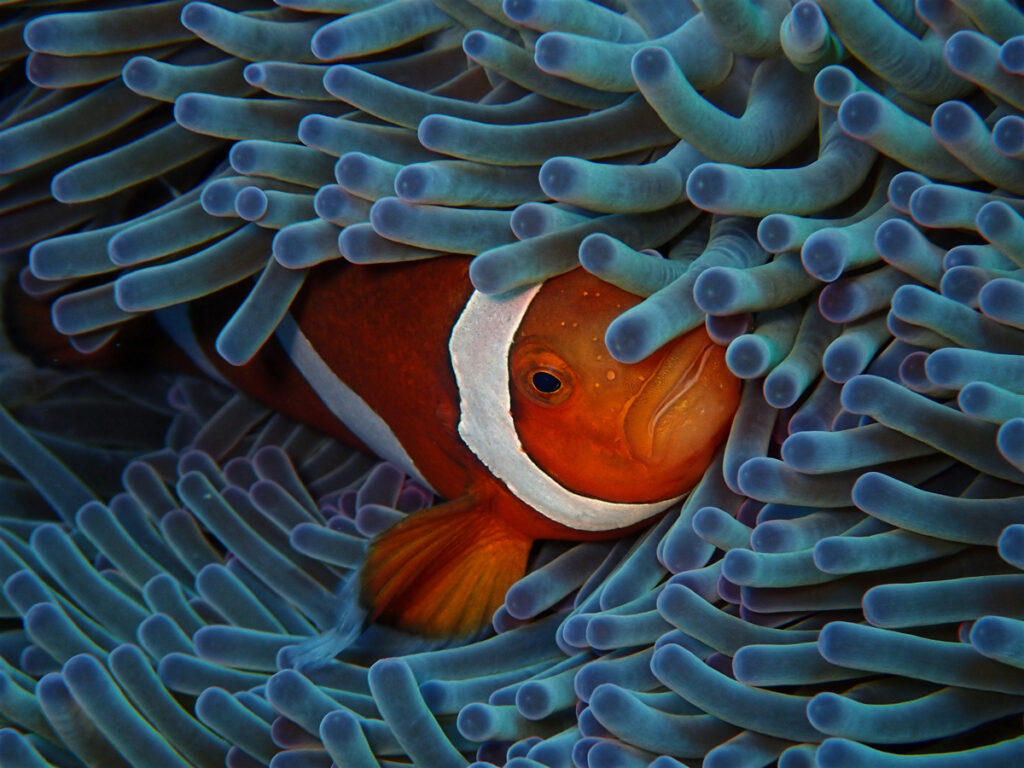
While the pursuit of the perfect underwater photography shot can be exhilarating, it’s dangerously easy to become so engrossed that you momentarily forget crucial safety protocols. Always remember that your well-being and the protection of marine life must remain your top priorities. A fundamental rule learned in your Open Water course is to never touch marine life. Not only can touching certain species be hazardous to you (think stings, burns, or bites), but it can also inflict harm on delicate fish and corals, as your skin carries bacteria that are potentially detrimental to their health. As tempting as it might be to gently hold onto a coral for stability or try to coax a shy creature out of its hiding spot for a better picture, remember that their welfare, and yours, is far more important than any photograph.
You are a Visitor in Their Home
The same principle applies to chasing sea creatures; if they wish to retreat, allow them to do so. After all, you are a visitor in their home. Maintaining neutral buoyancy is also vital for your safety during underwater photography. If you become too distracted by your camera, you might unknowingly ascend too quickly, potentially missing your safety stop or even dangerously surfacing into boat traffic. Mastering buoyancy ensures you remain safe and in control. Be mindful of your fins; in your concentration, you could accidentally kick a fellow diver in the face, leading to a lost mask or, at the very least, a reluctance for them to dive with you again.
Always strive to stay streamlined, keeping your underwater photography equipment tucked close to your body. This not only protects delicate corals and prevents stirring up sand but also safeguards your valuable gear from accidental damage. Finally, use your flash with care. No great shot is worth stressing out a sea creature. Avoid shoving your camera directly into an octopus’s face and blinding it with a flash, then expecting it to patiently pose. Wonderful underwater photography is absolutely achievable even without constant flash use.
Elevating Your Underwater Photography Skills
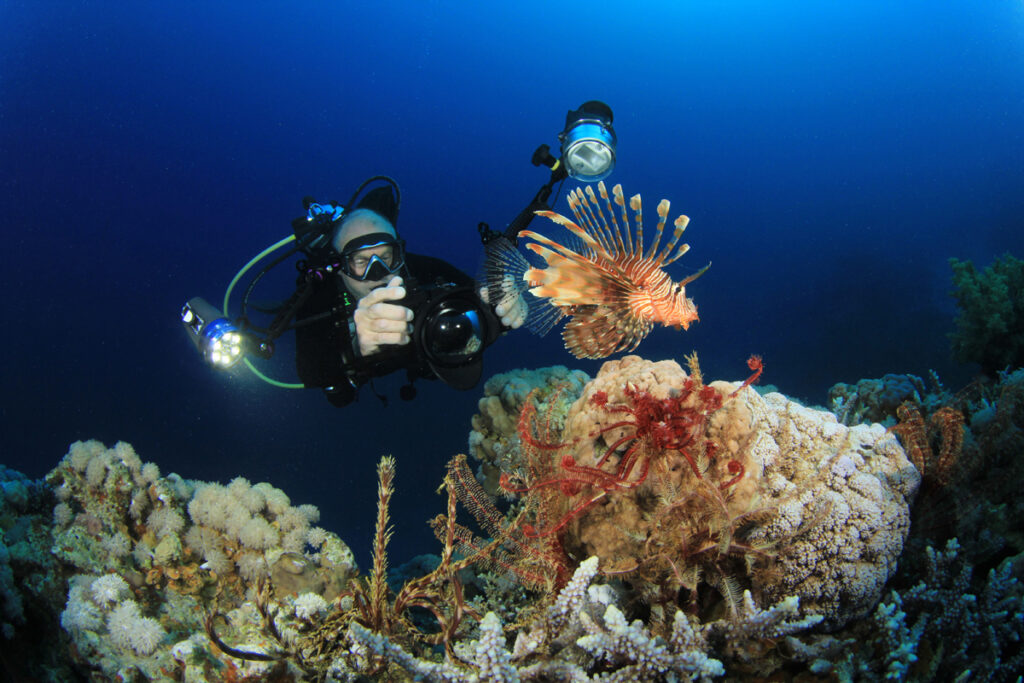
Once you’ve firmly grasped the fundamentals, you’re ready to refine your techniques and transform good underwater photography into truly exceptional underwater photography. Begin by deepening your understanding of marine life. Photographs of rare or unique creatures often hold the most value for viewers, and by learning which animals and corals to seek out, you can capture something truly special. This knowledge will also guide you to locations where specific species are more likely to be found. Immerse yourself in underwater documentaries and films; these productions showcase the incredible underwater world in stunning high definition, providing immense inspiration and offering insights into compelling angles and compositions.
Follow other accomplished underwater photography artists on social media. Their work can be a constant source of inspiration and offer valuable tips and tricks. Learning how to edit your photographs is another game-changer. Post-processing can make an image truly “pop,” allowing you to fine-tune colors, contrast, saturation, and more. Investing in good editing software like Lightroom or Photoshop is a wise decision for any aspiring underwater photography enthusiast. When shooting subjects with eyes, always prioritize focusing on them; this is where a viewer’s gaze will naturally be drawn first, making clarity here paramount. For optimal composition, try to get low and shoot at an upward angle, aiming to fill your frame with the subject.
The Importance of Light and Color
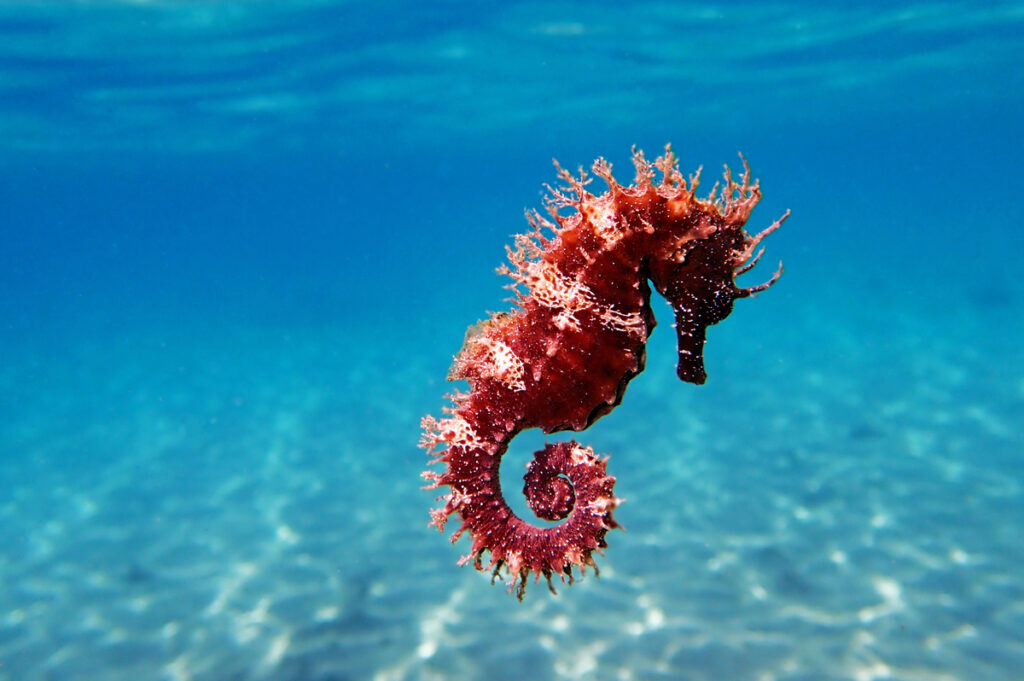
If using a flash or strobe, set your camera to auto white-balance. When shooting without a flash, utilize custom white balance or the underwater mode. If your camera offers manual or aperture priority modes, learn how to use them to control the delicate balance between natural ambient light and the light from your flash. And if you’re relying solely on natural light, aim to photograph in 6 meters (20 feet) of water or less, with the sun positioned behind you for the best results in underwater photography.
Go Out and Create
Now you have all the information you need to embark on your journey and become an incredible underwater photography enthusiast. What breathtaking underwater scenes are you excited to capture first?