Not ready to drop thousands on a full set of scuba gear yet? Renting makes total sense. Whether you want to save money, avoid baggage fees, or simply skip dragging a heavy gear bag through the airport, renting gives you a great alternative to buying everything up front.
What You Should Buy
Mask, Fins, and Snorkel
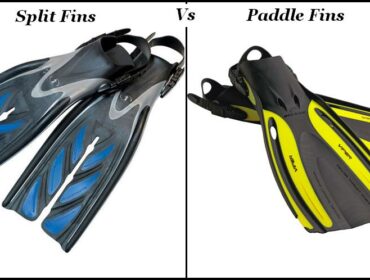
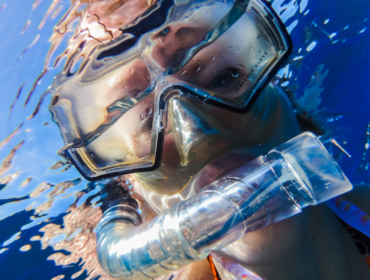
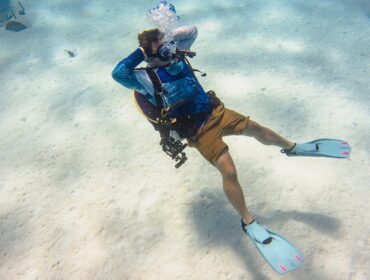
We always tell divers to buy their own mask, fins, and snorkel. You might ditch the snorkel on deep dives, but you will definitely want it for a leisurely swim off the shore. Plus, you can only get a perfect, leak-free mask fit by picking your own! The experts at PADI echo this in their recent Buy vs. Rent Scuba Equipment guide, noting that renting basic gear just eats up your budget over time, and owning a fitted mask prevents a miserable, leaky dive.
Diveskins or Wetsuits
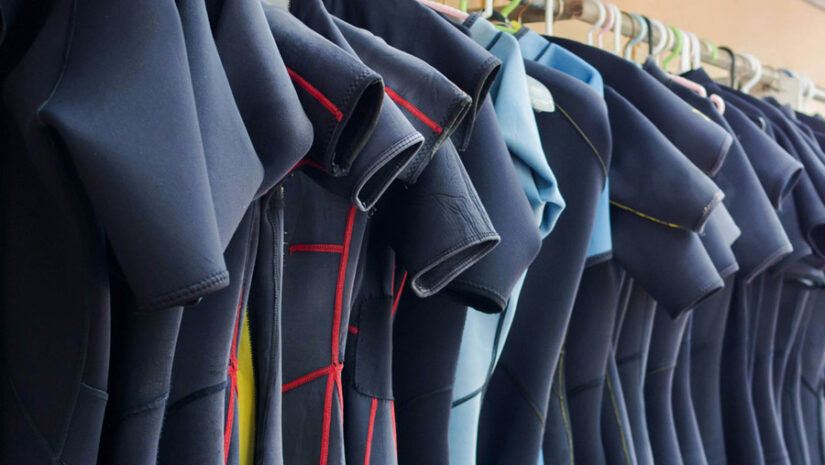
If you catch a chill easily (even in warm water!), you should buy your own exposure protection. Lycra diveskins, rashguards, shorties, or full wetsuits easily justify the purchase price. Dive shops put rental suits through a ton of wear, which degrades the neoprene’s insulation and often leaves a funky odor. If you travel light and don’t mind what the shop offers, go ahead and rent. But bringing your own suit definitely beats shivering underwater.
Dive Computer
You should strongly consider buying your own dive computer. Basic models cost as little as $150 and easily do the trick for safe diving. Divers Alert Network (DAN) points out in their Renting Dive Gear report that you must intimately understand your computer’s screen, beeps, and alarms. Trying to learn a rental computer’s menus on the fly causes dangerous confusion while you dive.
What You Can Rent
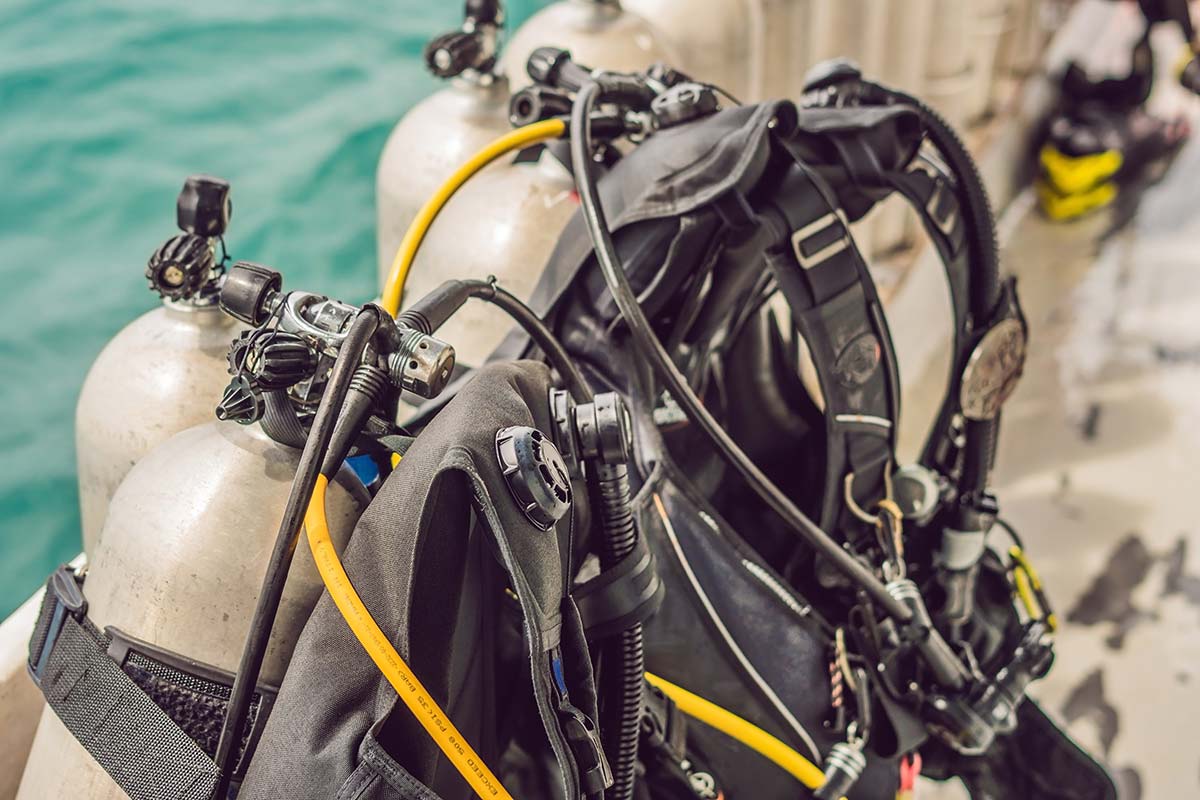
You probably want to rent the high-cost, heavy-duty items. Since these pieces act as your core life support underwater, you must approach rentals with caution. Always test your gear at the dive shop before you leave.
BCD (Buoyancy Control Device)
When you rent a BCD, check the fit first. It should hug your torso snugly. Not too loose, not too tight. Test the inflator and dump valves to make sure they work smoothly. Ask the shop staff for a quick walkthrough if the setup feels unfamiliar. You need to know exactly where your buttons live so you don’t fumble for them when you badly need to adjust your buoyancy.
Regulator
Your regulator serves as your primary life support, so you must examine it thoroughly. Ask the dive shop to help you test it. They know your life is on the line, so they will gladly help you check it out. (Your depth gauge, pressure gauge, and compass usually come attached). DAN recommends taking a quick “dry breath” from the mouthpiece before you even connect it to the tank — your mouth should create a tight vacuum and pull absolutely zero air through.
Weights & Tanks
Almost everyone rents tanks and weights rather than carrying heavy lead and steel across the globe. Dive shops rent these out everywhere, and you don’t have much to test on these pieces. Don’t stress over them… just grab them, do a quick visual check, and go dive!
Final Thoughts
Renting your scuba gear makes diving accessible and stress-free, especially when you are just starting out or traveling light. Just remember the golden rule: always buy the personal items that demand a perfect fit, and never hesitate to thoroughly test the heavy life-support equipment you rent. Your safety and comfort dictate exactly how much fun you have underwater!
Planning your next dive trip out of New York? Skip the hassle of tracking down reliable equipment from unknown shops. You can grab high-quality, fully serviced rental gear right in the city before you even pack your bags. Check out Scuba.com’s NYC Rental Gear to reserve top-tier BCDs, regulators, and tanks for your next adventure. Dive safe, and enjoy the water.