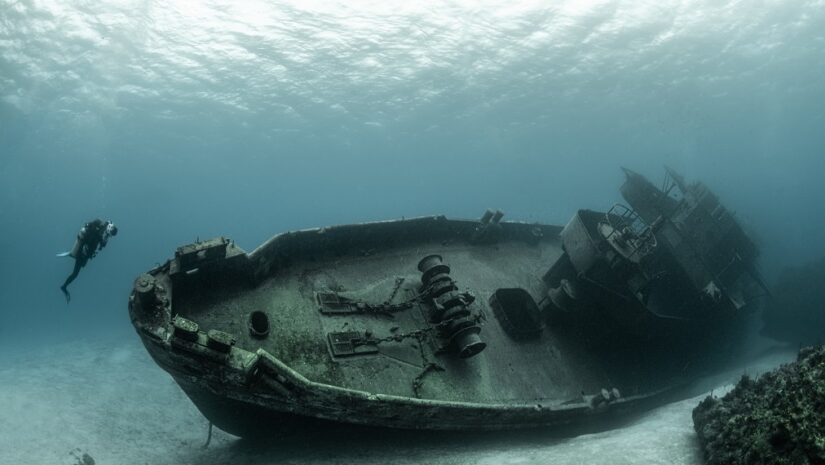
Wreck diving is one of the most captivating branches of recreational diving because it blends exploration, history, and natural beauty in a single experience. There is something powerful about descending through open water and watching the shadow of a ship or aircraft appear beneath you. The shape becomes clearer as you approach, the textures of metal or wood reveal themselves, and schools of fish drift through the structure as if they are guiding you through a story written long ago. For many divers, this feeling is unforgettable. Wrecks naturally inspire curiosity and offer a sense of adventure that keeps people returning again and again.
The good news for new divers is that you do not need advanced training to enjoy your first wreck. Many wrecks are suitable for beginners and offer open exterior routes that do not require entering tight spaces. These sites provide stunning photo opportunities, a glimpse into the past, and a safe environment to build skills that prepare you for deeper or more complex wreck dives later in your journey. With the right preparation and understanding, your first wreck dive can be both safe and exciting.
Why Wreck Diving Captures So Many Divers
Wrecks tell stories. Some sank during powerful storms. Others went down during wartime events that shaped history. Many were placed intentionally as artificial reefs to help marine life flourish. Every wreck has a background, whether dramatic or peaceful, and learning about each site adds an emotional layer to the experience. It feels as if you are visiting a quiet museum that nature has slowly reclaimed.
Marine life adds another layer of interest. Over time, wrecks transform into thriving habitats. Coral covers metal beams, sea fans attach themselves to old railings, and fish weave through passageways that once served human purposes. What was once a ship or aircraft becomes a living ecosystem. This blend of nature and human structure creates a scene unlike any other underwater environment.
For many beginners, the magic is in the contrast. You see strong shapes softened by nature, shadowed spaces lit by beams of sunlight, and the calm feeling of drifting along a piece of history. Wreck diving invites you to slow down, look closely, and let the story unfold at its own pace.
Types of Wrecks Beginners May Explore
Wrecks vary widely in size, depth, and condition. These differences shape the kind of experience you will have.
Open water friendly wrecks
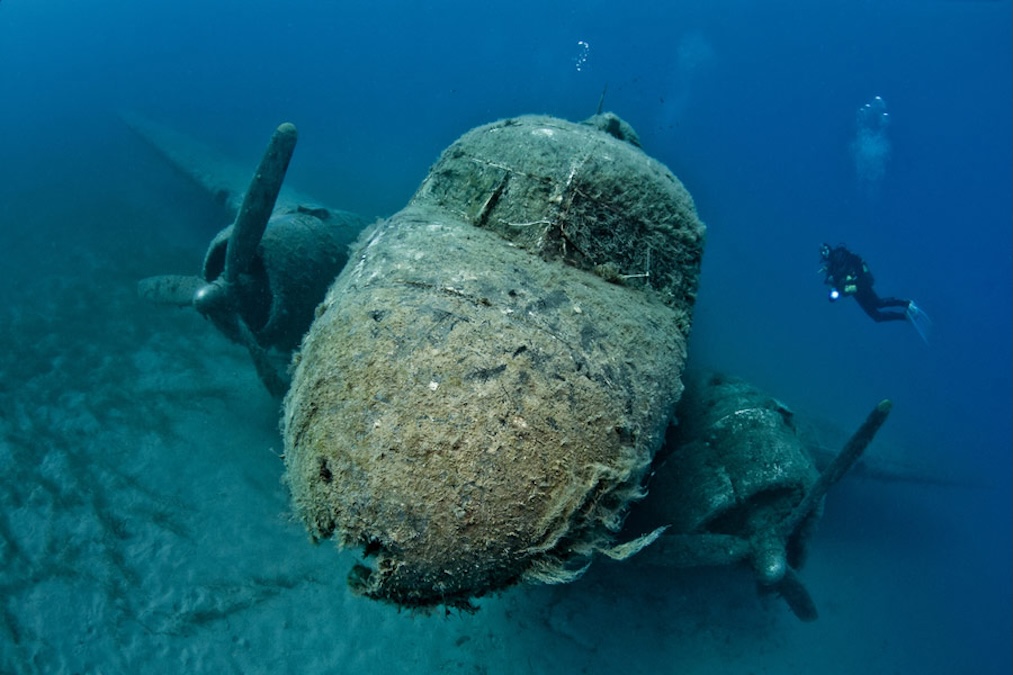
These are ideal for beginners. They sit in moderate depths and offer safe exterior viewing. You can swim around the hull, examine the deck, and peer inside large openings without entering confined areas. These wrecks provide a clear sense of structure while keeping you in open water.
Artificial reef wrecks
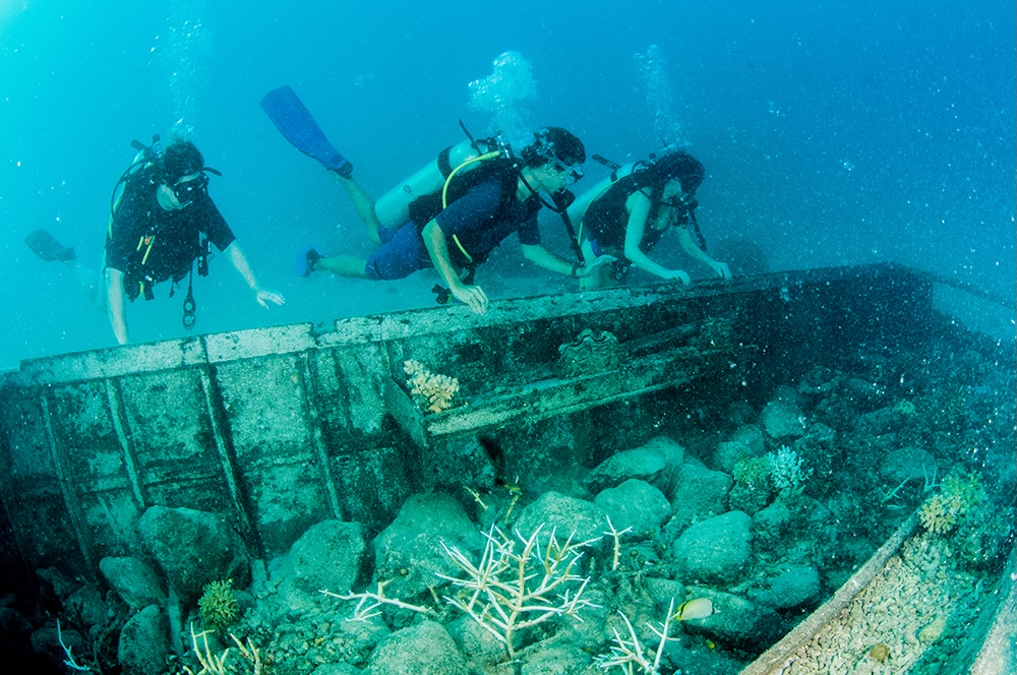
Many modern wreck sites began as intentional sinkings designed to create habitats or diving attractions. Because they are cleaned and prepared ahead of time, they often have fewer hazards and a simple layout. These sites are among the most popular for training dives and beginner experiences.
Historic wrecks
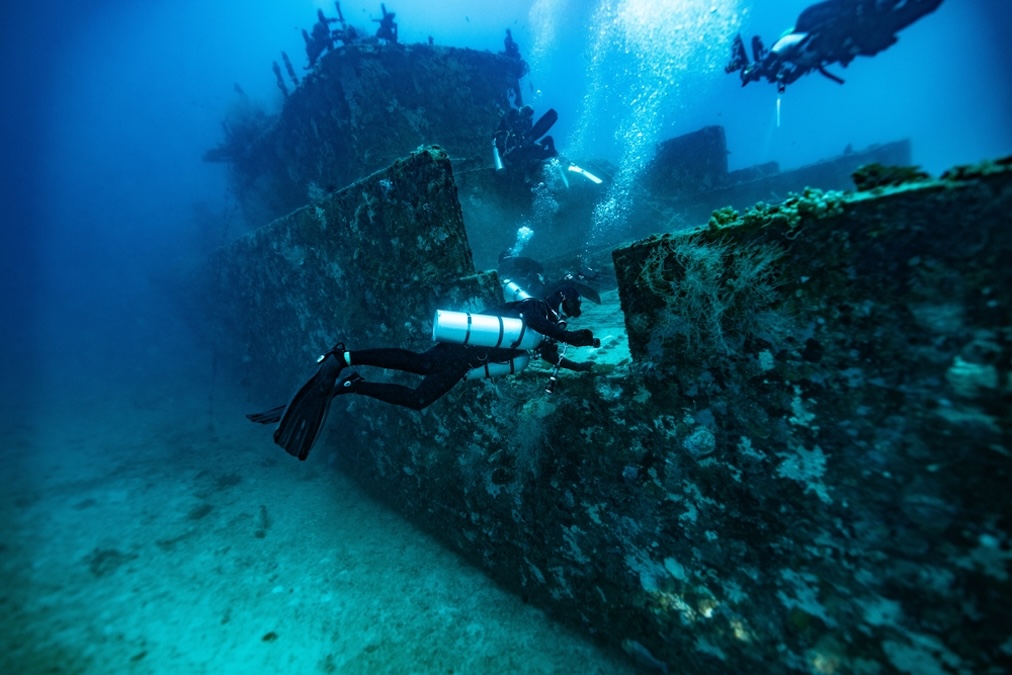
Some wrecks carry deep cultural or historical significance. They may rest deeper or in areas with changing conditions. Beginners can still visit historic wrecks but usually stay along the outside until they receive additional training. Viewing these wrecks from the exterior still provides an engaging experience.
Fragmented or broken wrecks
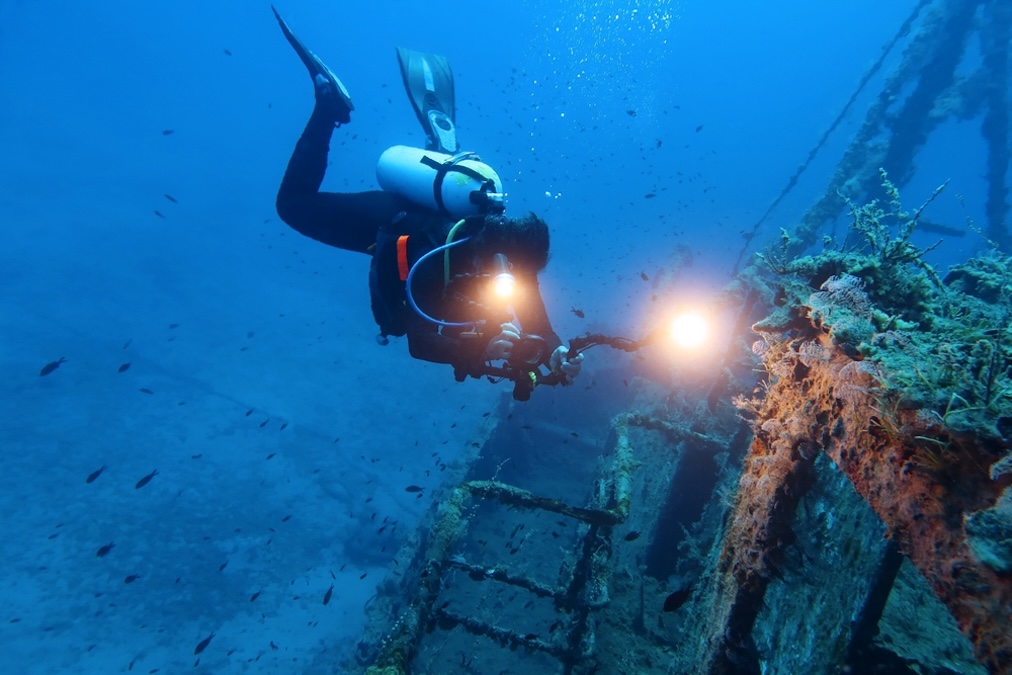
Some older wrecks no longer resemble intact ships. Instead, they form fields of scattered structures that host rich marine life. Beginners often enjoy these because they are easy to navigate and offer interesting shapes to explore.
Skills To Build Before Your First Wreck Dive
Wreck diving is not the same as reef diving. Wrecks have corners, shadows, and surfaces that require careful movement. Before attempting your first wreck, build a set of core skills.
Buoyancy control
Strong buoyancy is essential. Wrecks often sit on soft bottoms that release clouds of silt when disturbed. Poor buoyancy can reduce visibility and make the dive uncomfortable. Good control also helps you avoid accidental contact with fragile or sharp surfaces.
Trim and kicking technique
A flat body position helps you glide smoothly and stay balanced. Gentle kicks, such as a frog kick, reduce the chance of stirring up the bottom. These habits support safe movement and protect the wreck environment.
Navigation awareness
Wrecks can create shadows and shapes that feel different from natural reefs. Stay mindful of your direction, follow your guide, and track simple visual markers as you move. Even when you stay on the outside, learning to orient yourself is helpful.
Air and depth tracking
Many wrecks rest a bit deeper than common reef sites. You must monitor your air supply and no decompression limits with consistent checks. Building this habit improves safety and confidence.
Gear That Makes Wreck Diving Easier
Basic recreational SCUBA gear is enough for simple exterior wreck dives, but a few extra items will make the dive more enjoyable.
Dive light
A light helps you look into openings and adds color to surfaces that appear dull in natural light. Even shallow wrecks look brighter and more defined when illuminated.
Cutting tool
Wrecks may hold fishing lines, thin cables, or ropes. A line cutter or small shears gives you a simple way to free yourself if you encounter entanglement hazards.
Surface marker buoy
A marker buoy helps boats spot you if you surface away from your planned exit point. It also adds a layer of safety in areas with traffic.
Optional gloves
Some regions allow gloves to protect your hands from rough surfaces. Always check local regulations, as some areas restrict glove use to prevent handling of marine life.
Exposure protection
Many wreck dives occur in cooler water, especially in temperate regions. A well fitted wetsuit or drysuit helps you enjoy longer and more relaxed dives.
Safety Guidelines for First Time Wreck Divers
Wrecks can be incredibly enjoyable when approached with patience and care. Follow these simple guidelines to create a safe and rewarding experience.
Stay outside the wreck
Penetrating a wreck requires specialized training, including line use, extra lights, and confined space procedures. Beginners should explore only the exterior. There is plenty to see from the outside, and your safety remains well supported.
Move slowly
Rushing increases the chance of kicking silt, bumping into surfaces, or missing important visual cues. Slow movement improves stability and helps you fully enjoy the atmosphere of the wreck.
Maintain distance
Avoid touching the wreck unless necessary. Structures weaken over time, and some surfaces may break if grabbed. Keeping a short distance protects both you and the site.
Follow your guide
A guide understands the layout, current patterns, and best swim routes. Stay close and maintain clear communication. This reduces confusion and keeps the dive flowing smoothly.
Respect the wildlife
Many animals treat wrecks as shelter. Give them space, avoid chasing them, and enjoy observing their natural behavior.
What You Can Expect on a Beginner Wreck Dive
Your descent often begins with a faint outline of the wreck that slowly becomes more defined as you approach. The moment when the structure first comes into focus is often the highlight for beginners. Details such as railings, portholes, or deck lines may appear one by one, creating a sense of anticipation.
Once you reach the wreck, you can begin exploring its exterior. You might find large openings that reveal interior rooms, engine blocks, winches, anchors, or broken beams that hint at the story of the vessel. Light filtering through these spaces creates striking patterns and makes each part of the wreck feel almost theatrical.
Marine life varies with location, but many wrecks host dense populations of fish, soft corals, sponges, and crustaceans. Schools may hover above the wreck, while shy animals hide inside overhead structures. Every wreck creates its own ecosystem, and exploring these relationships adds depth to the dive.
The sensation of moving around a wreck is distinct from reef diving. Straight lines, sharp angles, and repeating structures make the dive feel more like exploring a place built by people rather than shaped by nature. This difference gives wreck diving a sense of purpose and narrative that many divers enjoy.
Protecting Wreck Sites for the Future
Wrecks hold cultural value and support marine ecosystems. Divers must treat them with respect. Avoid removing artifacts, since doing so damages the historical record and disrupts the site. Do not force your way into fragile areas or rest equipment on coral growth. Good diving habits ensure that wrecks remain healthy and accessible for future generations.
Responsible wreck diving also builds a stronger diving community. When beginners learn to appreciate wrecks with care, they set a good example for others and help preserve these unique environments.
Growing Your Skills Toward Advanced Wreck Diving
If your first wreck dive inspires you, consider taking a formal wreck diving course. These programs teach advanced buoyancy techniques, line use, penetration planning, and emergency procedures. They also cover equipment setups designed for confined spaces. Training allows you to explore enclosed areas safely and understand how to manage risks that come with overhead environments.
As you gain experience, you can explore more complex wrecks or deeper sites with confidence. The progression from open water friendly wrecks to guided penetration dives is gradual, rewarding, and rooted in safety.
Final Thoughts
Wreck diving invites you to explore underwater history while enjoying the vibrant life that grows over time. For beginners, the experience offers a mix of education, adventure, and quiet beauty. With strong foundational skills, proper guidance, and respect for the environment, you can enjoy safe and memorable wreck dives that become highlights of your diving journey.