Can I Wear My Prescription Lenses While Scuba Diving?

Can I Wear My Prescription Lenses While Scuba Diving?

Written by Samir Parekh
|
Published on February 4, 2026
Can I Wear My Prescription Lenses While Scuba Diving

If you wear glasses or contact lenses, you may wonder: “Can I still scuba dive safely?” The short answer is yes, but you can’t dive with regular eyeglasses under your mask. This guide covers whether you can wear prescription lenses while diving, the alternatives available, and tips to help you see clearly underwater.

Why You Can’t Wear Glasses Under a Dive Mask

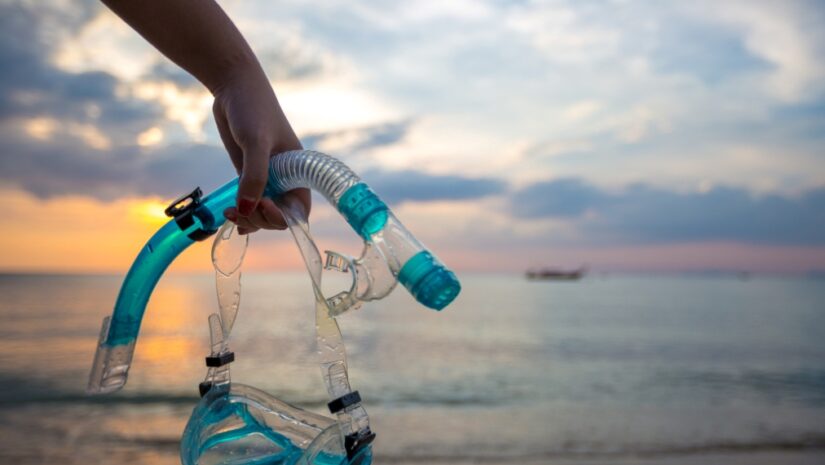
Scuba masks must form a watertight seal around your face. Regular glasses break that seal because of the temples (the arms of the glasses). This allows water to leak in, making them impractical and unsafe for diving.

Instead, divers use special solutions like prescription masks, corrective lenses, or contact lenses designed for underwater use.

Prescription Options for Scuba Divers

Prescription Dive Masks

Prescription Dive Masks
  • What they are: Masks fitted with prescription lenses, similar to glasses.
  • Best for: Divers who need strong correction or who wear glasses daily.
  • Pros:
    • Clear, sharp vision underwater.
    • No need for contacts.
    • Wide range of lens strengths available.
  • Cons:
    • More expensive than standard masks.
    • May require custom ordering.

Many brands like TUSA, Scubapro, and Cressi offer prescription-ready masks or models that accept corrective lenses.

Drop-In Corrective Lenses

Drop-In Corrective Lenses
  • What they are: Interchangeable lenses that fit into certain mask models.
  • Best for: Divers with standard prescriptions (not extreme corrections).
  • Pros:
    • Cheaper than custom masks.
    • Easy to install and replace.
  • Cons:
    • Limited prescription ranges.
    • May not suit complex corrections like astigmatism.

Popular models include the TUSA Freedom Ceos or Mares X-Vision masks, both compatible with corrective lens inserts.

Contact Lenses

Contact Lenses
  • What they are: Soft disposable contacts worn under your dive mask.
  • Best for: Divers who already wear contacts comfortably.
  • Pros:
    • Affordable and easy to use.
    • No need for a prescription mask.
    • Daily disposables reduce infection risk.
  • Cons:
    • Risk of losing lenses if water floods your mask.
    • Higher risk of eye irritation or infection with hard lenses.

Tip: Always use soft daily disposables when diving. Avoid hard or gas-permeable lenses, as they may cause discomfort during pressure changes.

Magnifying Stick-On Lenses

Magnifying Stick-On Lenses
  • What they are: Adhesive lenses that stick to the inside of a mask, acting like reading glasses.
  • Best for: Divers with presbyopia who only need help reading gauges.
  • Pros:
    • Inexpensive.
    • Easy to apply and remove.
  • Cons:
    • Limited to magnification for close-up vision.
    • Can sometimes peel off in warm water.

Surgical Options (LASIK/PRK)

Surgical Options (LASIK/PRK)

Some divers choose corrective eye surgery to eliminate the need for glasses or contacts altogether. While effective, this option requires consulting your doctor and waiting several weeks post-surgery before diving.

Tips for Diving with Prescription Lenses

  • Test Your Mask on Land: Make sure it seals well before getting in the water.
  • Carry a Backup: Bring spare contacts or an extra mask if traveling.
  • Practice Mask Clearing: Be comfortable removing and replacing your mask underwater if needed.
  • Avoid Rubbing Eyes: Especially if wearing contacts—this can cause irritation or displacement.
  • Check Compatibility: Not all masks accept drop-in lenses, so verify before buying.

Final Thoughts

The good news is that poor eyesight doesn’t mean you can’t scuba dive. While regular glasses won’t work underwater, there are plenty of effective alternatives—from prescription dive masks to contact lenses and stick-on magnifiers.

The right choice depends on your prescription, comfort, and budget. If you dive frequently, investing in a prescription mask is often the best long-term solution. If you dive occasionally, contacts or magnifying lenses may be enough.

No matter which option you choose, being able to see clearly underwater will make your dives safer, more enjoyable, and far more memorable.

FAQs: Diving with Prescription Lenses

Can I dive with my regular glasses?

No. The arms of the glasses break the seal of the mask, causing leaks.

Are prescription dive masks expensive?

They cost more than regular masks but are a worthwhile investment for divers with vision needs. Prices vary depending on custom work.

Are contacts safe for scuba diving?

Yes, if you use soft daily disposables. Avoid hard lenses due to potential discomfort during pressure changes.

Can I rent prescription masks from dive shops?

Some dive shops carry prescription rental masks, but availability is limited. It’s best to bring your own.

What’s the easiest option if I only need help reading gauges?

Stick-on magnifier lenses are an affordable and simple solution.

Will water magnification make my vision clearer without correction?

While water slightly magnifies objects (about 25%), it doesn’t correct vision problems like nearsightedness or astigmatism.

Samir-Parekh-profile500

Samir Parekh

Samir is an adventure sports enthusiast and loves seeking new challenges. Apart from being a regular tennis player, he is an avid skier, a paragliding pilot and often takes off to hike and trek in the mountains. His latest escapade was cycling through the rough terrains of Leh Ladakh in the summer of 2024. In […]