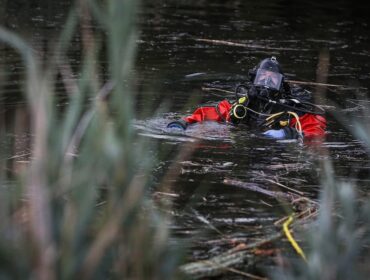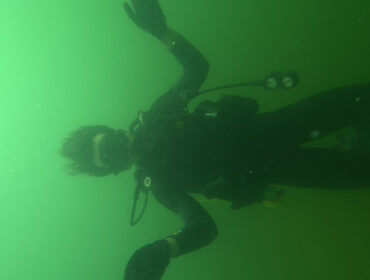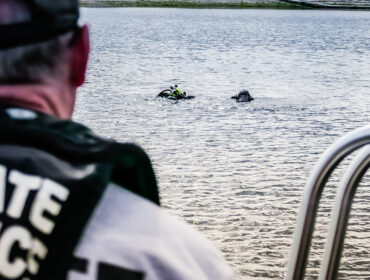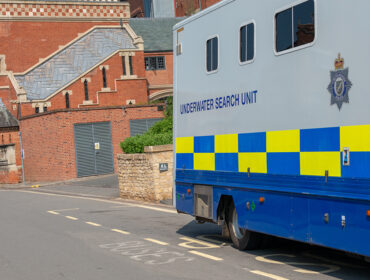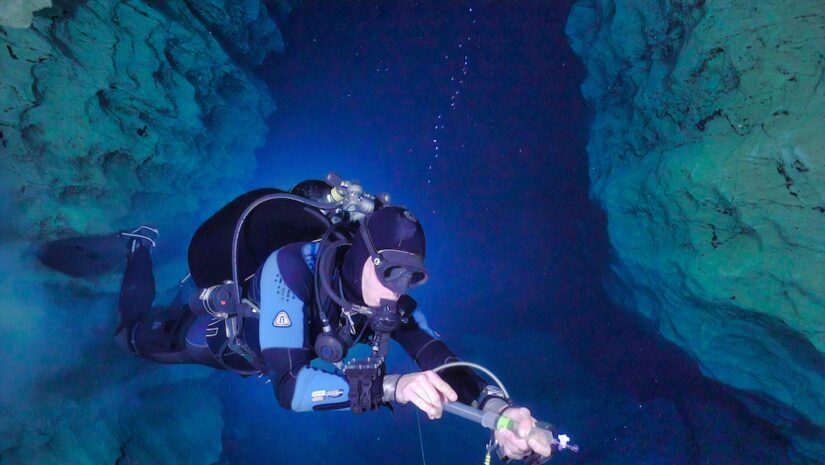
Public safety diving stands as one of the most demanding and critical professions in the world of search and rescue. The stakes? High. Visibility? Often zero. The risks? ever-present. Yup, many of us have been there, and often. Yet, every successful operation tells a story of exceptional skill, teamwork, and the use of specialized scuba equipment that can make or break a mission.
Through real-world case studies, we’ll highlight how essential scuba gear, innovative technologies, and robust safety protocols have shaped the outcomes of public safety diving operations.
The Challenges Below the Surface
Public safety divers aren’t just fighting time—they’re battling zero visibility, hazardous conditions, and immense psychological and physical stress:
- Operating in Zero Visibility Conditions: Divers often rely solely on touch and special tools to perform rescue or recovery tasks in murky waters.
- Hazardous Environments: Strong currents, contaminated waters, and confined spaces like caves or wrecks demand highly specialized training and equipment.
- Psychological Stress: Divers face tremendous pressure to perform effectively while dealing with traumatic scenarios, which can impact mental well-being.
- Fitness Demands: With physical activity just as intense as the situations themselves, divers must maintain peak fitness.
- Equipment Maintenance: Faulty or inadequately maintained equipment can lead to disastrous outcomes.
The takeaway? In public safety diving, effective risk management, cutting-edge tools, and proper training are critical. And the stories behind some missions demonstrate this beautifully.
Case Study 1: The Cost of Equipment Maintenance
When British music producer Karl Bareham tragically lost his life during a routine dive in Byron Bay, investigations revealed incomplete service logs for critical scuba gear. The uncertainty surrounding the equipment’s maintenance history raised alarm bells across the public safety community. This case underlines the life-and-death stakes of meticulous equipment upkeep.
Lesson in Application: Divers and public safety diving teams must commit to regular inspections and stringent service routines, using trusted tools like underwater cameras and specialized retrieval devices to ensure reliability.
Case Study 2: The Necessity of Specialized Gear
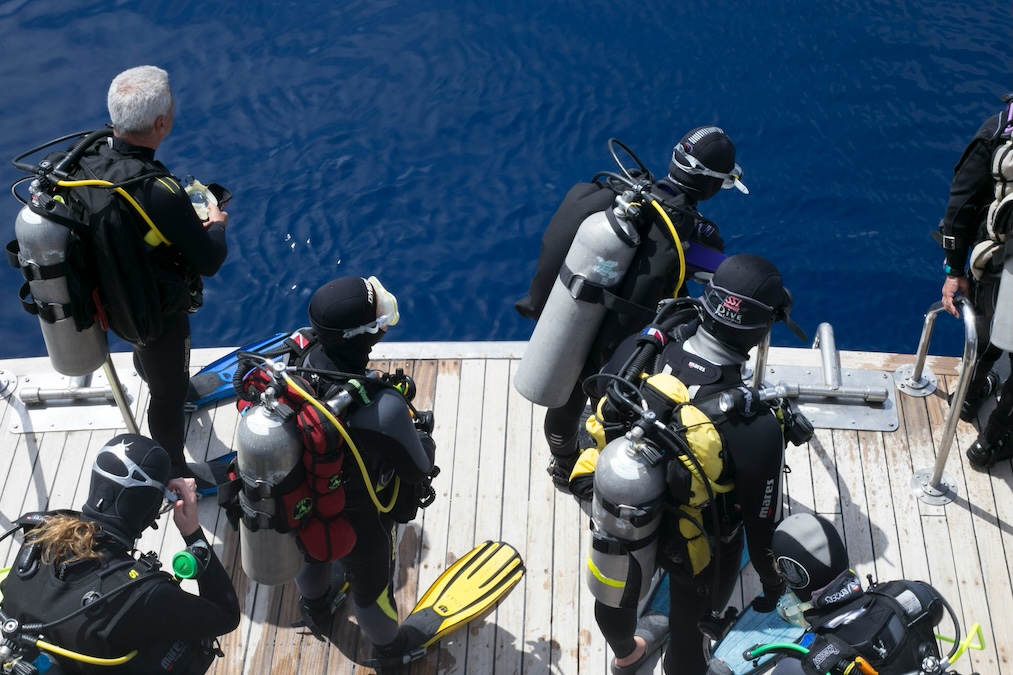
A report from TDI/SDI emphasized a recurring issue in public safety missions—improper equipment. For example, neoprene wetsuits may work for recreational dives, but they fail to protect against hazardous chemicals. Specialized dry suits, contaminant-resistant gloves, and reinforced lift bags are essential to equip public safety diving team for their mission-specific challenges.
Lesson in Application: Match the scuba gear to the mission. A successful operation may hinge on choosing equipment designed to address the precise environmental risks involved.
Case Study 3: Technological Innovations Enhancing Safety
Advancements in technology are transforming public safety operations. The Office of Justice Programs highlights features like full-face masks with integrated communication systems and through-water transceivers that enable real-time dialogue between divers and surface teams. These innovations have enhanced coordination and reduced risk dramatically.
Lesson in Application: Investing in cutting-edge communication and navigation tools can significantly increase safety and efficiency during missions.
Addressing Industry-Wide Challenges
The challenges in public safety diving are universal, but there are clear strategies that teams can adopt to mitigate risks and improve outcomes:
- Enroll in Training Programs: Comprehensive certifications covering hazardous environments ensure divers are well-equipped to handle emergencies. Explore specialized pathways from reputable sources to stay at the forefront.
- Invest in Regular Equipment Maintenance: Stop issues before they happen. Implement stringent safety checks and rely on high-quality tools like dependable lift bags and underwater cameras.
- Foster Psychological Resilience: Provide ongoing mental health support and training that addresses the emotional toll of high-pressure operations.
- Prioritize Fitness Standards: Regular physical assessments ensure divers remain prepared for the rigorous demands of each mission.
Moving Forward with Confidence
Public safety divers operate in an environment where preparation and precision are non-negotiable. From relying on specialized equipment to managing psychological stressors, every element directly impacts outcomes. The case studies above remind us that proper planning, advanced tools, and continuous learning are vital for success—and survival.
Are you ready to elevate your safety practices and operational readiness? Learn more about essential public safety gear, advanced training, and community-building resources today. Engage with our online resources and updates on upcoming virtual workshops and expert panels to stay ahead of every challenge lurking below the surface.
Dive confidently. Respond effectively. Save lives.