Diving is one of the most gear-heavy sports out there – but that doesn’t mean your luggage needs to be. Whether you’re island hopping or planning a weekend getaway, learning how to pack light for dive travel can save you money, reduce stress, and let you dive more often. With the right strategy and gear, it’s possible to travel light and still be dive-ready anywhere in the world.
This blog will walk you through practical, tested strategies for light packing – from the gear worth owning to what you can rent. We’ll also cover smart packing habits, space-saving equipment, and the best ways to stay organized so your dive trips are more about underwater adventure and less about hauling bags.
Focus on Core Essentials
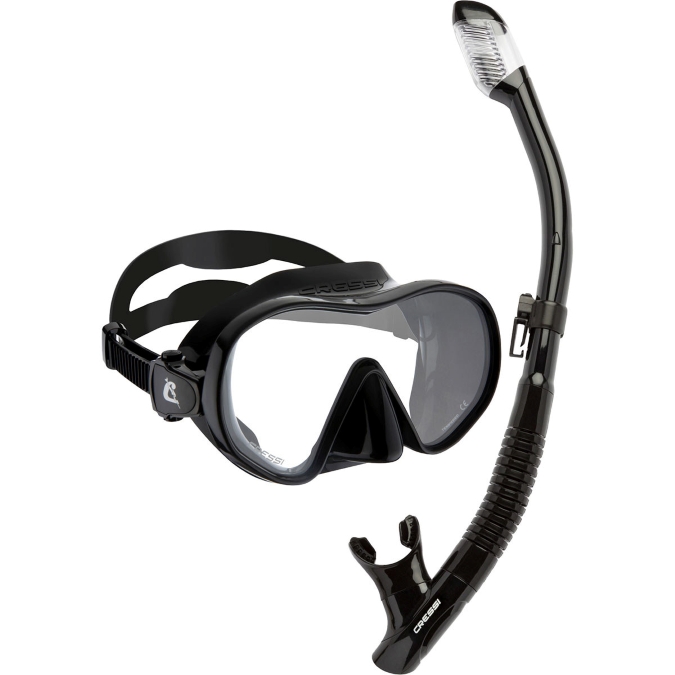
Don’t bring everything you own. Prioritize what matters most – items you’ll use every dive and those that fit you personally. Your travel dive kit should include:
- Mask and snorkel (for a perfect fit)
- Compact fins or travel fins
- Dive computer or watch
- Rash guard or light wetsuit
- Regulator (optional, if not renting)
These are your comfort and safety items. Rely on reputable dive shops for heavier gear like tanks, BCDs, and weights. Your own mask and snorkel ensure a good seal and better hygiene. A dive computer helps track your profile consistently, especially if you’re hopping between multiple dive shops.
Choose Lightweight and Packable Gear
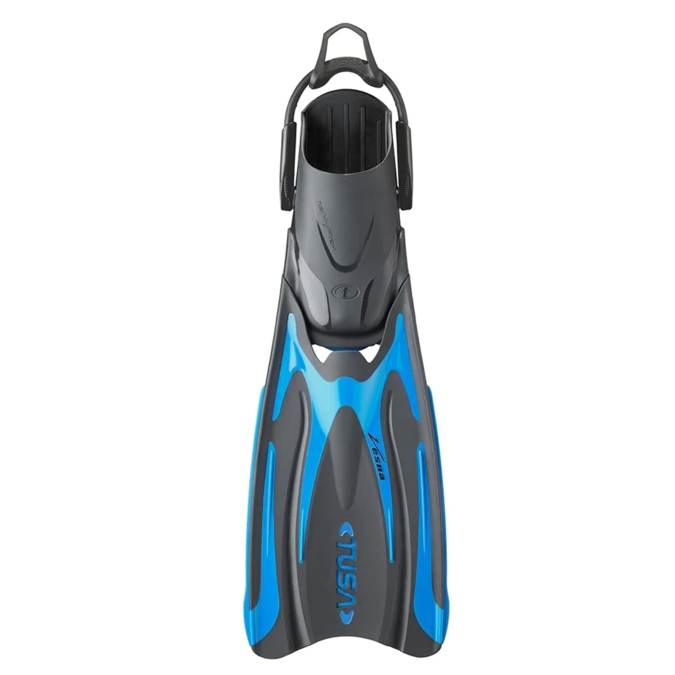
Today’s dive gear is lighter and more compact than ever. Look for:
- Foldable or strap-style fins with shorter blades
- Compact masks with low volume and flexible skirts
- Travel-specific BCDs that are minimal, collapsible, and under 5 pounds
- Lightweight regulators with compact first stages and travel bags
Many brands now offer travel editions of traditional scuba gear, specially made to be folded or rolled into tight spaces without damage. Consider brands like Cressi, Aqualung, and Scubapro for high-quality travel-oriented gear.
Multi-Use Items Save Space
Smart divers pack items that work on land and in water:
- Rash guards double as sun protection for sightseeing
- Dive leggings can be worn during yoga or warm-ups
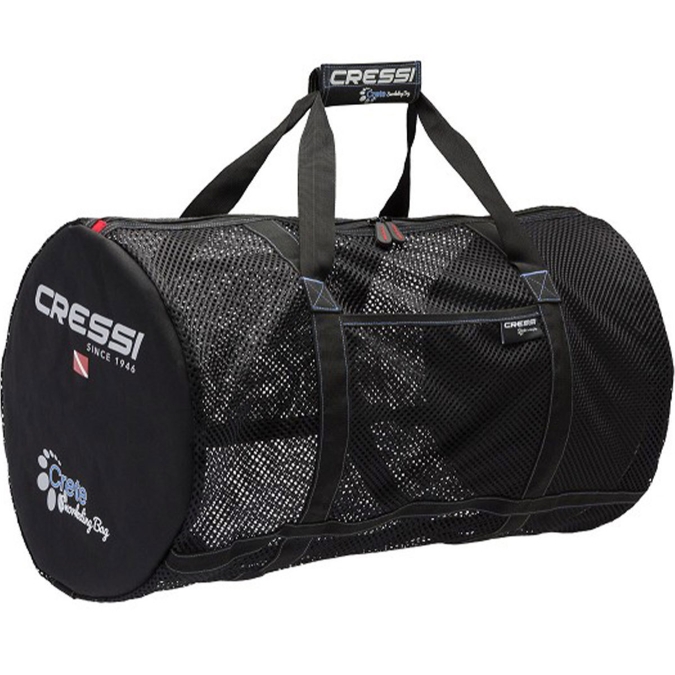
- Mesh gear bags also serve as laundry or beach totes
This strategy is especially useful for warm-weather dive trips or extended travel where keeping luggage small is critical. Choose neutral colors and moisture-wicking fabrics that transition easily from beach to casual dinner.
Rethink Clothing and Toiletries
You won’t need much between dives. Limit your non-dive clothes to:
- 2–3 quick-dry outfits (one for post-dive, one for evenings, one for transit)
- 1 pair of sandals + 1 compact pair of closed shoes (if needed)
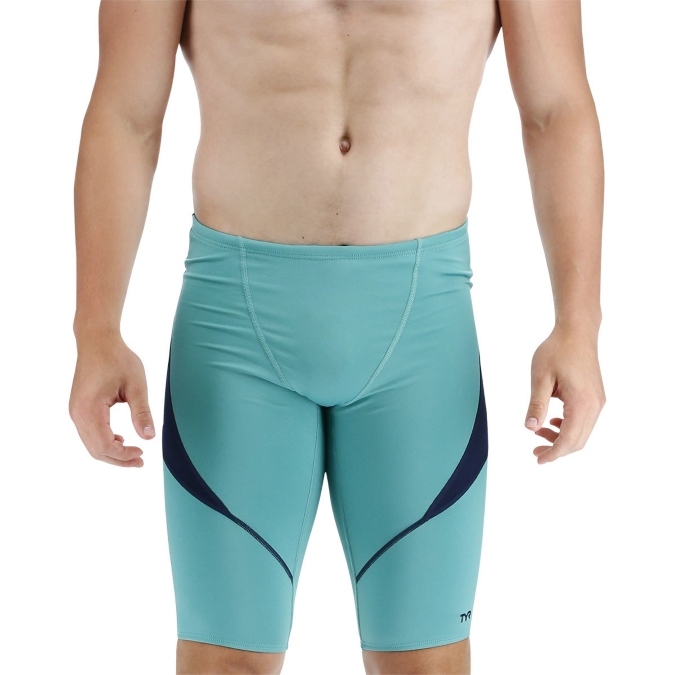
- 2–3 swimsuits for rotation
Minimize toiletries to essentials. Use refillable bottles for shampoo, conditioner, and body wash. Prioritize reef-safe sunscreen, deodorant, toothbrush, and a basic first-aid kit. Remember – if you’re diving often, your time topside will mostly be about drying off and relaxing, not dressing up.
Keep Documents and Certifications Digital
Instead of carrying paper copies, digitize your:
- Dive logbook and training records
- Certification cards (e.g., PADI, SSI, NAUI)
- Travel insurance and DAN coverage info
Save them to a waterproof phone pouch, backed up with cloud storage or a USB drive. Most dive shops now accept digital certifications, and having backups available can save your dive day if something gets lost.
Use a Travel-Friendly Dive Bag
The right bag makes a huge difference. Look for:
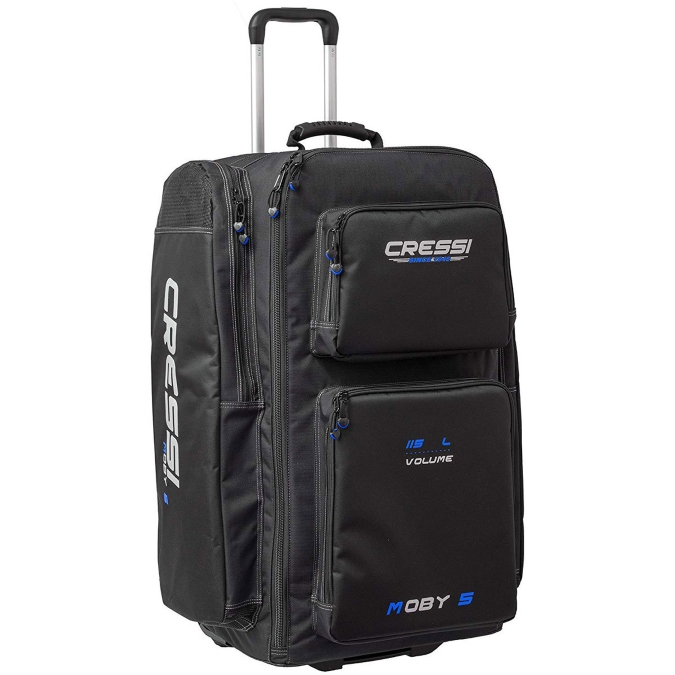
- Wheeled duffels with sturdy zippers and separated compartments for wet/dry gear
- Roll-top waterproof backpacks for shore dives or day trips
- Mesh bags for rinse-and-go convenience
Make sure your total weight stays under 50 pounds (22.7 kg) to avoid airline fees. If flying internationally, check carry-on size and weight restrictions, as they vary widely.
Pro tip: use packing cubes to separate clothes, gear, and accessories. It’ll save time and frustration when unpacking and repacking frequently.
Plan to Rent Locally When It Makes Sense
Renting bulky gear like tanks and BCDs isn’t just easier—it can be cheaper than airline overweight fees. Most reputable dive shops maintain well-serviced gear. Always check:
- Reviews of the dive center
- Availability and condition of rental gear
- Whether they offer package discounts
If you’re diving remote or technical sites, bring more gear. For casual reef dives or resort-based diving, renting locally makes packing easier and travel lighter.
Always Pack a Dry Bag and Small Extras
Even minimalists need backups. Bring:
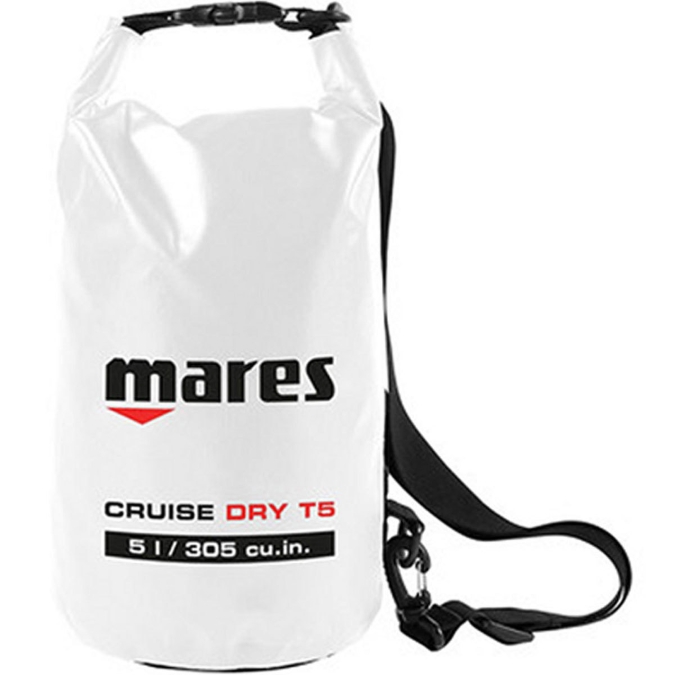
- A small dry bag for phones, keys, and sunscreen
- Spare mask strap, fin strap, and O-rings
- Compact repair kit or zip ties
- Microfiber towel (quick drying, light, and compact)
These take up almost no space but are invaluable for solving common problems—like a snapped strap or wet electronics – without ruining the dive day.
Maintain a Pre-Packed Dive Kit
If you dive regularly, keep a travel-ready kit packed and organized. Use checklists and keep your gear clean and dry after every trip. Having your bag pre-packed:
- Reduces prep time
- Ensures you never forget essentials
- Makes spontaneous dive trips easier to say yes to
Include a laminated copy of your packing list and a “post-dive checklist” to keep track of what needs restocking, cleaning, or replacing.
Think Like a Minimalist, Dive Like a Pro
Packing light isn’t about stripping down your options – it’s about bringing only what truly adds value to your dive trip. Prioritize gear that enhances your safety, comfort, and experience.
By building a smart, modular kit and learning what’s truly essential, you’ll become a more adaptable and travel-ready diver. That means less stress, fewer baggage fees, and more underwater time doing what you love.
Conclusion: Dive Often, Pack Smart
Packing light isn’t about cutting corners – it’s about traveling smarter so you can dive more and worry less. With the right essentials, efficient gear, and a minimalist mindset, your dive trips will feel more like freedom and less like logistics.
The less you carry, the more you’ll experience – both on land and beneath the surface. Whether you’re exploring a reef two hours away or flying across the globe, your dive bag should feel like a passport to adventure – not a burden. Pack light, dive often, and let your gear work for you—not against you.
FAQs: Lightweight Packing for Dive Travel
Always pack your mask, snorkel, fins, and dive computer. These items rely heavily on personal fit and comfort. Lightweight wetsuits or rash guards are also smart to bring depending on destination water temps.
Yes—reputable dive shops maintain high-quality, well-serviced rental gear. Just check reviews and equipment condition beforehand. For short or casual trips, renting helps reduce baggage weight and cost.
Use travel-specific dive gear, limit clothes to quick-dry essentials, and pack multi-use items. Also, invest in lightweight bags and use packing cubes to stay organized and compact.
Yes. Most dive centers accept digital certification cards and logbooks. Store them on your phone and back them up to cloud storage or USB for easy access during travel.
A wheeled duffel is great for checked gear, while a waterproof backpack works for shore dives. Include a mesh bag for rinsing and drying gear post-dive, especially on multi-dive trips.