
There’s nothing like the thrill of diving into the deep blue and hoping for a once-in-a-lifetime sighting. From sharks, exotic mammals, to the tiniest of reef fishes, the ocean has a lot to offer – but finding the mighty sea’s most elusive creatures can prove to be quite the challenge! For many scuba divers, some marine creatures feel like oceanic celebrities — rarely seen but always talked about. Whether it’s their beauty, behavior, or mystique, these elusive ocean dwellers are on nearly every diver’s bucket list.
Here’s our top 10 of the most elusive – yet mesmerizing – creatures that top divers’ bucket lists, along with insights into where you might find them.
1. Whale Shark

The whale shark, despite its name, actually is not a whale–but a shark. It is the largest species of fish in the sea, growing over 40 feet long. Despite their size, whale sharks are filter feeders; they only prey on small animals such as plankton and smaller fish. Whale sharks are often seen gliding through tropical waters and are best known for their distinctive white spots and lines. Plus, they have the ever-huge mouth which they use to filter plankton, krill, and small fish.
Where can we find them?
Whale sharks are migratory animals, and they can only be seen in certain months. In Mexico’s Isla Mujeres, they are seen from May to September during the summer. In the Philippines, they can be seen at Donsol, and Oslob.
2. Manta rays

Known for their graceful movements through the water, and their awe-inducing wingspan, manta rays are an absolute favorite among divers. The elusiveness of this ray is related to their shyness, which is why spotting them is a highly-rewarding experience. Like the whale shark, these rays are also filter feeders, and are very curious animals. In fact, these rays have the largest brain-to-body ratio of any fish, reflecting their remarkable intelligence.
Where to spot them?
These rays are often seen in coral reefs in the tropics; such as in Maldives, Indonesia’s Raja Ampat, Palawan in the Philippines, and Kona in Hawaii. While they are not migratory, due to their declining numbers, its status as an elusive animal remains.
3. Hammerhead shark

With their distinctive hammer-shaped heads, Hammerhead sharks are fascinating, formidable, and elusive. Hammerhead sharks typically show up in schools (science slang for groups!) as they are highly social animals. Scuba divers encountering one often describe being overwhelmed by mesmerization, which is proof enough that its elusiveness as a sea creature can capture a diver’s mind, and its bucket list. The unique shape of their heads provide them with a 360-degree vision, similar to the diving cameras we now use, to detect and hunt prey more effectively.
Where can we find them?
Costa Rica’s Cocos Island, the Galápagos, and the Bahamas.
4. Ocean sunfish

The ocean sunfish, also known as the mola mola, is the heaviest bony fish in the ocean, known for its unique shape and size. These elusive creatures occasionally surface to bask in the sun, offering rare opportunities for viewing. These fish are often found near cleaning stations where smaller fish remove parasites from their skin, or in the open ocean. These fish can produce up to 300 million eggs at a time, more than any other known vertebrate.
Where to spot them?
They can be observed sometimes in Bali’s Nusa Penida between July to October, and the Azores islands.
5. Pygmy seahorse

Measuring less than an inch, these seahorses are masters of camouflage, its elusiveness helps it blend beautifully with their coral habitats. Their size and capabilities to blend in challenge even the keenest of divers. These sea creatures are often found clinging onto corals, which match their color and texture. Unlike other animals that can change color on demand, pygmy seahorses only undergo a one-time color change as juveniles to match their home coral, which remains permanent throughout their lives.
Where can I see them?
They are present in Coral reefs in Southeast Asia regardless of season.
6. Flamboyant cuttlefish

These cephalopods dazzle with vibrant colors and patterns. Unlike other cuttlefish, it walks along the seafloor whilst possessing a potent toxin. Its color changes are very mesmerizing, and they use it for communication and camouflage. The Flamboyant cuttlefish is the only known venomous cuttlefish, which adds into its value as a diver’s bucket list animal.
Where to find them
Indonesia’s Lembeh Strait and the Philippines’ coral reefs.
7. Humpback whale

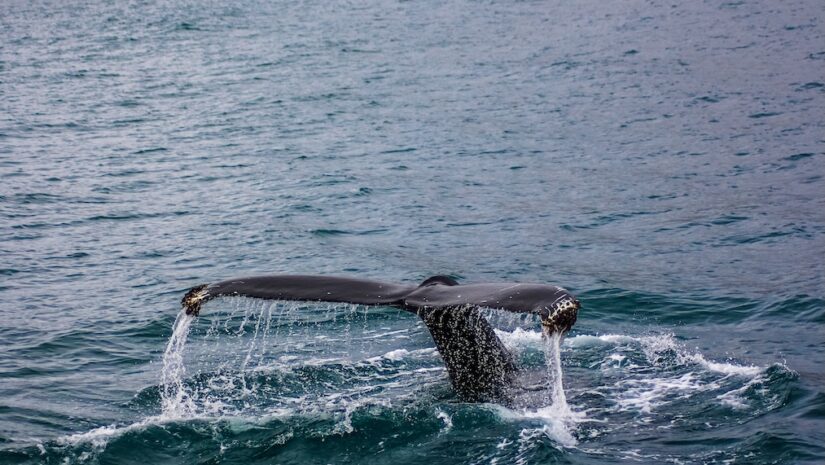
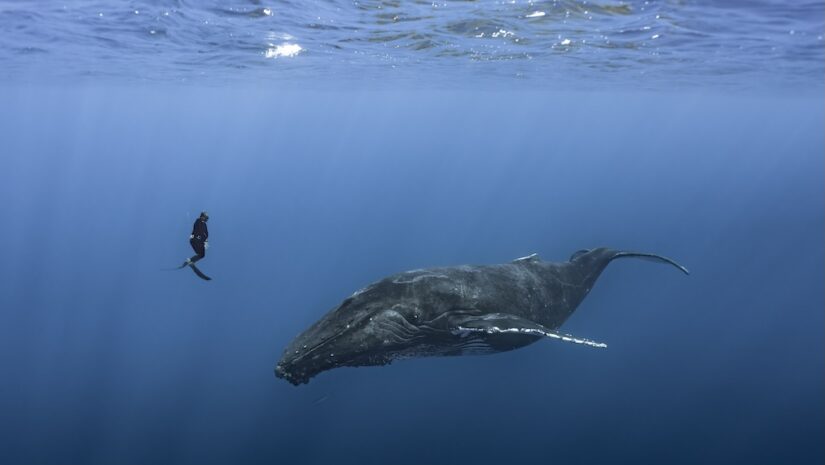
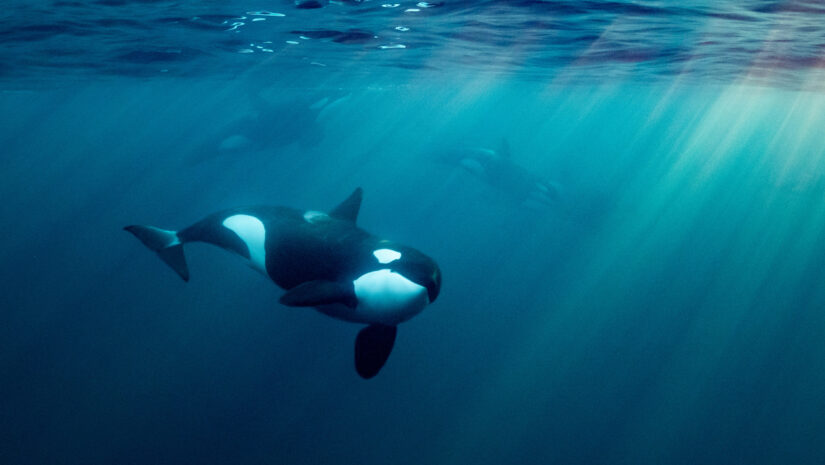
Renowned for their alluring songs and acrobatic breaches, humpback whales migrate vast distances to feed, mate, and give birth, which offer season diving encounters. These whales sing complex songs and often breach the water to communicate. They symbolize environmental success and resilience, as hunters once drove them to the brink of extinction. Only the males sing, though. Only the male ones do get to sing, though.
Where to spot them
The South Pacific is home to the world’s largest population of humpbacks, seen in Tonga, Hawaii, and the neighboring islands during the migration seasons, from December to mid-April. They can also be seen in Southern California from May until November.
8. Clownfish

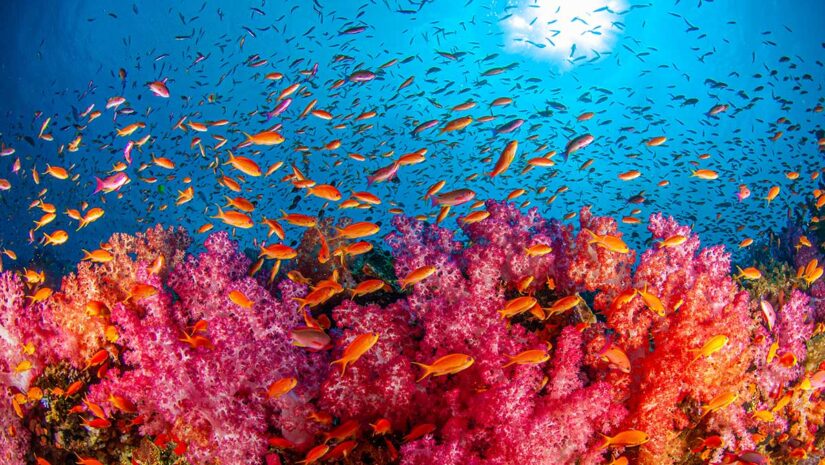
Clownfish, popularized by the blockbuster film Finding Nemo, are vibrant orange fish with white bands, often found nestled among the tentacles of sea anemones. Like the movie, they share a mutualistic relationship with their host anemones, gaining protection from predators while providing the host with food scraps and better water circulation. Scientists consider clownfish hermaphrodites, since all are born male and can change into females.
Where to find them
Within corals reefs in the Indo-pacific region, including the Philippines, Indonesia, and the Great Barrier Reef.
9. Tiger shark

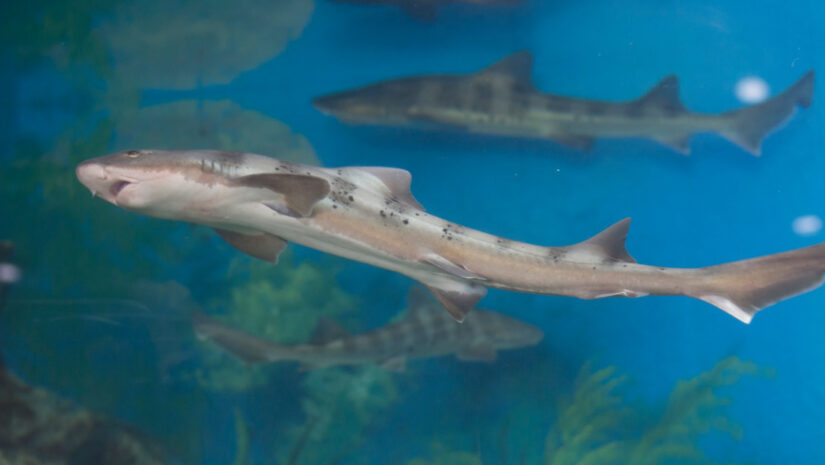
Easily recognized by their distinctive stripes, where it got its name from, and its curious and elusive nature, tiger sharks are apex predators that command respect and awe. People often call them the “Garbage cans of the sea” because they eat a wide variety of things — even non-food items like tires and license plates often show up in their digestive tracts.
Where to spot them
Tiger Beach in the Bahamas and in South Africa.
10. Oarfish

People often dub the oarfish the “doomsday fish.” This deep-sea creature eludes divers and rarely appears to humans. Its ribbon-like body can stretch up to 8 meters, making it one of the longest known bony fishes. Sightings of the fish often entail certain omens, but spotting one is exceedingly rare, and often accidental.
Where to find them
Japan, Philippines, India, Australia.
Which of these elusive creatures do you hope to see most?
Exploring the ocean’s depths offers divers like you a chance to witness some of the most elusive animals on the planet. For every encounter, from the sound of a humpback singing, to the dances of a clownfish, definitely adds a unique story to every diver’s journey. While not everybody will have the same bucket list, just having the opportunity to see any of these magnificent, elusive sea creatures, will definitely make you grateful for being a diver.