Essential Safety Tips for Exploring Artificial Reefs

Essential Safety Tips for Exploring Artificial Reefs

Written by Thierry Jose
|
Published on March 12, 2025
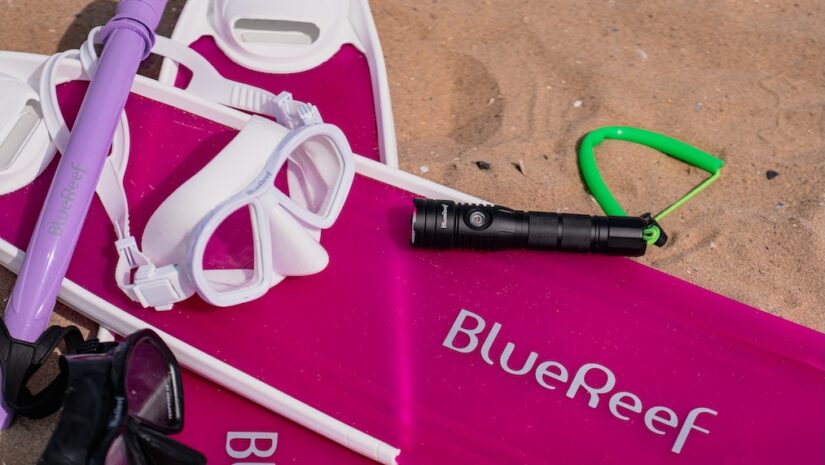
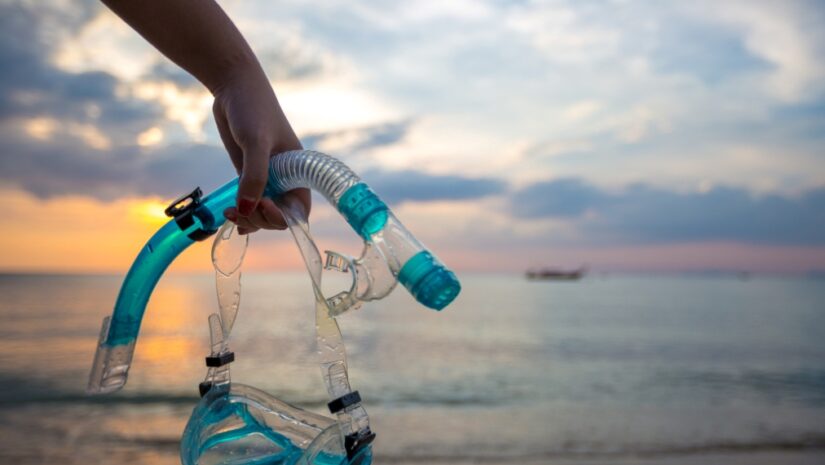
a photo of dive gear

Artificial reefs are more than just dumpsites for concrete structures and ships that are beyond repair. These are beautiful structures rich in marine life and stories waiting to be explored and appreciated. But before you book that trip, understand that diving safely in artificial reefs is no joke!

Hidden behind the beautiful structures of the Neptune Memorial Reef or the ancient ruins in Baia is a unique challenge that all divers must keep in mind. These magical artificial reefs demand a diver’s full attention — as tragedy can strike even to the most experienced explorer.

Diving safely in artificial reefs is about following the usual protocols and then some! From choosing the right dive site to triple checking your gear — let’s dive into some useful tips to dive safely in these man-made wonders!

Understanding the risks of artificial reefs

Unlike natural coral reefs, artificial reefs are constructed environments with unpredictable structures. Although these are closely monitored to ensure that no hazardous material can pose harm to divers, degradation due to natural phenomena can still happen.

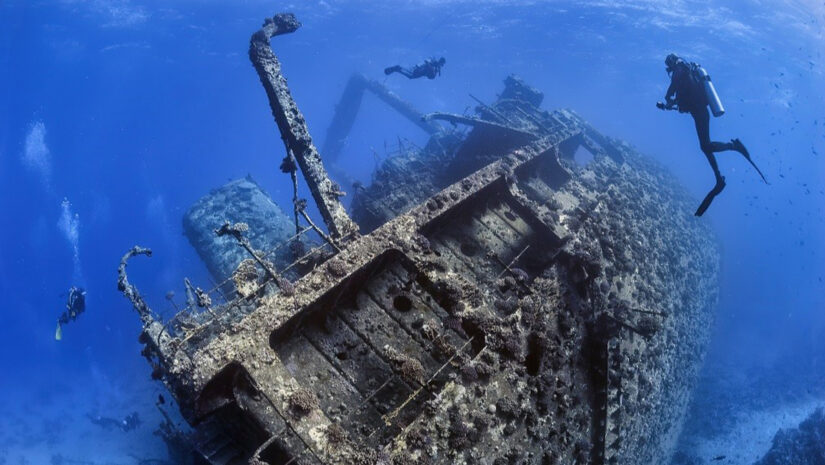
Shipwrecks could develop fragile passageways, sunken statues might break down and have sharp edges, and large structures can create unexpected currents. Although all of these sound scary, don’t be afraid to take the plunge anyway!

Be vigilant and heed the warnings of your divemaster, and you’ll be able to conquer these reefs safely in no time.

a man diving near a wreck
Photo by Marek Okon on Unsplash

Plan your dive and stick to it

Artificial reefs can be sprawling, maze-like environments. One wrong turn in a submerged plane at Dive Bahrain or a forgotten exit point in the labyrinthine ruins of Alexandria, Egypt can leave you lost and low on air.

Before you take the plunge — familiarize yourself with the site, set depth and time constraints, and have a clearly defined exit strategy!

Bonus tip! If diving conditions drastically change, abort mission. Trust your guts, because not even the most beautiful reef is worth compromising your safety.

Closely monitor your buoyancy

Artificial reefs aren’t as soft as naturally occurring fields of coral, so there’s less room for error when you’re managing your buoyancy. Even a slight miscalculation can lead to collisions and serious injuries!

Avoid getting wedged between structures and damaging the artificial reef sites by triple-checking your numbers and feeling out your environment. Doing this doesn’t just help you either — having control over your buoyancy helps you avoid bumping into fellow divers.

Be conscious of marine life

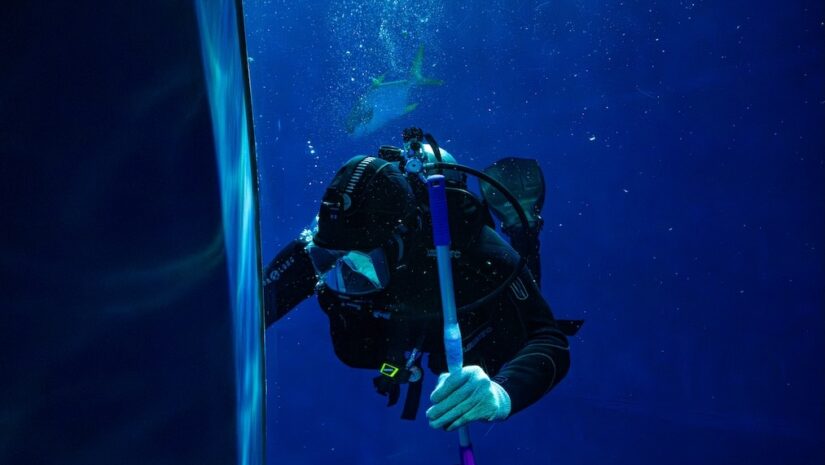
a diver going near an artificial reef
Photo by Mikhail Preobrazhenskiy on Unsplash

One of the biggest perks of diving in artificial reefs is the vibrant marine life they attract. Schools of fish dart through submerged ruins while octopuses and eels turn statues into their personal hideouts. But some of these creatures — such as scorpionfish hiding in wreck crevices or territorial barracudas — can pose a threat if disturbed.

Always remember, diving safely in artificial reefs means keeping your hands to yourself and respecting marine life!

Never dive alone and stay close to your buddy

Diving solo in artificial reefs is a recipe for disaster. Wrecks and structures create numerous blind spots, and if something goes wrong, help needs to be nearby. Stay close to your buddy, especially in confined spaces where an out-of-air situation or disorientation could escalate quickly.

Respect the artificial reef

You can’t just do as you please in artificial reefs. These reefs were built for the purpose of supporting marine life, so even the slightest disruption can lead to adverse effects. Don’t collect mementos off of structures, don’t kick up sediment, and most importantly — don’t treat it like a playground!

Better yet, treat artificial reefs just like the natural ones — just look, don’t touch.

Choose the right artificial reef for your skill level

Not all artificial reefs are beginner-friendly. While shallow sites (with depths of 4–8 meters) are perfect for new divers, some locations are much more complex and require more experience. Depth is the least of your worries too, given that some spots have stronger currents and other unique challenges you have to face.

If you have doubts about your skill level, don’t push your limits. Artificial reefs can be deceivingly complex, and overconfidence is a diver’s worst enemy. Always research your chosen site’s depth, terrain, and difficulty level beforehand.

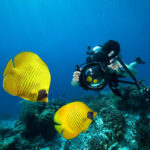
a diver photographed in an artificial reef
Photo by Marek Okon on Unsplash

Are man-made dive sites safe for beginners?

The short answer? It depends.

Just like natural reefs, man-made dive sites come in all shapes and sizes. Some are shallow and have open-water, while others are more complex. However, there are a lot fewer surprises in man-made dive sites since they’re closely maintained by government administrations. Choosing the right site is still important, but man-made dive sites are relatively safe!

Best artificial reef locations to check out this year!

1. Museo Subacuático de Arte (MUSA), Mexico

Dive into the time capsule of Museo Subacuático de Arte and look at the hundreds of life-sized statues in the clear waters of Cancún! MUSA is one of the most mesmerizing underwater art museums in the world. This man-made reef structure features over five hundred sculptures that foster the growth of coral — perfectly blending in with the area’s biodiversity.

2. Parco Archeologico Sommerso di Baia, Italy

Ever wanted to dive into ancient history — literally? The Underwater Archaeological Park of Baia is a sunken Roman City left behind by time. Everything from the streets, statues, and mosaics are at the mercy of nature beneath the waves.

Diving here feels like exploring Atlantis. Swim past the remains of a fallen civilization, all in the eerie silence of the depths. The artificial reef hovers around 5 to 15 meters, making it accessible for history buffs and underwater photographers looking for a shot to remember!

3. Dive Bahrain, Bahrain

If you think sunken ships are cool, how about an entire sunken Boeing 747? Welcome to Dive Bahrain, the world’s largest underwater theme park, spanning a jaw-dropping 100,000 square meters​.

The main attraction? The purposefully sunk 70-meter-long decommissioned plane used to create an artificial reef to attract marine life!

Your dives are worth doing right!

a crashed plane being made into a reef
Photo by Milos Prelevic on Unsplash

Before you fly over to the nearest artificial reef near you, make sure you take in how these sites are a marvel of human creativity. So, as we take in the view and enjoy the dive, remember that diving safely in artificial reefs is the least we can do to sustain this hobby.

As a final reminder, safe diving in artificial reefs isn’t just about enjoying the sights. It’s about making sure you live to tell the tale. So go ahead — grab your gear, take a buddy with you, and explore the sunken wonders of the world.

Thierry Jose

Thierry Jose

Thierry Jose is a content writer and journalist on a mission to explore the world. She is driven by a fervent dream to read and write, and she has joined multiple competitions and publications to advance her learning curve. Outside of writing, she enjoys painting and watching classic movies.