Orders placed during Passover Holiday (Wed 4/1 after 4PM ET – Thurs 4/9) will ship Fri 4/10. View our holiday shipping schedule.

Why You Should Consider Drysuit Diving For Your Next Specialty

Why You Should Consider Drysuit Diving For Your Next Specialty

Written by Charly Stringer
|
Published on September 20, 2024
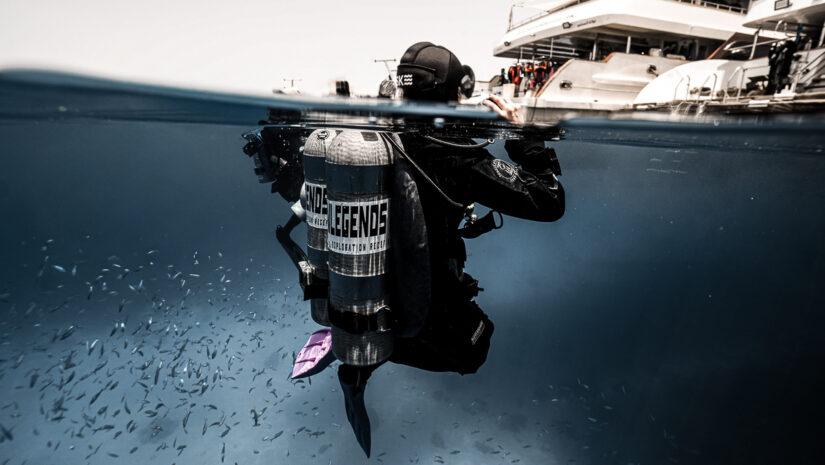
Female Scuba Diving Instructor Standing in Water Wearing a DrySuit, a Twin Tank and Holding Fins
TAGS: drysuit

As a scuba diver, you’ve likely experienced the incredible thrill of exploring the underwater world. Still, you may have felt slightly limited by the colder water temperatures. While wetsuits offer some protection, there are places and seasons where the cold can cut your dive short. Further, this may leave you shivering between descents. Drysuit Diving Specialty may be the perfect next step in your scuba diving journey. Especially If you want to extend your diving into cooler waters in terms of temperature and location. Here’s why you should consider drysuit diving for your next specialty.

What is Drysuit Diving?

Wetsuits use a layer of water trapped between your body and the suit to maintain warmth. Conversely, drysuits create a waterproof barrier that keeps you completely dry (hence the name). Drysuits are made of materials like neoprene, trilaminate, or crushed neoprene. Hence, they don’t absorb water, and they rely on thermal undergarments worn underneath to insulate your body against the cold. This makes drysuits ideal for diving in cold water environments where a wetsuit would be insufficient to keep you comfortable.

Drysuits are primarily used in water temperatures below 15°C (59°F), though they are also valuable in warmer waters where multiple dives over several days could cause cumulative cold exposure. With a drysuit, you can dive year-round, explore new environments like mountain lakes, and dive in polar regions or cooler seas without worrying about cold stress.

Why Drysuit Diving is Worth Considering

Drysuit diving opens up a whole new realm of possibilities. Here are a few reasons why you should consider taking a Drysuit Diver Specialty Course:

  1. Extend Your Dive Season: With a drysuit, you can dive in cooler seasons like autumn and winter or in colder regions without worrying about getting cold.
  2. Diving in Cold Water Locations: Imagine diving in stunning places like the British Isles, Canada’s Great Lakes, or the fjords of Norway. A drysuit enables you to explore these colder-water environments with ease.
  3. Stay Warm for Longer: One of the major benefits of a drysuit is thermal protection. You can enjoy longer, more comfortable dives without experiencing the discomfort of a cold wetsuit post-dive.
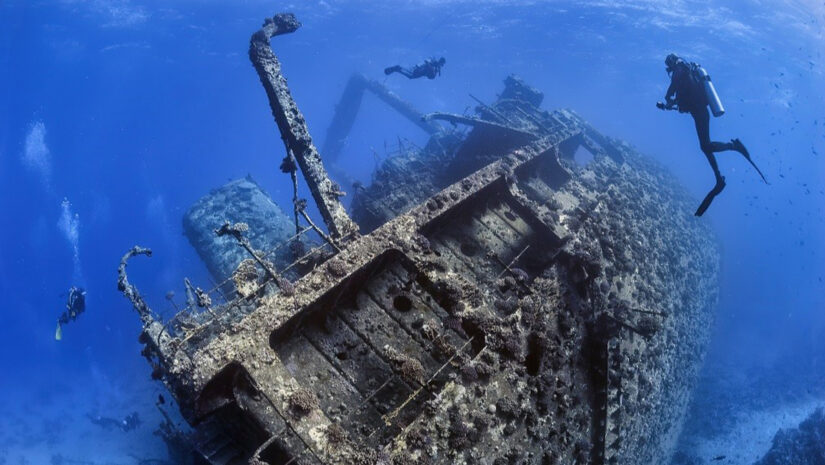
  4. Explore Unique Dive Sites: From ice diving in glaciers to exploring deep lakes and cold-water wrecks, a drysuit gives you access to dive sites that would otherwise be off-limits.
Photo by: Adam

What to Expect from a Drysuit Diver Specialty Course

Various diving agencies including PADI and SSI offer a Drysuit Diver Specialty, which is designed for divers who want to become proficient in drysuit diving techniques. As with most specialty courses, it combines theory, confined water practice, and open water dives. The course ensures you become confident in handling the unique aspects of diving with a drysuit.

Drysuit Diving Course Structure

Knowledge Development:

Before you even hit the water, you’ll begin by learning the theory behind drysuit diving. This includes understanding different types of drysuits and their materials, how they work, and why they are used. You’ll also study drysuit maintenance and the specific buoyancy control required when using a drysuit.

Confined Water Dive

In a pool or confined water setting, you’ll get hands-on experience with the drysuit in a controlled environment. This dive will introduce you to basic skills such as donning and doffing the drysuit, controlling buoyancy with the drysuit inflator valve, and managing excess air to avoid issues like an uncontrolled ascent.

Open Water Dives:

Once you’re comfortable with the theory and confined water practice, it’s time to take the drysuit into open water. These dives will give you real-world experience in controlling buoyancy and dealing with common drysuit diving issues, like managing air in the feet or dealing with drysuit seals. You’ll practice emergency procedures, including dealing with buoyancy control issues specific to drysuits.

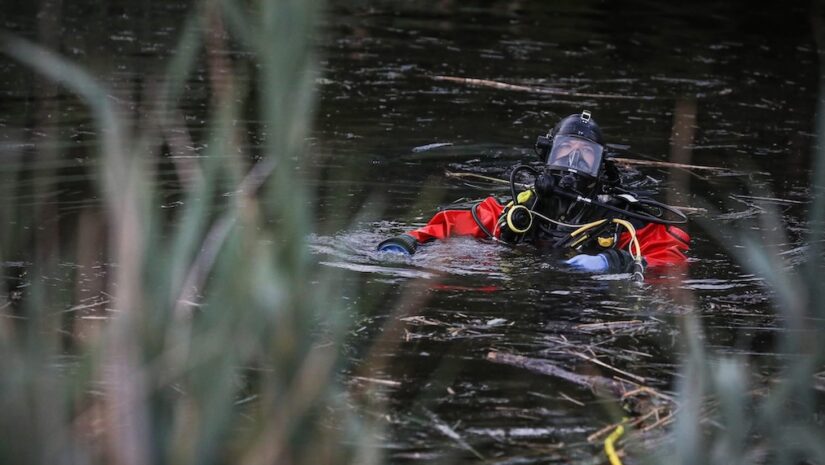
Commercial diver in drysuit
Photo by: Sved Oliver

Key Skills You’ll Learn in a Drysuit Diving Course

  • Buoyancy Control: Drysuit diving requires learning a different approach to buoyancy. You’ll control your buoyancy using the air inside your drysuit and your BCD. This involves inflating or venting air to adjust as you descend or ascend.
  • Thermal Protection Management: You’ll learn how to layer appropriate thermal undergarments beneath your drysuit depending on water temperatures.
  • Handling Emergencies: You’ll be trained in emergency procedures specific to drysuit diving, such as managing a stuck inflator valve or a runaway ascent.

Course Prerequisites and Recommended Experience

To enroll in a Drysuit Diver Specialty course, you need to be:

  • A certified Open Water Diver (or Junior Open Water Diver) from PADI, SSI, or an equivalent certifying organization.

While the course itself is designed for all skill levels, divers with experience in different environments will find the transition to drysuit diving easier. It’s also highly recommended that you have a good handle on buoyancy control and are comfortable with equipment management. Some divers opt to take a Peak Performance Buoyancy course before enrolling in the drysuit specialty, as it provides additional practice with buoyancy control, which is crucial for diving with a drysuit.

Final Thoughts

Drysuits may seem bulky or uncomfortable at first, but as you become familiar with them, you’ll find that they offer immense comfort, even in colder environments. Completing a Drysuit Diver Specialty opens up new possibilities for underwater exploration by allowing you to dive comfortably in colder waters. Whether you’re interested in extending your dive season, exploring colder regions, or staying warm on extended dives, a drysuit is invaluable. The course is accessible to most certified divers and provides practical skills and knowledge to enhance your scuba diving experience. By mastering drysuit diving, you’ll expand your diving potential and open the door to unforgettable underwater adventures.

Charly Stringer

Charly Stringer

Charly Stringer is a scuba diver based in Dahab, Egypt. She is a scuba diving and freediving instructor, as well as a digital creator,