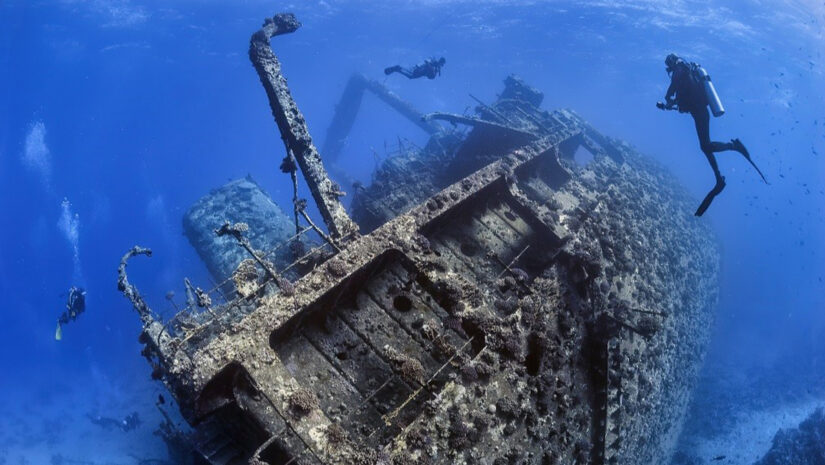
The ocean is a vast mystery that’s just filled with life. And for those passionate about scuba diving, it offers endless opportunities for exploration. But take a moment and ponder: what if your next dive could contribute to something greater? That’s the essence of citizen science. As a citizen scientist, everyday divers like you can add to meaningful scientific research! All while still enjoying the underwater world.
In this article, you’ll understand citizen science, why it matters so much, and the process of becoming a citizen scientist. Bonus: we’ll help you make the first step with your first citizen science event.
What is Citizen Science?

Citizen science is an inclusive approach to scientific research, where everyday individuals join hands with scientists to contribute to meaningful scientific research and activities. Such a collaborative process gives everyday people the chance to engage directly with the scientific community. They’ll be collecting, analyzing, and disseminating data.
To many, it’s quite a powerful thing. It democratizes science, making it accessible to those outside of traditional academic or research institutions.
Citizen Science in the Diving Community
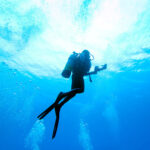
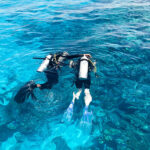
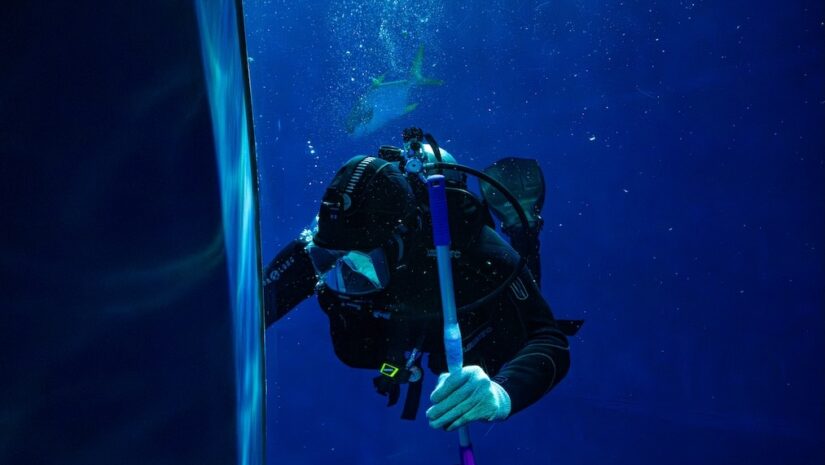
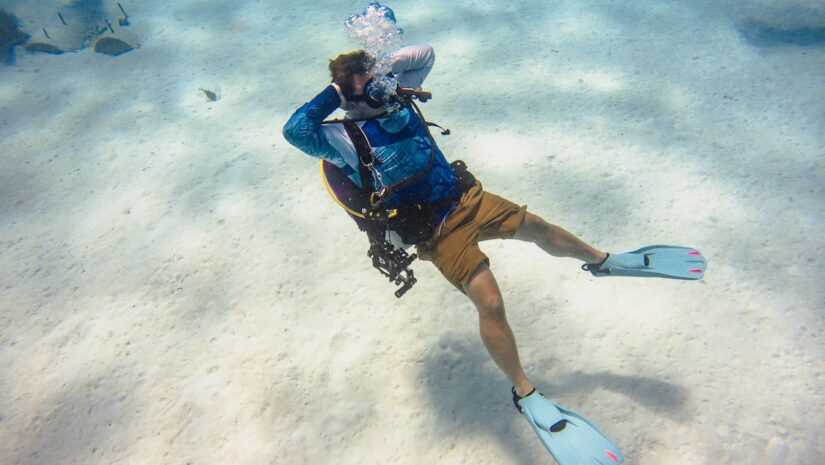
Within the diving community, citizen science takes on a unique and critically important role. Divers, because of their frequent access to deep underwater environments, are in the best position to observe and immediately document the health of marine ecosystems.

Such an action is so important because there’s so much happening in our oceans that are not immediately visible from the surface. These changes are caused by climate change, pollution, or other harmful human activities. So, in a way, divers have become the eyes and ears of the scientific community in these underwater worlds.
As a diver, what can I do specifically?
Here are some citizen science examples and why they’re important and necessary:
Monitor Coral Health
If you’re one to love frequenting coral reef hotspots, this part of citizen science is the task you’ll love doing. Just stay mindful all throughout, and you’ll do great!
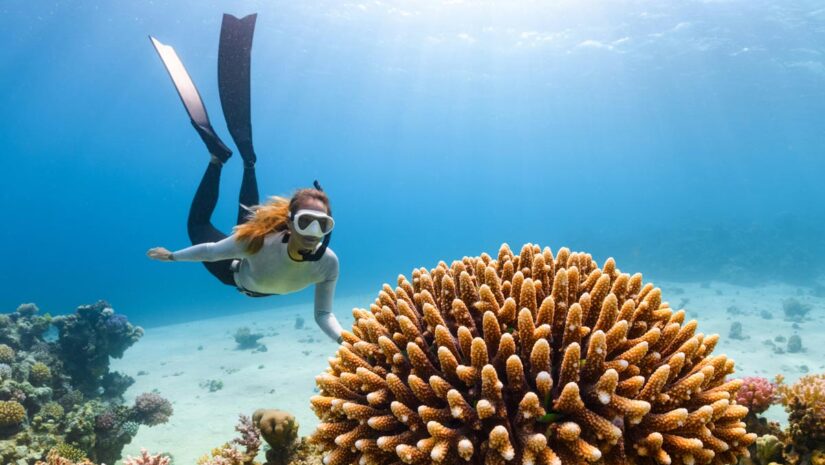
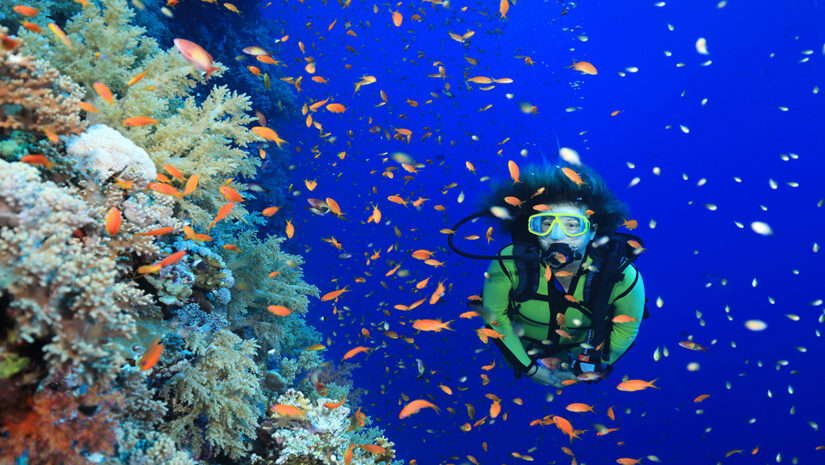
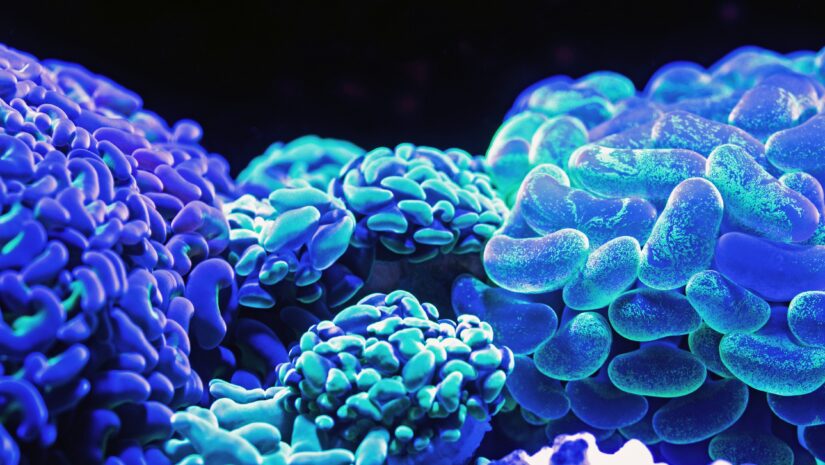
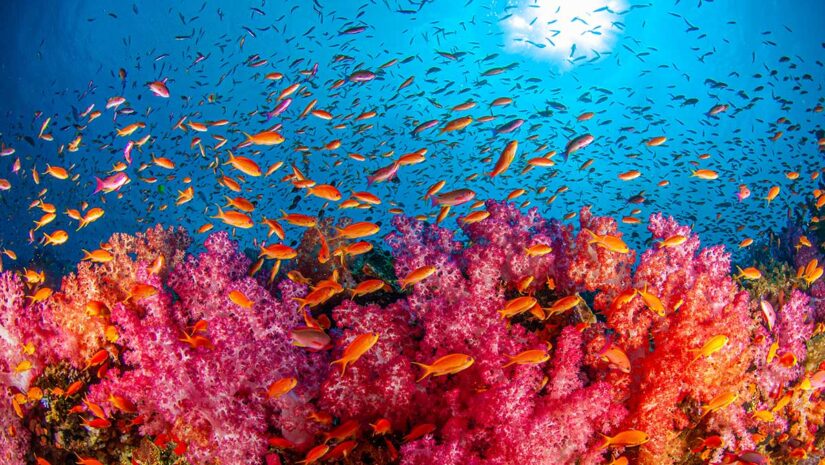
Coral reefs are incredibly biodiverse but, unfortunately, are highly sensitive to environmental changes. This is where you can help. Be a part of coral monitoring programs. There, you record observations on coral bleaching, disease, and growth patterns. This data helps scientists track the health of coral reefs and identify areas in need of protection. On a broader scale, this can even help climate change studies.

Track Fish Populations
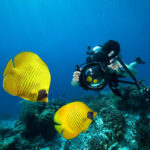
Fish populations largely indicate how healthy an ecosystem actually is. By documenting the abundance, diversity, and behavior of fish populations during their dives, citizen scientists can provide data that informs fisheries management, helps detect shifts in species distributions, and supports conservation planning.
Document Changes in Underwater Ecosystems
The ocean is constantly changing. This is something everyone knows. However, the changes in the ocean are subtle and difficult to detect, so it’s not something that many people can actually see.

As we’ve discussed in the citizen science definition above, divers are underwater a lot. So, they have the privilege of being able to notice and document these changes firsthand. This could be the reign of invasive species, marine debris, or shifts in the seafloor habitats. This kind of real-time observation is extremely valuable for researchers who need to understand how marine ecosystems are responding to various stressors.
Participate in Citizen Science on Catalina Island
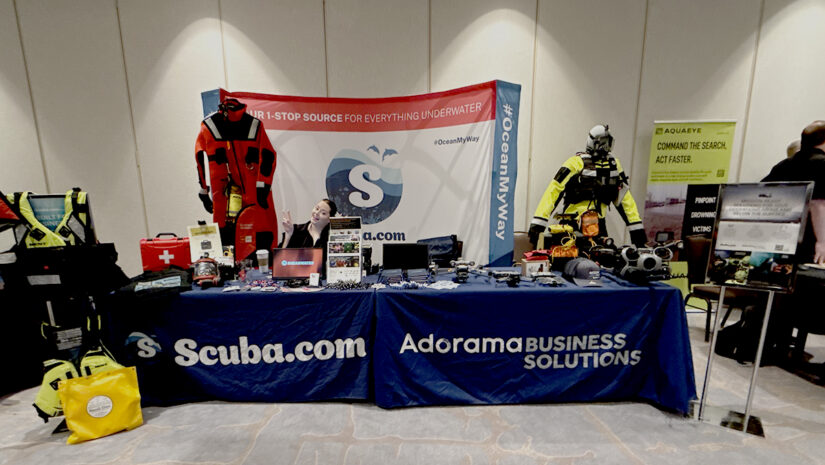
If you’re eager to become a citizen scientist after getting an idea about what it is, there’s an exciting opportunity just around the corner. Scuba.com, in partnership with Bleu World Expeditions, is hosting a weekend of camping and science diving on Catalina Island on September 20, 2024. Here’s a rundown of what to expect:

A Weekend of Adventure and Purpose
You’ll join a group of ocean health enthusiasts on Catalina Island for two nights of camping. During this time, you’ll participate in a full day of scientific diving at Casino Point Dive Park and a day of kayak diving at Bleu Grotto, a monitoring site located just down the coast from Avalon.
Dive and Kayak
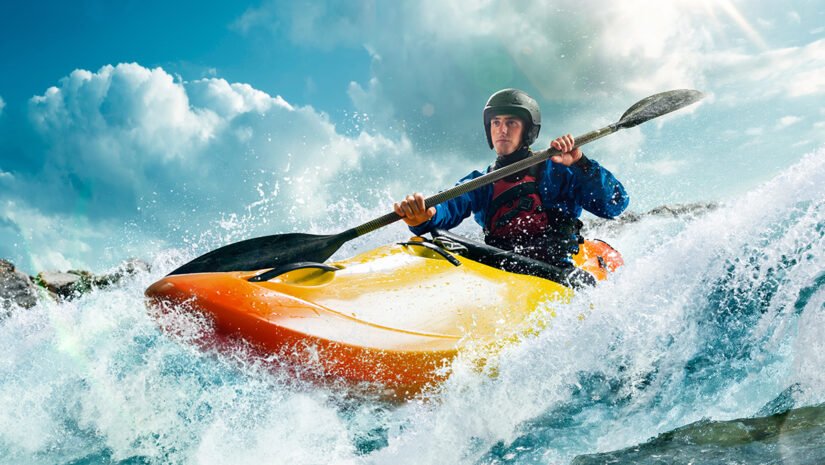
Together with everyone, you will spend the weekend science diving and ocean kayaking to collect community science data as part of the Catalina Monitoring Program. Additionally, there will be a Catalina Community Cleanup event. There, you get to give back to the local community in a meaningful way.
List of Inclusions
- Two nights at Hermit Gulch Campground
- Full campsite setup with a six-person tent, bed with padded cushion, blanket, and pillow
- Round trip on the Catalina Express from Long Beach to Avalon
- A full day of science dive training at Casino Point Dive Park
- A full day of kayaking and science diving at Bleu Grotto
- Tanks, weights, and air fills for all dives
- All meals
Interested? Sign up here.
Ready to Become a Citizen Scientist?

If you’re ready to dive in and make a difference, consider joining the upcoming expedition or seeing any local opportunities near you! As we’ve discussed above, always remember its cause and importance.
Becoming a citizen scientist will allow you to combine your love for diving with a passion for ocean conservation. And for some, that sounds like heaven! It’s a win-win sitch: you get to enjoy an unforgettable diving experience while contributing to a greater cause.