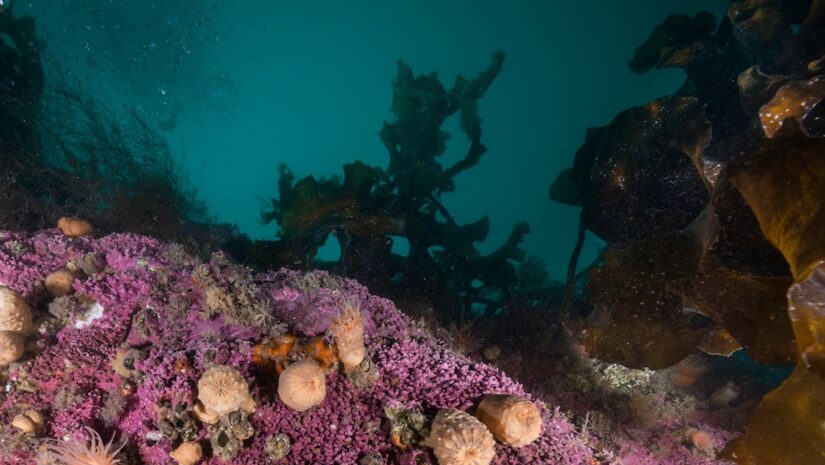
Cold water diving requires a bit more preparation – thicker exposure suits, more insulation, and additional safety checks – but for those who are ready, the underwater rewards are well worth the effort. Here are five of the best cold water diving destinations in the U.S., each offering a uniquely wild and memorable experience.
Monterey Bay – California, USA
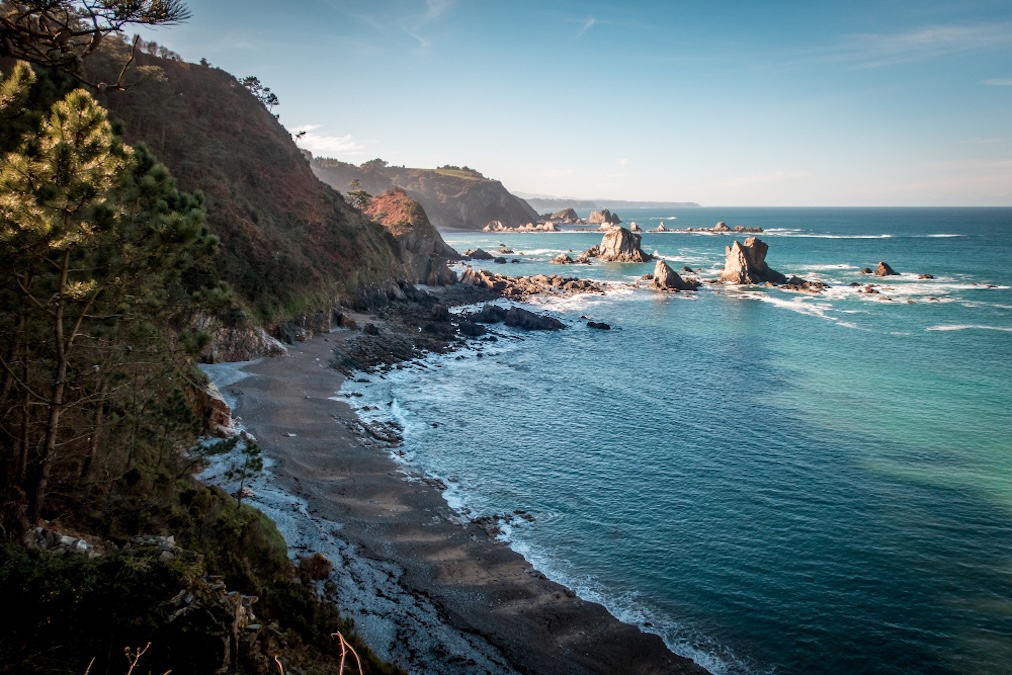
With water temperatures typically ranging between 50–55°F (10–13°C) and visibility stretching 30–60 feet, Monterey Bay is one of the most beloved cold water diving destinations in the United States. Its underwater landscape is famous for towering kelp forests, harbor seals, nudibranchs, and easily accessible shore dives.
Divers can explore vibrant marine life at Breakwater Cove or venture into deeper sites like Point Lobos. The region supports a thriving dive community and excellent facilities year-round. The bay’s kelp forests are dynamic ecosystems, growing several feet a day and sheltering creatures such as cabezon, lingcod, sea stars, and playful sea otters. San Carlos Beach offers calm entry points ideal for beginners, while advanced divers often seek out deeper reefs for better visibility and wildlife encounters.
Bonne Terre Mine – Missouri, USA
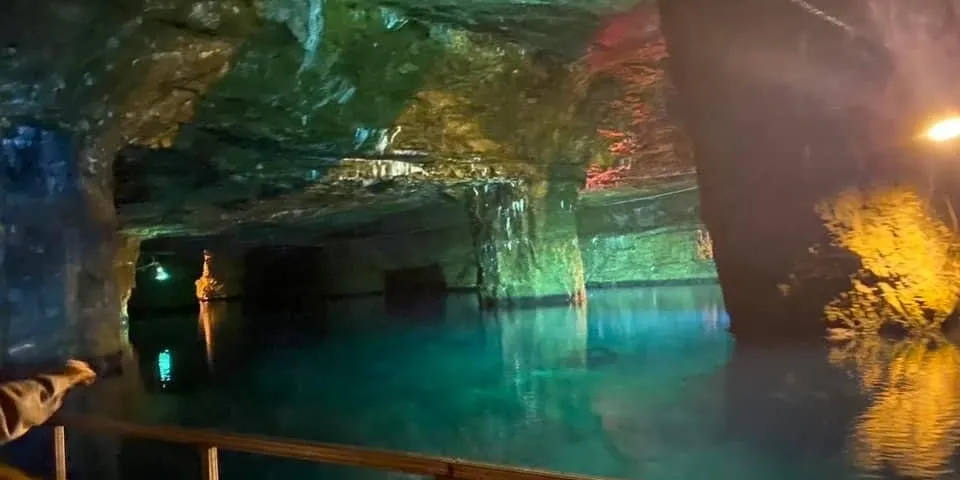
Set in the heart of the Midwest, Bonne Terre Mine delivers a rare freshwater diving experience with a constant water temperature of 58°F (14°C) and exceptional 80–100 feet of visibility. This destination offers guided underground diving through a massive, submerged lead mine filled with tunnels, bridges, and vintage mining equipment.
Though there is no aquatic life, the surreal structures and crystal-clear water create an unforgettable environment. With no currents and little to no silt, it’s ideal for divers looking to ease into cold water conditions. All dives here are guided and tailored for beginners with basic buoyancy skills. The mine’s unique setting provides a historical edge that’s both eerie and awe-inspiring.
Channel Islands – California, USA
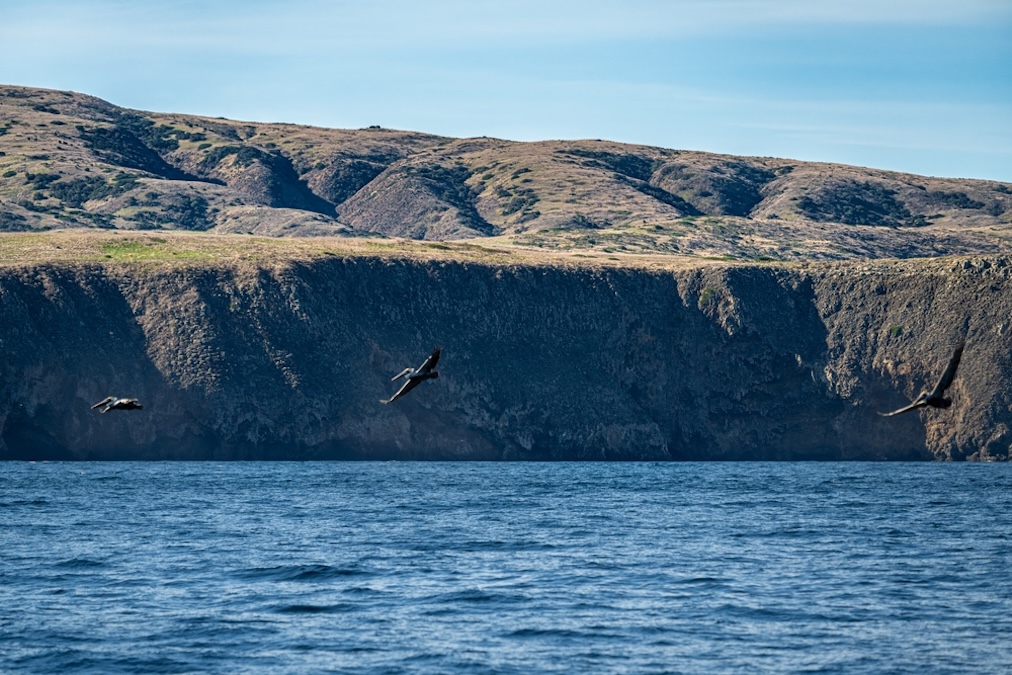
The Channel Islands, often called the “Galápagos of North America,” lie just off Southern California and boast water temperatures between 52–60°F (11–15°C) and visibility of 40–80 feet. These islands offer a remote diving experience filled with kelp forests, sea lions, bat rays, and rugged underwater topography.
Protected as a national marine sanctuary, the volcanic islands are a haven for marine biodiversity. Boats from Ventura and Santa Barbara ferry divers to hot spots like Anacapa and Santa Cruz Islands. Highlights include interacting with the curious sea lions, gliding past bat rays, and spotting vibrant nudibranchs in the kelp. Conditions can vary with wind and swell, but on calm days, the experience is unmatched on the Pacific Coast.
Lake Superior – Michigan/Wisconsin/Minnesota, USA

Spanning three U.S. states, Lake Superior is known for water temperatures between 40–55°F (4–13°C) and visibility ranging from 30–100 feet. What sets it apart is its reputation for preserving shipwrecks in near-perfect condition due to the cold, fresh water that halts decay.
Divers can visit iconic wreck sites in areas like the Apostle Islands National Lakeshore and Thunder Bay National Marine Sanctuary. Many schooners and steamships rest in shallow waters, some as little as 20 feet deep, allowing for long, detailed dives. Though it’s a freshwater environment, the cold demands a drysuit or thick wetsuit. For wreck diving enthusiasts and underwater photographers, this is one of the best locations in North America.
Hood Canal – Washington, USA
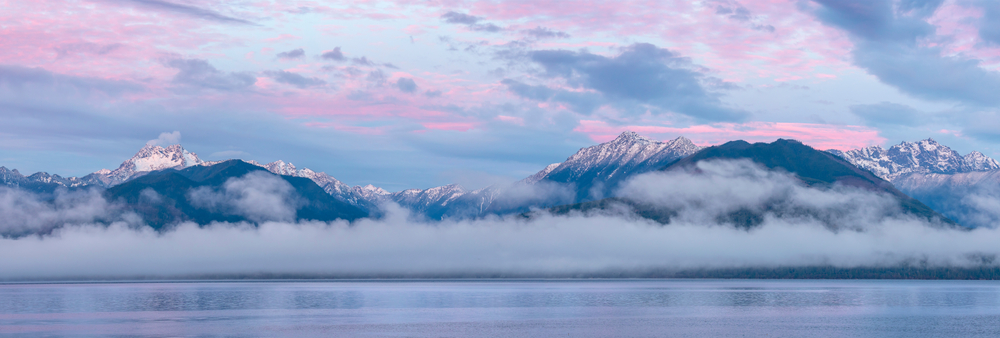
Hood Canal, a glacial fjord in the Pacific Northwest, features water temperatures of 45–55°F (7–13°C) and visibility from 20–60 feet. It is prized for unique marine life, including wolf eels, giant Pacific octopuses, and intricate fjord terrain.
Easily accessible from Seattle, Hood Canal offers nutrient-rich waters that foster an abundance of sea life. Sites like Sund Rock and Octopus Hole are especially popular for shore dives and regular sightings of charismatic species. With strong currents and lower visibility at times, it’s best suited for experienced divers. Night dives reveal even more marine biodiversity, making it a go-to for serious underwater naturalists.
Site-Specific Gear Notes
Monterey Bay, CA
- Kelp-cutting tool for entanglement situations
- Spring-strapped fins for easier donning with gloves
Bonne Terre Mine, MO
- Backup dive light a must—mine diving is low-light throughout
- Neutrally buoyant fins for overhead environments
Channel Islands, CA
- Sea-sickness tablets for boat rides
- Hard gear case or drybag for protecting gear on the deck
Lake Superior, MI/WI/MN
- Dry gloves and thermal socks for long wreck dives
- Wide-angle dome lens for capturing massive preserved wrecks
Hood Canal, WA
Cold Water, Unforgettable Rewards
While cold water diving may require more preparation and thermal gear, the rewards are extraordinary. From the Pacific coast to inland lakes and underground mines, the United States offers a wide range of cold dives that rival any tropical site.
Each destination on this list delivers a unique flavor of adventure, from eerie wrecks to playful marine mammals and towering kelp forests. Whether you’re looking to challenge yourself or simply escape the crowds of tropical resorts, cold water diving is your ticket to the unexpected.
So suit up, zip into your drysuit, and dive into the untamed underwater worlds that await right here in the U.S.
FAQs: Cold Water Diving in the U.S.
Not always. For water temperatures below 50°F (10°C), a drysuit is highly recommended for comfort and safety. In slightly warmer waters, a 7mm wetsuit with hood, gloves, and booties may be sufficient depending on your tolerance and dive duration.
Yes—with the right gear and guidance. Some cold water sites, like Monterey’s Breakwater Cove or Bonne Terre Mine, are ideal for beginners. However, training in cold water dive techniques, proper exposure protection, and buoyancy control is essential.
Cold water ecosystems are incredibly diverse. You may encounter sea lions, wolf eels, harbor seals, octopuses, nudibranchs, bat rays, and even kelp forests teeming with fish. In freshwater sites like Lake Superior, preserved shipwrecks are the main attraction.
Bring appropriate thermal protection (drysuit or thick wetsuit), a dive hood, gloves, and cold-water rated regulators. Always check conditions, dive with a buddy, and use gear that performs well in lower temperatures.
Many cold water sites are diveable year-round, but late summer to early fall often provides the best visibility and calmer conditions—especially on the West Coast. For freshwater lakes and mines, indoor or thermally stable environments are accessible even in winter.