Weight Integrated Scuba Gear
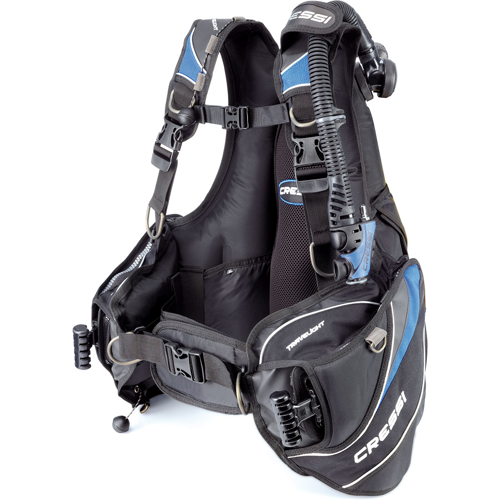
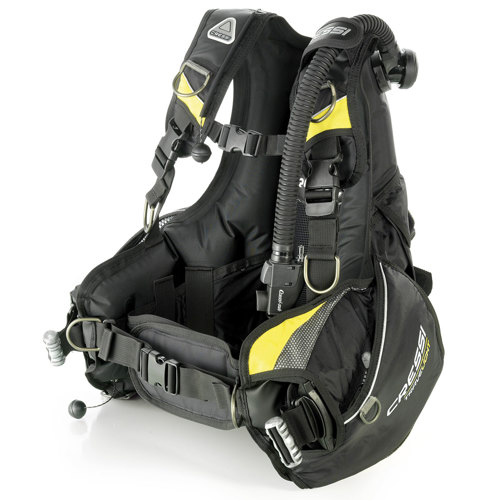
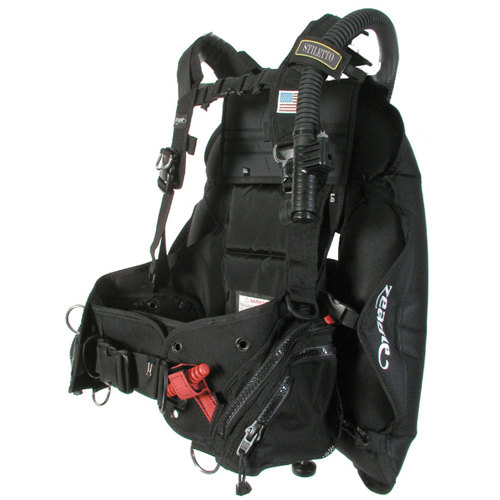
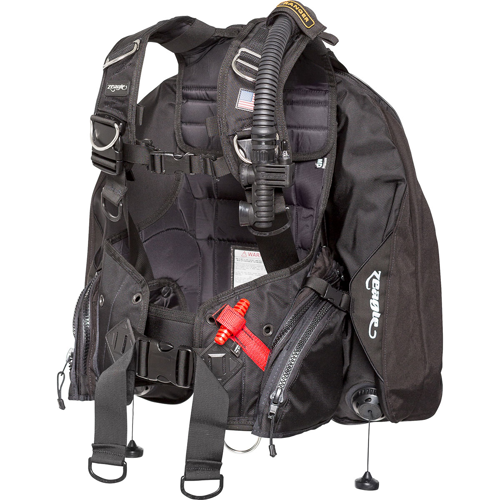
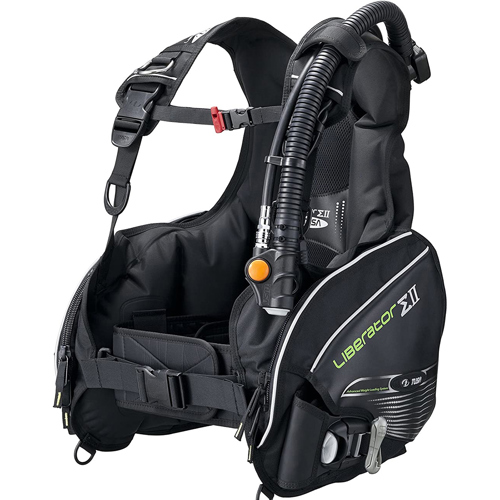
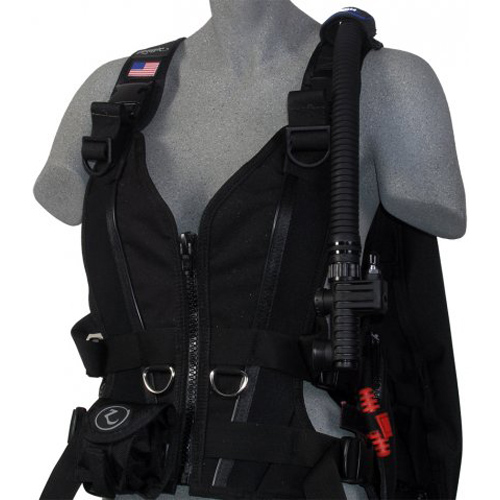
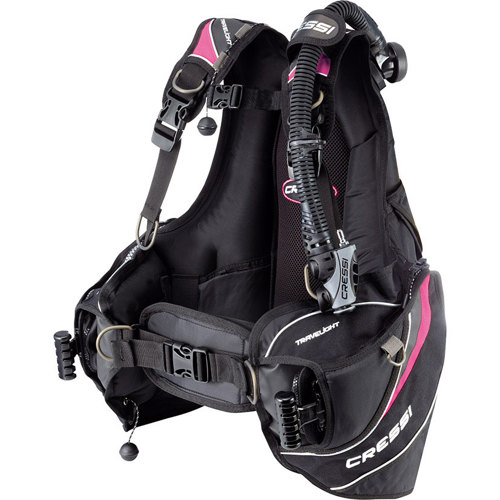
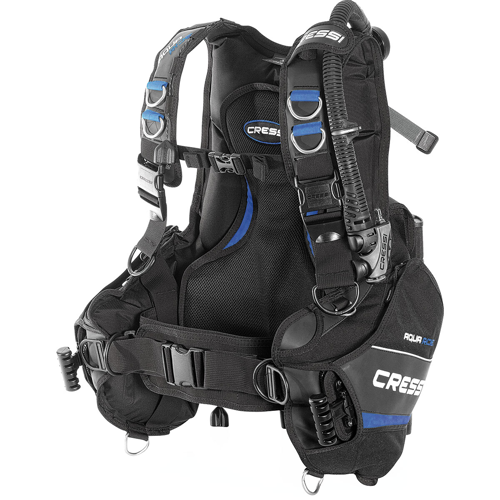
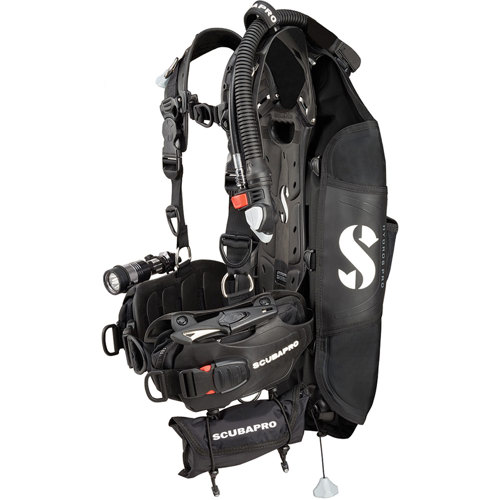
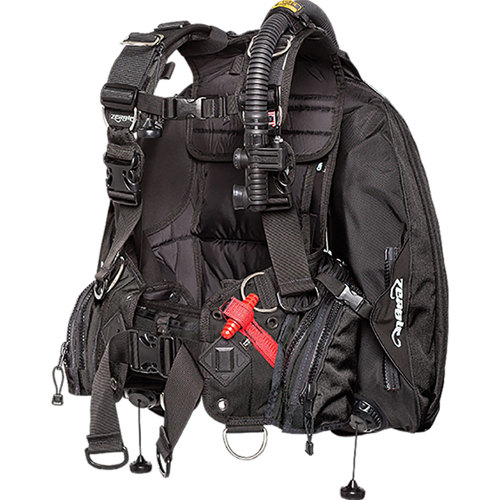
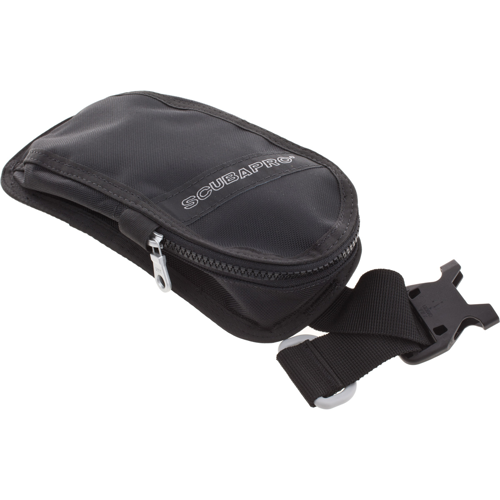
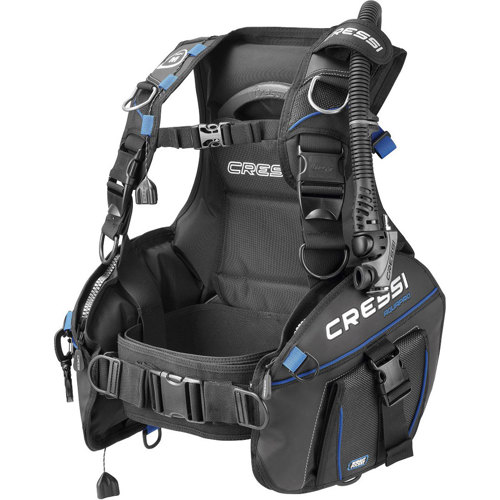
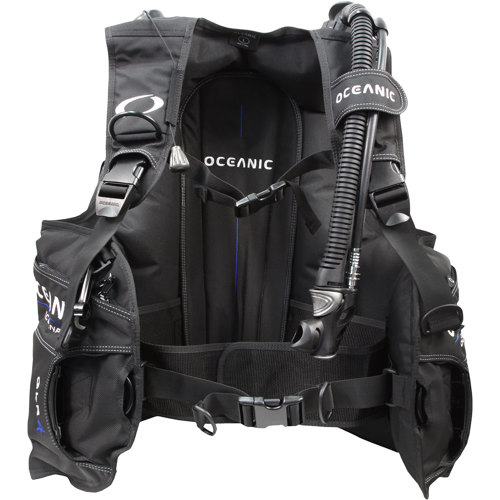
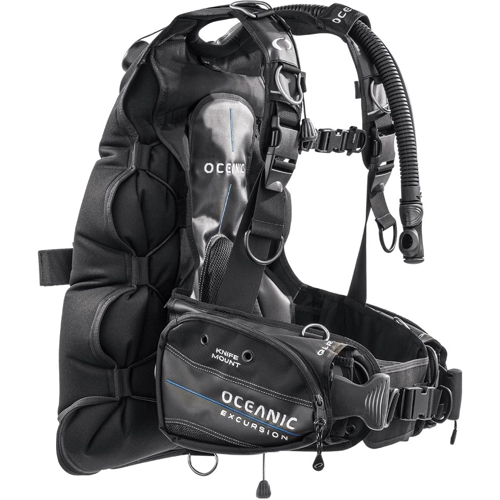
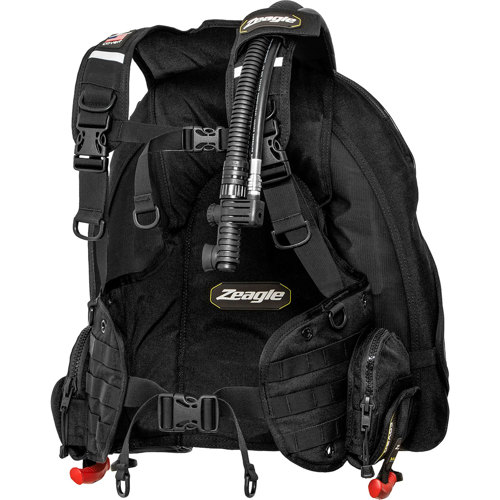
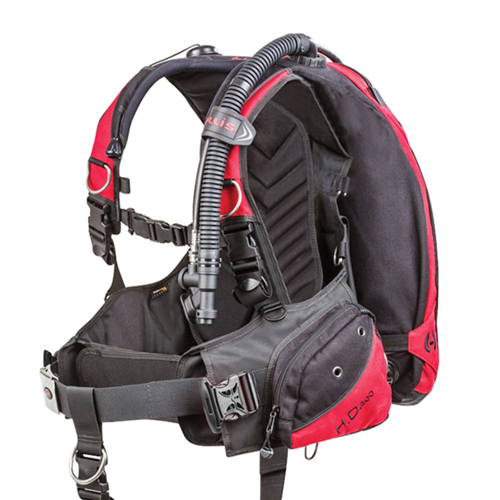
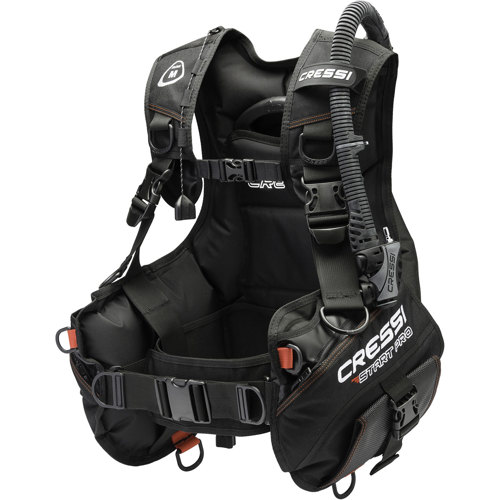
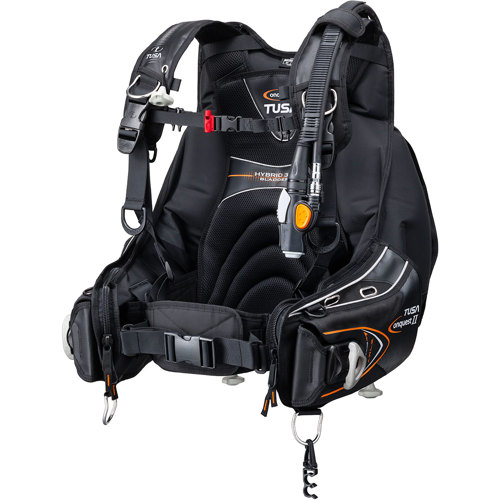
Weight integrated scuba gear has transformed the diving experience for enthusiasts of all levels, offering a streamlined alternative to traditional weight belts. As the autumn diving season arrives and water temperatures begin to shift, divers often find themselves adjusting their exposure protection, which in turn affects buoyancy and weight requirements. Weight integrated systems, typically built into buoyancy compensators (BCDs), allow divers to distribute weight more comfortably and securely, reducing the risk of slippage and the discomfort of having weights dig into the hips or lower back. This design not only improves freedom of movement underwater but also simplifies the process of ditching weights in an emergency, thanks to quick-release mechanisms that are intuitive even with gloved hands.
For those shopping for new gear, weight integrated options are particularly appealing for their ability to enhance both safety and enjoyment. Divers who frequently travel will appreciate the convenience of not having to pack a separate weight belt, especially when hopping between shore dives and boat excursions. Newer divers often find weight integrated systems less intimidating, as the gear feels more like a natural extension of the body rather than an added burden. Experienced divers, on the other hand, value the fine-tuned trim and balance that these systems provide, allowing for more precise buoyancy control and effortless gliding along reefs or through kelp forests. If you’re considering a thoughtful gift for a diver this season, weight integrated gear stands out as a practical choice—perfect for someone gearing up for a winter getaway to warmer waters or for those who enjoy exploring local dive sites as the crowds thin out and marine life becomes more active with the changing seasons.
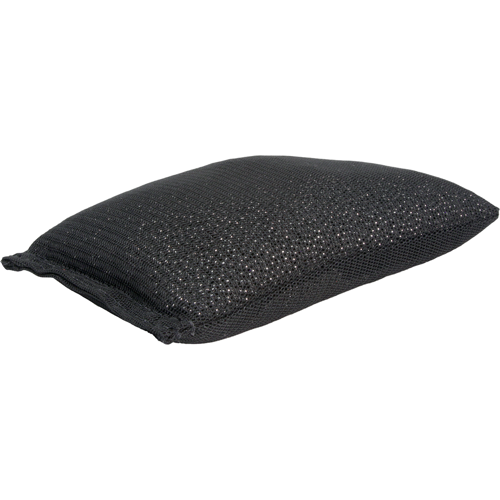
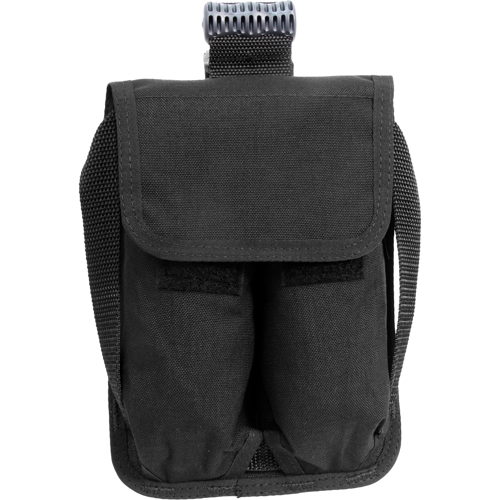
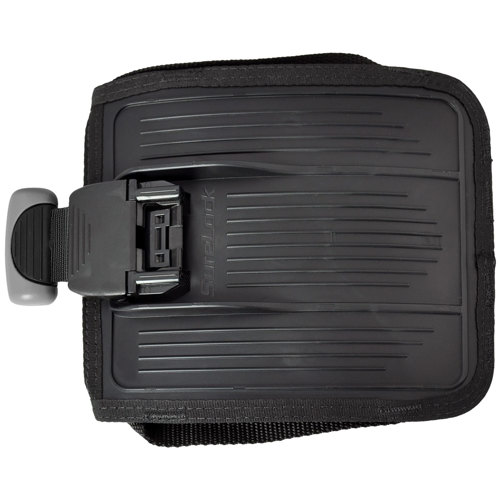
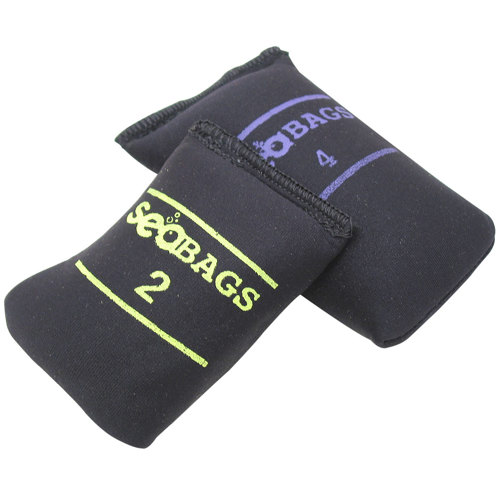
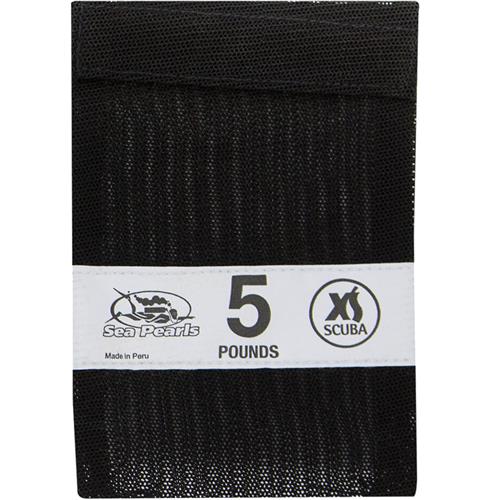
When selecting weight integrated scuba gear, it’s important to factor in not just the capacity and placement of the weight pockets, but also the ease of loading and unloading weights, the overall fit of the BCD, and how the system interacts with other equipment like drysuits or thick wetsuits. Some divers prefer modular systems that allow for the addition of trim pockets or the adjustment of weight distribution, which can be especially useful as exposure suits change with the seasons. Transporting weights remains a practical consideration, especially for those who need to move gear from car to shore or between dive boats. For tips on making this process easier and more efficient, explore our guide to
Scuba Weight Transport. Ultimately, weight integrated scuba gear is about more than just comfort—it’s about enhancing every aspect of the dive, from the first step into the water to the last kick back to the surface, ensuring each adventure is as safe and enjoyable as possible.