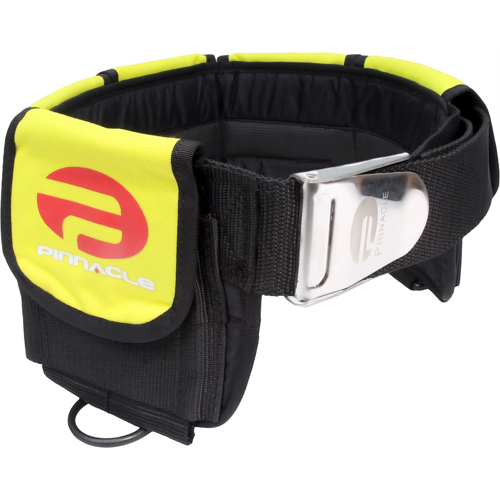
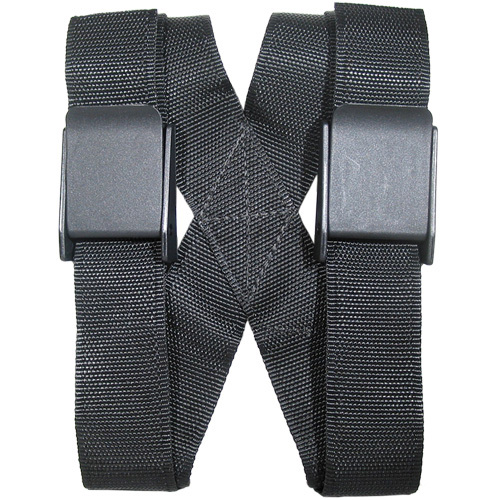
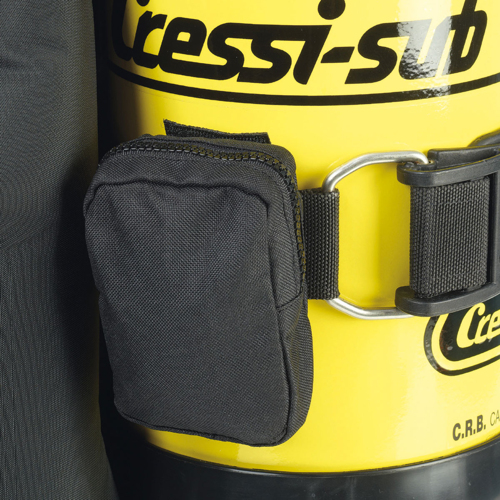
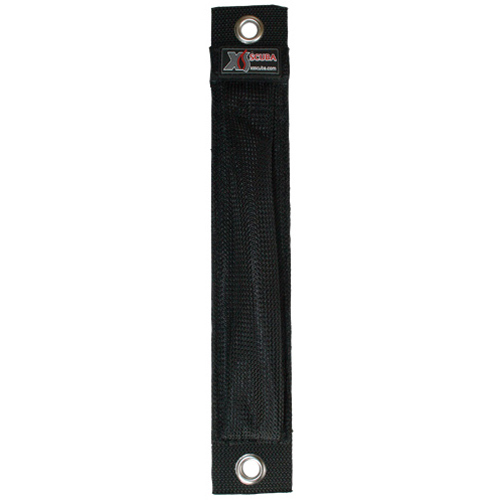
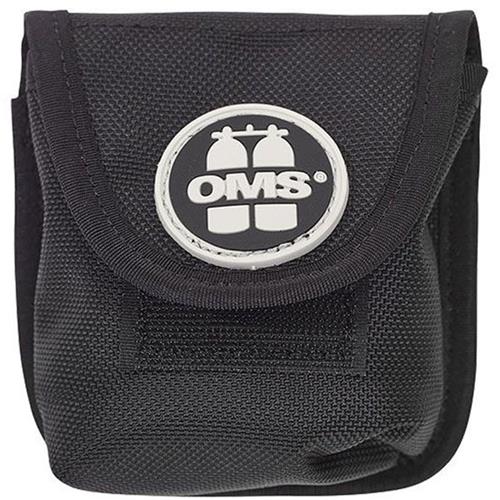
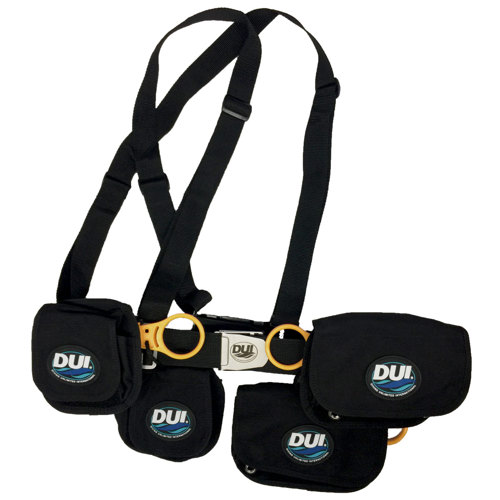
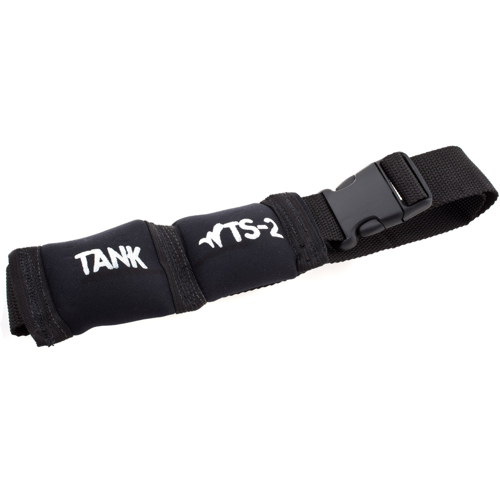
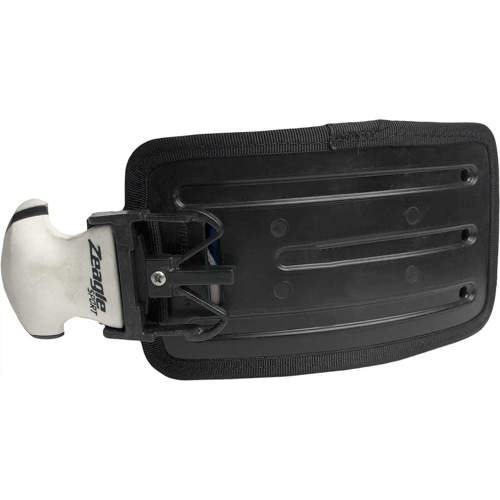
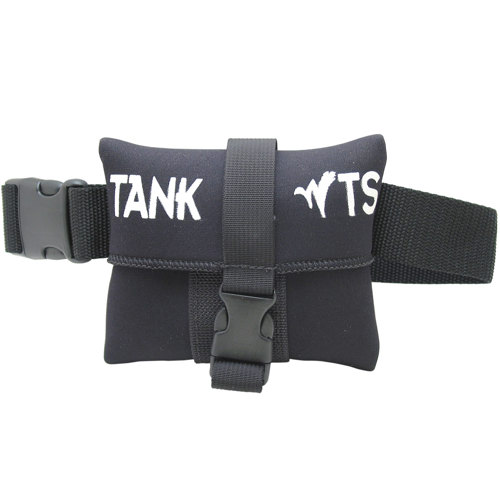
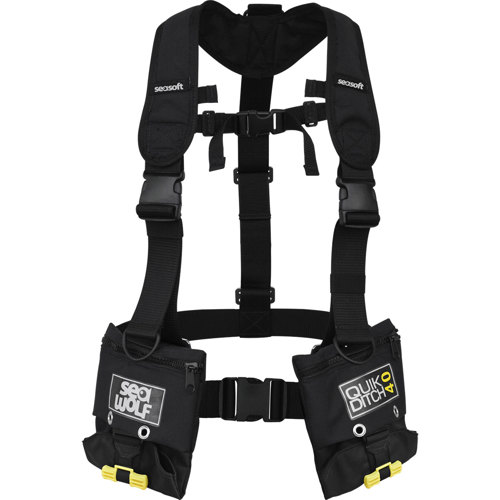
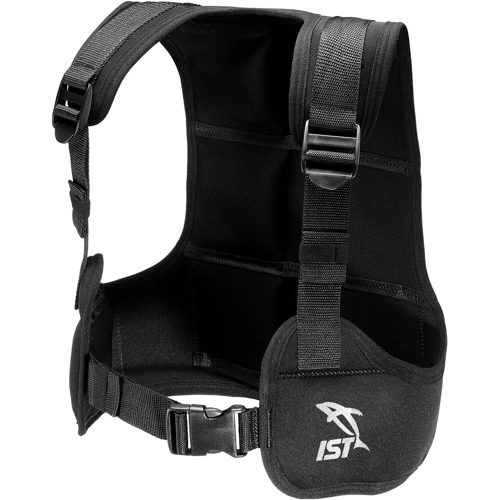
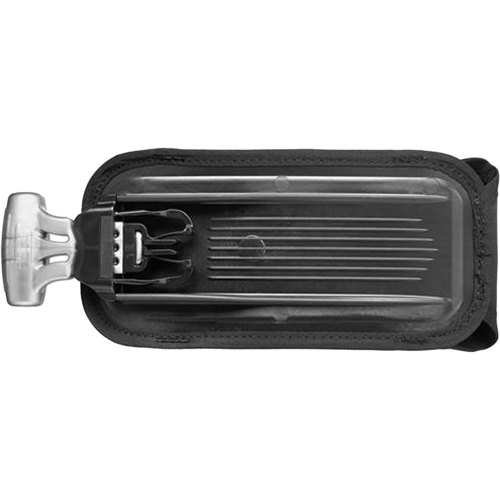
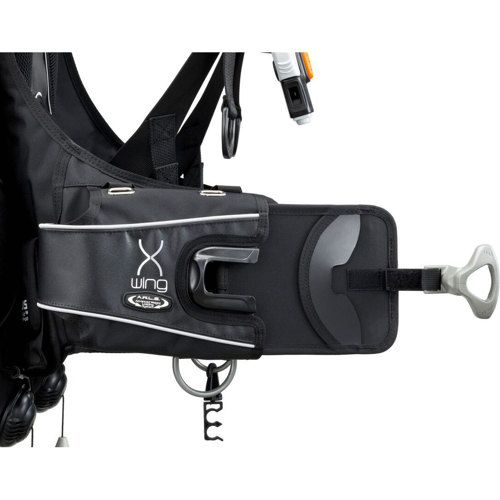
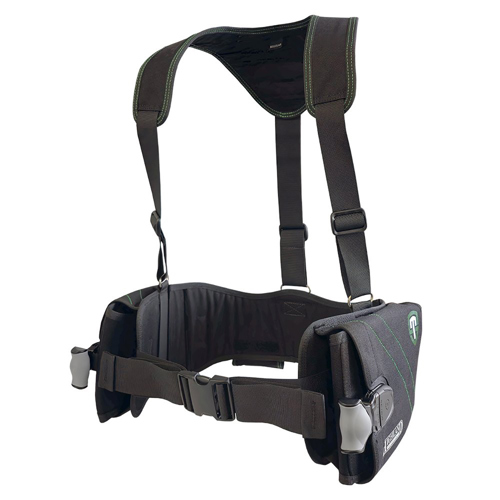
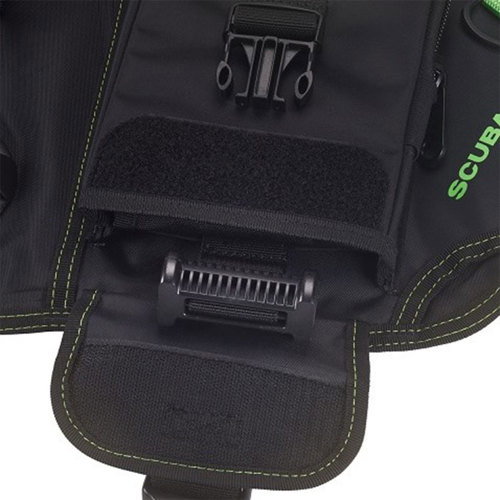
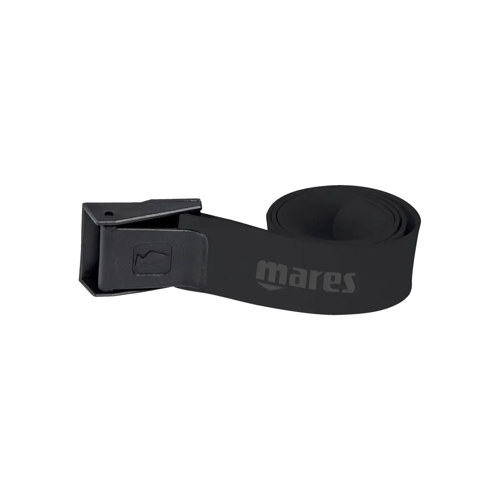
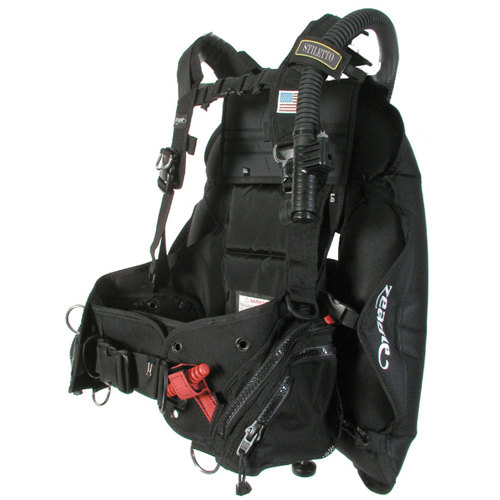
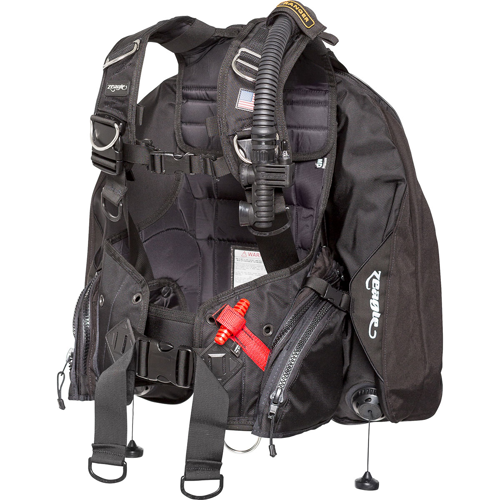
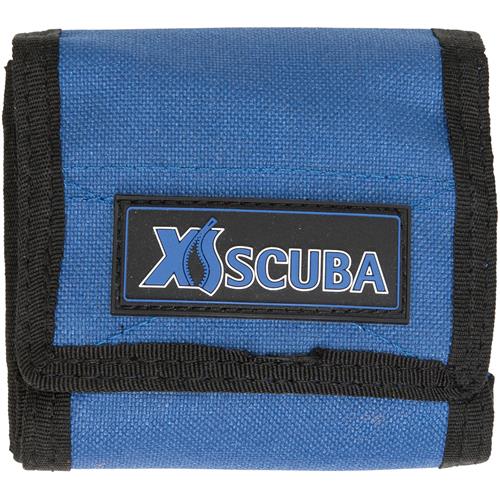
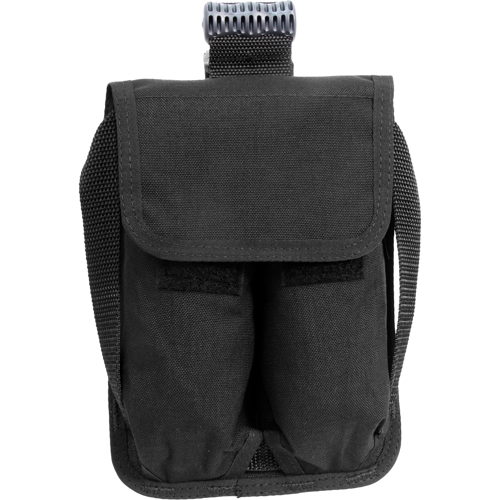
As the weather warms and more divers and fitness enthusiasts head outdoors, the demand for weight belt alternatives continues to grow. Traditional weight belts have long been a staple for achieving proper diving trim in scuba diving, but advancements in gear and training have opened up a world of options for those seeking a more customized or comfortable approach. Modern buoyancy compensators with integrated weight pockets, for example, allow divers to distribute lead weight throughout their gear rather than concentrating it on the hips, reducing discomfort and making it easier to move both above and below the surface. For those who find a weight belt in scuba diving restrictive or cumbersome, these alternatives can be a game changer, especially during longer dives or in warmer waters when lighter wetsuits are used. Fitness enthusiasts, too, are discovering the benefits of belt alternatives for weighted pull-ups, dips, and hip thrusts. Instead of relying on a single belt, many are turning to resistance bands, weighted harnesses, or innovative breath belt alternatives that allow for greater flexibility and core engagement during strength training.
Gift-giving season for divers and athletes often peaks as the days grow longer and group outings become more frequent. For anyone shopping for a diver who seems to have every gadget, or a fitness buff always seeking the next challenge, belt alternatives offer a thoughtful and practical option. These products are ideal for divers who struggle with traditional weight belts due to body type, back issues, or personal preference. Integrated weight systems and harnesses are particularly popular among those who value comfort, streamlined gear, and a personalized fit. For gym-goers, a weighted pull ups alternative such as a resistance band setup or a padded hip thrust belt can be a welcome addition to any home workout space, providing new ways to add resistance without the bulk or potential discomfort of a classic belt. Whether training for improved core stability or simply looking for a better way to achieve balanced diving trim, these alternatives can help users refine their technique and enjoy their sport more fully.
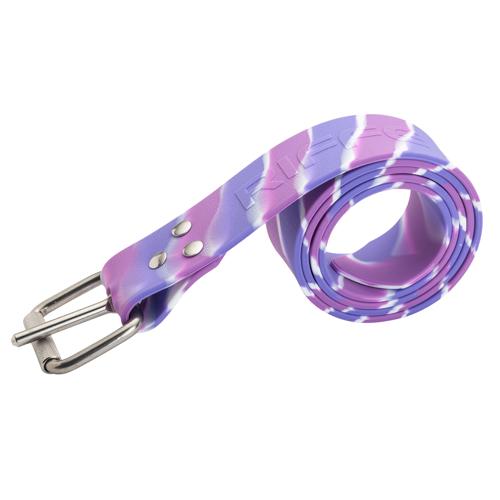
When considering which weight belt alternative to choose, think about the user’s experience level, typical environment, and specific needs. Divers who frequently travel or dive in varying conditions may appreciate the versatility and packability of modular harness systems or BCDs with integrated weights. Those new to the sport might benefit from a system that offers easy adjustment and secure weight retention, ensuring safety and confidence in the water. For fitness applications, the right alternative depends on the exercise: resistance bands and kettlebell slings are excellent for adding incremental weight to pull-ups or dips, while dedicated hip thrust belts distribute pressure more evenly across the body during glute-focused movements. No matter the choice, these alternatives represent a move toward more ergonomic, versatile, and enjoyable experiences both underwater and in the gym. For those interested in comparing these modern solutions to traditional options, our complete selection of
Weight Belts is available for further exploration.