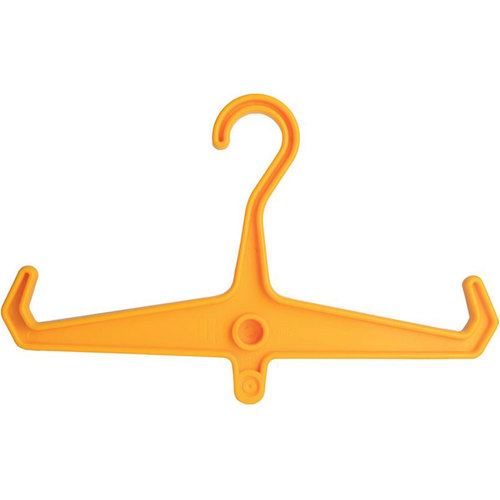
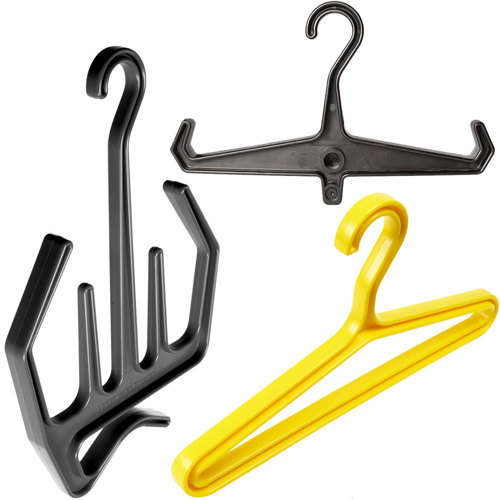
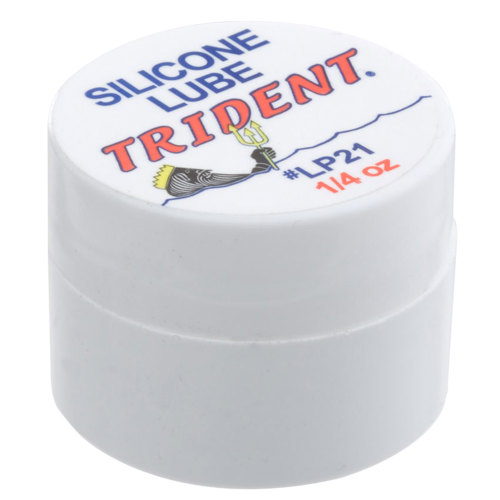
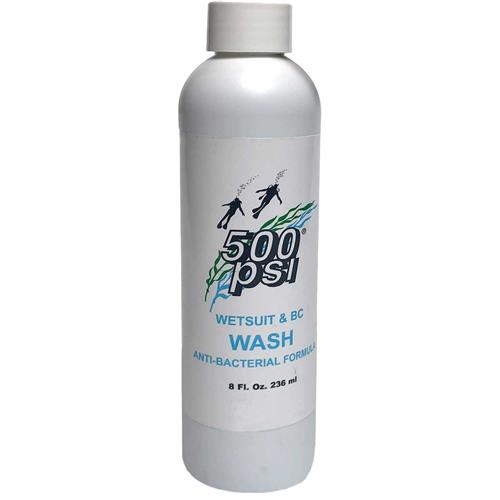
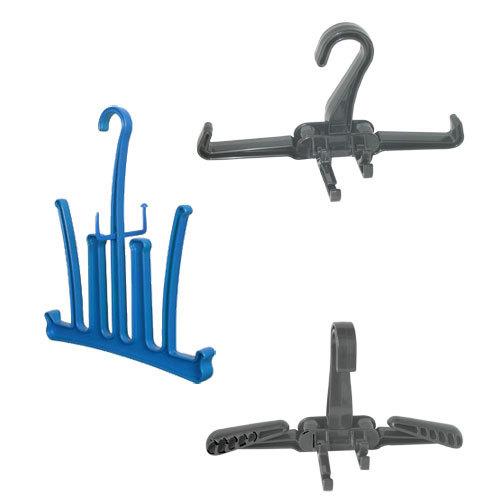
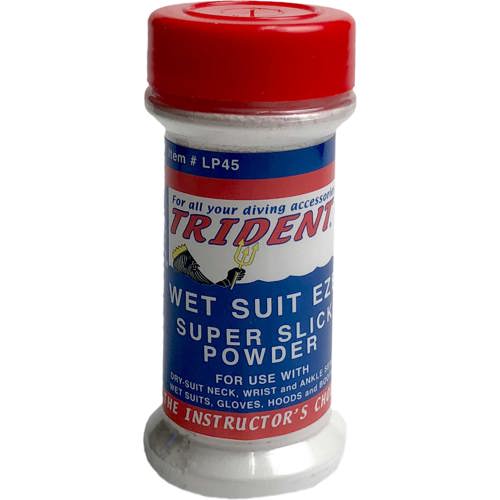
Water gear maintenance is the unsung hero behind every successful dive, snorkel, or swim adventure. Whether you’re a seasoned diver logging hours beneath the waves, a recreational snorkeler exploring vibrant reefs, or a parent making memories at the lake with your kids, proper care for your water sports equipment keeps your gear safe, comfortable, and ready for action. As the weather warms and aquatic escapes become more frequent, the importance of diligent maintenance grows—salt, silt, and chlorine can quickly take their toll on technical fabrics, zippers, and seals. After each outing, a thorough rinse in fresh water is essential to remove corrosive residues and prevent buildup. Hanging wetsuits and drysuits on wide, supportive hangers in a shaded, well-ventilated area helps preserve the elasticity of neoprene and prevents creases, while keeping gear out of direct sunlight protects against UV damage. For those who rely on waterproof zippers and rubber gaskets, regular attention with specialized lubricants and gentle cleaning tools ensures that these critical components remain leak-free and easy to operate. Even small details, like dusting silicone or latex seals with non-perfumed talcum powder, can make a world of difference in preventing sticking and cracking over time.
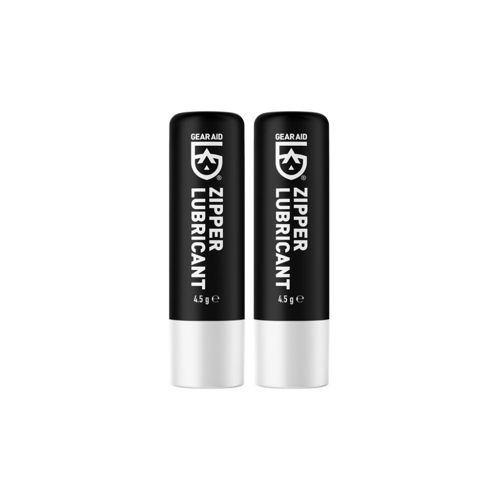
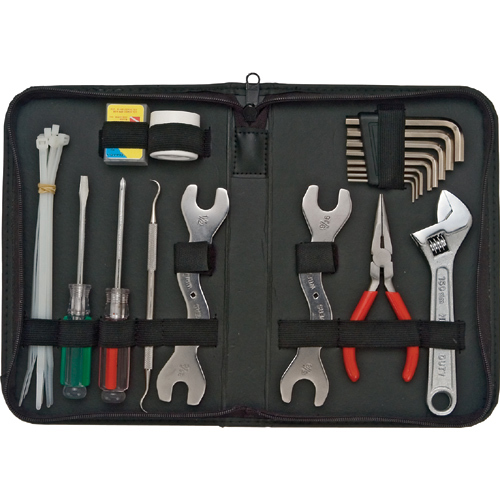
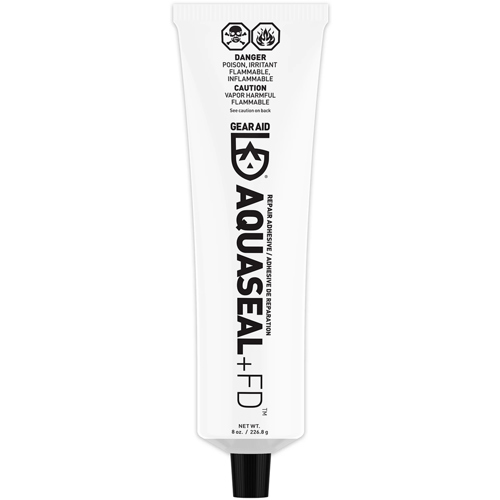
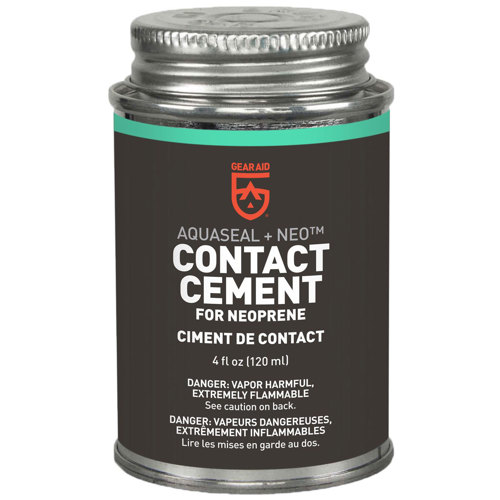
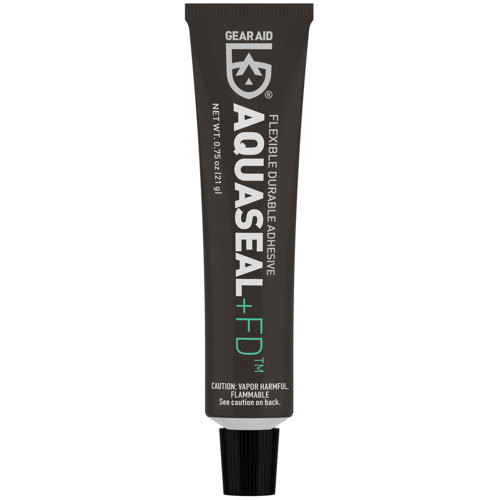
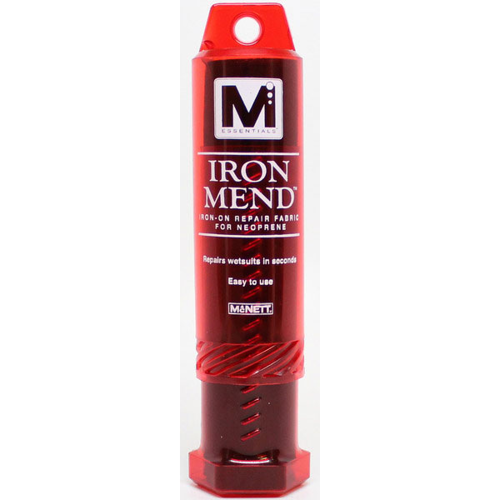
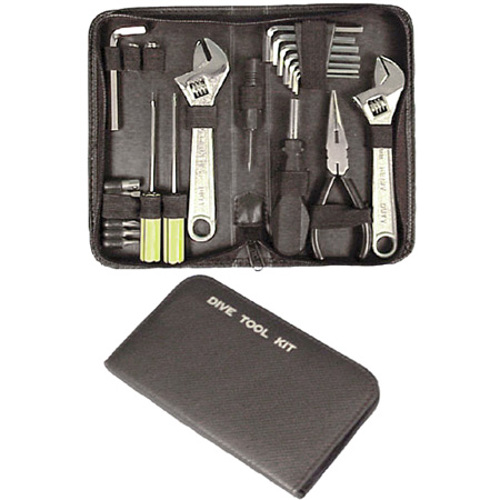
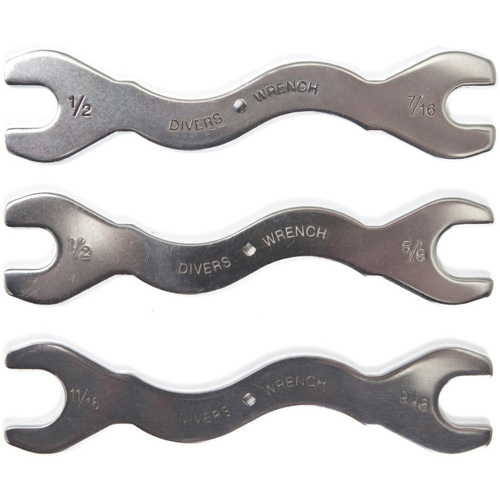
Anyone who takes pride in their gear—whether it’s a diver safeguarding a trusted regulator, a paddler maintaining a dry bag, or a swimmer caring for goggles—knows that a little routine maintenance can extend the lifespan of equipment by years. These products also make thoughtful gifts for outdoor enthusiasts, new divers, or anyone gearing up for a summer of aquatic fun. There’s something gratifying about opening a well-organized gear bag and finding every item in top condition, free from the telltale signs of neglect like salt stains, stiff zippers, or musty odors. Maintenance tools and cleaners are often overlooked essentials, but they’re invaluable for keeping gear fresh, functional, and safe. For example, a soft-bristled brush and a bottle of neoprene-safe cleaning solution can remove stubborn sand and prevent mold growth, while a tube of zipper lubricant or a patch kit can turn a potential trip-ending tear into a quick fix. Even metal hardware, like fishing reels or scuba tank bands, benefits from gentle rinsing and periodic lubrication to stave off rust and corrosion. These habits not only protect your investment but also contribute to safer, more enjoyable experiences—there’s nothing like the confidence that comes from knowing your equipment is as ready as you are for the next adventure.
As summer unfolds and water activities take center stage, investing in quality maintenance products is a smart move for anyone who spends time in, on, or around the water. Whether you’re prepping for a dive vacation, organizing gear for a family beach day, or simply making sure your equipment is in peak condition for spontaneous outings, these tools and treatments offer peace of mind and lasting value. If you’re looking for more comprehensive tips or want to keep all your outdoor equipment in top shape, you might find our
Outdoor Gear Maintenance page helpful as well. With the right approach and a little regular attention, your water gear will stay reliable, comfortable, and ready for whatever the season brings—ensuring every aquatic adventure is memorable for all the right reasons.