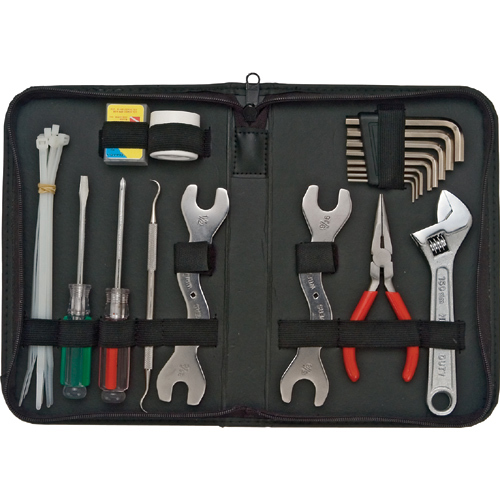
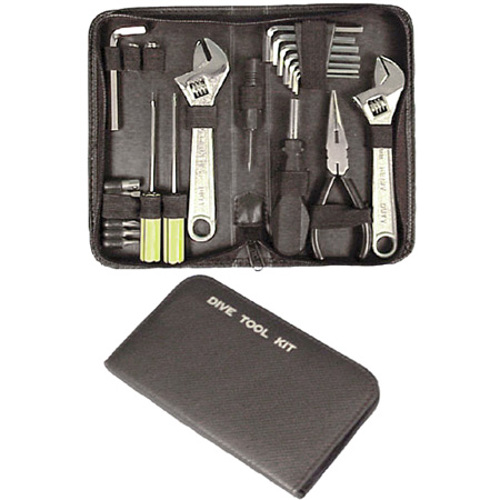
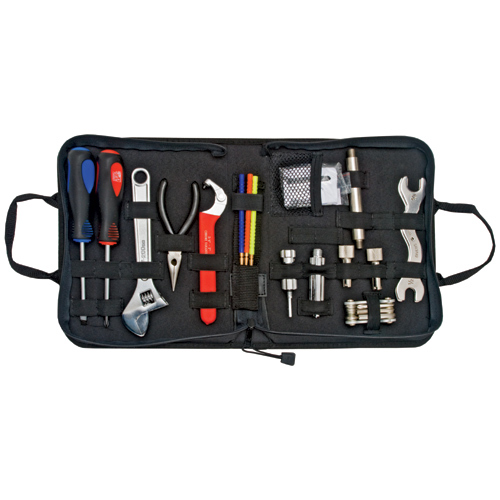
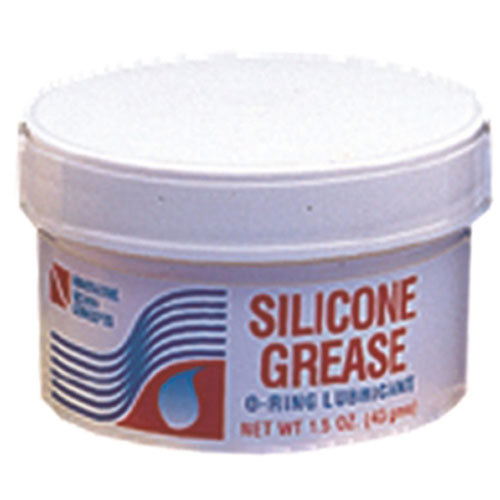
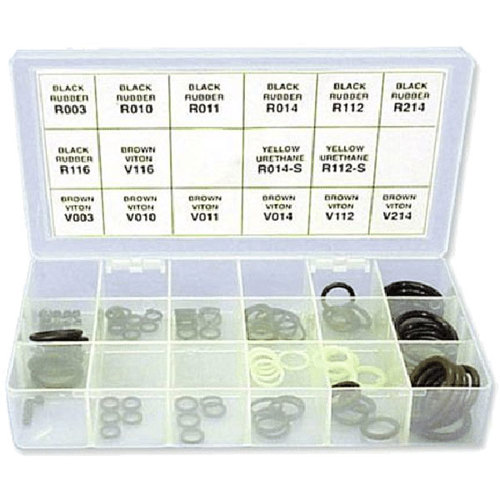
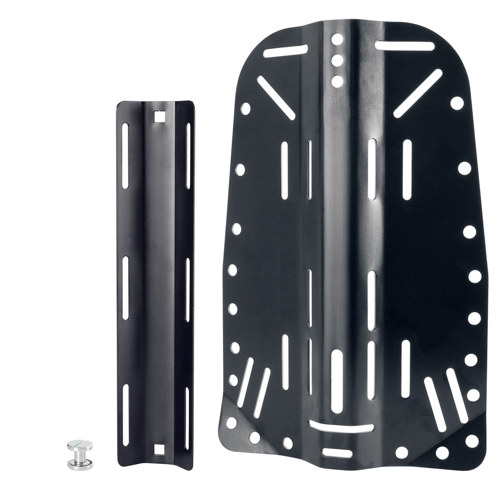
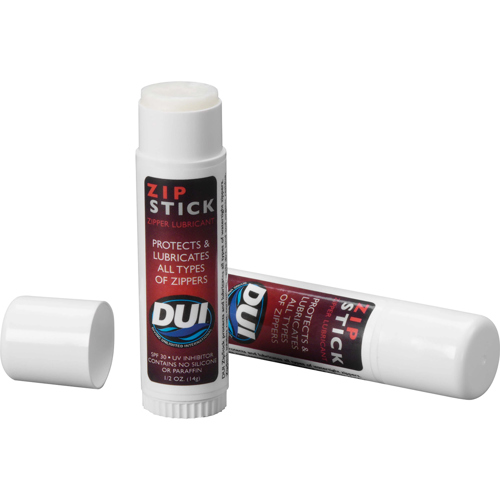
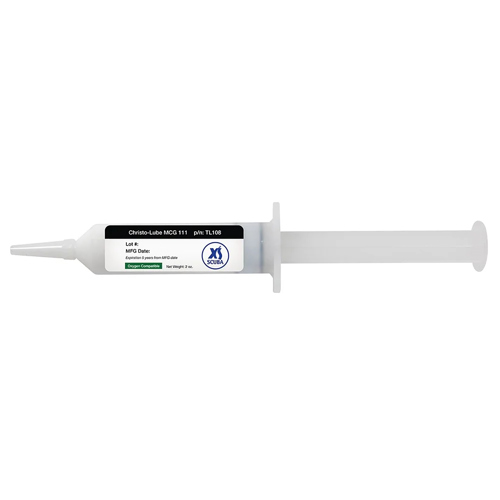
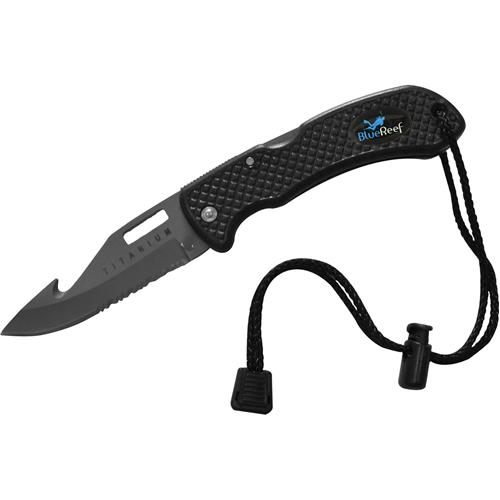
When it comes to survival gear maintenance, a little care can make all the difference between equipment that stands up to the elements and gear that lets you down when you need it most. Whether you’re a seasoned outdoor adventurer, a weekend camper, or someone who likes to be prepared for emergencies, keeping your tools and supplies in top condition is essential. Over time, exposure to moisture, salt, UV rays, and daily wear can degrade even the most rugged survival equipment. With summer on the horizon and outdoor activities ramping up, now is the perfect time to give your gear a thorough inspection and some preventative attention. Start by cleaning high-carbon steel tools with a wire brush or abrasive pad to remove dirt and surface rust, then apply a thin coat of oil to create a barrier against corrosion. For those who rely on leather sheaths or straps, remove them from metal tools when storing, and treat the leather with a quality conditioner to prevent drying and cracking—nothing beats the feel and reliability of well-cared-for leather when you’re out in the wild. Fabrics, whether it’s your favorite backpack or a compact emergency shelter, benefit from gentle hand-washing with mild soap and air drying in the shade to prevent UV damage and fading. Zippers, often overlooked until they stick or jam, should be lubricated annually with beeswax or a dedicated zipper lubricant to keep them gliding smoothly even after repeated exposure to sand, salt, and grit.
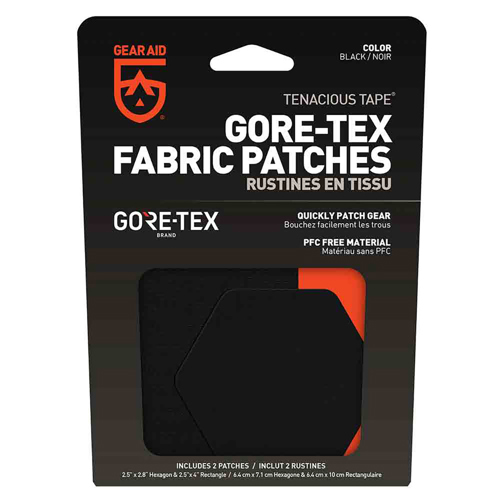
Wooden tool handles, such as those on axes or shovels, can quickly dry out and crack if neglected. Treating them with linseed oil not only preserves their integrity but also brings out the natural grain, making them a pleasure to use and a point of pride in your kit. Storage is another key aspect of survival gear maintenance—store all equipment in a cool, dry, and well-ventilated area, away from direct sunlight, to prevent material fatigue and mold growth. Sleeping bags, tarps, and backpacks should be stored loosely in breathable bags rather than tightly compressed or sealed in plastic bins, allowing fabrics to maintain their loft and flexibility. Regularly inspect your gear every six months, checking for damage, expired supplies, and outdated medications. For those inevitable field repairs, a compact sewing kit with heavy-duty needles and strong thread or fishing line can patch up torn clothing or gear, while a roll of durable tape provides quick fixes for rips in tents or tarps. Sharpening tools like diamond plates or ceramic rods are invaluable for keeping blades ready for any task, and melting frayed ends of nylon cordage with a lighter prevents unraveling at the worst moments.
Survival gear maintenance isn’t just about longevity—it’s about confidence and readiness, whether you’re gifting a starter kit to a friend or preparing your own gear for a summer of adventure. A well-maintained kit is a thoughtful gift for new campers, hikers, or anyone building an emergency preparedness plan, showing you care about their safety and success in the outdoors. For those who venture near the water, especially in saltwater environments, rinsing all gear with fresh water and drying it thoroughly prevents the corrosive effects of salt, a lesson learned by many after a weekend by the coast. Electronics and sensitive items, including first aid kits and navigation tools, should always be stored in dry, secure containers to avoid moisture damage. By incorporating these simple but effective habits into your routine, you ensure that your survival gear remains reliable, functional, and ready to perform whenever adventure—or necessity—calls. For a comprehensive selection of essentials and maintenance supplies, explore our curated collection of
Survival Gear to keep your kit in peak condition season after season.