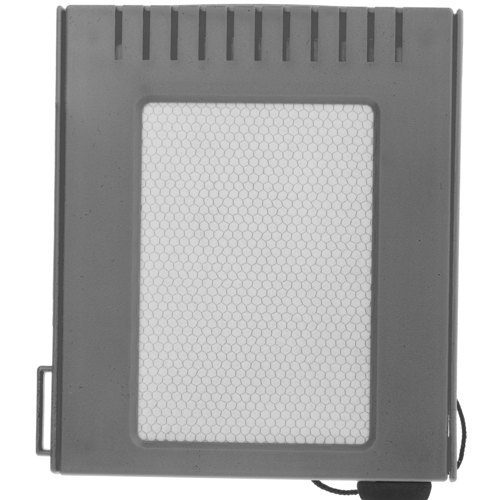
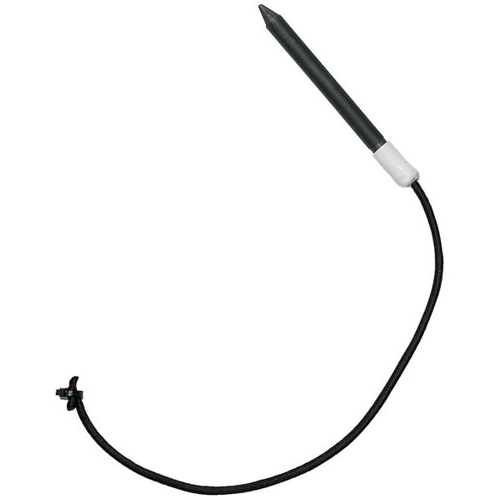
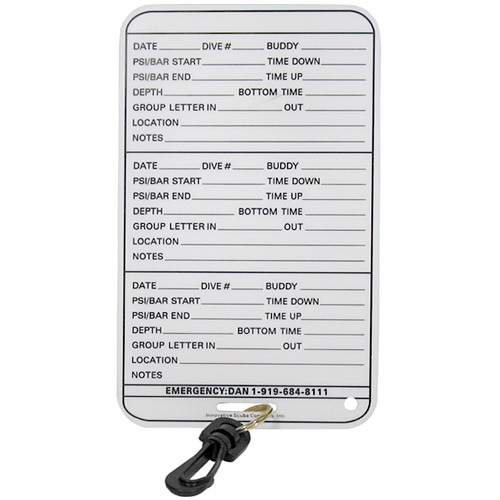
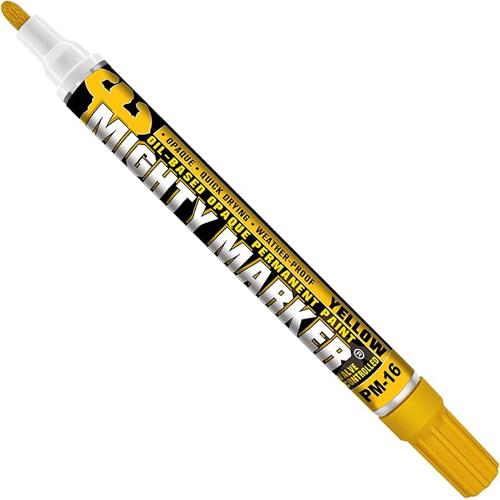
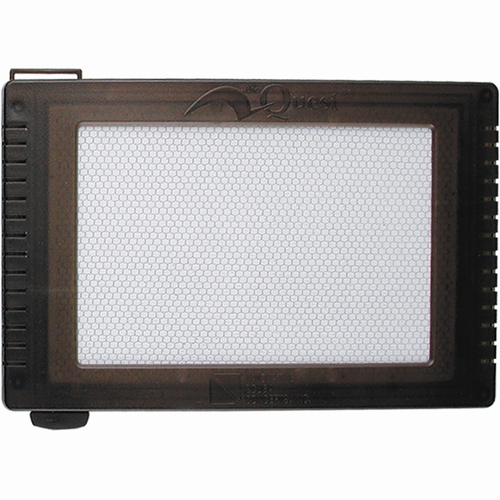
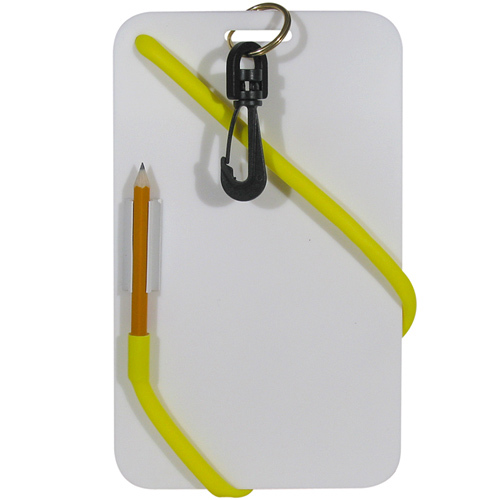
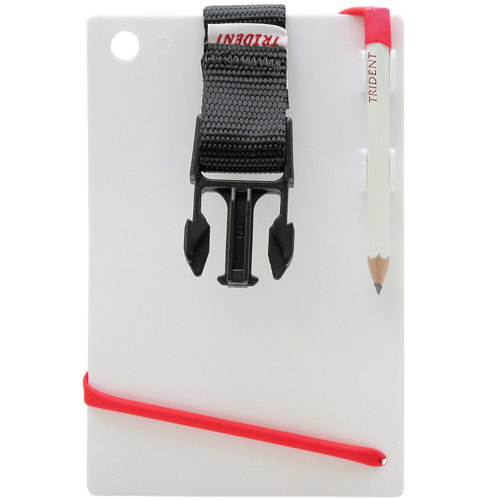
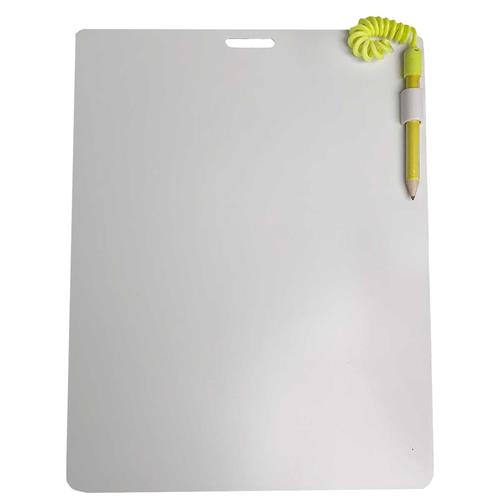
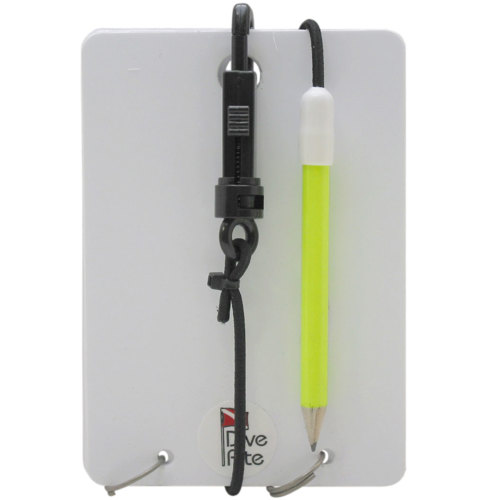
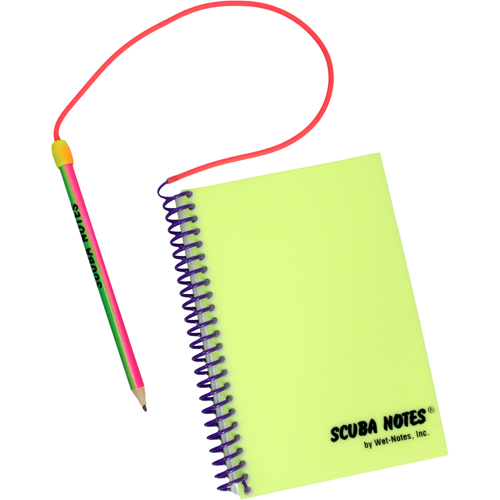
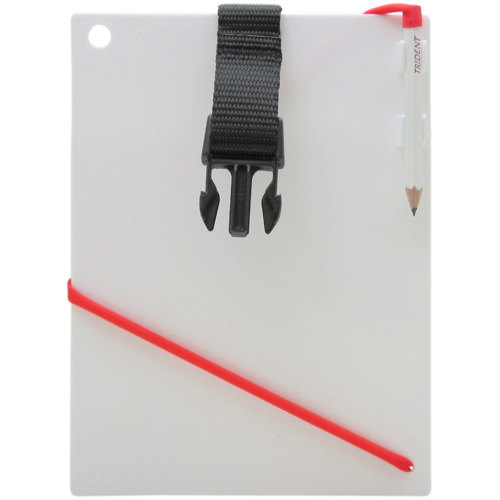
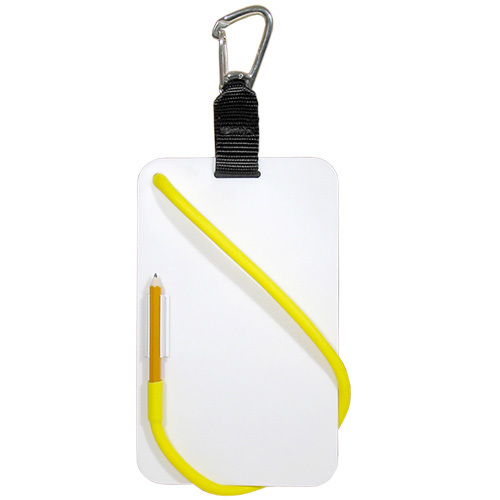
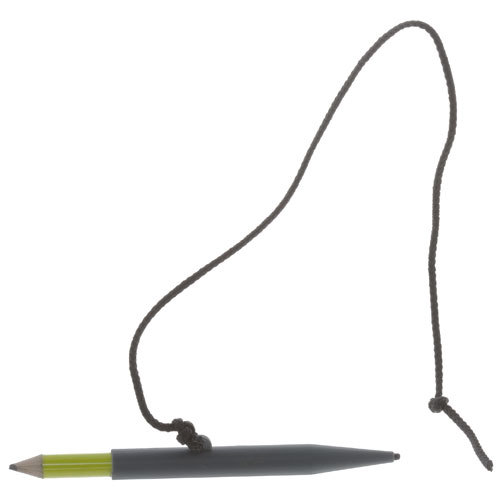
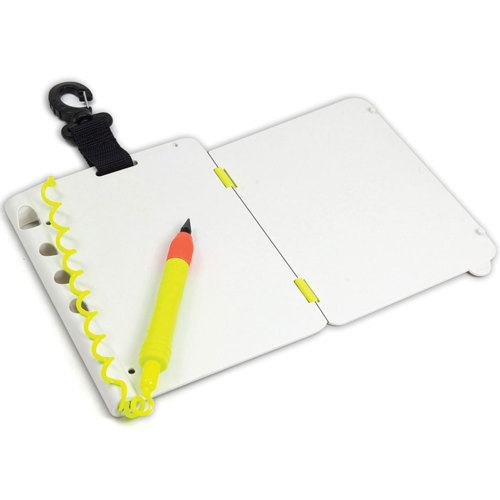
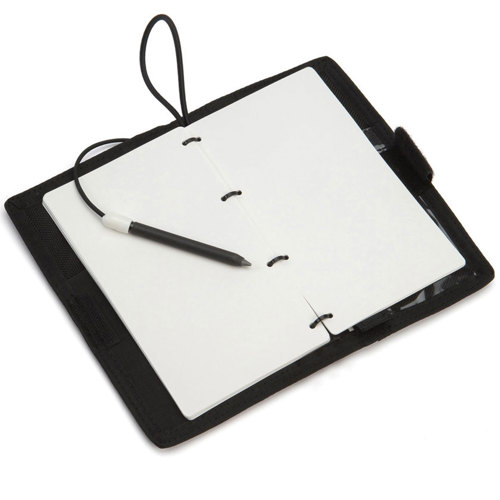
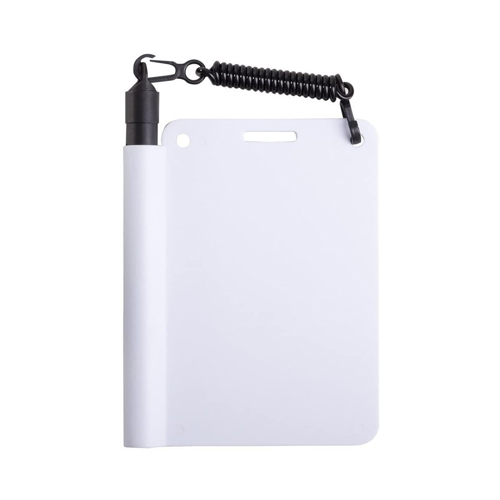
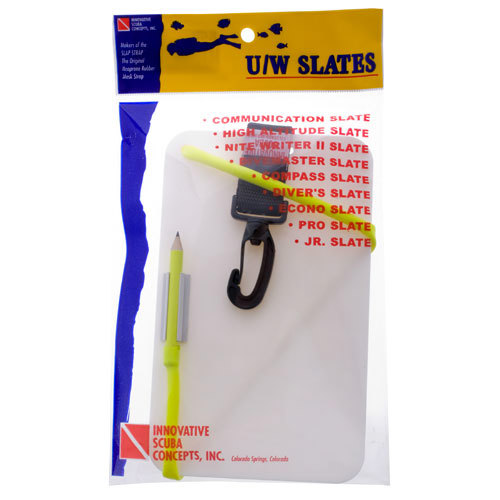
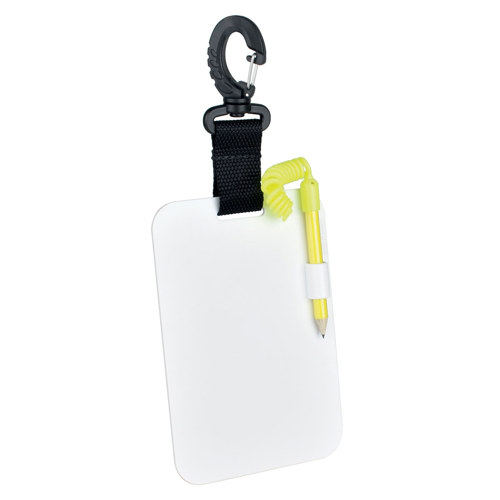
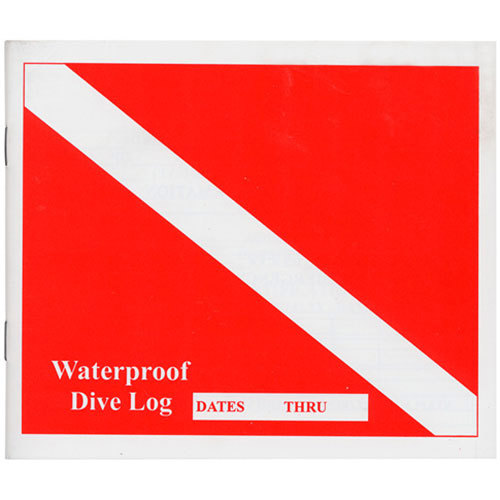
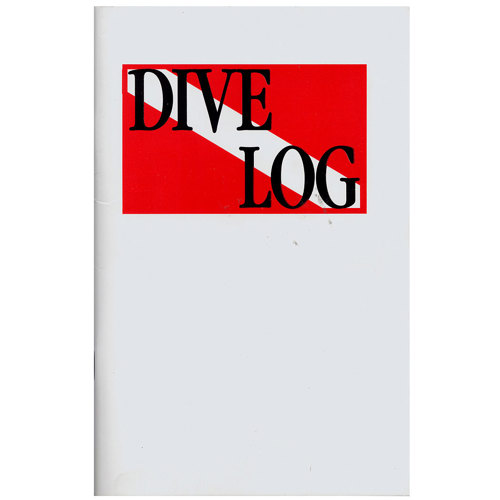
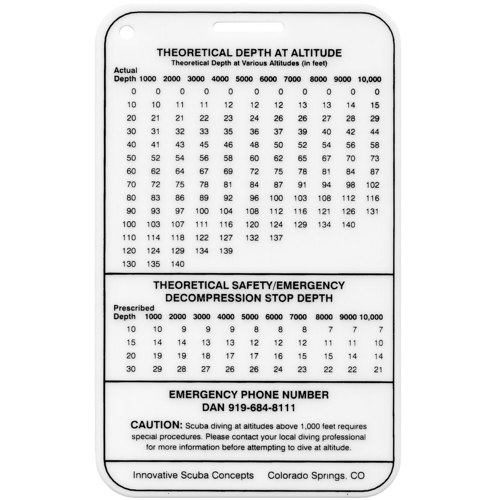
For those engaged in marine science, underwater archaeology, or recreational exploration, the ability to record observations beneath the surface is a fundamental part of the research process. Underwater writing tools have become essential marine biology equipment for writers, scientists, and divers who need to capture data in real time, regardless of the environment—whether that’s a sun-dappled coral reef, a shadowy kelp forest, or the deck of a research vessel. As the weather warms and fieldwork season ramps up, these tools help transform fleeting underwater moments into lasting scientific records. Dive slates, waterproof notebooks, and synthetic paper systems are designed to withstand the rigors of saltwater immersion, UV exposure, and repeated handling. Many researchers rely on standard white or glow-in-the-dark polycarbonate slates for jotting down quick observations, species counts, or navigation notes. These slates, available in a range of sizes, are often paired with tethered pencils that write clearly even when wet and can be erased for repeated use. For those who need to record more detailed or continuous data—such as ecological transects or behavioral logs—waterproof notebooks with spiral bindings or bound wetnotes offer multiple pages of synthetic, tear-resistant paper. These notebooks can be pre-printed with field data tables or customized grids, making them invaluable for systematic surveys and quantitative research.
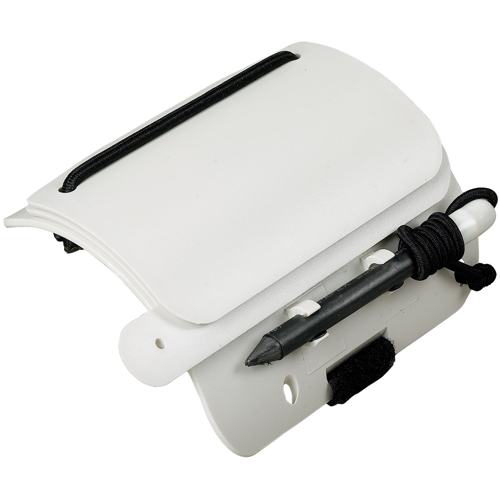
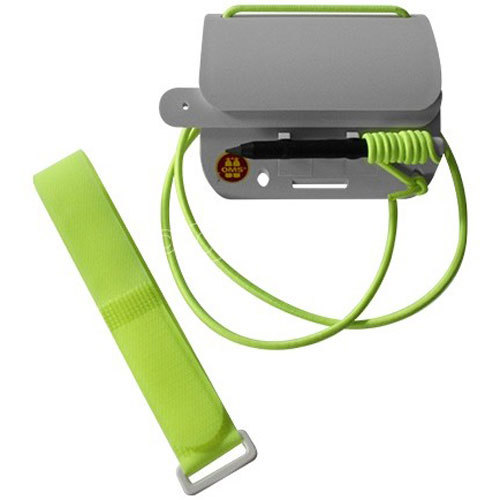
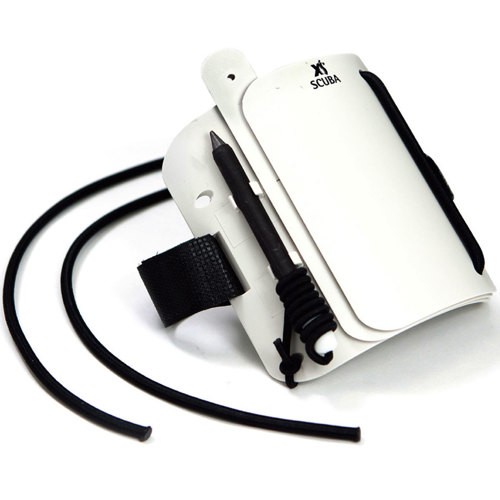
Selecting the right underwater writing tool depends on several factors, including the type of research, the environment, and personal preferences. For example, a marine biologist conducting fish population surveys along a rocky coastline may opt for a compact wrist slate that allows for rapid note-taking during brief dives, while a scientific diver mapping coral health might prefer a synthetic paper notebook with pre-printed checklists and ample space for sketches. Those working in teams often choose larger slates or magnetic systems that can be easily passed among divers or used for underwater communication. Waterproof synthetic paper is especially prized for its durability; it resists tearing, holds up to repeated erasing, and can be printed on with standard laser printers—ideal for creating bespoke data sheets or species identification guides. These features make underwater writing tools not only practical for professionals but also thoughtful gifts for students, aspiring marine scientists, or anyone with a passion for ocean exploration. During the cooler months, when in-water activities may shift to more temperate regions or indoor training pools, these tools continue to serve as reliable companions for dive training, equipment checks, and skill development.
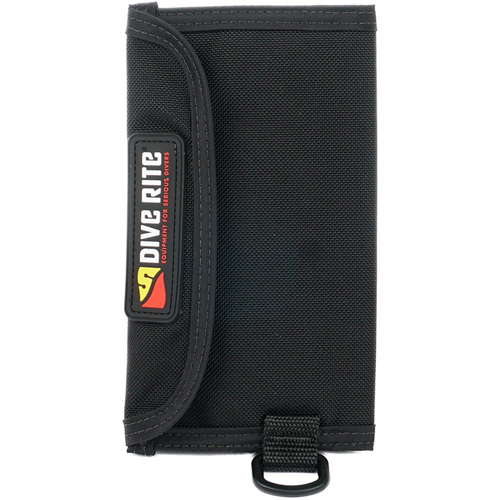
Whether you’re assembling a kit for a summer field expedition, preparing for a semester of marine biology coursework, or searching for a unique gift for an ocean-loving friend, underwater writing tools are a versatile addition to any diver’s arsenal. Their rugged construction and adaptability make them suitable for a wide range of underwater environments and research tasks. Many divers find that having a dedicated slate or waterproof notebook streamlines their workflow, allowing them to focus on the task at hand without worrying about lost data or compromised notes. Accessories such as pencil holders, lanyards, and protective covers further enhance usability and organization, especially during multi-dive days or extended field assignments. For those looking to expand their gear collection or customize their setup, additional options can be explored on our curated page of
Accessories For Underwater Research. As the field season unfolds and opportunities for discovery abound, investing in the right underwater writing tools ensures that every observation—no matter how brief or complex—can be accurately captured and shared, supporting both scientific progress and personal adventure beneath the waves.