Underwater Photography Weights
Underwater photography weights are an indispensable part of any serious underwater photographer’s kit, especially as spring approaches and divers begin to plan photography trips to capture the vibrant marine life and shifting light of the new season. These weights are designed to help you achieve perfect neutral buoyancy and precise trim with your camera rig, ensuring that your equipment remains stable and easy to handle underwater. As camera housings, particularly those equipped with large dome ports, are naturally buoyant and can tilt upward, even a small imbalance can make it challenging to frame a shot or hold the camera steady for macro or wide-angle photography. By carefully selecting and positioning underwater photography weights, divers can counteract this buoyancy, making their rigs neutrally buoyant or slightly negative. This adjustment is crucial for reducing arm fatigue during long dives, minimizing camera shake, and allowing for more controlled, creative compositions. Many photographers will recall the frustration of fighting their equipment’s natural lift, especially when trying to capture shy marine creatures or intricate reef details. The right weighting system transforms these experiences, making underwater imaging more enjoyable and productive.
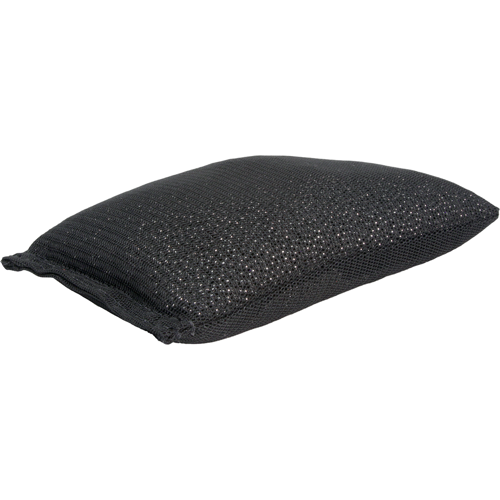
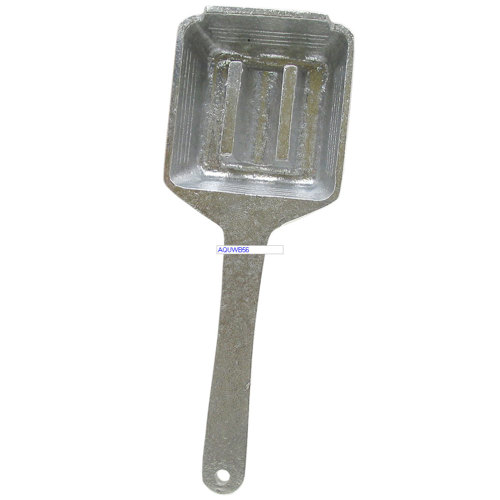
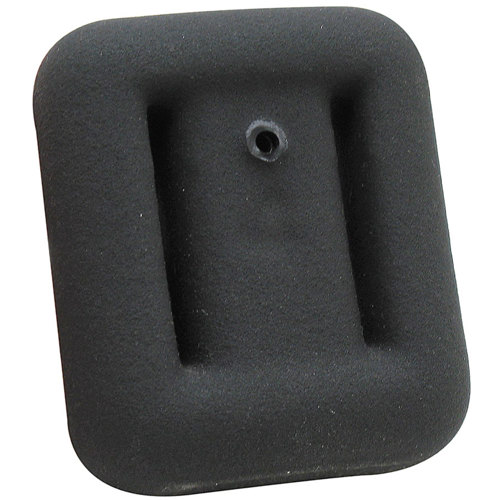
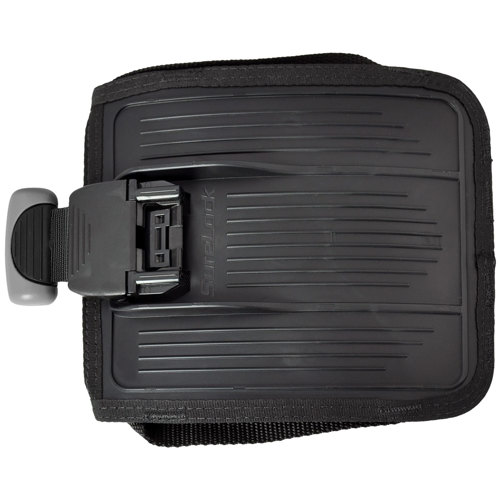
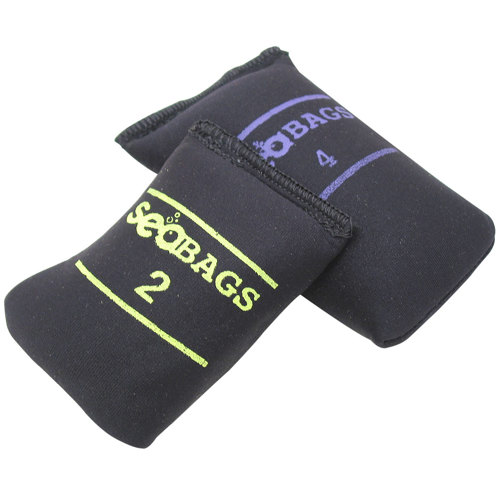
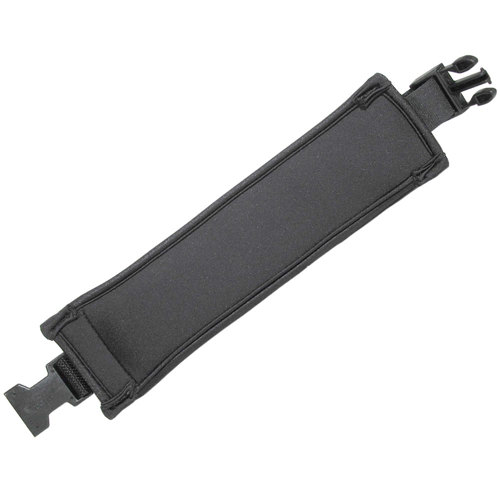
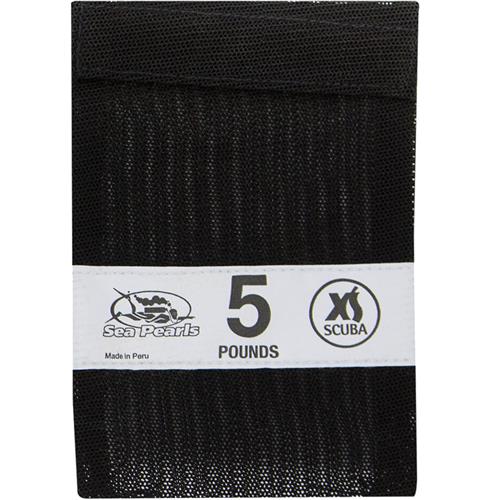
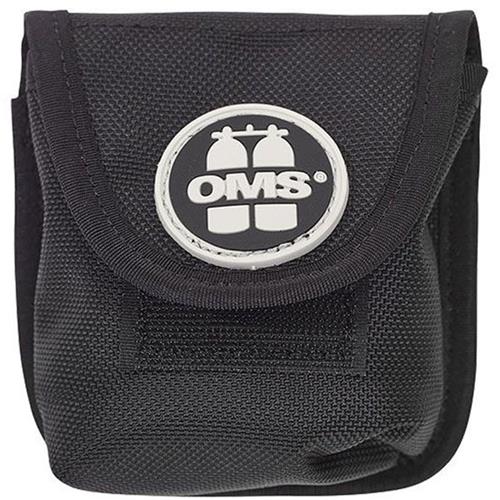
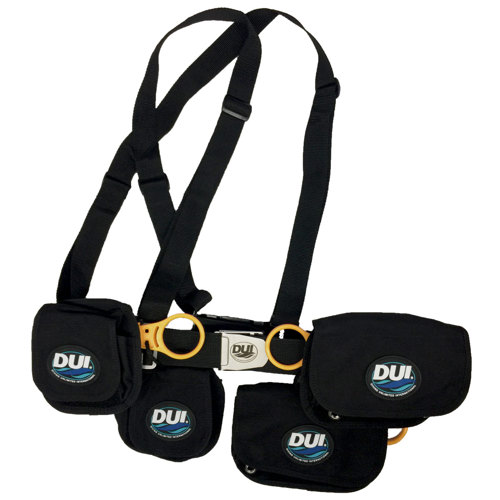
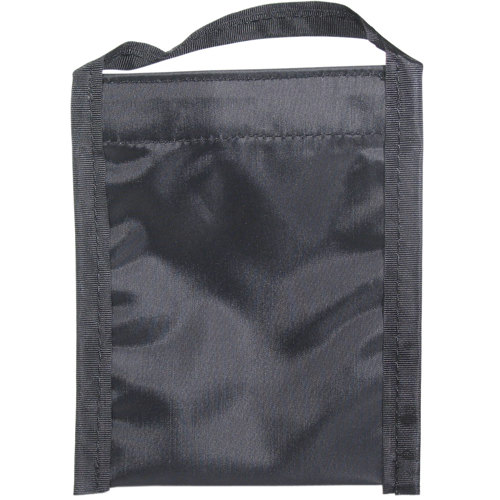
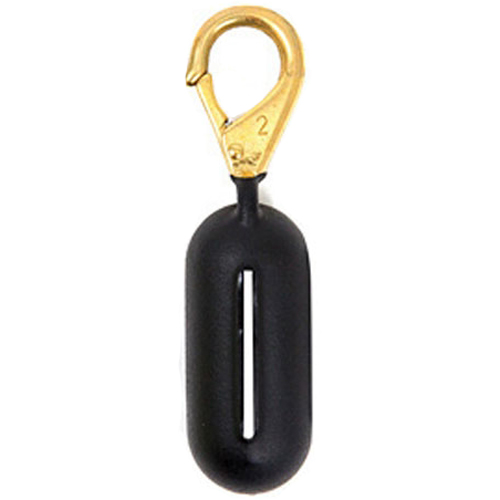
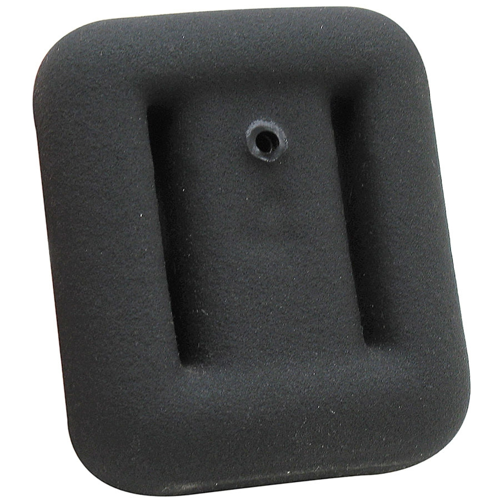
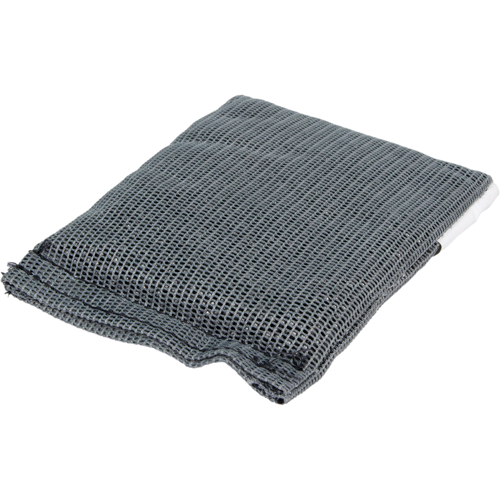
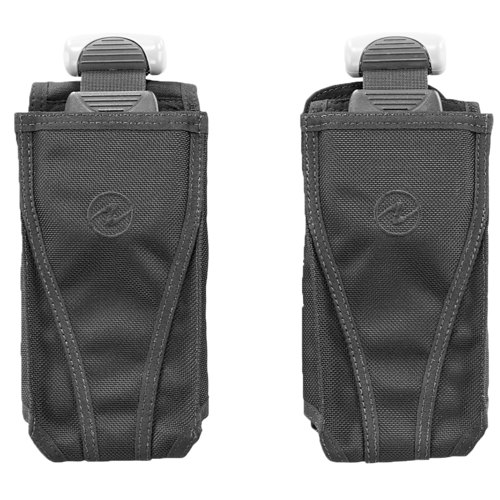
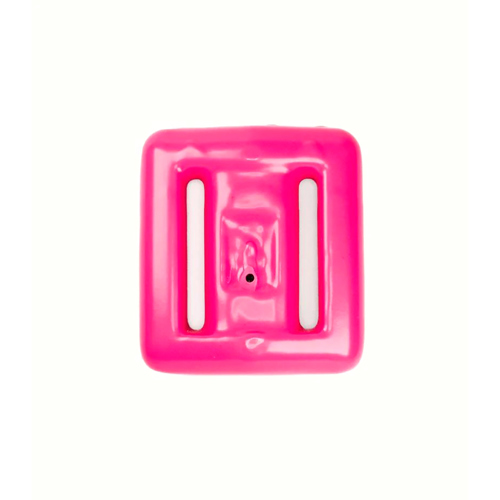
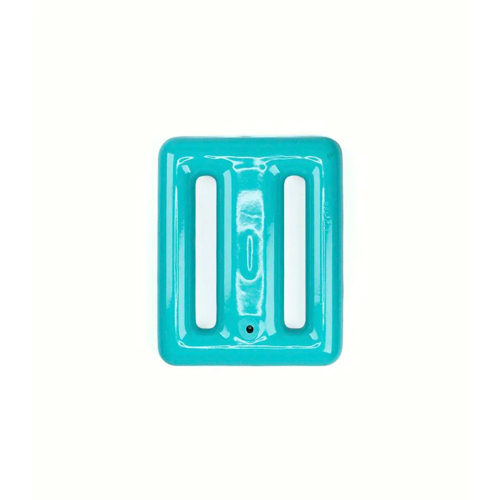
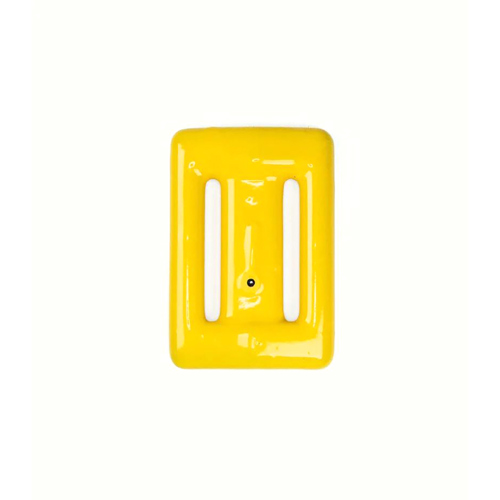
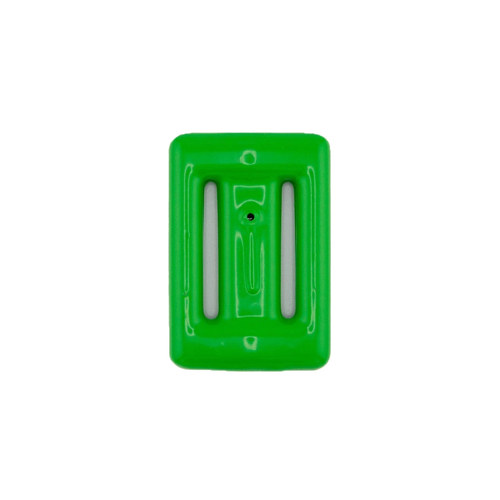
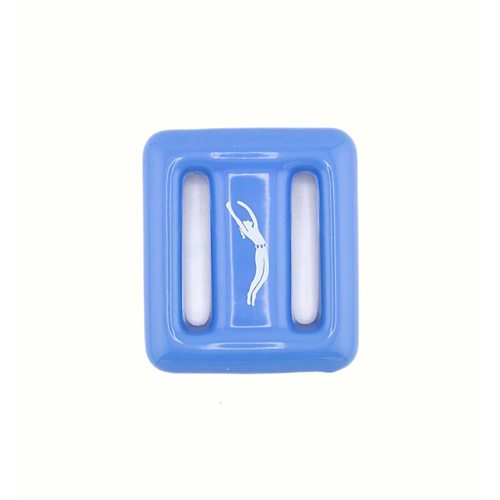
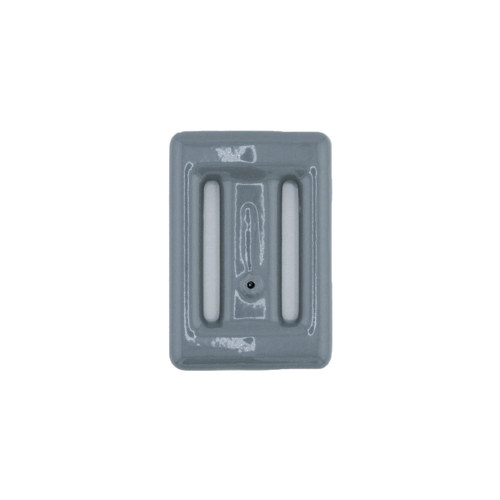
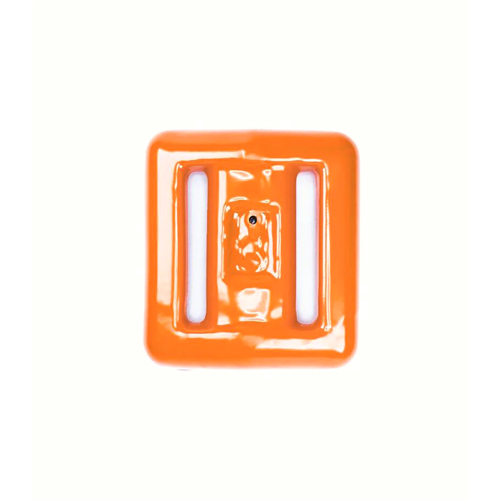
Choosing the ideal underwater photography weights involves considering the specific needs of your camera housing, lens, and port configuration. The amount of weight required can vary significantly; for example, a compact setup may only need a small trim weight, while a full-frame DSLR in a large dome port housing can require several pounds distributed strategically for balance. Modern solutions range from soft mesh or shot weights that tuck neatly into tight spaces, to vinyl-coated lead weights that offer durability and protect your equipment from scratches. Some divers opt for modular systems that attach directly to the camera tray or housing, while others prefer the flexibility of placing weights in trim pockets or using stainless steel backplates for added stability. Testing your setup in a pool or calm water is highly recommended to determine the minimum weight needed for neutral buoyancy, as over-weighting can make the rig cumbersome and difficult to maneuver. For those who enjoy a bit of DIY, creative solutions like car wheel weights or rolled lead sheets can be adapted for underwater use, though it’s important to ensure they are securely attached and won’t damage your housing. Spring is an ideal time to fine-tune your equipment, as changing water temperatures and exposure protection can affect buoyancy and overall balance.
Underwater photography weights are not just for professional photographers; they are a thoughtful gift for any diver who enjoys capturing memories beneath the surface, from beginners experimenting with compact cameras to seasoned enthusiasts with advanced mirrorless or DSLR setups. These weights are especially valuable for travel, as they allow divers to adapt their rigs to new environments and different water conditions. Whether you’re planning a trip to a tropical reef, exploring local kelp forests, or gearing up for technical dives, having the right weighting system ensures your camera stays where you want it—helping you focus on creativity rather than equipment. For those venturing into more advanced or deeper dives, exploring options for
Technical Diving Weights can provide additional insight into specialized weighting solutions that enhance safety and performance. Ultimately, investing in quality underwater photography weights is about more than just convenience; it’s about unlocking the full potential of your underwater imagery, capturing the fleeting beauty of the marine world with clarity and ease.