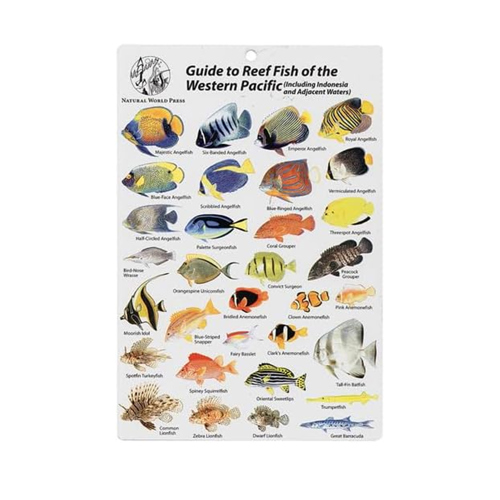
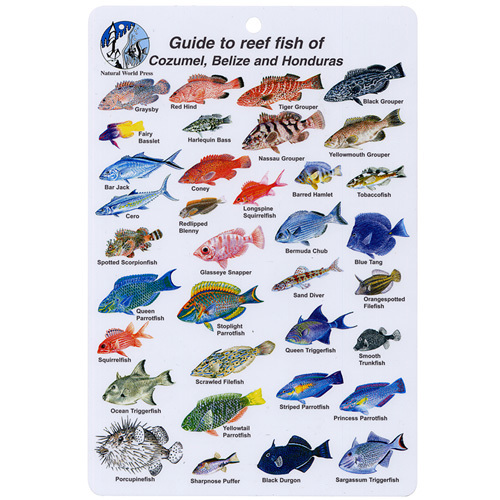
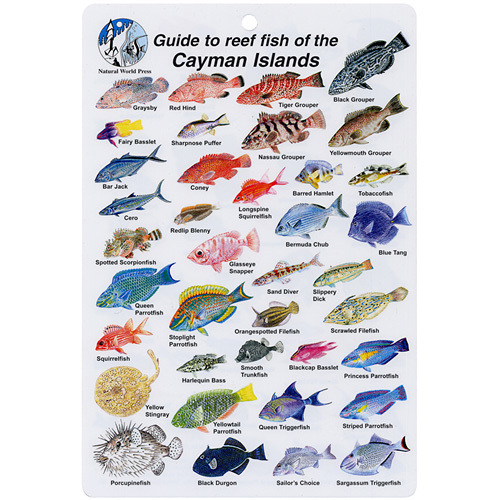
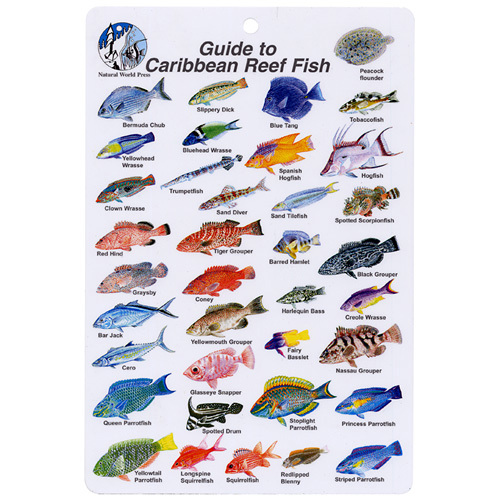
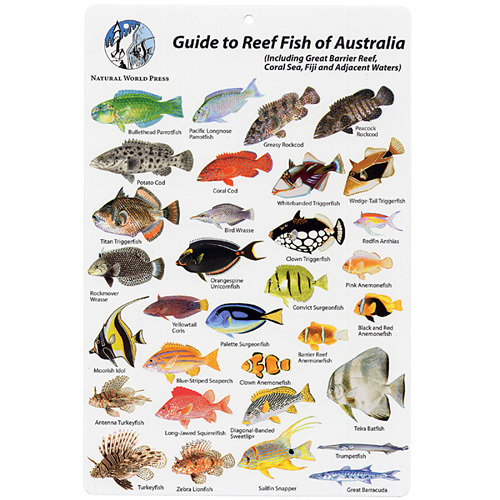
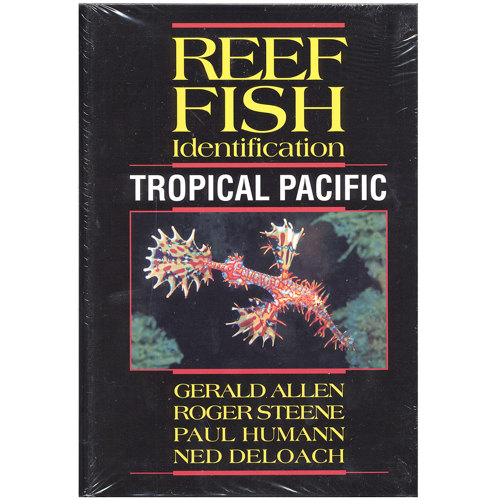
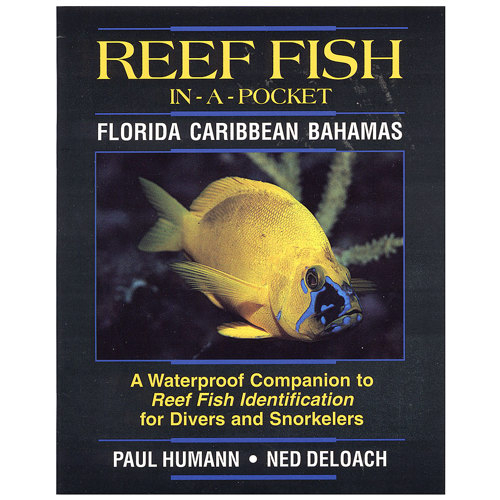
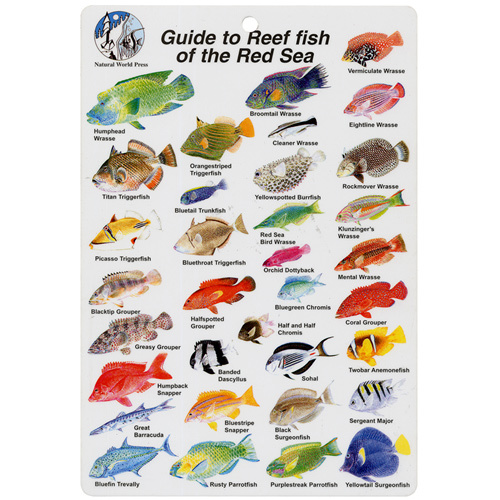
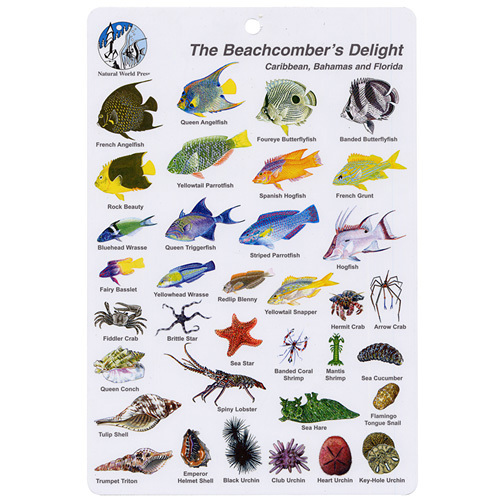
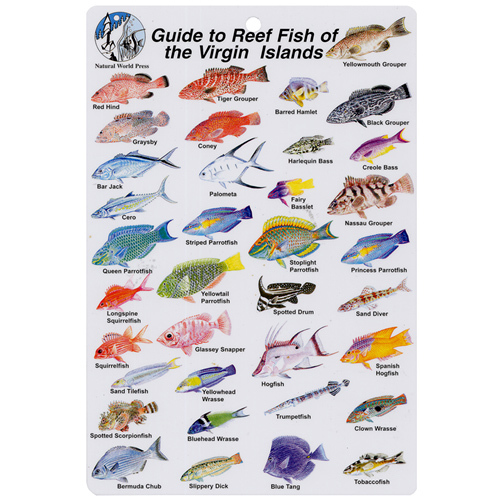
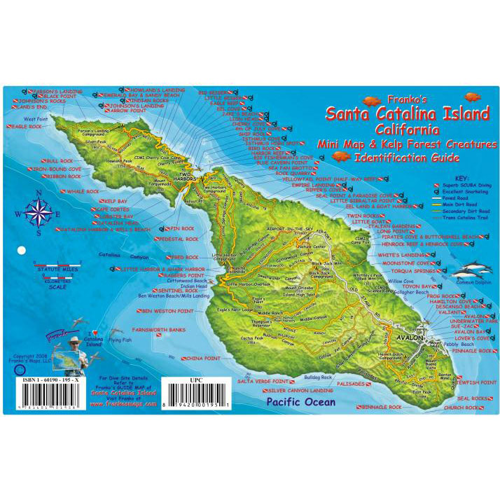
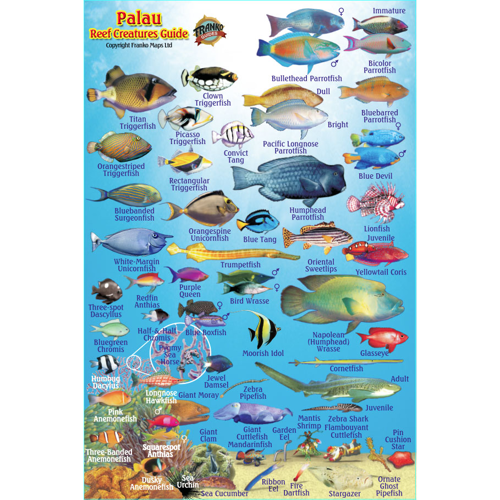
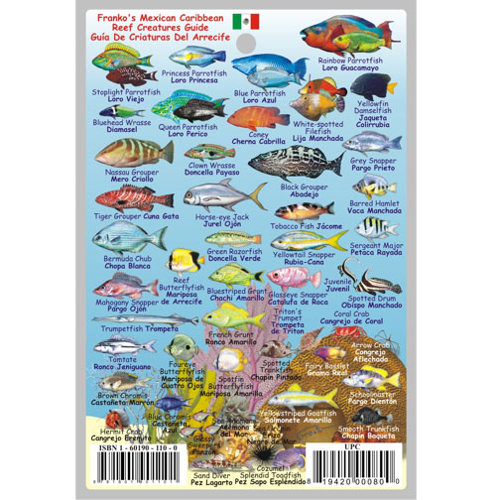
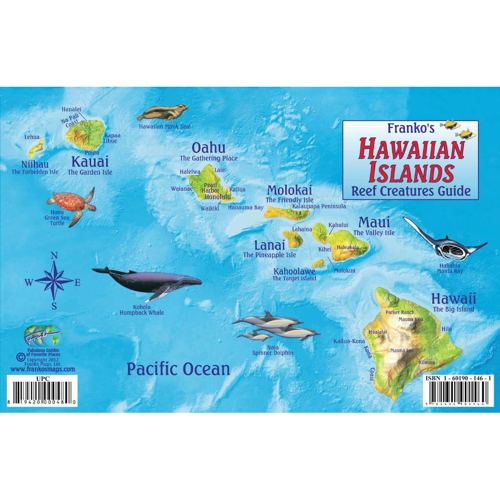
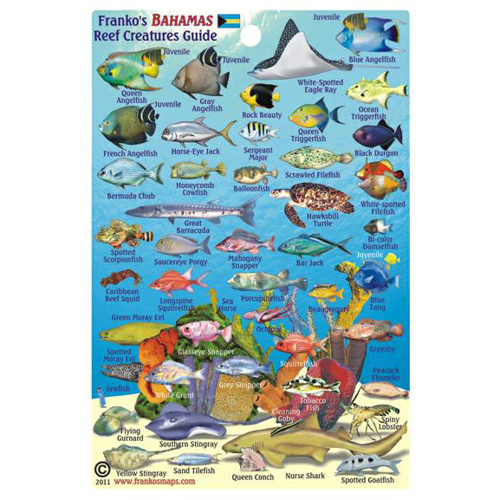
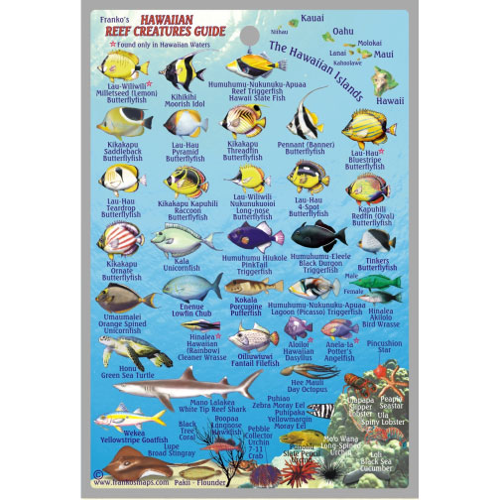
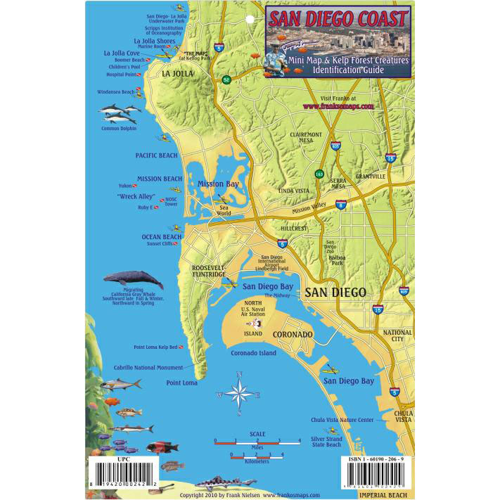
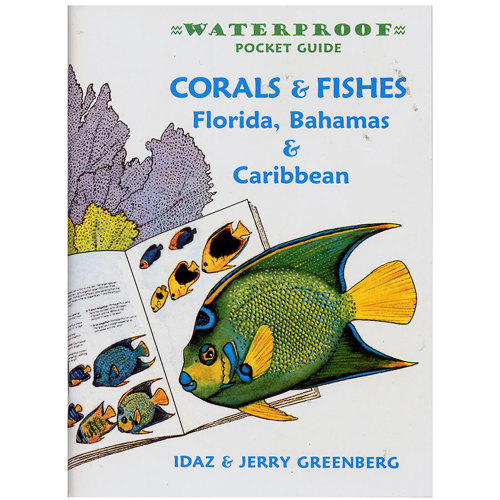
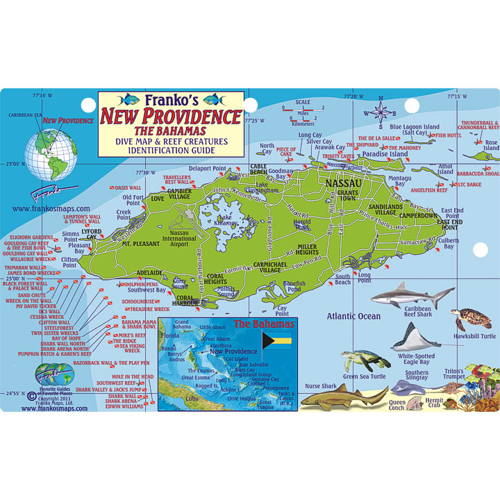
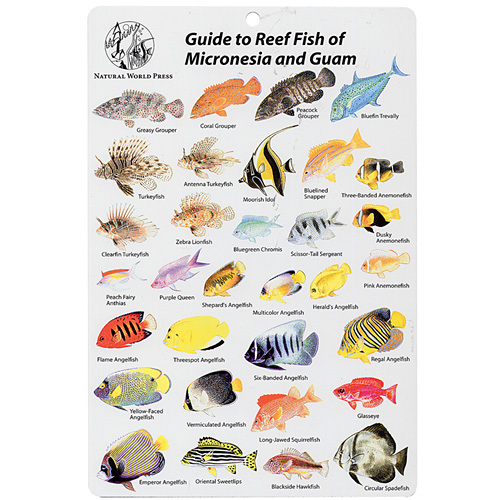
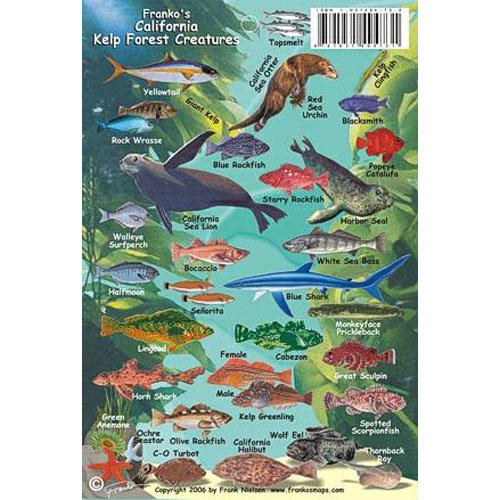
Tropical fish identification is an essential skill for divers, snorkelers, underwater photographers, and marine enthusiasts who want to deepen their connection with the vibrant world beneath the waves. Whether you’re planning a winter escape to the Caribbean, exploring local reefs, or simply want to enhance your knowledge for future adventures, having reliable fish reference materials can transform every dive into a more meaningful experience. The ability to identify tropical fish—recognizing species by their body shapes, fin arrangements, coloration, and unique markings—adds a new dimension of appreciation to underwater exploration. Many marine life lovers start with a tropical fish chart or waterproof guide, which are invaluable for quickly referencing common reef inhabitants like butterflyfish, damselfish, parrotfish, and grunts. These resources are designed for ease of use, often featuring vivid images and concise descriptions that help users distinguish between similar species, even as fish change color or pattern during different life stages. For those who prefer digital solutions, there are apps and online tools that can identify tropical fish from a photo, but traditional field guides and charts remain popular for their durability and accessibility, especially when internet connectivity is limited.
Gifting a fish reference guide or tropical fish identification tool is a thoughtful gesture for anyone passionate about marine life, from the beginner snorkeler to the seasoned scuba diver. These products are especially timely during the winter months, as many people plan tropical vacations or seek ways to stay connected to their favorite hobby despite colder weather at home. A well-chosen tropical fish chart can spark curiosity in younger family members, inspire new divers to learn about reef ecology, or serve as a cherished keepsake for travelers returning from the Bahamas or other renowned diving destinations. Dive instructors and group leaders often keep laminated fish ID slates handy, making them a practical addition to any gear bag. The right identification resources can support marine conservation efforts, too, by encouraging responsible wildlife interaction and fostering a deeper respect for the fragile ecosystems that sustain these colorful creatures.
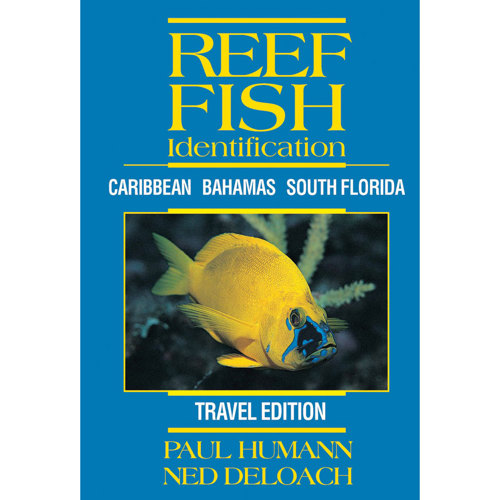
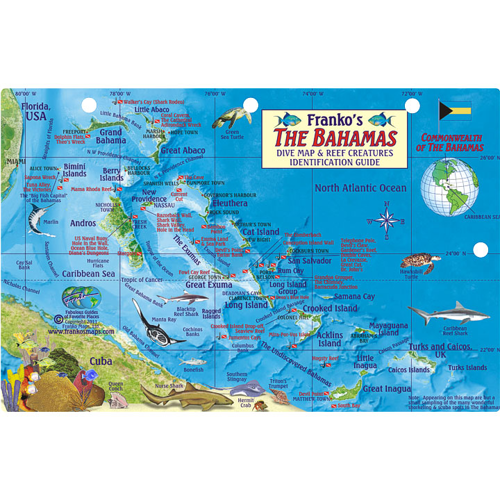
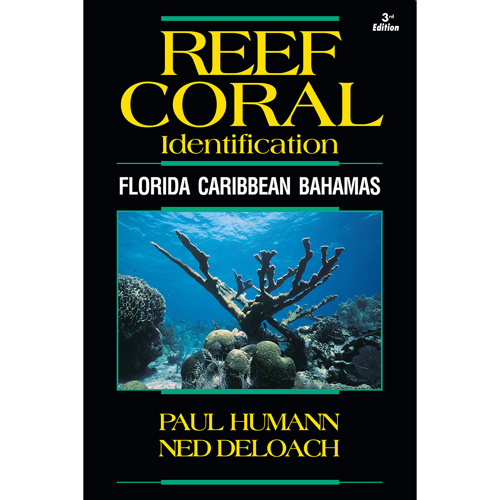
When selecting materials to help identify tropical fish, consider the environment where they’ll be used—saltwater or freshwater, shallow reefs or deeper wrecks—and the user’s experience level. Waterproof and tear-resistant guides are ideal for in-water use, while more comprehensive books are perfect for post-dive study or trip planning. Look for clear illustrations or photographs, regional specificity, and up-to-date taxonomy to ensure accuracy. For those heading to the Caribbean, a dedicated resource like the
Bahamas Fish Identification page offers targeted information for one of the world’s most popular diving regions. No matter where your underwater adventures take you, investing in quality tropical fish identification tools can enrich every encounter with the ocean’s most dazzling inhabitants, turning fleeting glimpses into lasting memories and a lifelong appreciation for marine biodiversity.