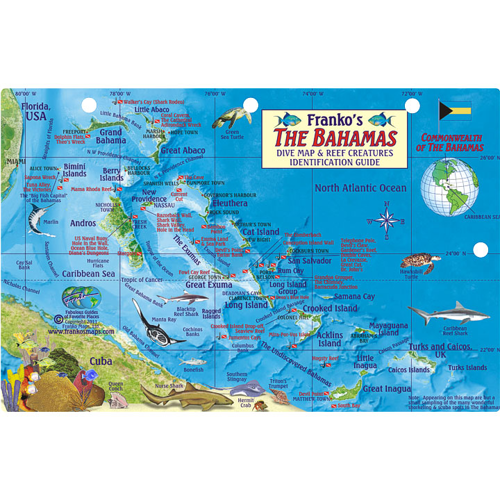
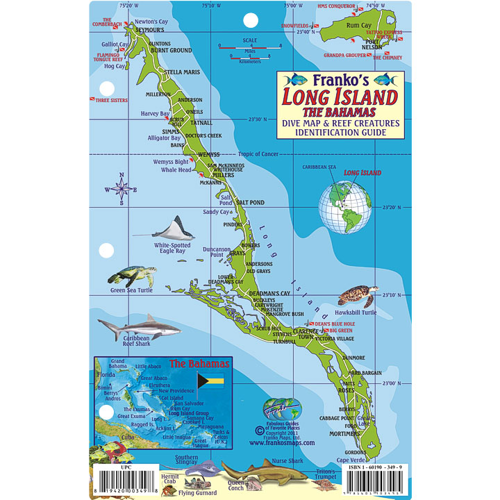
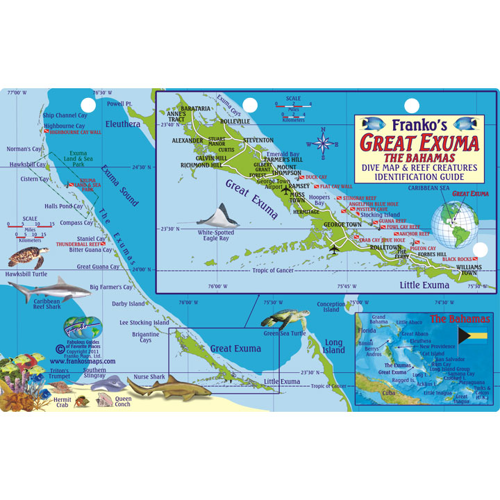
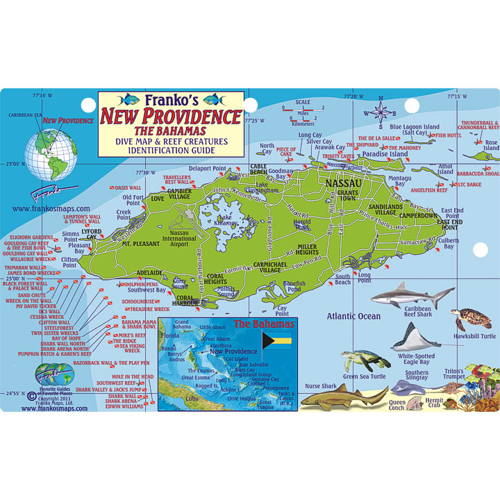
Bahamas Fish Identification
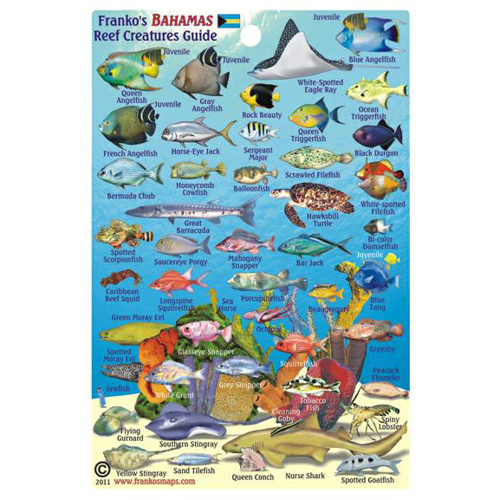
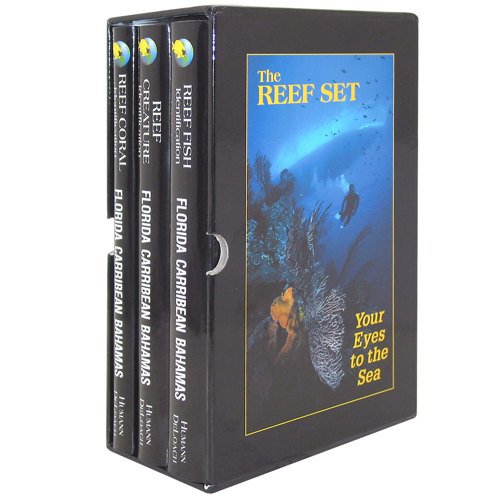
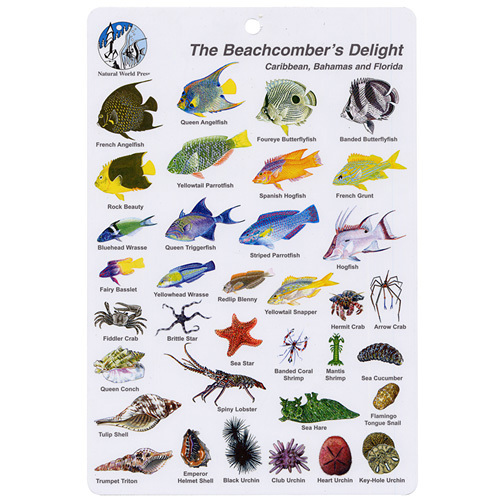
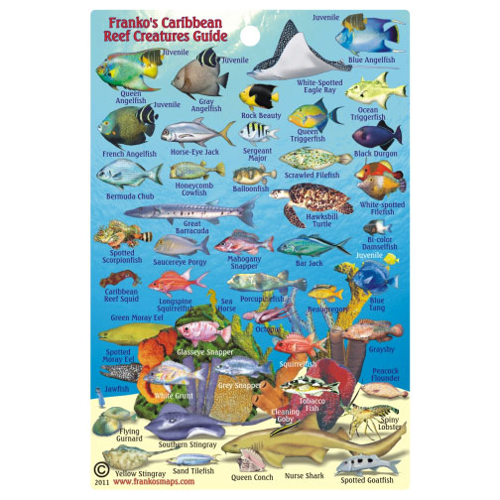
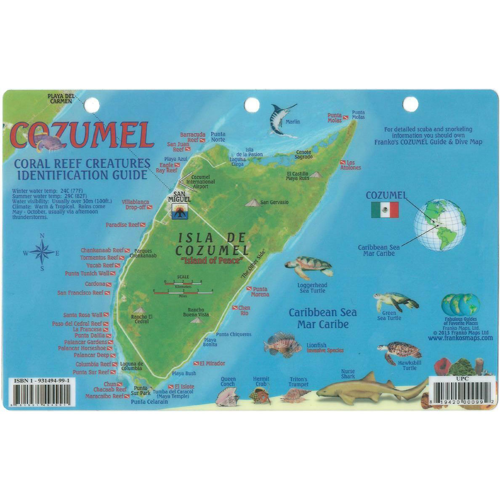
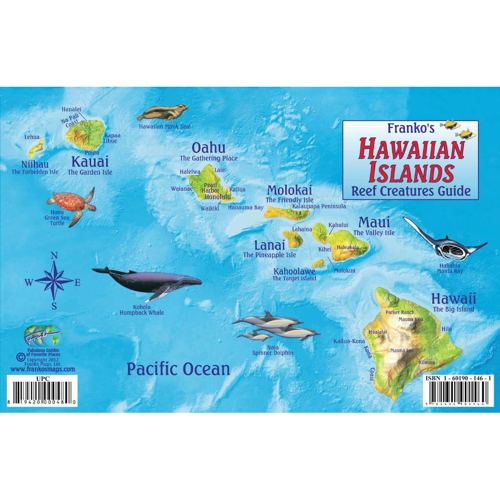
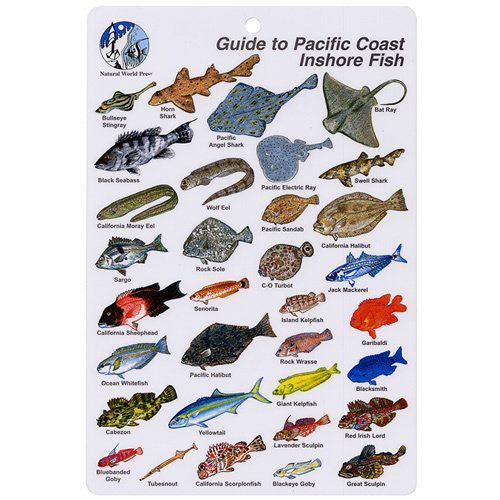
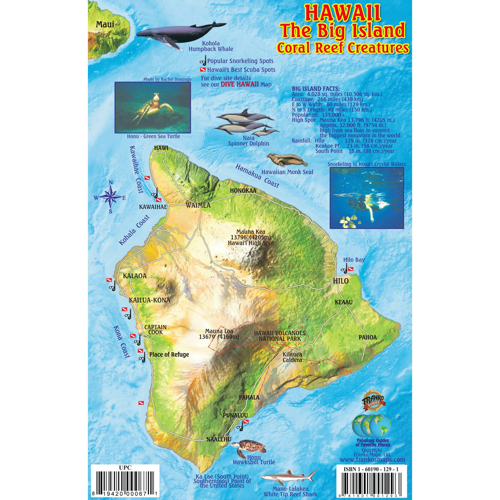
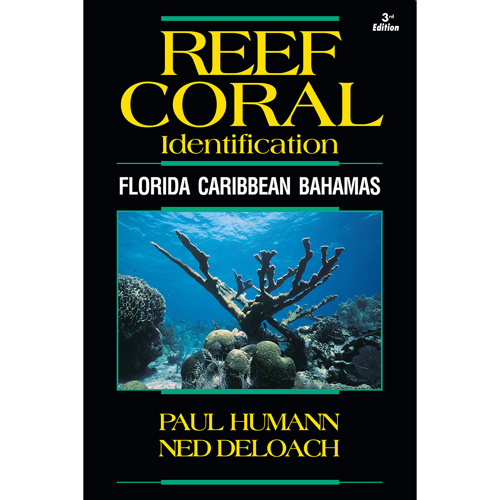
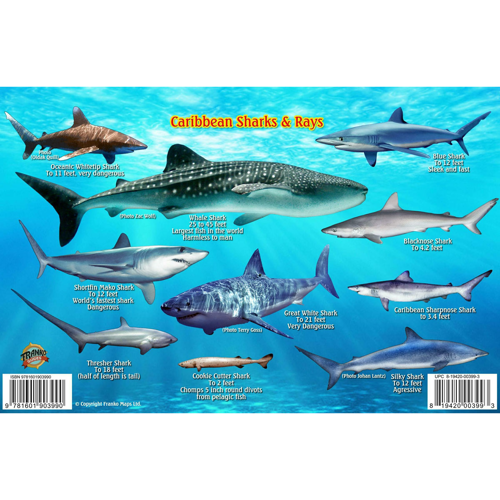
Bahamas fish identification is an essential skill for anyone captivated by the vibrant underwater world that surrounds the Bahamian islands. Whether you’re an avid diver, a passionate snorkeler, or a marine life enthusiast planning a tropical getaway, having the right resources at your fingertips can turn every swim into an educational adventure. The waters of the Bahamas are famous for their clarity and the abundance of marine life, making them a paradise for anyone interested in bahama reef fish. From the shimmering blues and yellows of the queen angelfish to the playful schools of sergeant majors and the distinctive markings of the Nassau grouper, each encounter is an opportunity to learn more about this dynamic ecosystem. For beginners and seasoned explorers alike, products that support bahamas fish identification—like waterproof ID cards, comprehensive field guides, and compact underwater slates—are invaluable companions. These tools don’t just help you put a name to the colorful creatures you spot; they deepen your appreciation for the delicate balance of reef life and contribute to more responsible, informed interaction with the environment.
During the warmer months, when the call of the ocean is strongest and travel plans often include island adventures, these identification aids become especially popular. They make thoughtful gifts for anyone with a passion for the sea, from families introducing children to snorkeling, to newly certified divers, to seasoned underwater photographers looking to catalog their sightings. Imagine the excitement of surfacing after a dive and being able to confirm that the bright green fish with the orange patch near the gills you just saw was a stoplight parrotfish, or using bahamas reef fish identification pictures to settle a friendly debate on the boat about whether that flash of blue you glimpsed was a blue tang or a blue chromis. These tools also serve as excellent conversation starters and learning aids, sparking curiosity and camaraderie among dive buddies and fellow travelers. For those who want to document their discoveries or simply relive the magic of their underwater encounters, having a reliable guide or identification slate on hand makes every trip more memorable and meaningful.
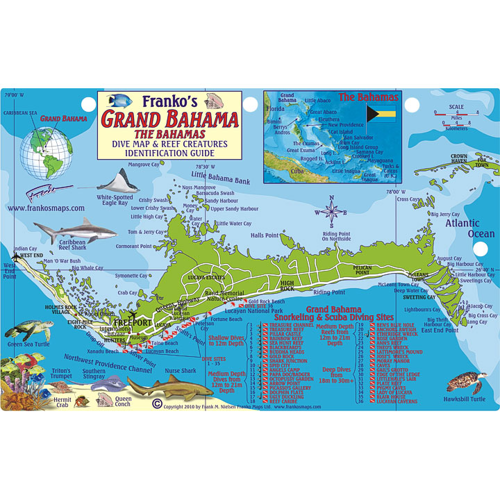
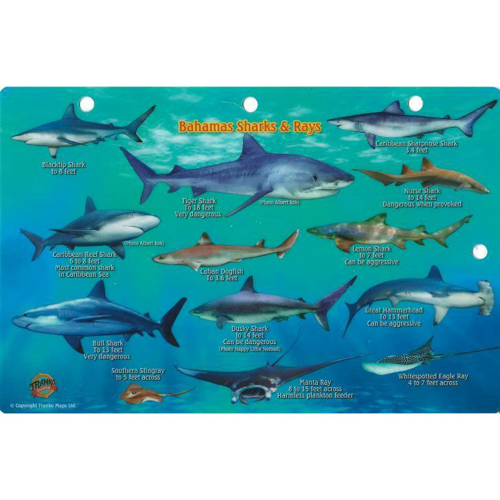
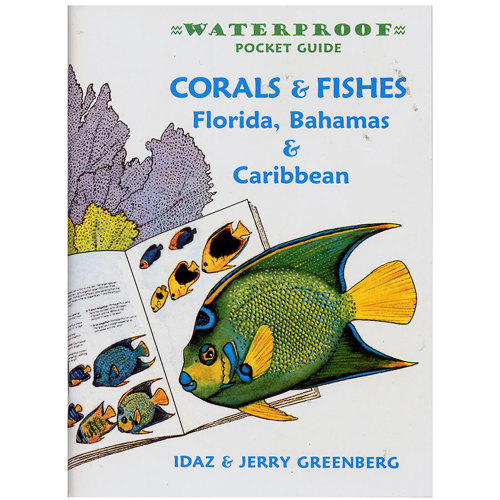
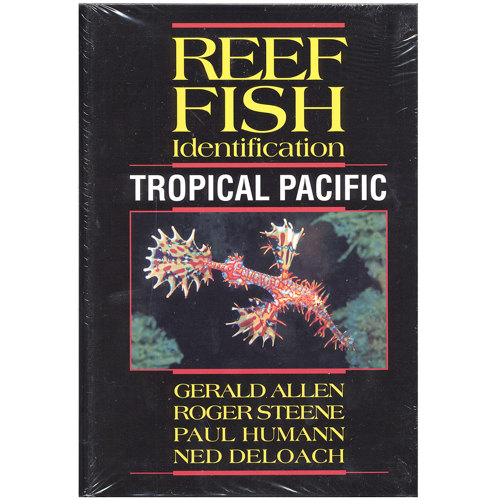
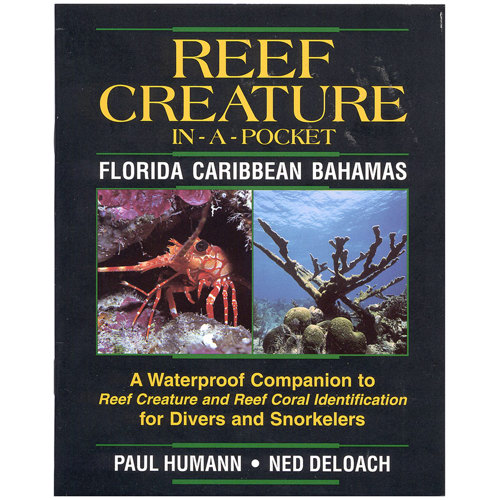
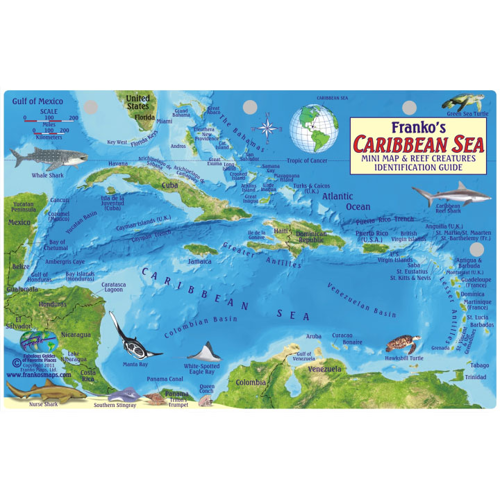
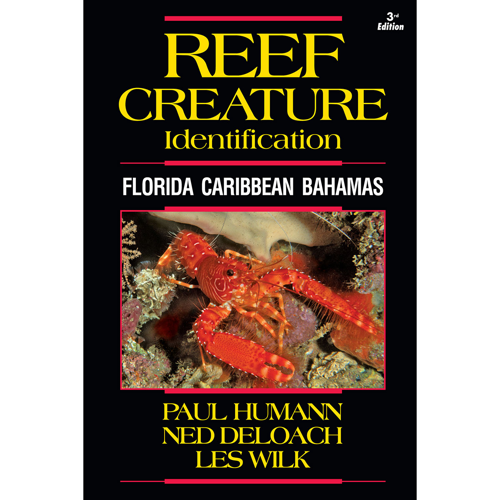
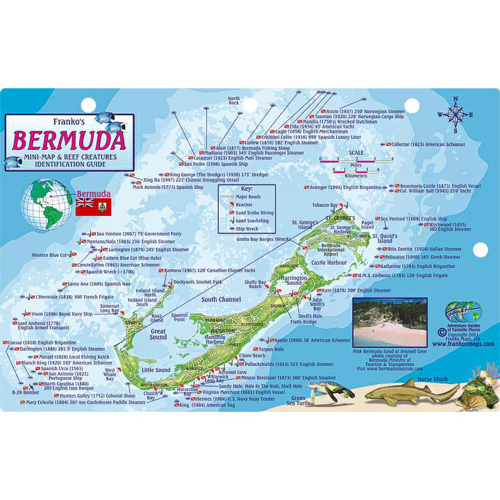
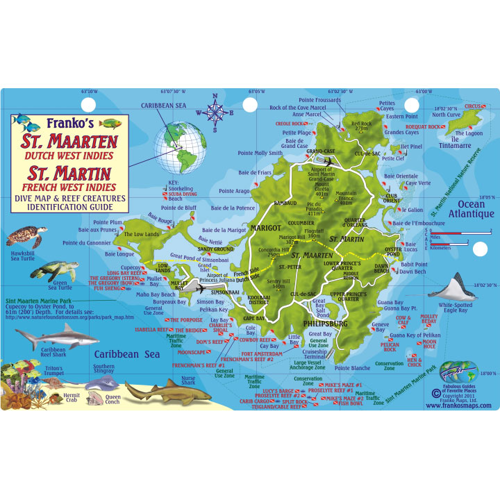
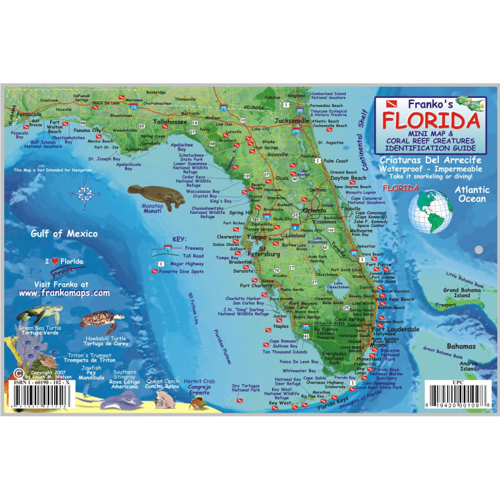
Selecting the right bahamas fish identification products is about more than just convenience—it’s about enhancing your connection to the marine world. Look for items designed for durability in saltwater environments, with clear, accurate images and up-to-date species information. Laminated cards and waterproof booklets are ideal for use in the water, while more comprehensive guides can be enjoyed topside as you plan your next adventure or review your sightings at day’s end. Many divers and snorkelers find that building a small collection of identification tools tailored to different regions—such as pairing Bahamas-specific resources with broader Caribbean references—broadens their knowledge and boosts their confidence in the water. If you’re eager to expand your understanding beyond the Bahamas, or want to compare local species to those found throughout the region, the
Caribbean Fish Guides collection is a valuable next step. No matter your level of experience or your reason for exploring, investing in quality bahamas reef fish identification resources ensures that every swim, dive, or snorkeling session is filled with discovery, learning, and a deeper appreciation for the spectacular biodiversity of the Bahamian reefs.