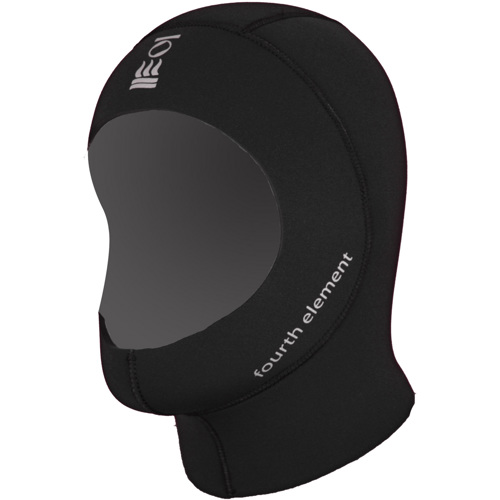
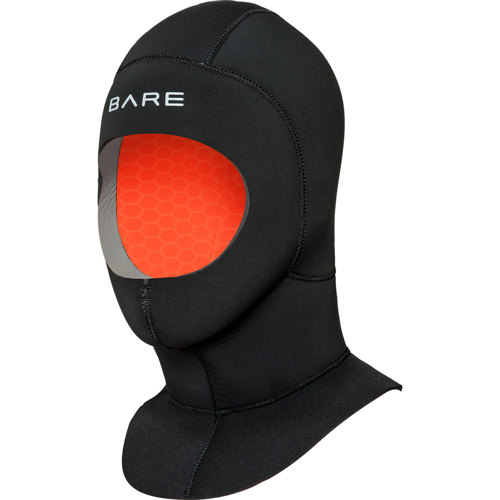
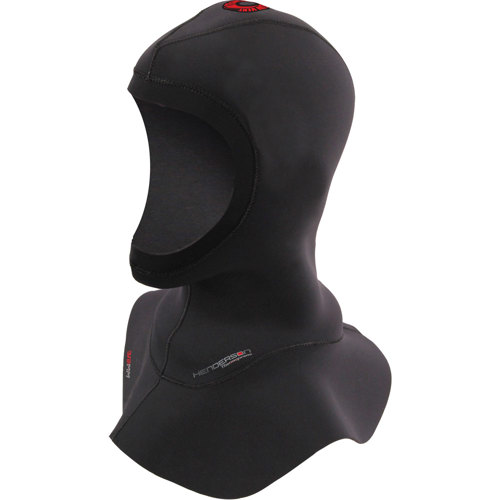
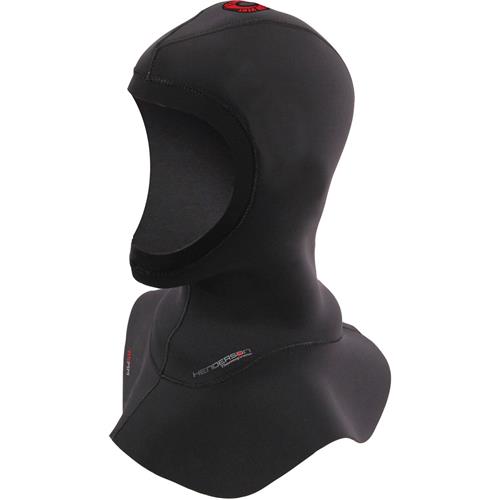
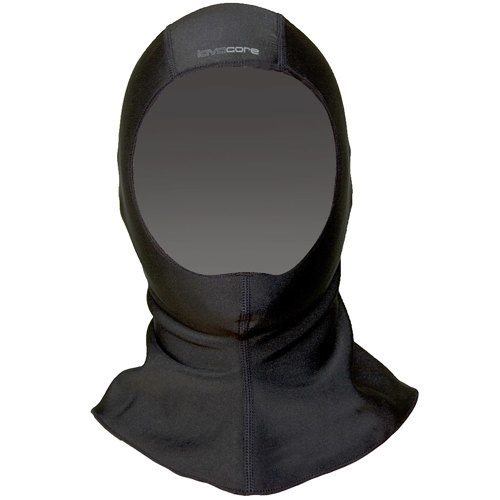
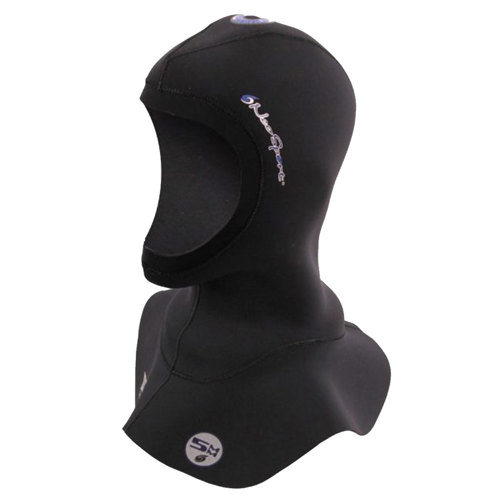
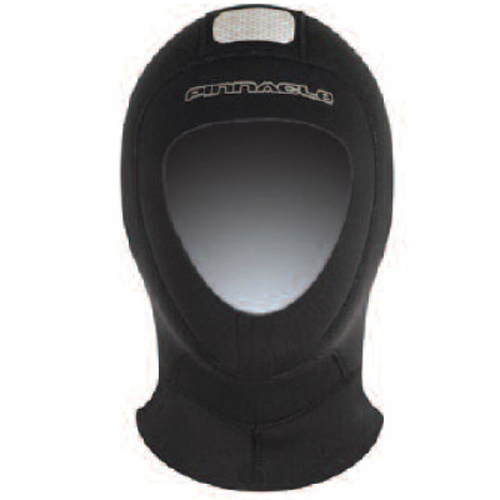
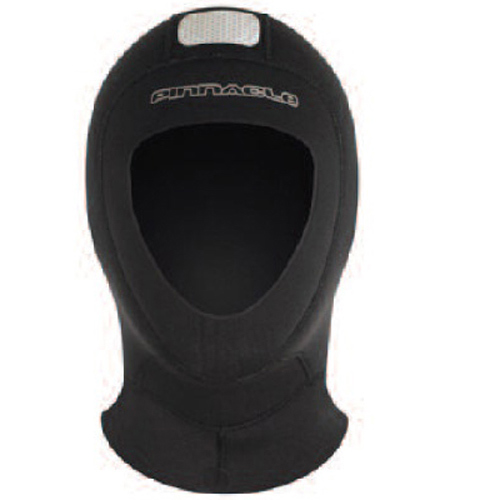
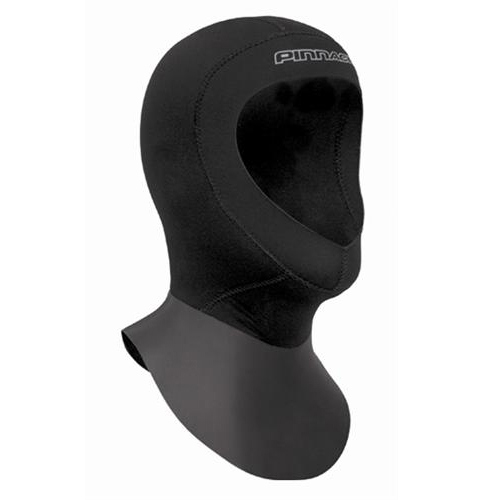
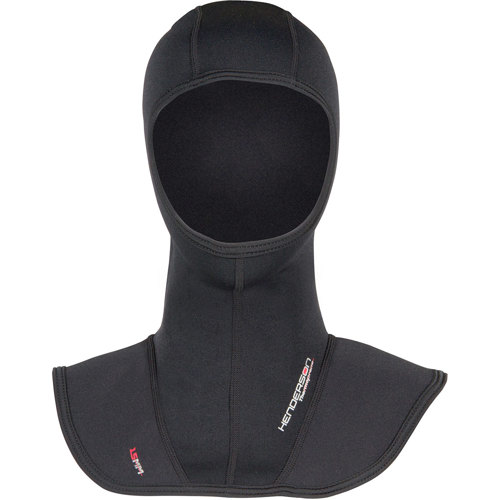
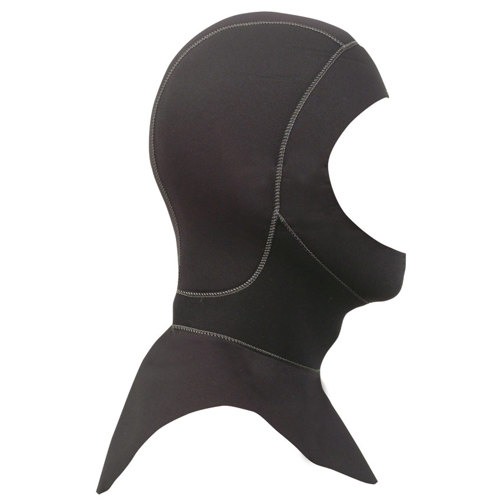
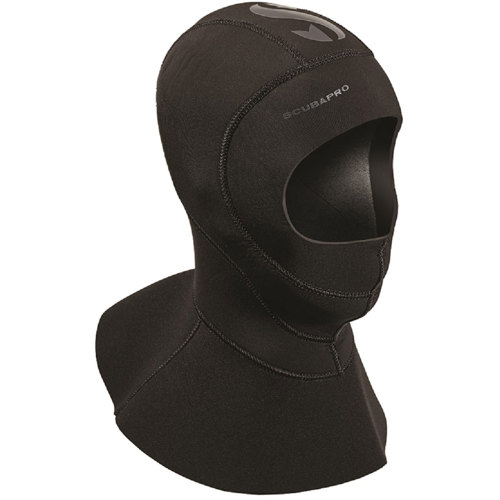
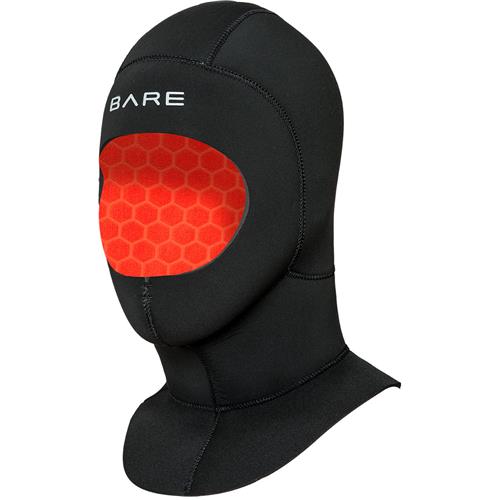
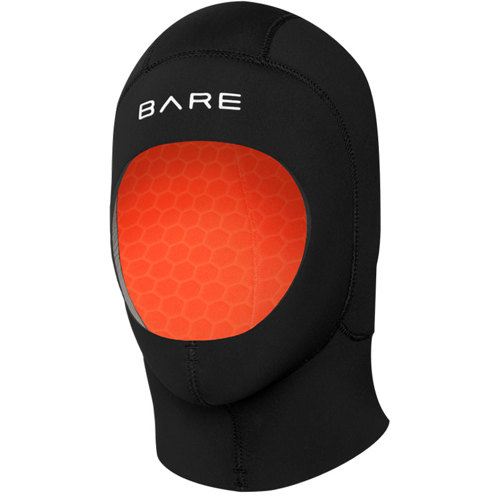
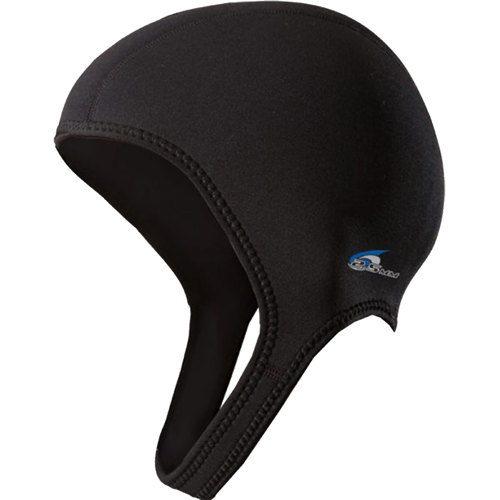
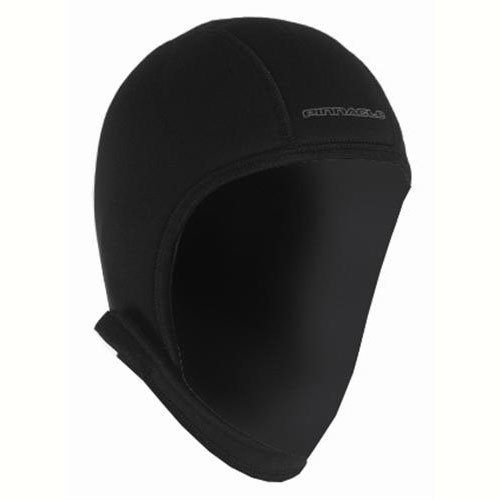
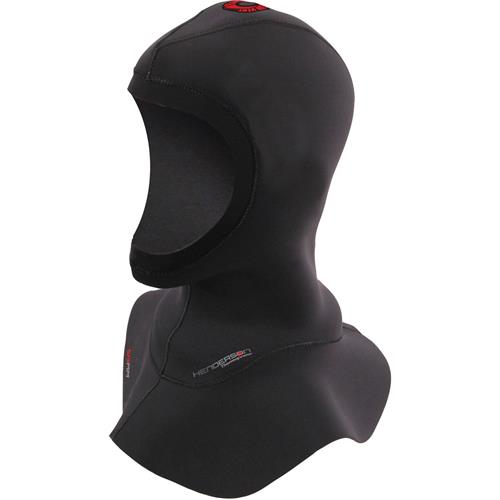
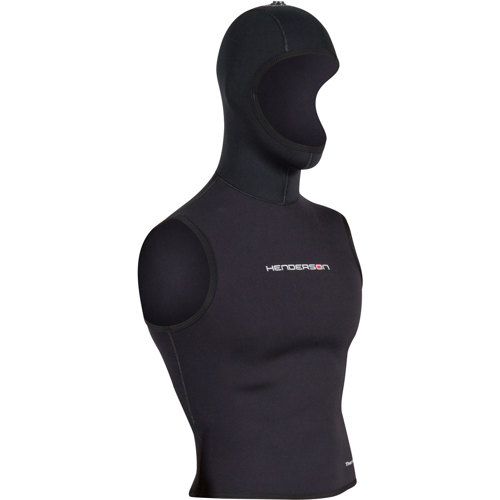
As the water warms with the approach of summer, divers and snorkelers begin to anticipate longer, more comfortable sessions in the sea. Yet, even in milder months, the importance of thermal regulation beneath the surface cannot be overstated. Thermal hoods are a critical piece of gear for anyone venturing into cooler waters, whether exploring a kelp forest off the coast, photographing a vibrant reef, or simply extending bottom time during a spring or early summer dive. These specialized hoods are designed to trap body heat and shield sensitive areas like the head, ears, and neck from the chilling effects of water exposure. Constructed from insulating neoprene or advanced thermal fabrics, a thermal hood forms a snug barrier that minimizes heat loss, allowing divers to focus on the wonders around them instead of the discomfort of the cold.
Selecting the right thermal hood involves more than just choosing the thickest material available. Fit is paramount; a hood that’s too tight can cause discomfort or even headaches, while one that’s too loose will let cold water seep in and defeat its purpose. Look for features like smooth skin seals around the face and neck, venting systems to prevent trapped air, and contoured designs that accommodate masks and regulators without bunching or shifting. For those who dive year-round or in diverse conditions, owning both a heavier thermal hood for cold water and a thinner, more flexible option for warmer days can make a world of difference. If you’re shopping for a gift, a thermal hood is a thoughtful choice for any diver or snorkeler who enjoys stretching their season or tackling new environments; it’s a practical upgrade that shows you care about their comfort and safety. Many instructors, underwater photographers, and even casual snorkelers keep a thermal hood in their kit bag, ready for those impromptu trips when the water is a few degrees cooler than expected.
Beyond their primary role in retaining warmth, thermal hoods also offer protection from sun exposure at the surface, stings from jellyfish, and minor abrasions from rocks or equipment. They’re a favorite among cold-water divers exploring shipwrecks, marine biologists conducting research in temperate seas, and anyone who has experienced the brain freeze sensation of a long swim in brisk water. As you browse the selection of thermal hoods, consider your typical dive locations, water temperatures, and personal tolerance for cold. If you often dive in variable conditions or travel between climates, you might also want to explore options like
Lightweight Hoods for those in-between days when a little extra warmth is needed without the bulk of a full thermal hood. With the right hood in your gear bag, you’ll be ready to make the most of every dive, no matter what the season brings.