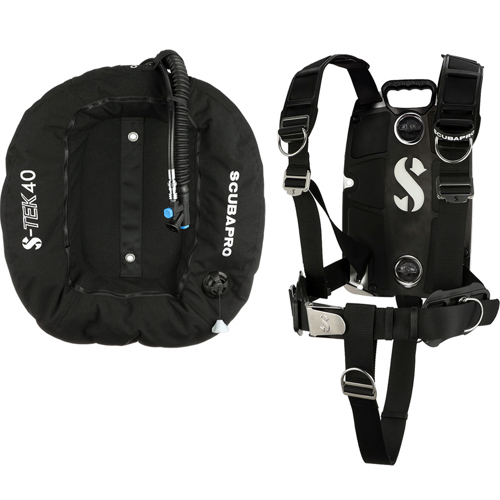
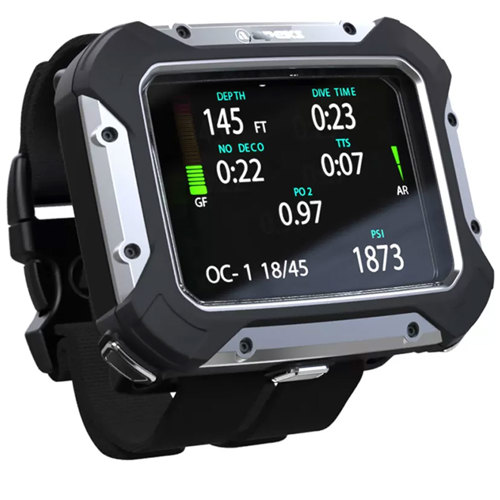
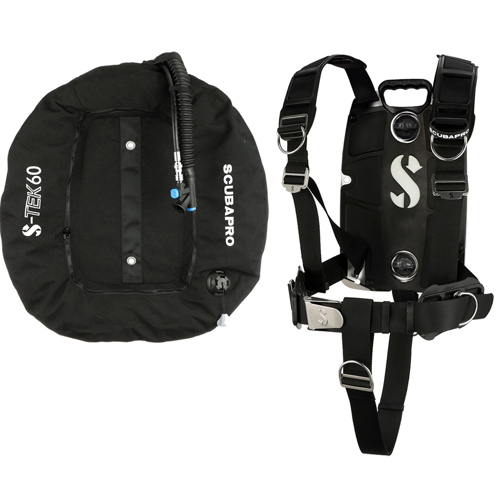
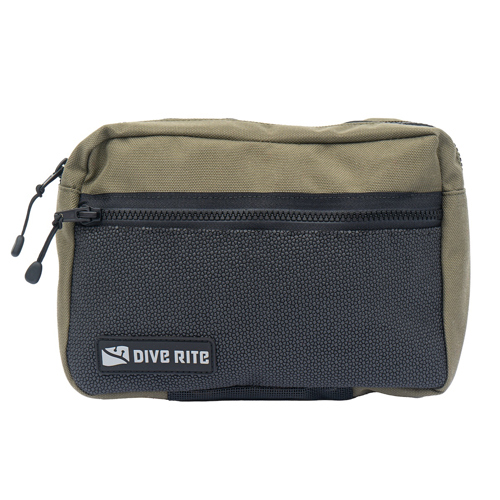
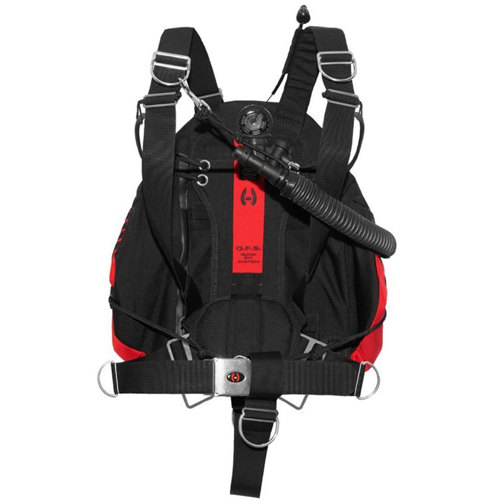
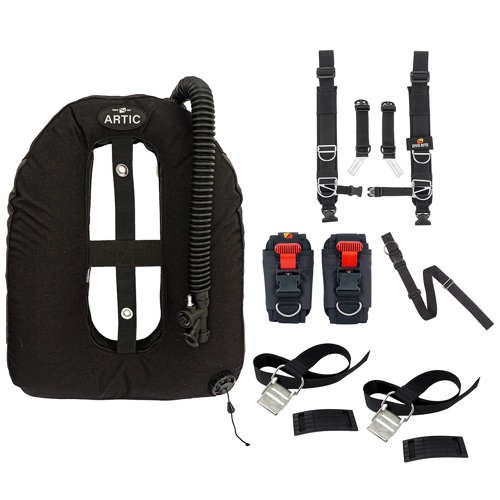
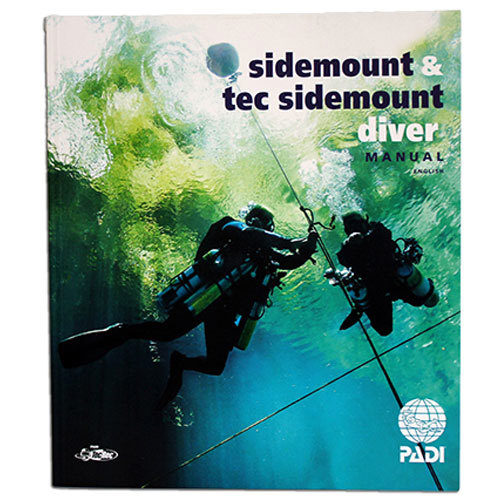
Sidemount systems have gained a strong following among both technical and recreational divers, offering a flexible and streamlined approach to underwater exploration as the weather warms and dive conditions beckon more enthusiasts into the water. Unlike traditional backmount setups, sidemount systems position cylinders along the diver’s sides, resulting in a lower profile that makes navigating tight spaces, such as caves and wrecks, far more manageable. This configuration not only enhances streamlining but also allows for easier access to valves and improved redundancy, as each cylinder acts as an independent gas source. Divers who prioritize buoyancy control, comfort, and adaptability often gravitate toward sidemount rigging, appreciating the minimalist harness and wing design that provides lift while allowing for precise adjustments. The modular nature of these systems means they can be tailored to suit a wide range of diving environments, from shallow reefs to complex overhead environments, making them a versatile choice for those who want to expand their diving horizons throughout the late spring and summer season.
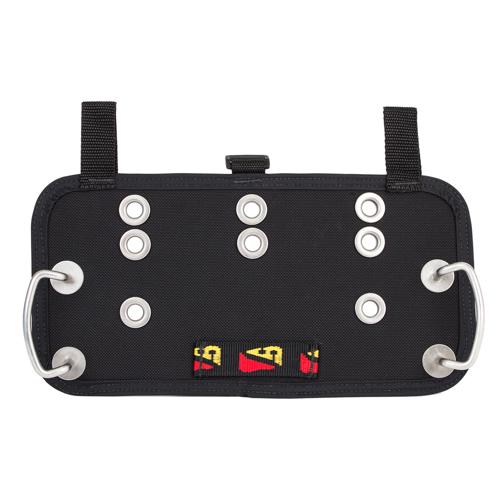
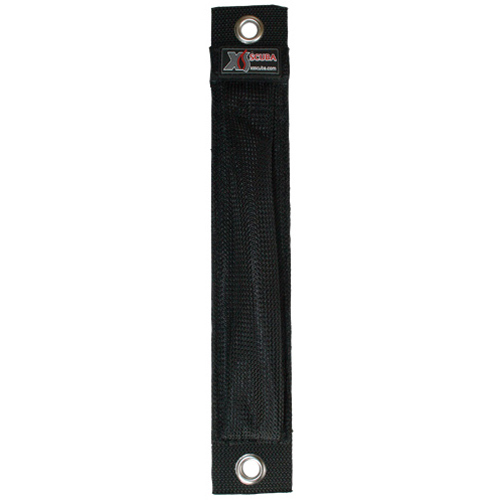
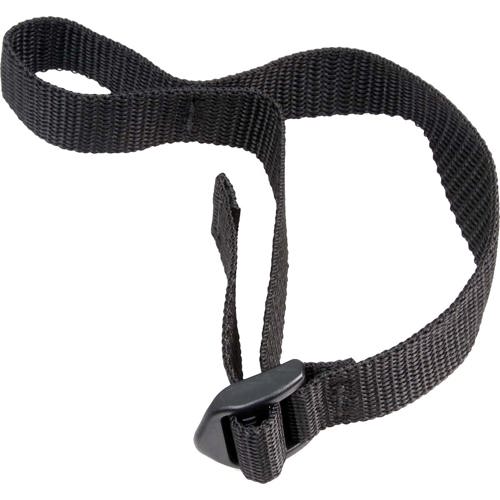
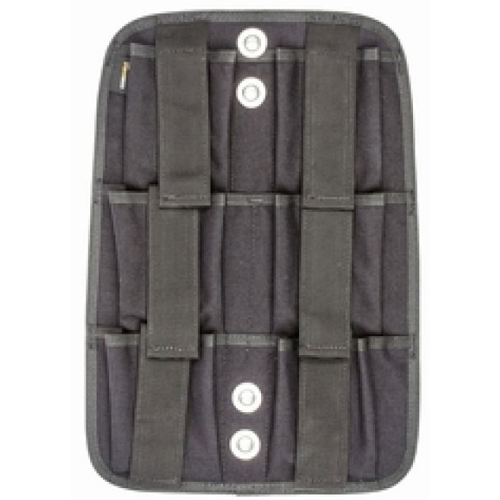
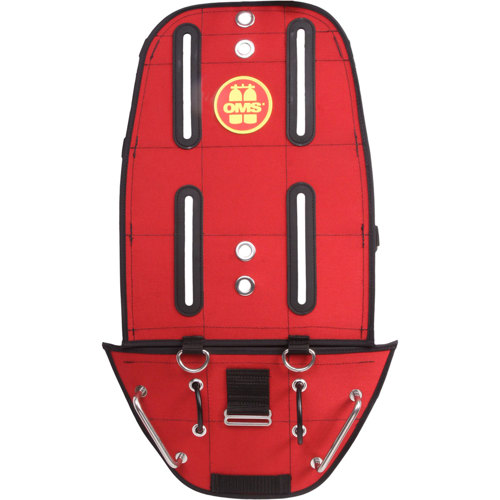
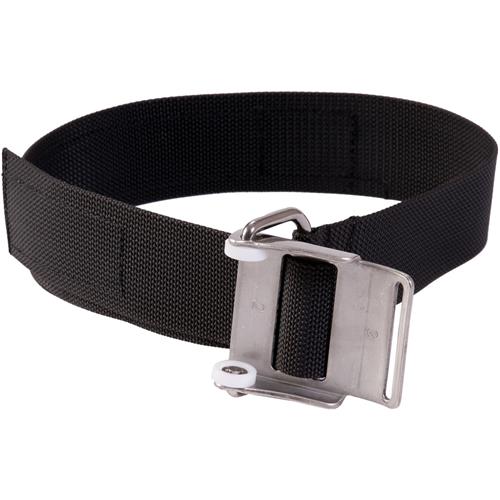
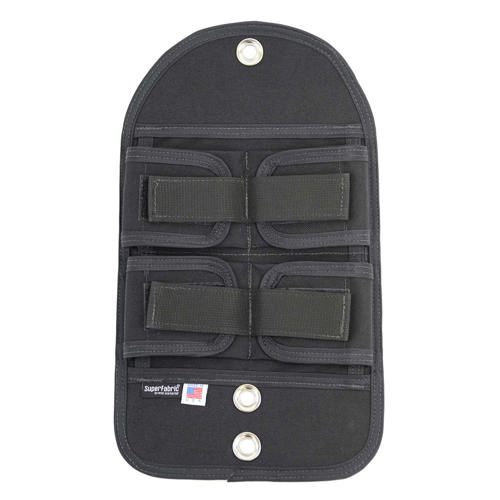
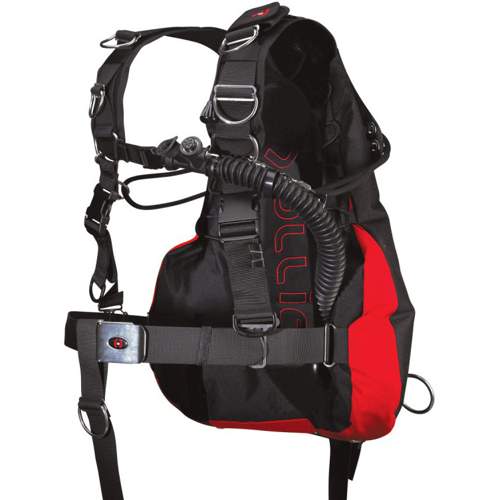
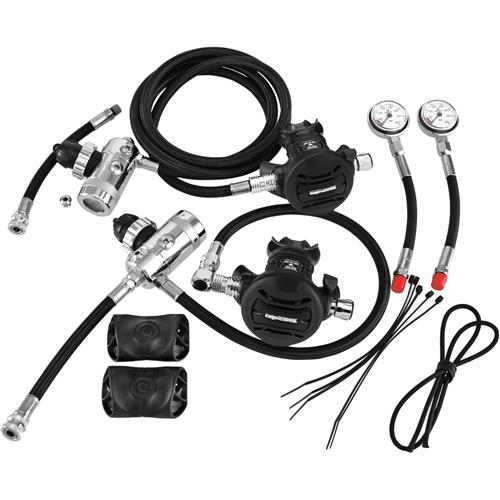
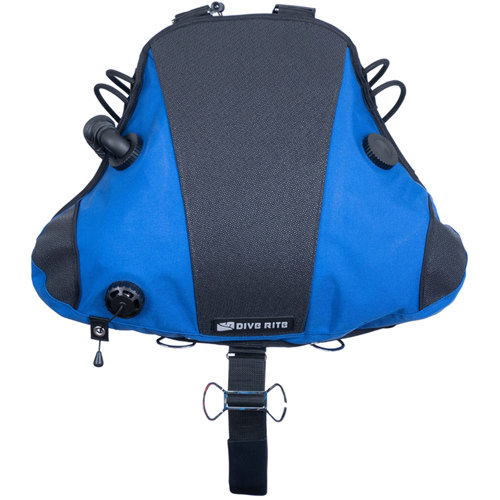
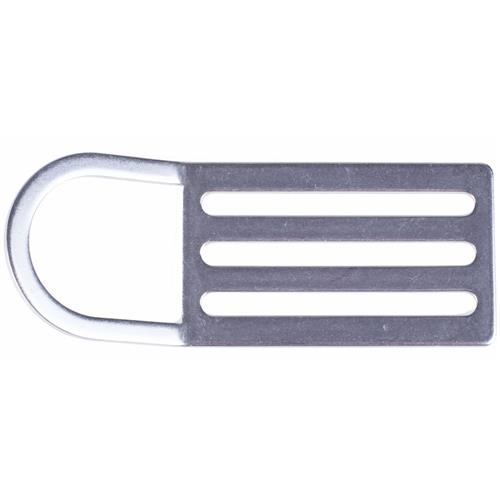
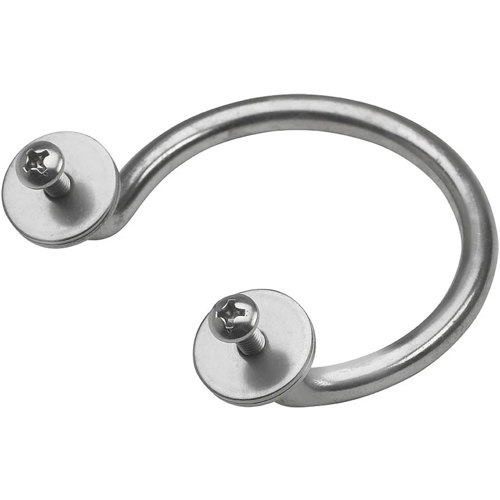
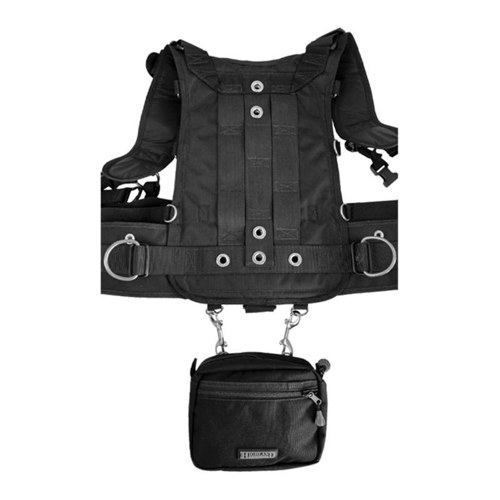
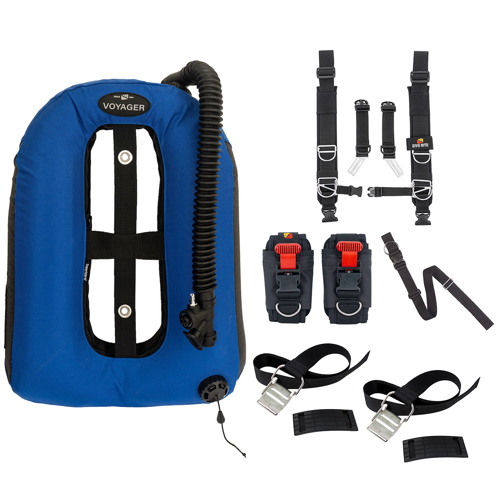
When considering a sidemount system, it’s important to think about your diving style, training, and the environments you plan to explore. Many technical divers choose sidemount for its safety benefits, such as independent gas management and the ability to carry multiple tanks with ease, but recreational divers are increasingly discovering its advantages for open water dives as well. The key components of a sidemount setup typically include a minimalist harness equipped with strategically placed D-rings, a specialized wing for buoyancy, and adjustable bungee systems for optimal tank positioning. Essential hardware like butt plates and tank bungees are crucial for proper sidemount rigging, ensuring that cylinders remain secure and streamlined throughout the dive. Regulators for sidemount diving often require two first stages and two second stages, along with longer hoses to facilitate primary air sharing and easy access in any situation. While sidemount diving does require specific training to master the configuration and buoyancy techniques, many divers find the learning curve well worth the effort, especially when exploring environments where agility and equipment accessibility are paramount.
Sidemount systems also make thoughtful gifts for experienced divers looking to expand their skill set or for those who have expressed an interest in technical or cave diving. The adaptability of these systems means they can be configured for single or double tank use, and even integrated with closed-circuit rebreathers for advanced applications. If you or someone you know is interested in exploring the full potential of sidemount diving, consider browsing our selection of
Sidemount Ccr Mounts for specialized mounting solutions. As the diving season stretches through the warmer months, sidemount systems offer a reliable and enjoyable way to experience the underwater world, whether you’re gliding through open water, threading your way through a shipwreck, or venturing into the intricate passages of a freshwater cave. With the right training and equipment, sidemount diving opens up new possibilities for adventure, safety, and comfort beneath the surface.