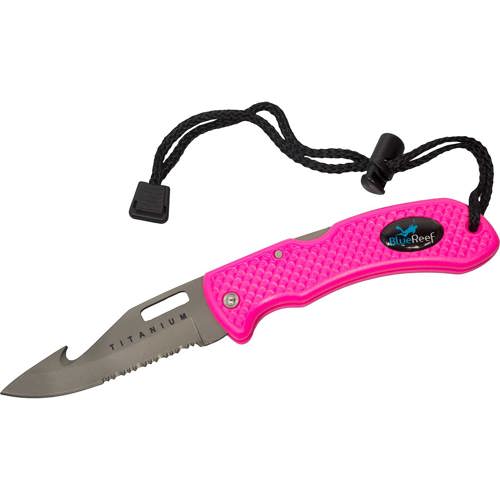
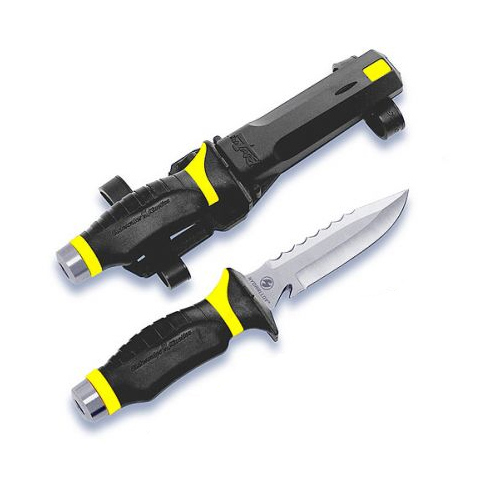
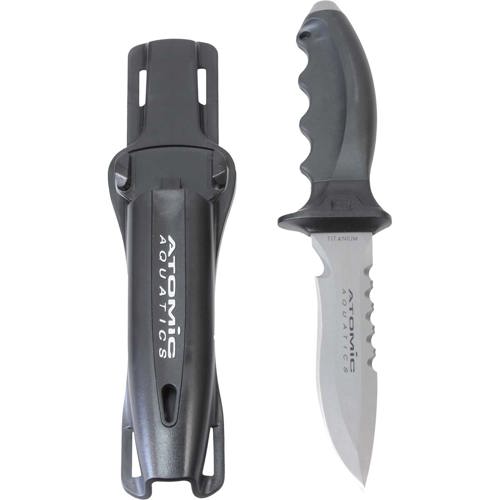
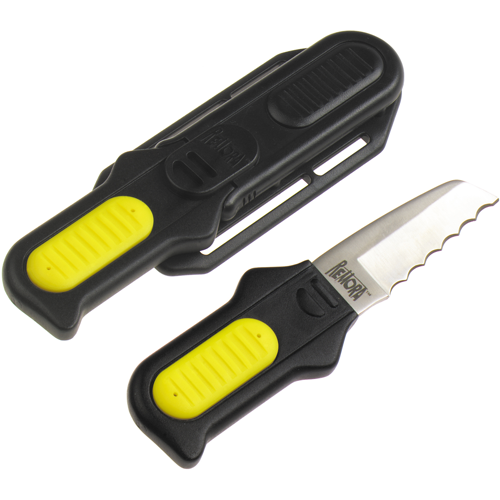
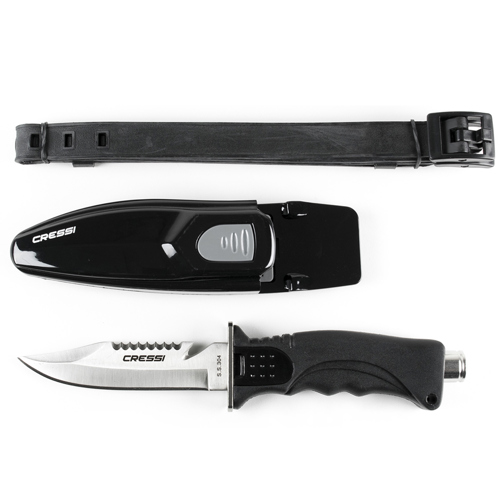
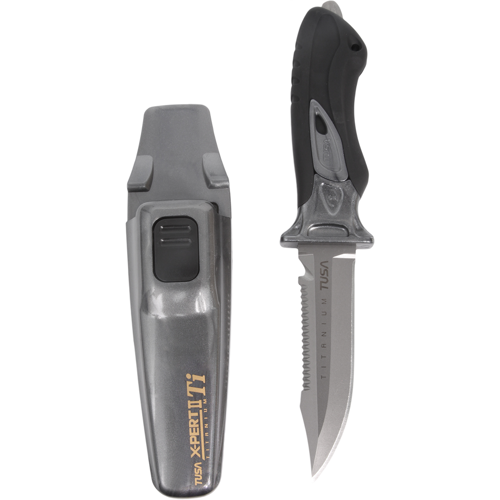
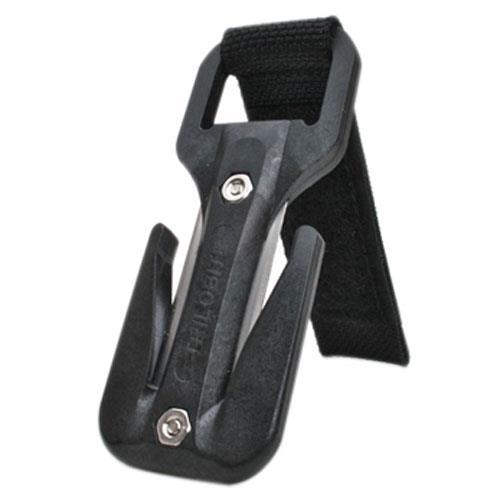
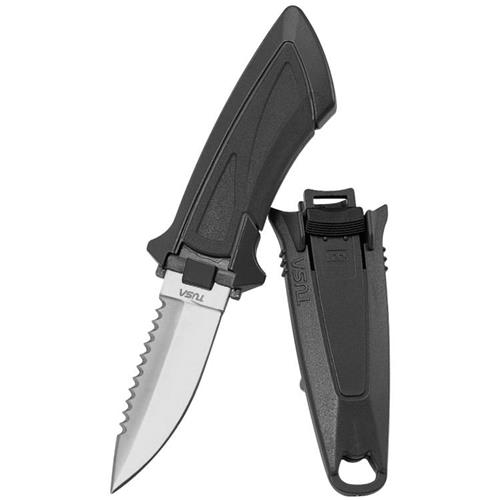
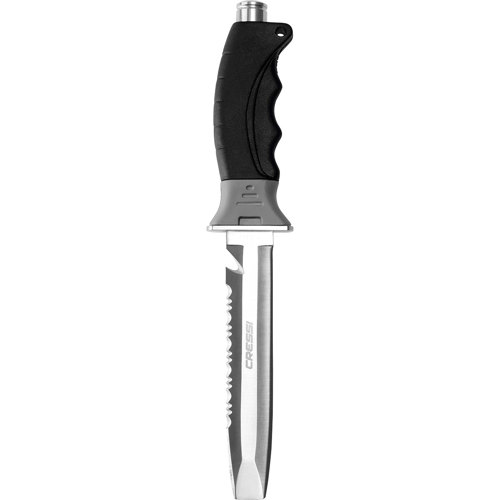
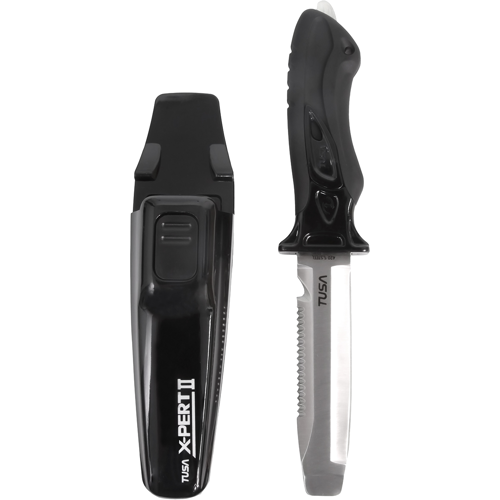
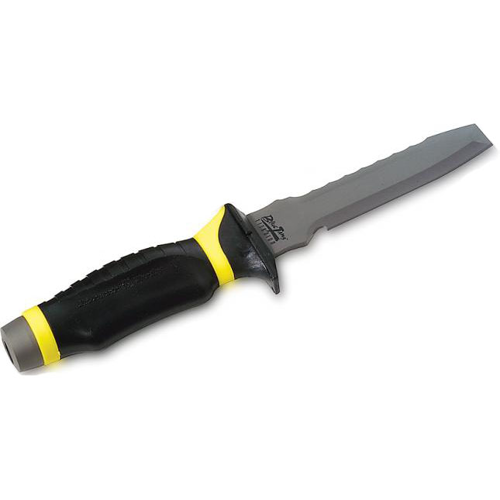
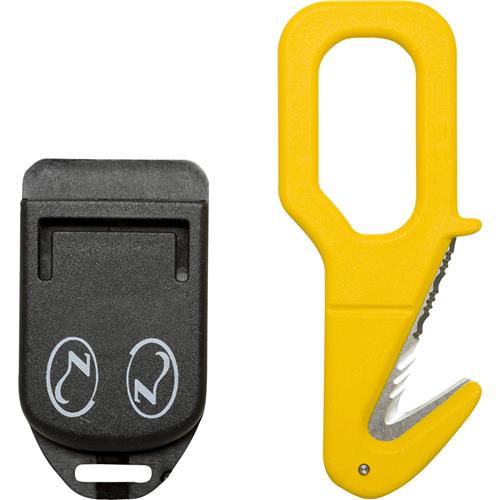
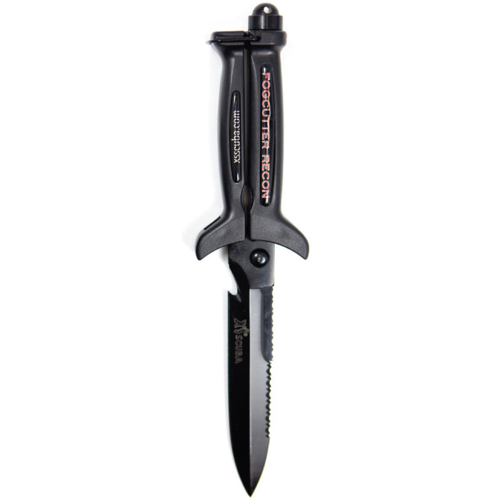
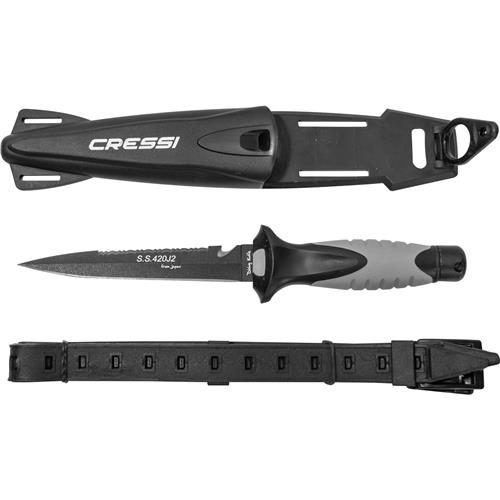
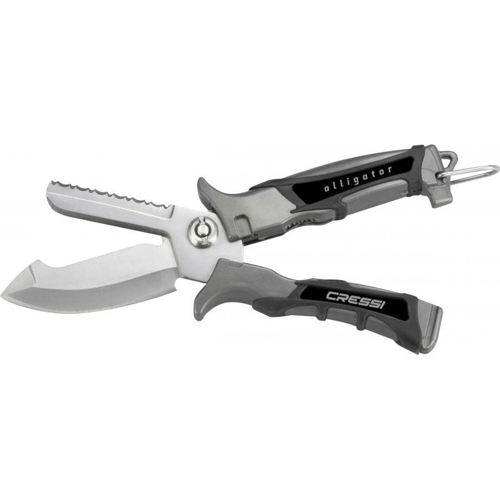
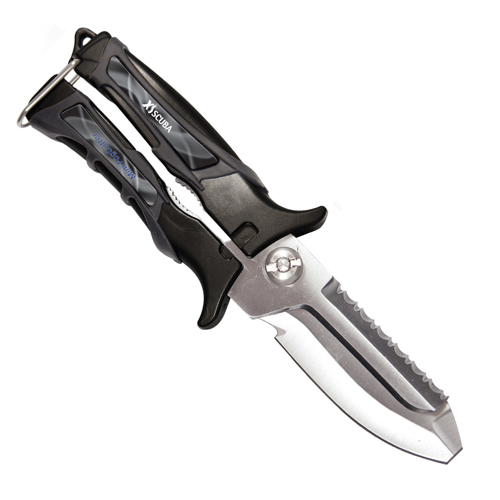
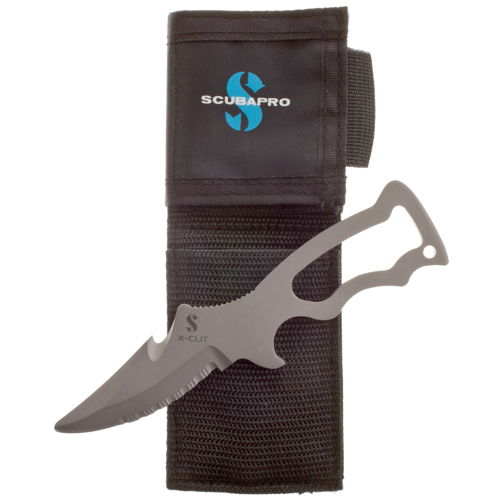
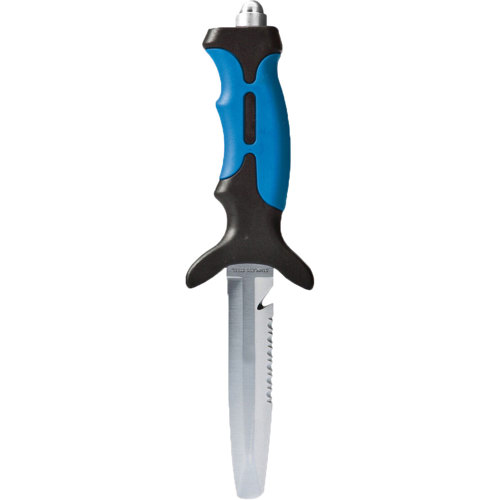
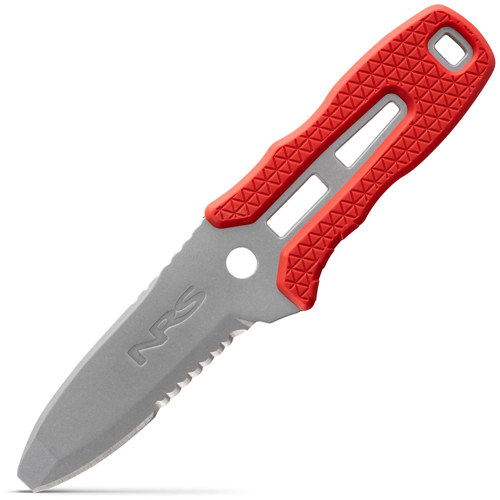
Serrated blades have earned their place as a trusted tool among divers, outdoor enthusiasts, and anyone who regularly faces the challenge of cutting through tough, fibrous, or slippery materials. The defining feature of a serrated blade is its distinctive edge, lined with tooth-like points and valleys that grip and saw through rope, webbing, and even vegetation with remarkable efficiency. These blades are particularly valued in environments where reliability and speed are critical—think of a diver needing to quickly free themselves or a buddy from entanglement in fishing line, kelp, or netting. The sawing action of a serrated edge reduces the need for excessive downward force, allowing for controlled cuts even in awkward underwater positions or when dexterity is compromised by thick gloves. This makes them a practical addition to any diver’s kit, especially during the winter and early spring months when colder water can make hands less nimble and the risk of entanglement is heightened by reduced visibility and increased debris.
When choosing a serrated blade, it’s important to consider the intended use and environment. For divers and snorkelers, corrosion resistance is paramount—look for blades crafted from marine-grade stainless steel or titanium, which withstand saltwater exposure and require minimal maintenance. Blade length and handle ergonomics also play a significant role; a compact, easily accessible blade can be the difference between a minor inconvenience and a serious emergency. Many divers prefer a blade with a partially serrated edge, offering the versatility to handle both fine and heavy-duty tasks. The design of the serrations themselves can vary, from broad, scalloped patterns that glide through thick rope, to finer, saw-tooth edges ideal for precision work. Sharpening serrated blades can be more challenging than their straight-edged counterparts, often requiring specialized honing rods or professional servicing, but their superior edge retention means they stay effective for longer stretches between maintenance. This durability is especially appreciated during extended trips or liveaboard adventures, where access to sharpening tools may be limited.
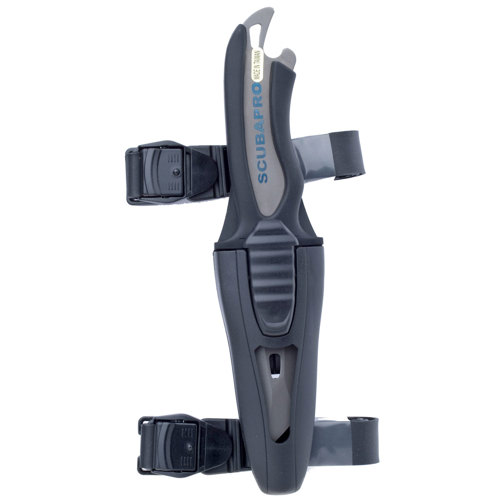
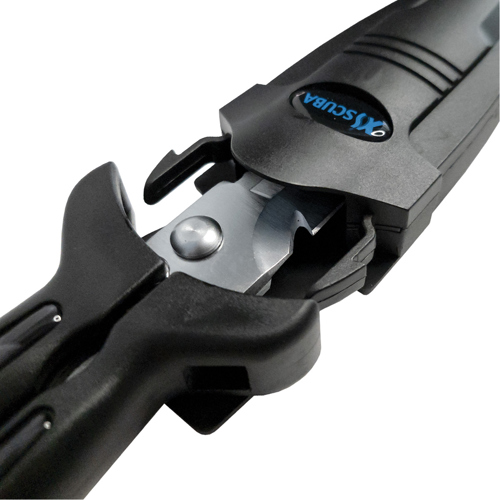
Serrated blades also make thoughtful and practical gifts for outdoor lovers, rescue professionals, or anyone who values preparedness. Their utility extends beyond the water—kayakers, sailors, campers, and hikers all benefit from the reliability of a serrated edge when faced with tasks like slicing rope, preparing food, or handling emergency situations. In the colder months, when gear tends to stiffen and materials become more challenging to cut, the aggressive bite of a serrated blade can be indispensable. For those seeking enhanced safety features, there are options designed specifically to minimize accidental injury, such as rounded tips or sheathed blades; you can explore a curated selection of these at our
Safety Blades page. Whether you’re assembling your own kit or searching for a meaningful gift, a serrated blade offers a blend of performance, durability, and peace of mind that’s hard to match. With their proven track record in both routine and emergency scenarios, these blades remain a staple in the gear bags of seasoned professionals and everyday adventurers alike.