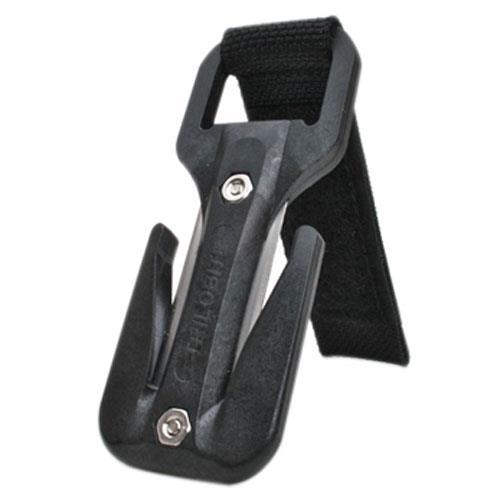
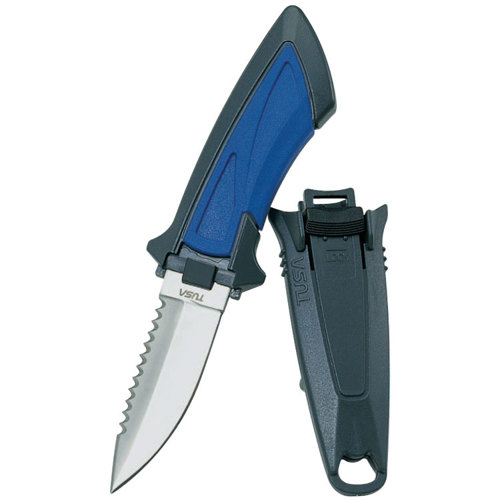
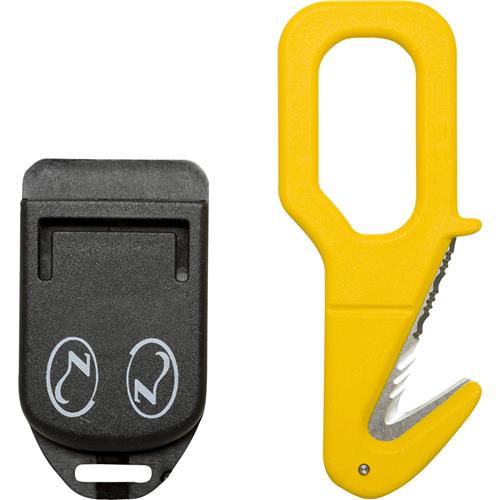
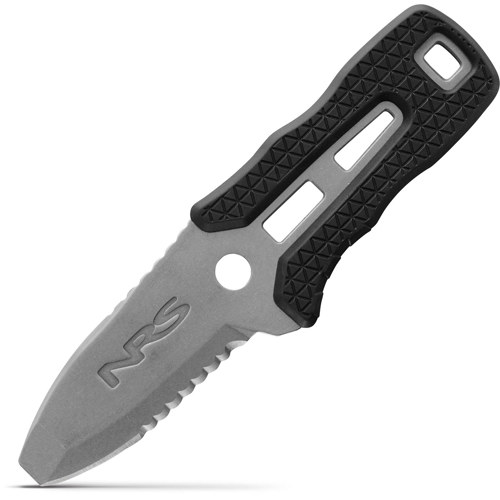
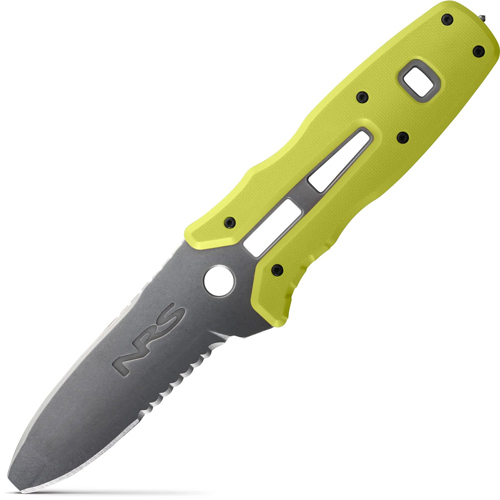
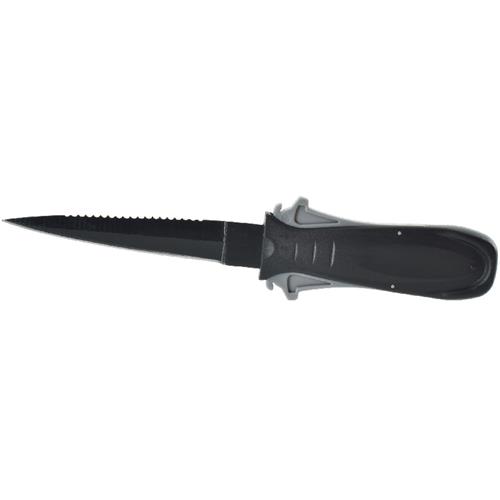
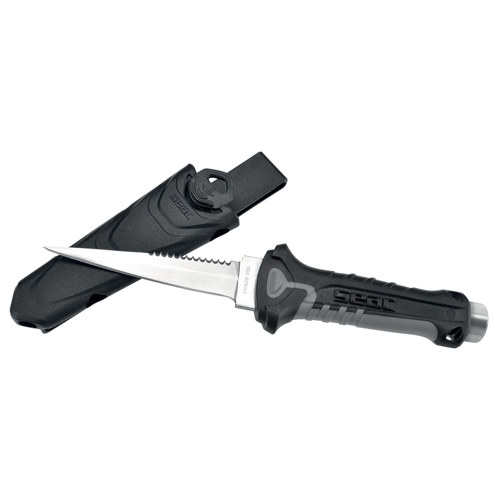
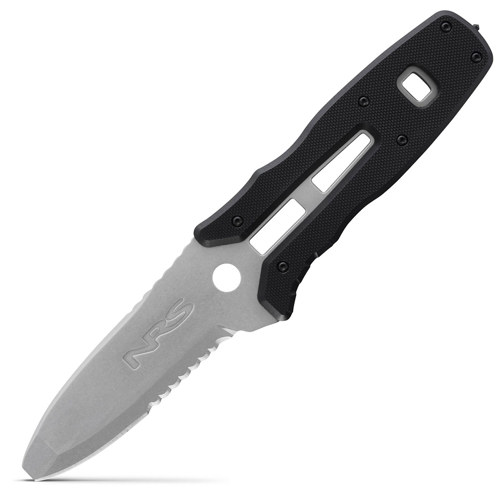
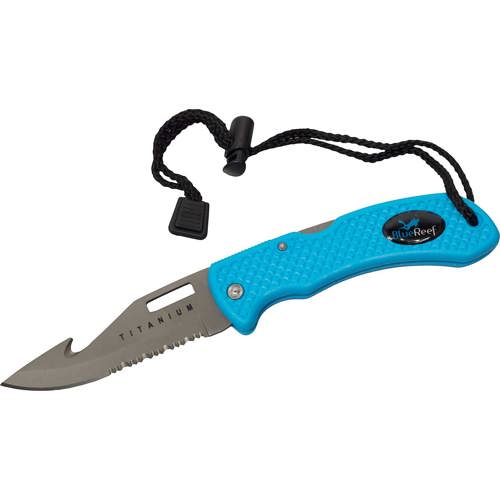
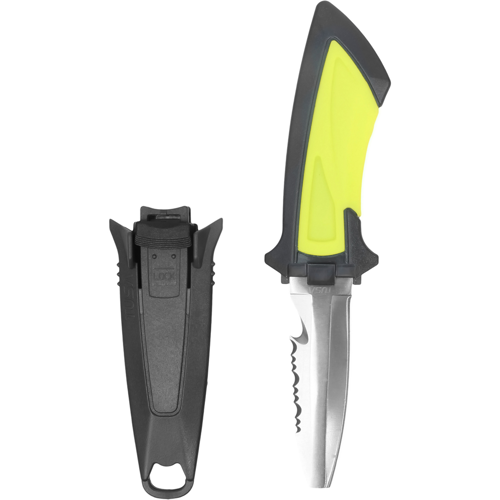
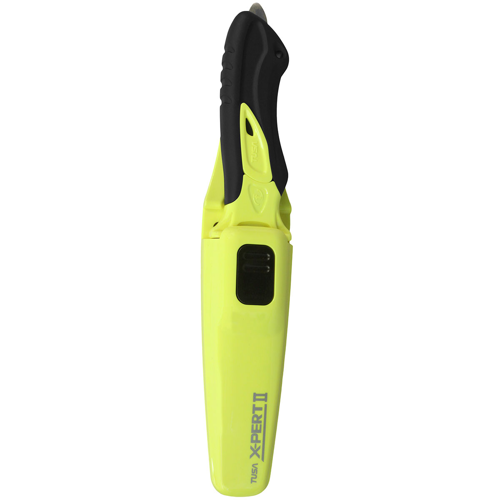
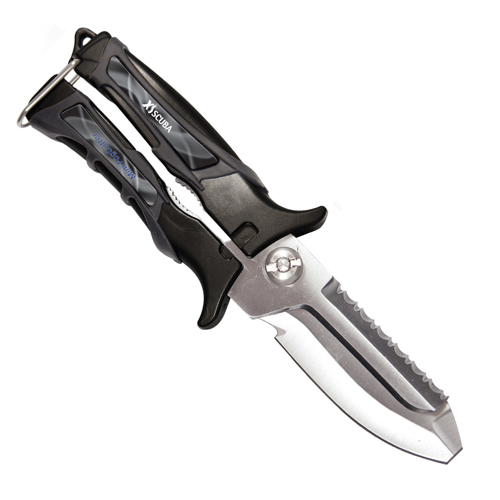
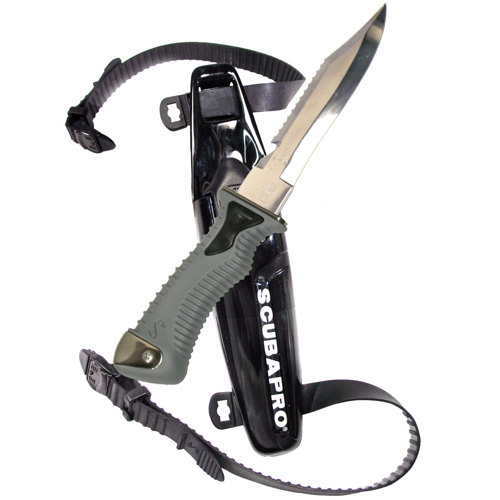
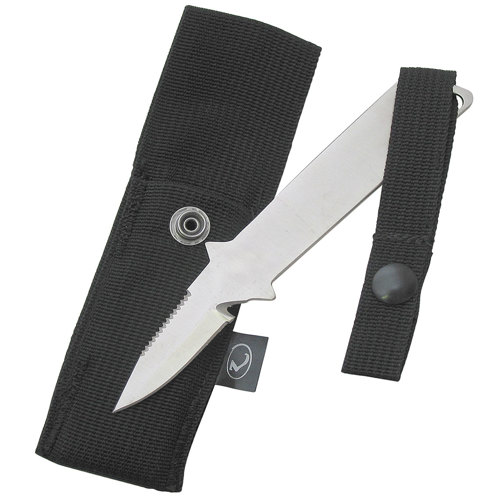
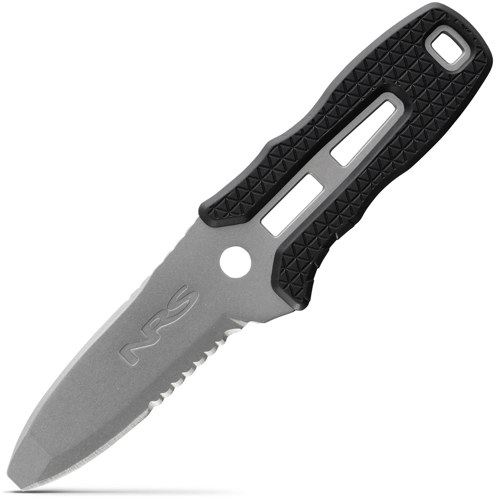
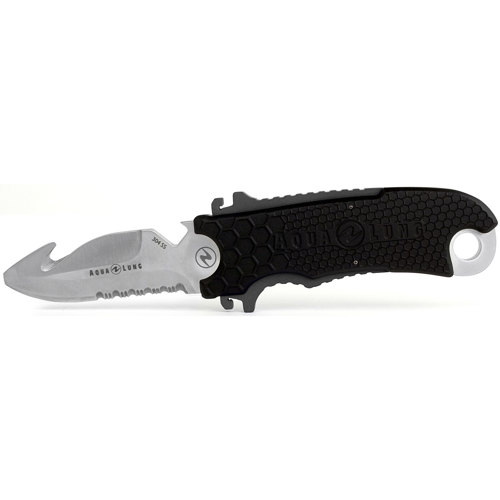
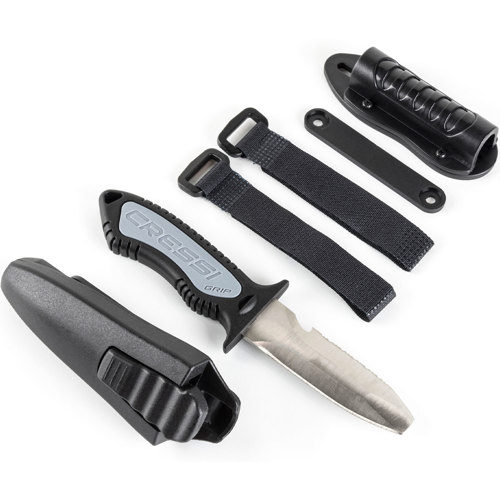
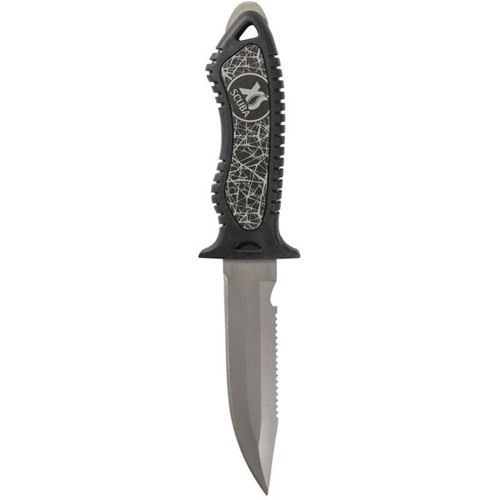
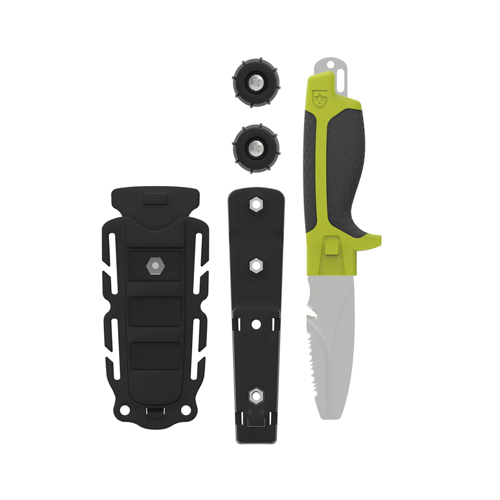
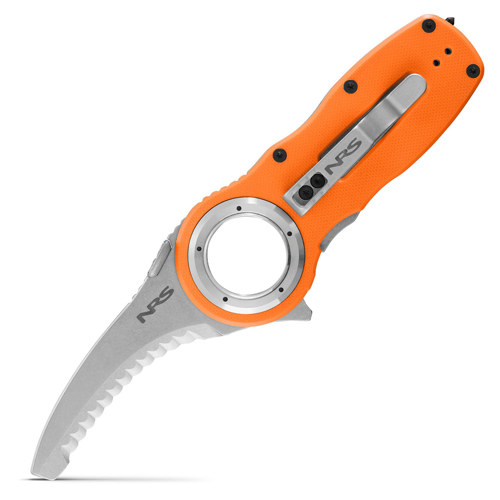
When you’re preparing for a dive, packing the right safety equipment is as much a part of the ritual as checking your air supply or reviewing your dive plan. Safety blades are one of those essential tools that experienced divers rarely leave behind, no matter the season or destination. As spring arrives and dive conditions begin to shift, with kelp forests thickening and fishing lines more frequently encountered, the importance of a reliable safety blade becomes even more pronounced. These compact, purpose-built tools are designed to offer peace of mind in the water, providing a swift and effective means of freeing yourself or a buddy from entanglements—be it monofilament, netting, or stubborn lengths of seaweed. Whether you’re a seasoned wreck diver navigating the shadowy corridors of a sunken ship or a new open-water diver exploring coastal reefs, a safety blade is a quiet but steadfast companion, clipped to your BCD or stowed in an easy-to-reach pocket.
Selecting the right safety blade involves a blend of personal preference and practical considerations. Divers often weigh factors such as blade style, size, and mounting options, knowing that accessibility in a moment of need can make all the difference. Some prefer a blunt-tip design for added safety during high-adrenaline situations, while others opt for a serrated edge to slice efficiently through tough materials. Corrosion resistance is a must, especially for those who frequent saltwater environments, and a secure sheath or locking mechanism ensures the blade stays put until needed. Springtime, with its promise of longer dive days and fresh underwater adventures, is also a popular season for gifting safety blades. They make thoughtful presents for dive buddies, instructors, or anyone celebrating a certification milestone, offering both utility and a tangible reminder that safety is always top of mind. A well-chosen safety blade isn’t just a piece of gear; it’s a gesture of care, a practical safeguard, and sometimes, the difference between a minor inconvenience and a major emergency.
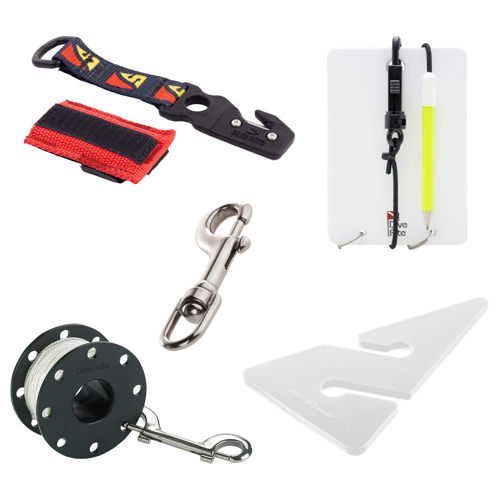
Divers from all backgrounds—recreational, technical, rescue, and even underwater photographers—find value in carrying a safety blade. The stories that surface after a dive often include moments where a quick cut was needed: freeing a fin from a stray fishing line, assisting a fellow diver caught in a net, or simply trimming away a snagged lanyard. These experiences reinforce the wisdom of keeping a blade within arm’s reach. For those looking to expand their safety toolkit, exploring the broader range of
Safe Cutting Tools can help you find the perfect fit for your diving style and environment. The right safety blade is more than just a tool—it’s a symbol of preparedness and respect for the unpredictable beauty of the underwater world. As you gear up for your next adventure, consider how a thoughtfully selected safety blade can enhance your confidence and contribute to a safer, more enjoyable dive season.