When it comes to preparing for a dive, securing your gear is as crucial as checking your air supply or reviewing your dive plan. The right connections—whether it’s a bolt snap, stainless steel quick link, or a bungee system—can mean the difference between a seamless underwater experience and the frustration of lost or dangling equipment. Divers of all levels, from open water beginners to seasoned technical explorers, know the importance of reliable attachment points for their accessories. Spring is a favorite time for many to get back in the water, and with the season’s renewed activity comes a fresh opportunity to review your setup. Many divers take this time to inspect and upgrade their gear, ensuring every light, camera, submersible pressure gauge, and marker buoy is securely fastened, not just for convenience but for safety and efficiency throughout the dive.
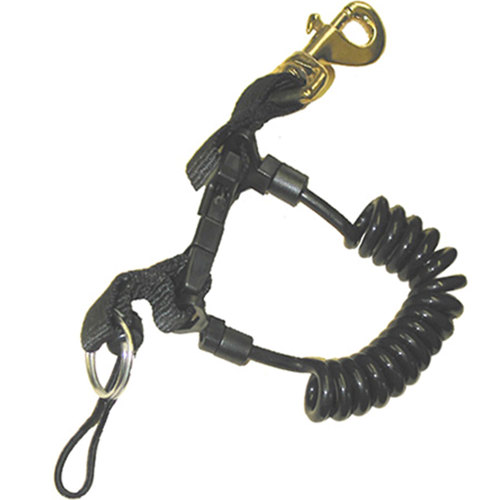
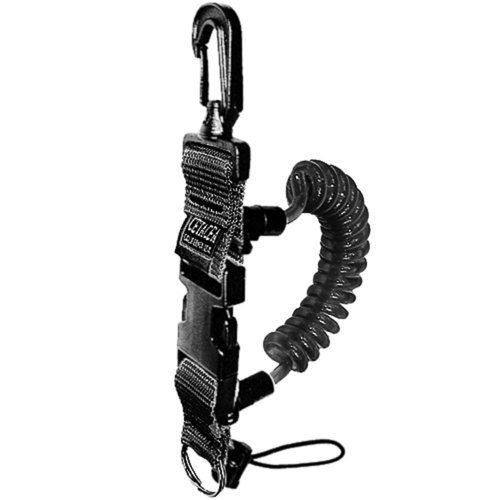
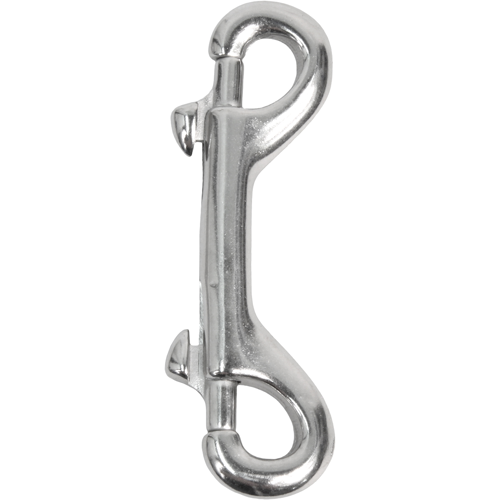
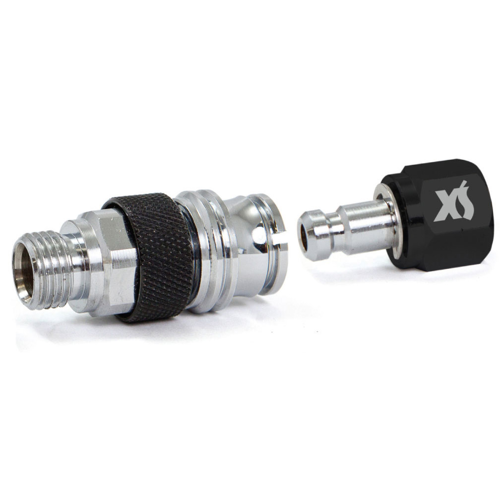
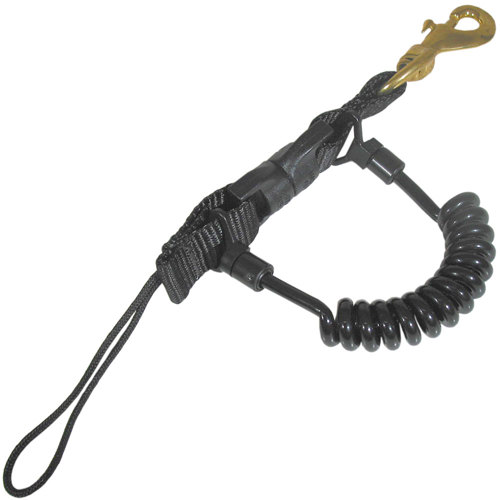
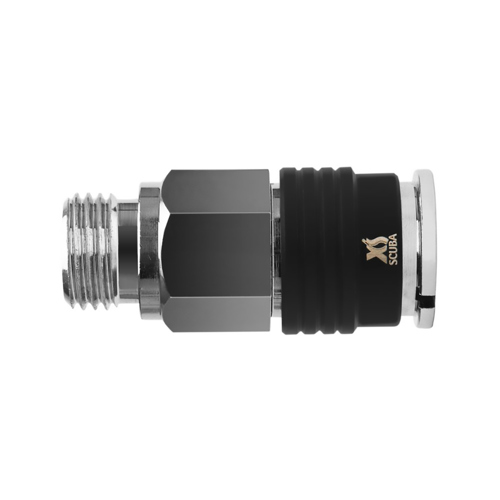
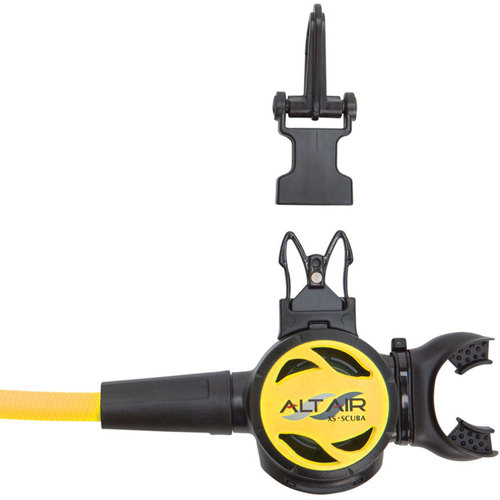
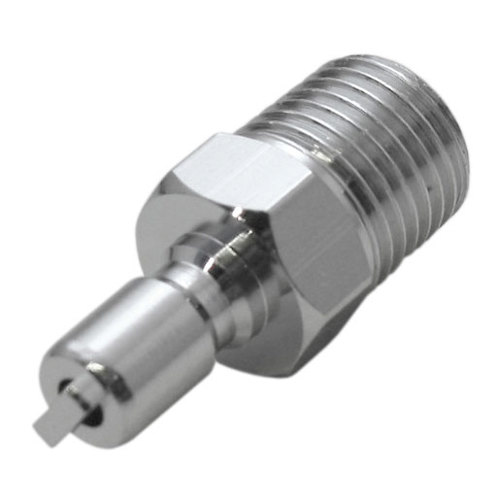
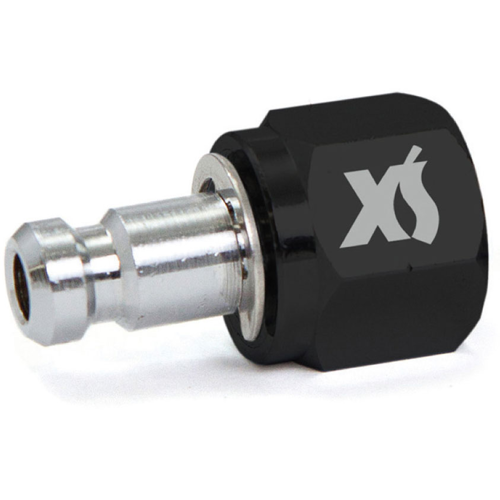
Selecting the right hardware for secure diving connections involves considering the type of diving you do and the conditions you expect to encounter. For recreational divers, sturdy bolt snaps and quick links made from marine-grade stainless steel are trusted for attaching essentials like SPGs, backup lights, or slates to BCD D-rings. These connections need to withstand saltwater exposure and the rigors of repeated use, so quality materials and solid construction are paramount. Technical divers, who often carry multiple accessories and specialized equipment, may rely on more advanced systems such as bungee mounts for dive computers or wet-mate connectors for rebreather electronics, where a secure, reliable connection is non-negotiable. Even simple details, like using nylon line with properly burned knots or choosing metal over plastic for high-stress points, can have a significant impact on gear reliability. For divers who enjoy underwater photography or videography, quick-release clips and O-rings with zip ties offer peace of mind, ensuring valuable cameras and lights stay exactly where you want them, yet can be detached quickly if needed.
Secure diving connections aren’t just for the diver themselves; they make thoughtful and practical gifts for dive buddies, instructors, or anyone building their kit. A set of high-quality clips or bungee systems can be a welcome addition to a new diver’s gear bag, helping them keep everything organized and secure as they gain experience. For those involved in more specialized activities like scientific diving, search and recovery, or tethered diving operations, robust and easily managed connections are essential for both safety and efficiency. The practice of stowing SMBs and spools in tech shorts or cargo pockets, for example, keeps lines tidy and minimizes the risk of entanglement—a best practice that’s appreciated by anyone who’s ever had to untangle gear mid-dive. As you review your own setup or shop for someone else, consider the value of keeping a detailed record of your equipment and configurations. Many divers find it helpful to document their gear setups, attachment points, and maintenance schedules, and tools like
Secure Diving Notebooks can play an important role in staying organized and prepared for every adventure beneath the surface. Whether you’re gearing up for a leisurely spring dive or prepping for a technical expedition, investing in secure connections is an investment in a safer, more enjoyable underwater experience.