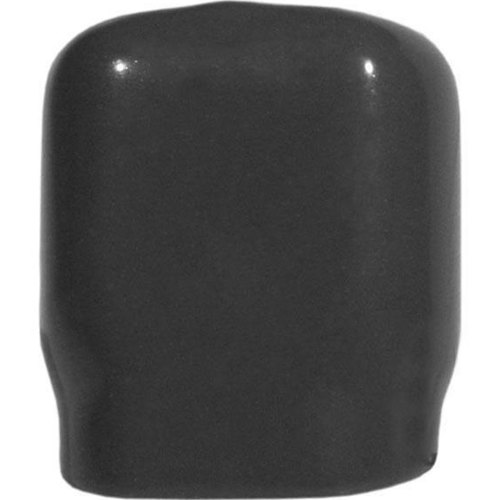
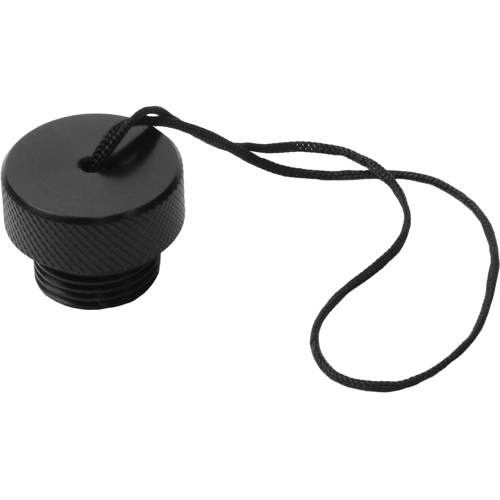
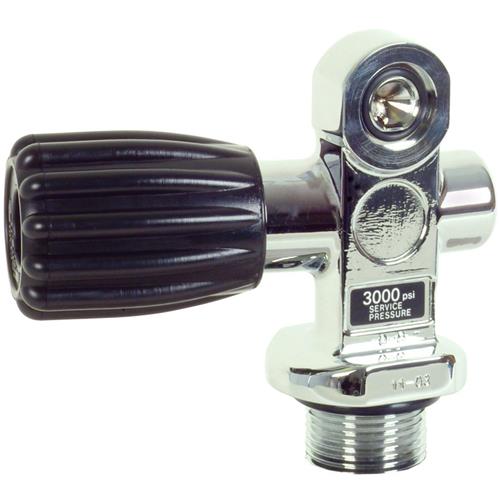
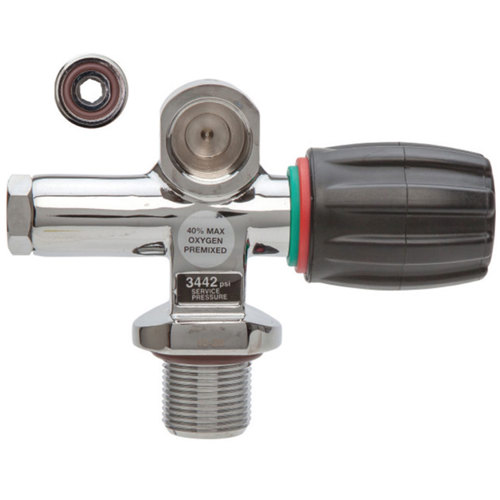
Scuba valve care is a cornerstone of safe and enjoyable diving, whether you’re a seasoned technical diver, a weekend recreational enthusiast, or someone just beginning to explore the underwater world. The importance of maintaining your scuba cylinder valves goes far beyond mere aesthetics—these components are critical to the reliability and longevity of your entire breathing system. Exposure to saltwater, sand, and even the humid air at a dive site can accelerate corrosion and wear, making routine care and the right maintenance accessories essential. As the weather warms and dive trips become more frequent, having dependable valve care products on hand can make the difference between a smooth day on the water and an unexpected equipment issue. Rinsing your valve with fresh water after every dive, ensuring it dries thoroughly, and using protective caps or bungs are all simple yet vital steps that help prevent the buildup of salt crystals and debris inside the valve mechanism. These habits are especially important during the busy summer and early fall dive season, when gear is often in heavy rotation and storage conditions may vary from sunny beach parking lots to cool, shaded garages.
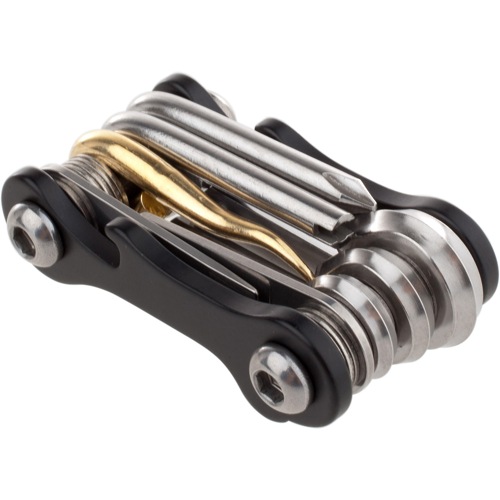
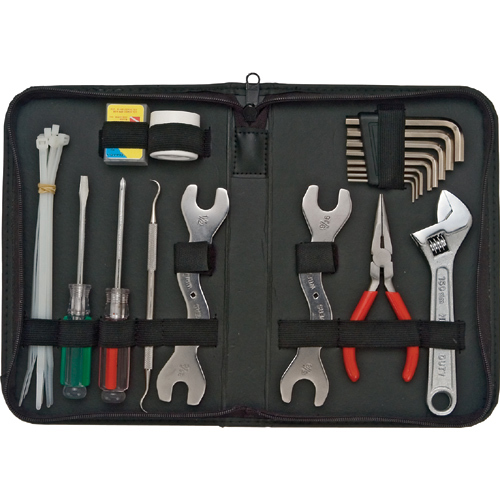
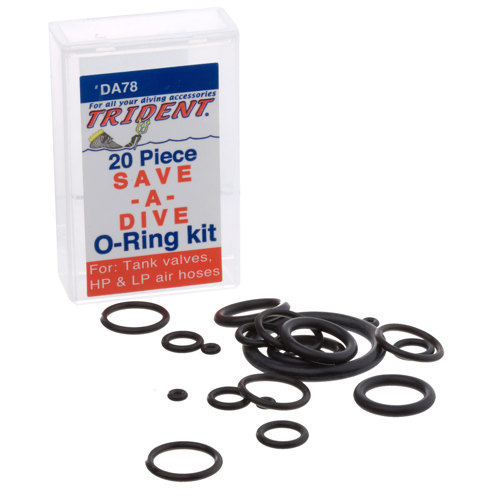
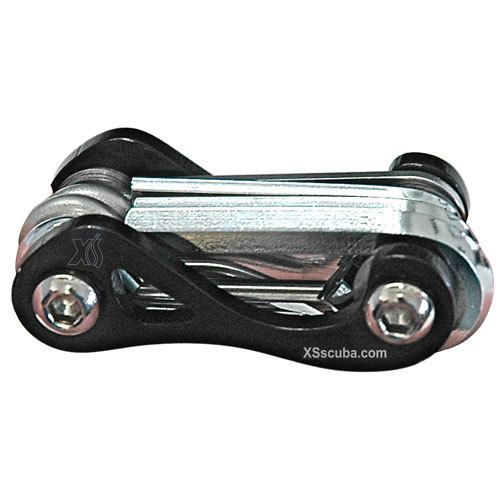
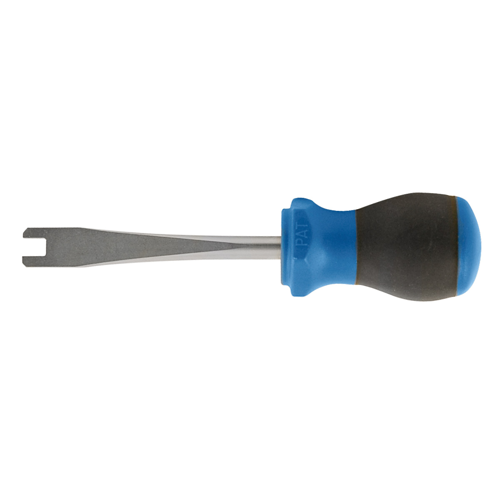
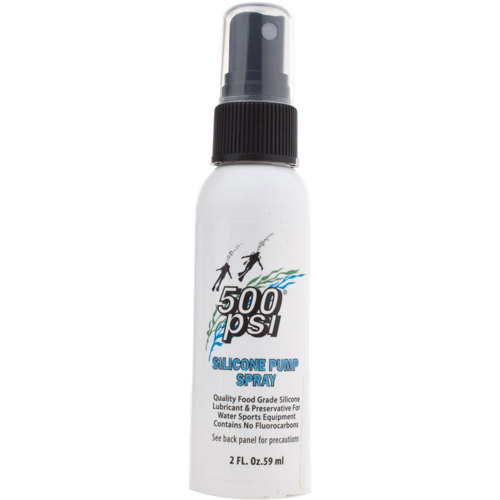
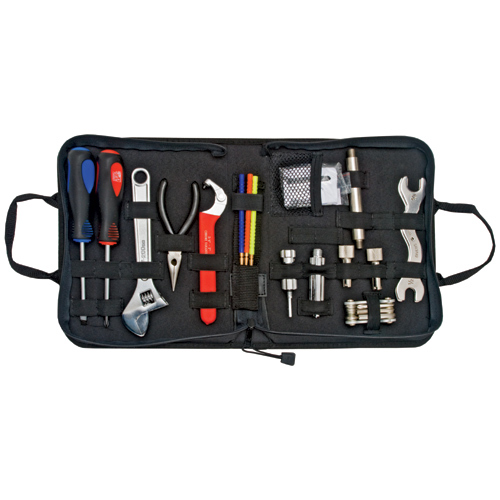
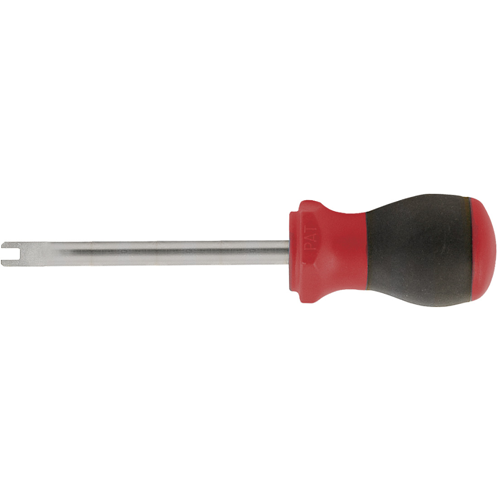
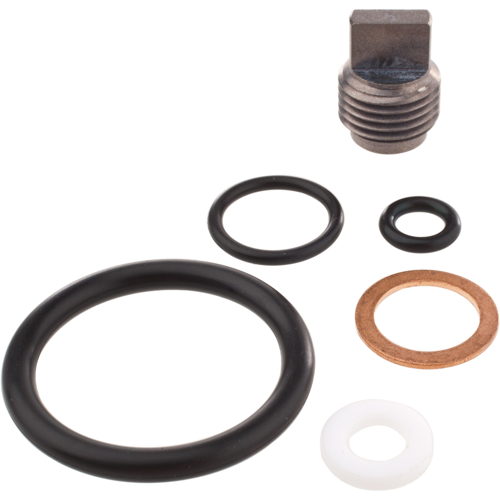
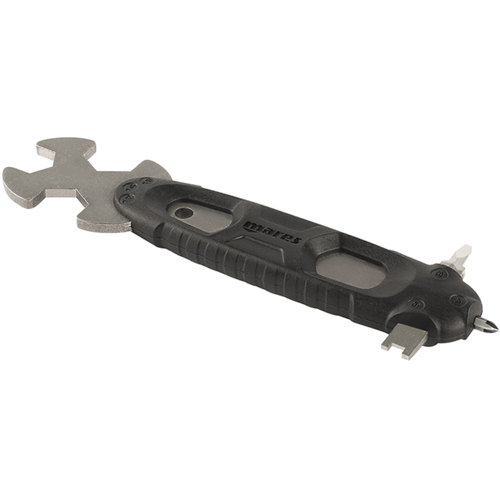
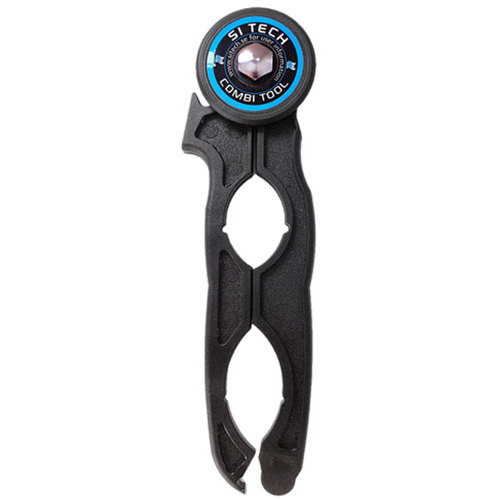
For those who take pride in their gear or enjoy giving thoughtful, practical gifts to fellow divers, items related to valve care are always appreciated. Dive professionals, instructors, and even casual snorkeling fans can benefit from high-quality valve maintenance tools and accessories. Whether you’re gifting to a friend who’s just earned their open water certification or equipping a family member for a bucket-list liveaboard trip, products that promote proper valve care show a level of attention and understanding that’s sure to be valued. Many divers recall the first time a sticky valve or a worn O-ring threatened to cut a dive short, and the lesson is never forgotten: a well-maintained valve is a gateway to adventure, while neglect can lead to costly repairs or missed opportunities. Investing in care products—like gentle cleaning solutions, specialized valve seat tools, and compliant O-ring kits—supports not just safety, but also the feeling of confidence that comes with knowing your equipment is ready for anything. For those interested in performing minor maintenance or overhauls themselves, it’s important to use manufacturer-approved parts and tools, which can be found in collections like
Scuba Valve Tools, ensuring compatibility and peace of mind.
No matter your experience level or the environments you explore—be it silty freshwater lakes, tropical reefs, or cool coastal waters—attentive valve care is an ongoing commitment. Storing cylinders with a small reserve of air, following the “two-finger rule” when closing valves to avoid overtightening, and scheduling annual inspections all contribute to the long-term health of your gear. Burst discs and over-pressure relief devices should be checked and replaced as needed, particularly after hydrostatic testing, to maintain safety standards. As dive communities come together through the active months, sharing best practices and reliable maintenance routines becomes part of the culture. Whether you’re preparing for a weekend getaway or a series of training dives, prioritizing valve care with the right products ensures your adventures remain safe and uninterrupted, season after season.