Scuba Cylinder Care
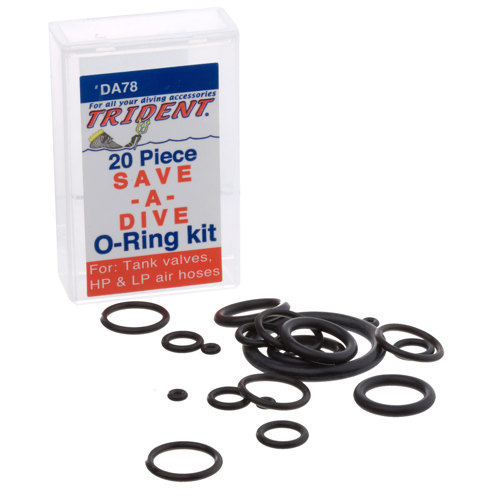
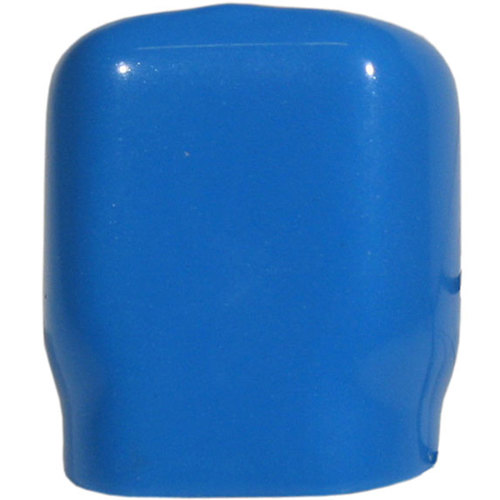
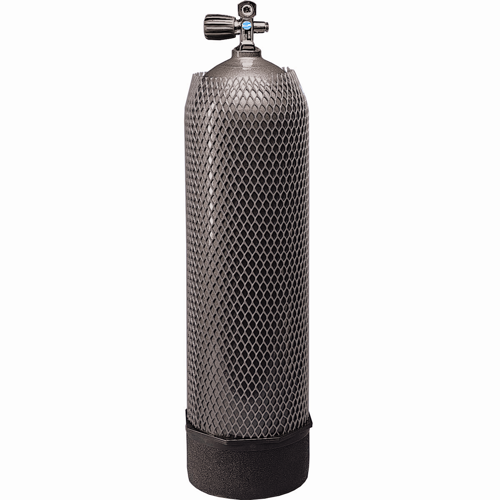
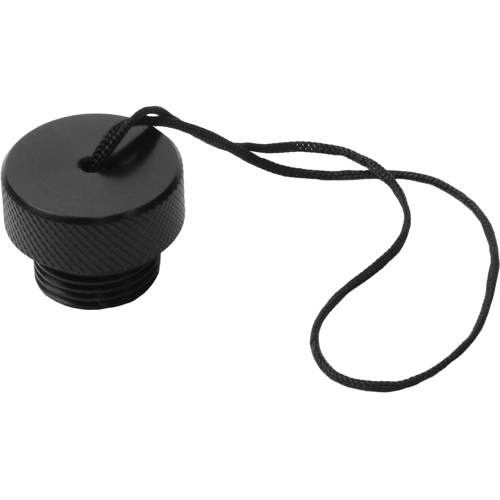
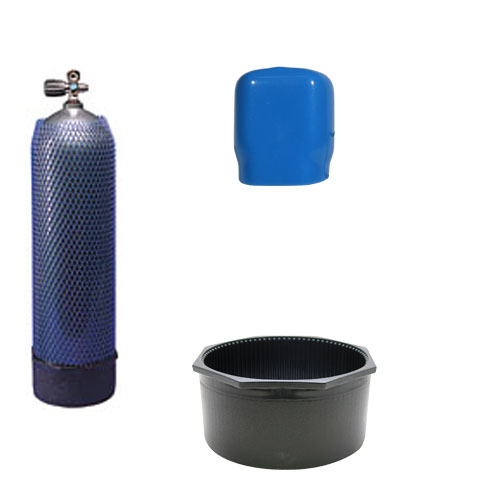
Caring for your scuba cylinder is fundamental to safe, enjoyable diving, whether you’re gearing up for a summer of local shore dives, planning a tropical getaway, or simply keeping your equipment in top condition between adventures. Cylinders are the lifeline of every dive, storing the air you breathe underwater, so their upkeep is crucial for both performance and safety. As the weather warms and dive season ramps up, proper cylinder maintenance tools and accessories become especially important—not only for active divers, but also for instructors, dive clubs, and anyone entrusted with group equipment. The right care products help prevent internal moisture, protect against corrosion, and keep cylinders looking and functioning like new, even after repeated exposure to salt, sand, and sun. After a day in the water, rinsing your cylinder thoroughly with fresh water, especially around the valve and boot, removes salt and grit that could otherwise cause long-term damage. Drying the cylinder completely before storing it upright in a cool, dry place is another simple but essential habit that extends its lifespan. For divers who travel or store gear for extended periods, having reliable cylinder covers, valve protectors, and storage stands can make all the difference in preventing accidental knocks or exposure to heat—common culprits of premature wear.
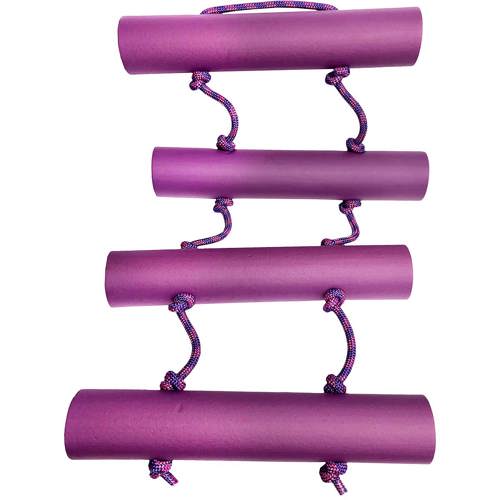
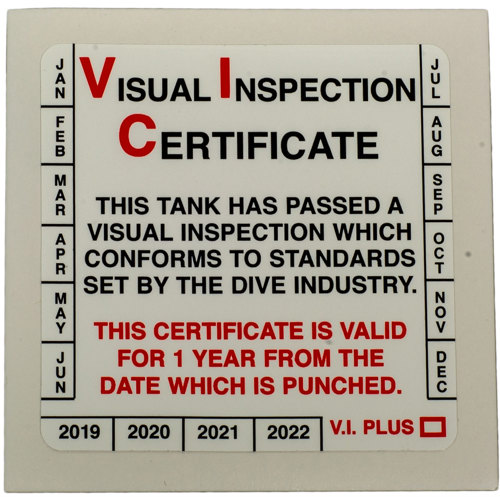
Routine maintenance isn’t just about cleaning; it’s also about regular inspection and testing. Annual visual inspections by a certified technician, along with periodic hydrostatic testing as required by local regulations, ensure the cylinder’s structural integrity and safety. Accessories that make it easier to remove boots or backpacks, or to check and maintain valve threads, are invaluable for both new divers learning the ropes and seasoned pros who want to streamline their gear checks. These products are also thoughtful gifts for dive buddies, instructors, or anyone in your circle who takes pride in their equipment—especially during the busy summer and early fall dive months, when gear gets the most use. Whether you’re assembling a kit for your own use or looking for practical additions for someone else’s setup, focusing on cylinder care is an investment in both safety and enjoyment. For more detailed strategies on maintaining all your dive equipment, including step-by-step guides and expert insights, explore our
Scuba Gear Care Tips for a comprehensive approach to gear longevity and reliability. Taking these extra steps helps ensure every dive is as safe and memorable as the last, letting you focus on the adventure ahead.