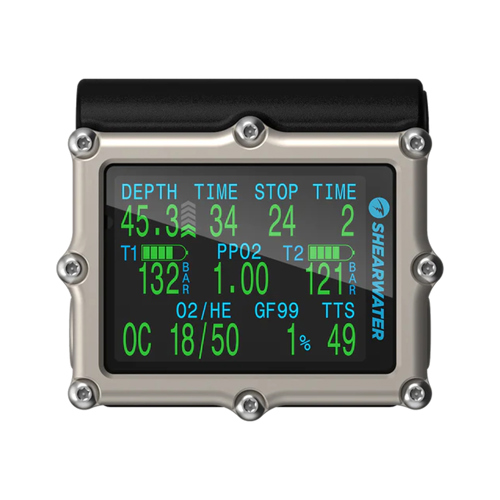
Scuba gas systems are the cornerstone of safe and enjoyable underwater exploration, providing divers with the essential breathing mixtures required for adventures at a range of depths and durations. Whether you’re a recreational diver gearing up for summer reef dives or a technical enthusiast planning deep wreck explorations as the seasons shift, understanding your gas options is fundamental. Standard scuba diving air, composed of roughly 21% oxygen and 79% nitrogen, remains the most common choice for open-water and recreational diving up to about 130 feet. For those looking to extend their bottom time or reduce the risk of nitrogen absorption, enriched air mixes like Nitrox (EAN) offer higher oxygen concentrations—ideal for repetitive dives or shallower profiles. When venturing deeper, particularly in technical or overhead environments, specialized blends such as trimix or a helium oxygen mix for diving become critical. These advanced mixtures help manage the physiological challenges posed by increased pressure, such as nitrogen narcosis and oxygen toxicity, enabling safe access to greater depths and longer decompression stops.
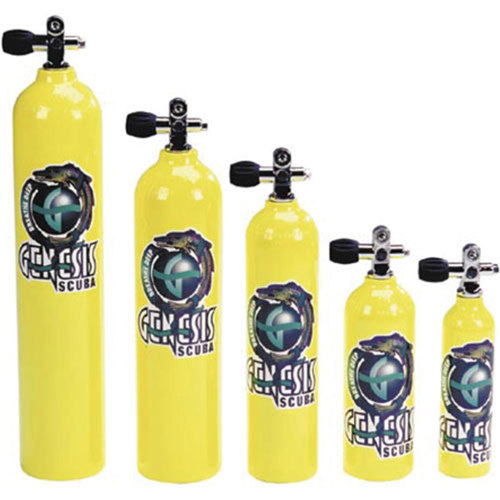
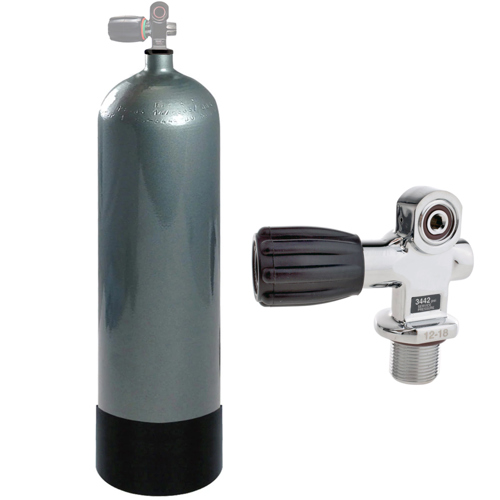
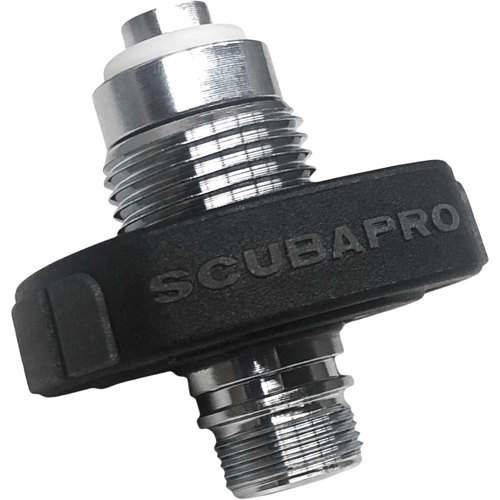
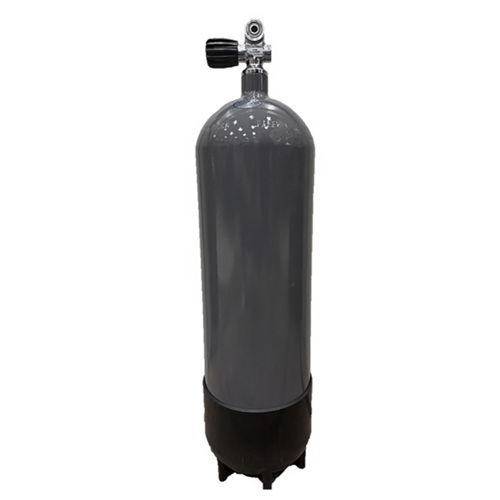
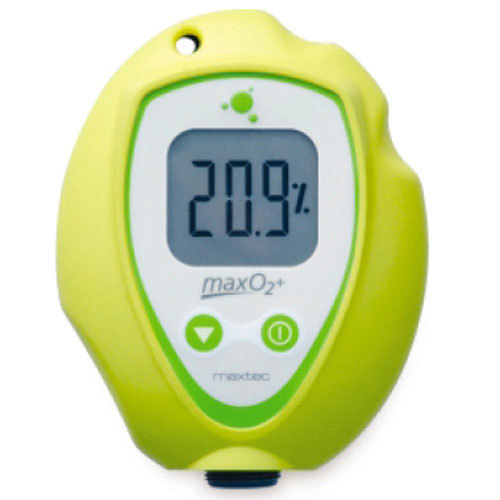
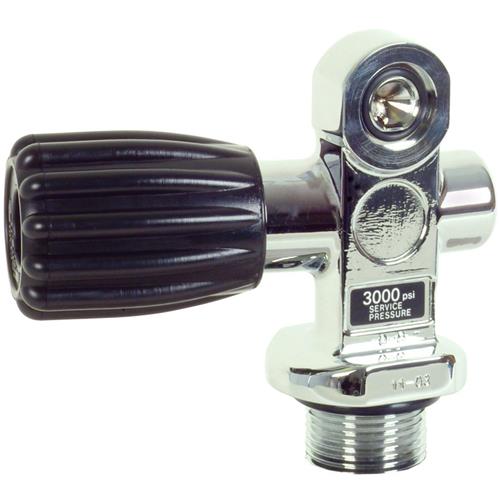
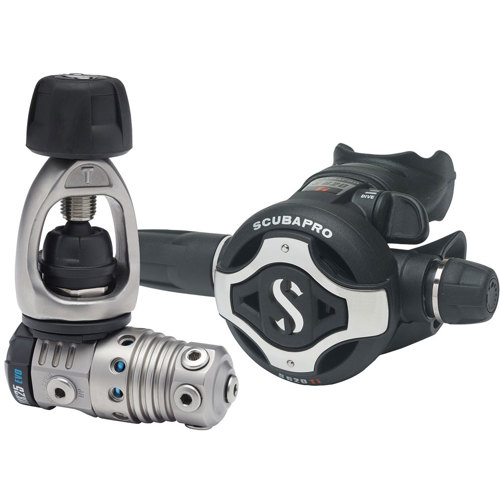
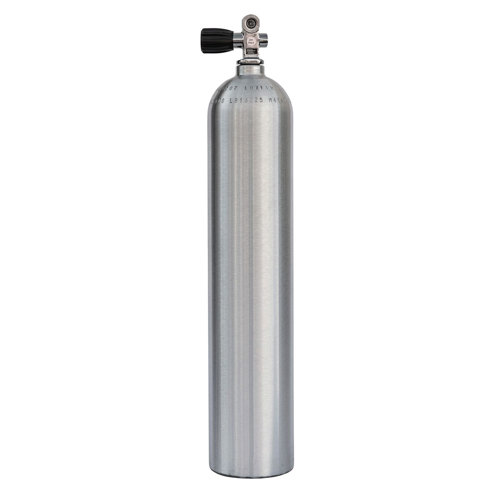
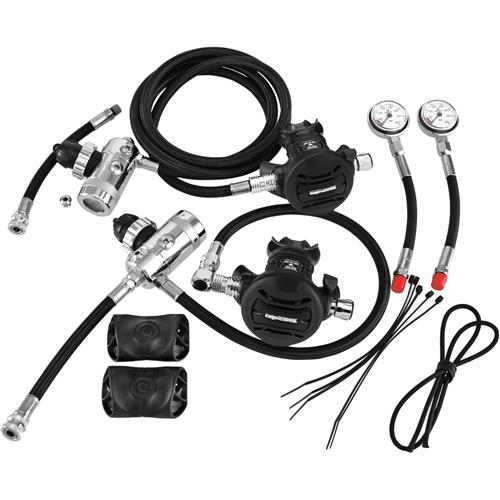
Selecting the right scuba gas system involves careful consideration of your diving goals, experience level, and the environments you plan to explore. For many, the journey begins with choosing a reliable diving oxygen tank—typically made from steel or aluminum and designed to withstand pressures exceeding 3,000 psi. Primary cylinders are often worn on the back or in sidemount configurations, while smaller bailout or pony bottles serve as crucial backups for emergencies. Regulators play a pivotal role as well, reducing high-pressure gas from the tank to breathable levels and ensuring smooth, effortless inhalation with every breath. Technical divers might opt for systems that provide redundant first stages and optimal hose routing, especially when diving in colder water or complex environments. As the weather warms and dive sites become more accessible, it’s common to see families, friends, and dive buddies exchanging these essential pieces of gear as thoughtful gifts—whether it’s a first tank for a new diver or an upgrade for a seasoned explorer. Safety is always paramount, and many divers invest in personal gas analyzers or rely on trusted fill stations to verify their breathing mixture before every dive. For those interested in the specifics of decompression gases and advanced blends, resources like the
Scuba Deco Gases page provide additional insights into the options available for managing longer or more complex ascents.
The versatility of modern scuba systems means that divers can tailor their gas supply to the unique demands of each underwater adventure. During the warmer months, when dive travel and local excursions are at their peak, having access to the right gas mixtures not only enhances safety but also opens up a world of possibilities—from extended photo dives on vibrant reefs to challenging descents into deep blue canyons. Technical divers, in particular, benefit from the ability to blend and carry multiple gases, using helium oxygen mixes for deep penetration dives or carefully planned decompression stops. Each component, from the robust construction of a diving oxygen tank to the precision engineering of regulators and fill stations, is designed with reliability and performance in mind. Whether you’re preparing for a summer family vacation, a group dive charter, or simply upgrading your kit for the season ahead, investing in quality scuba gas systems ensures that every breath underwater is as safe and enjoyable as possible.