Scuba deco gases play a crucial role in technical and advanced recreational diving, where managing inert gas absorption and off-gassing is essential for safety and efficiency. These specialized gas mixtures, such as high-oxygen blends like Nitrox 50 (EAN50) or pure oxygen, are used during the decompression phase of a dive to accelerate the elimination of nitrogen or helium from the body. When a diver ascends after spending time at depth, switching to a deco gas at a prescribed decompression stop can significantly reduce the duration of stops required, helping to minimize the risk of decompression sickness. The science behind this lies in increasing the oxygen partial pressure and maximizing the pressure gradient for inert gas diffusion, allowing tissues to off-gas more rapidly. In practice, this means a diver might switch to a 50% oxygen mix at around 21 meters (70 feet), then transition to 100% oxygen at shallower depths, often at 6 meters (20 feet) or 3 meters (10 feet), to complete the final stages of decompression. However, these gases come with strict safety considerations. High-oxygen mixes have maximum operating depths that must never be exceeded to avoid the risk of central nervous system oxygen toxicity, a potentially life-threatening condition. For this reason, proper training and strict adherence to gas-switch protocols are non-negotiable. Technical divers often undergo rigorous courses with agencies like TDI, IANTD, or TecRec to master the use of deco gases, including gas blending, cylinder labeling, and emergency procedures.
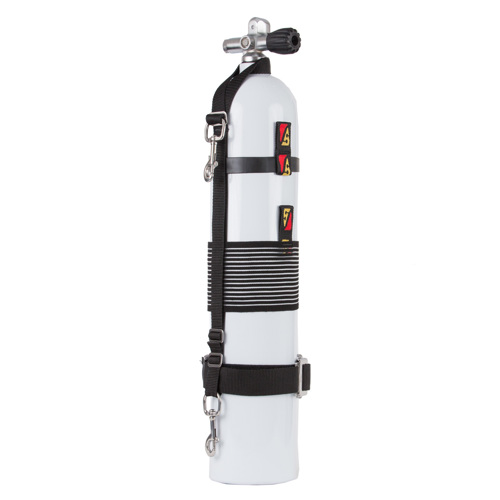
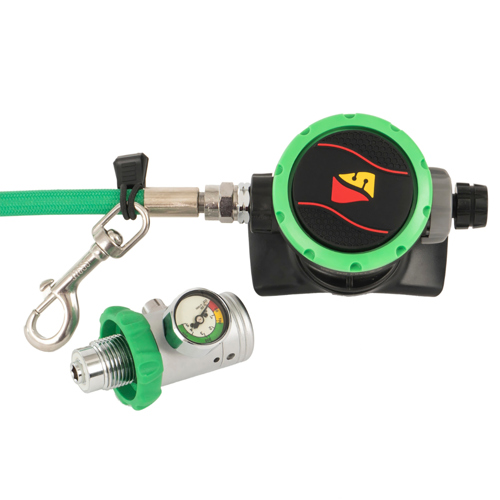
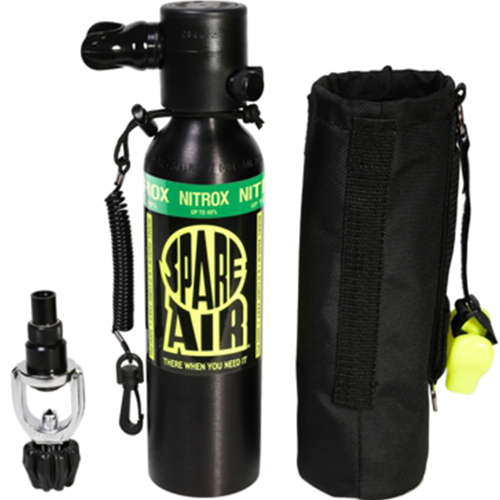
Selecting the right deco gases and associated equipment is a process that combines personal dive profiles, team standards, and environmental factors. Divers typically carry their deco gases in dedicated stage or pony cylinders, each clearly marked for easy identification. The choice of regulator for these tanks is equally important, as it must be reliable, robust, and easy to use under the often challenging conditions of technical diving—think of a chilly February morning, suiting up on a windswept dock, with the knowledge that every piece of gear must perform flawlessly. Many divers recall their early days of technical training, the careful planning and labeling of cylinders, the tactile reassurance of checking a dedicated deco regulator before splashing in. For those purchasing deco gas equipment, considerations include compatibility with high-oxygen blends (requiring oxygen-clean components), ease of handling with thick gloves, and visibility of markings even in low-light or murky conditions. This makes deco gas gear a thoughtful and practical gift for the serious diver in your life, especially as dive season approaches and training ramps up for spring expeditions. Whether preparing for a deep wreck exploration or simply extending bottom time on a favorite local site, having the right deco gas setup is a mark of a diver’s commitment to both performance and safety. For divers looking to complete their kit, it’s worth exploring options for specialized
Diving Deco Tank Regulators that are designed to meet the rigorous demands of decompression diving.
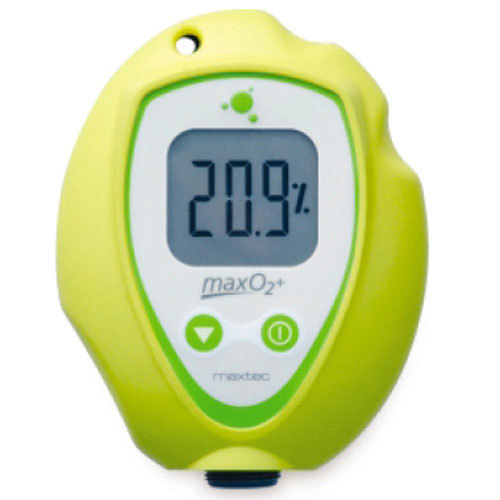
In the context of modern diving, the use of deco gases represents a blend of advanced technology, meticulous preparation, and a deep respect for the underwater environment. Each ascent, each gas switch, is a carefully orchestrated routine honed through training and experience. Winter and early spring are ideal times for divers to review their gear, refresh their skills, or invest in upgrades—whether it’s a new stage bottle harness, an oxygen analyzer, or a set of high-visibility cylinder stickers. For dive teams and experienced buddies, standardizing on gas mixes and equipment can streamline planning and enhance safety, turning complex dives into smooth, well-rehearsed operations. The satisfaction of a successful technical dive—emerging from the water knowing that every detail was managed, every protocol followed—is hard to match. For those drawn to the challenge and reward of technical diving, the right deco gas equipment is not just a purchase, but an investment in safe, memorable underwater adventures.