Diving decompression is one of the most critical aspects of safe underwater exploration, especially as divers venture deeper or extend their bottom time beyond standard recreational limits. As the days grow longer in March, many experienced divers begin planning for more ambitious spring and summer dives, which often means pushing into environments where decompression stops become mandatory. Whether you’re a seasoned technical diver preparing for a series of deep wreck explorations, or an advanced recreational diver eager to experience the mysteries of extended bottom times, understanding and equipping yourself for decompression diving is essential. The process of decompression involves carefully controlling your ascent to allow inert gases, primarily nitrogen, to safely leave your tissues. This is achieved through a combination of planning, discipline, and the right equipment—each element working together to prevent decompression sickness, colloquially known as “the bends.” For those who take their diving seriously, the transition into decompression diving represents a commitment to both adventure and safety, requiring an investment in specialized gear that supports precise ascent management.
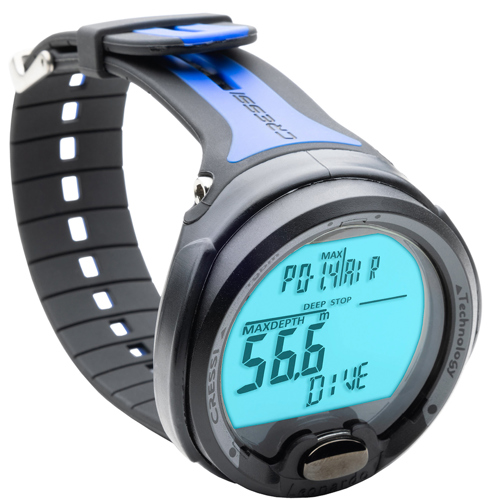
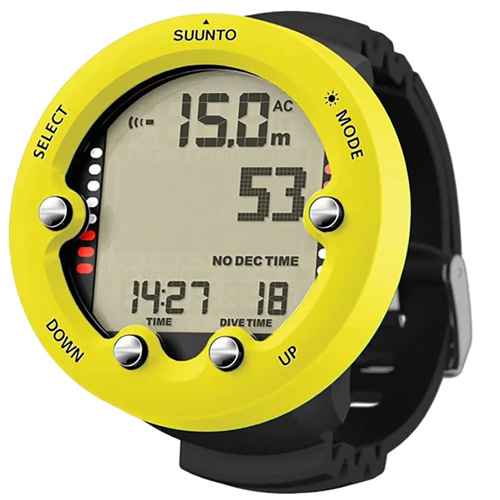
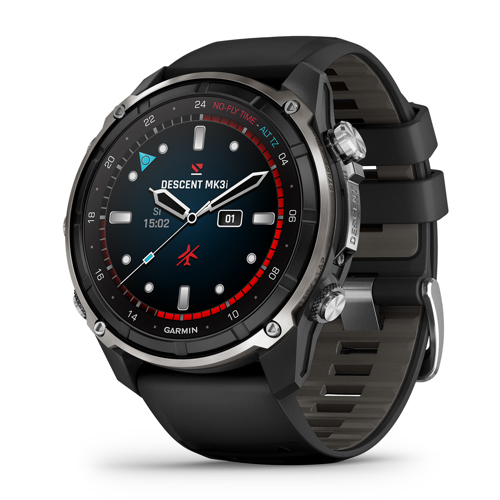
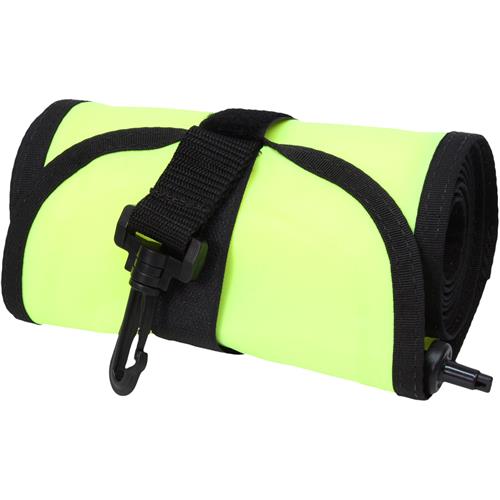
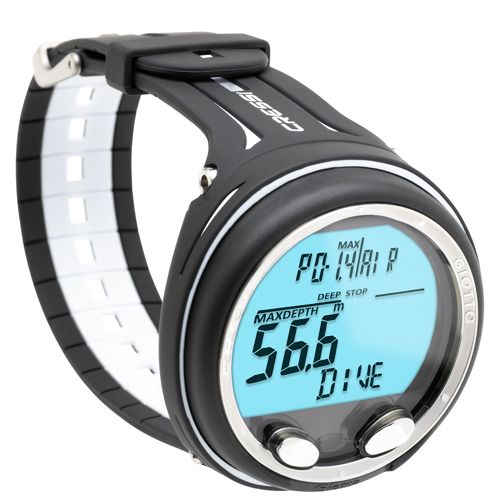
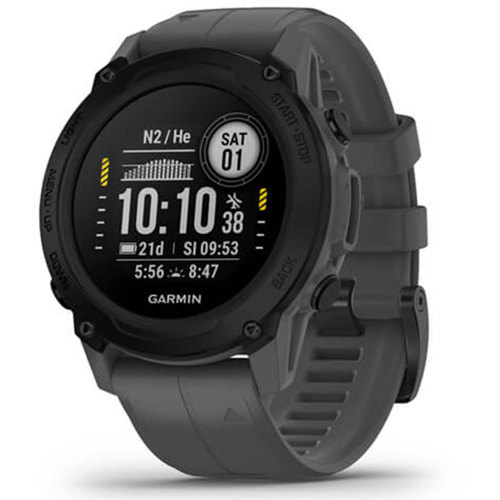
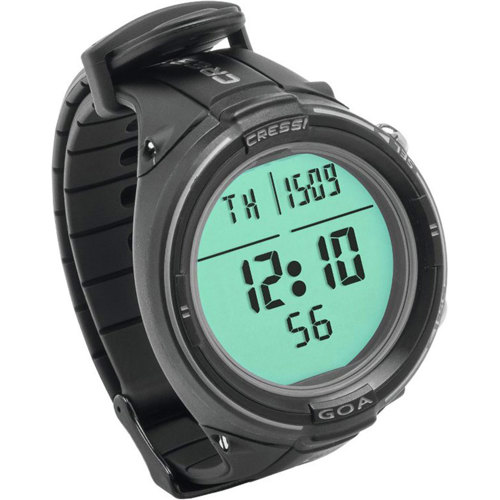
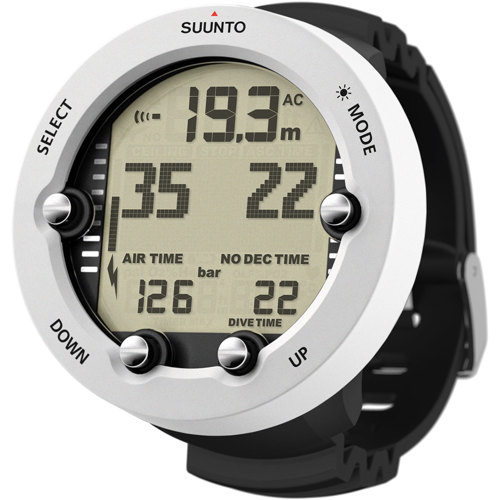
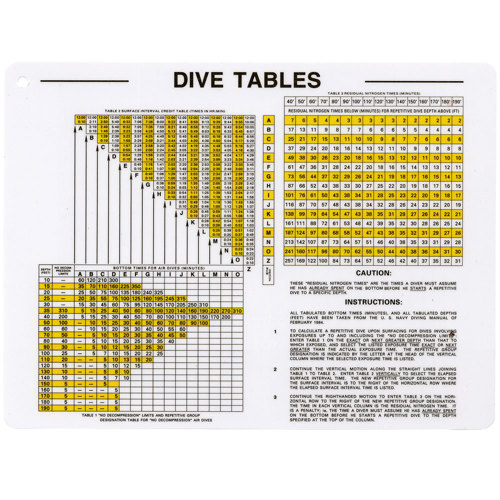
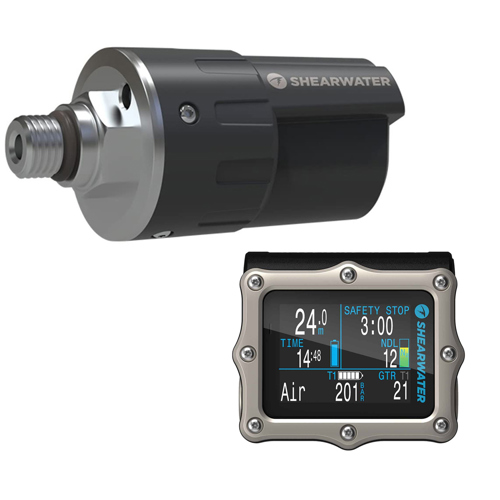
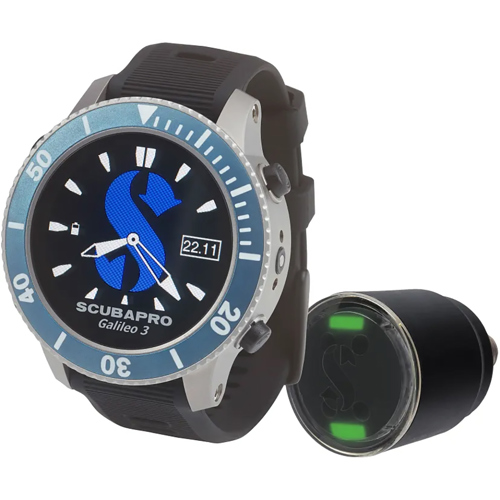
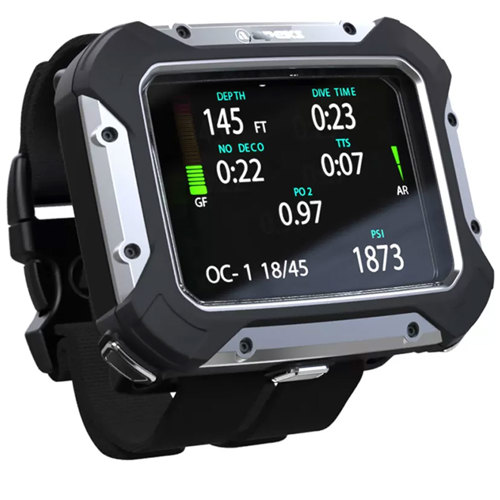
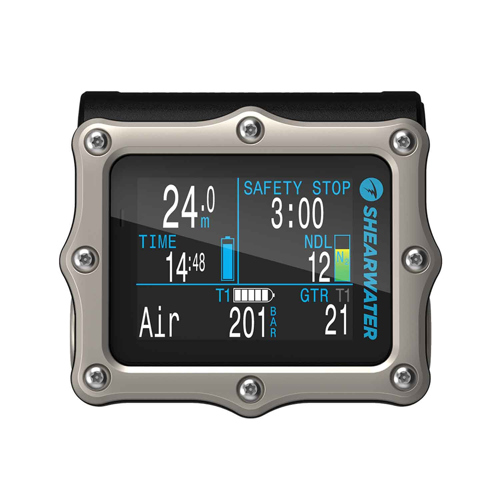
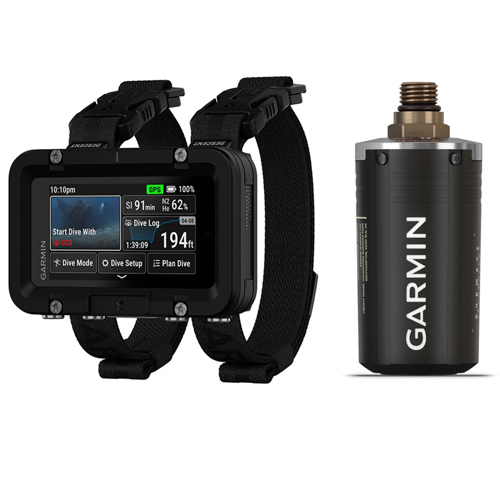
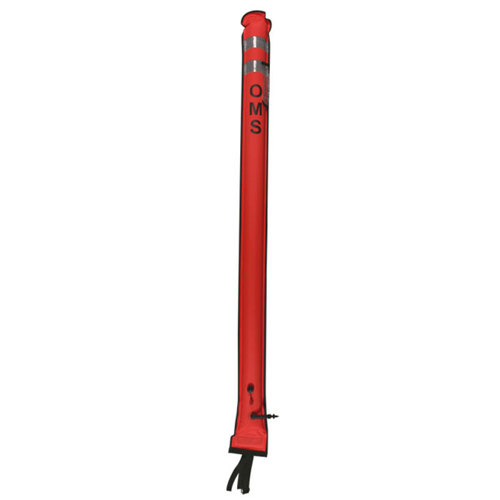
When considering products related to diving decompression, it’s important to focus on tools that support accurate dive planning and execution. Decompression diving tables remain a foundational resource, offering tried-and-true guidelines for staged ascents and stop durations. While many divers have transitioned to digital solutions, physical tables still serve as an invaluable backup and teaching tool, especially in remote locations or as a secondary reference. However, for most modern divers, the centerpiece of decompression management is the dive computer. These devices have evolved to incorporate sophisticated algorithms, such as Bühlmann or VPM, providing real-time feedback and customizable profiles to match your gas mixes and dive plan. For those diving with enriched air (nitrox) or trimix, selecting a computer that accommodates multiple gas switches and offers clear, intuitive displays can make all the difference in both safety and enjoyment. If you’re shopping for a diver in your life—perhaps as a thoughtful gift for an upcoming birthday or to mark a new certification—decompression-related gear is a meaningful choice that speaks to their commitment to advanced diving. Items like backup slates, ascent reels, and surface marker buoys are also indispensable, ensuring that divers can signal their position and manage stops even in challenging conditions. As spring approaches and dive season ramps up, now is the perfect time to review your setup, retire outdated gear, and invest in equipment that reflects the latest advancements in decompression safety.
The community of divers who rely on decompression equipment is diverse, ranging from instructors and technical explorers to passionate hobbyists who relish the challenge of deeper or longer dives. Each dive is unique, shaped by the environment, the dive profile, and the diver’s own experience. Yet, the need for reliable decompression tools is universal. Many seasoned divers recall the first time they planned a multi-stop ascent, the anticipation and focus as they watched their computer guide them through each stage, or the reassurance of having a backup set of decompression diving tables tucked into a dry pocket. These moments underscore the importance of preparation and trust in your gear. For those looking to upgrade or expand their toolkit, our curated selection emphasizes durability, accuracy, and user-friendly features—qualities that are especially important when conditions are less than ideal. If you’re interested in exploring the latest innovations, including devices that integrate seamlessly with your other equipment, visit our dedicated page for
Decompression Dive Computers. Here, you’ll find options designed to meet the needs of every diver, from those embarking on their first decompression dive to experts planning complex technical expeditions. Investing in the right decompression gear is more than a matter of convenience; it’s an expression of your respect for the underwater world and your commitment to returning safely to the surface, every time.