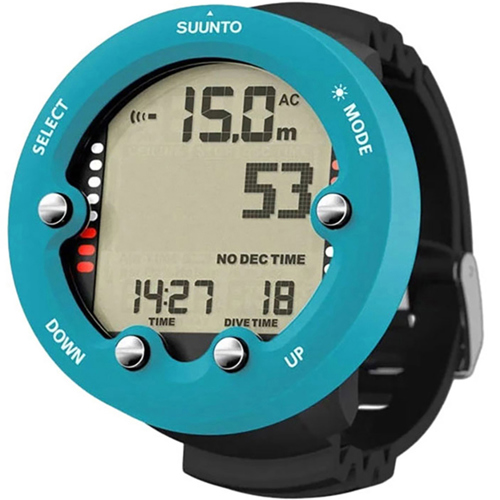
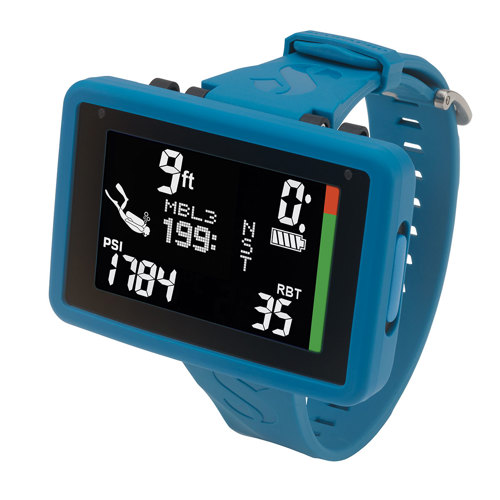
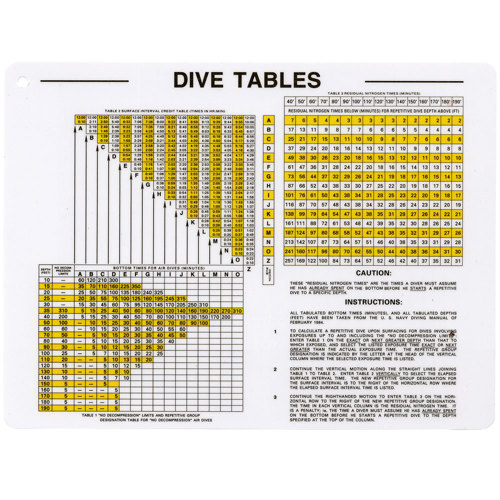
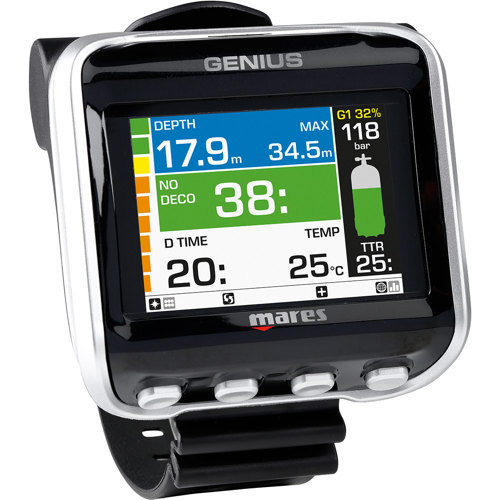
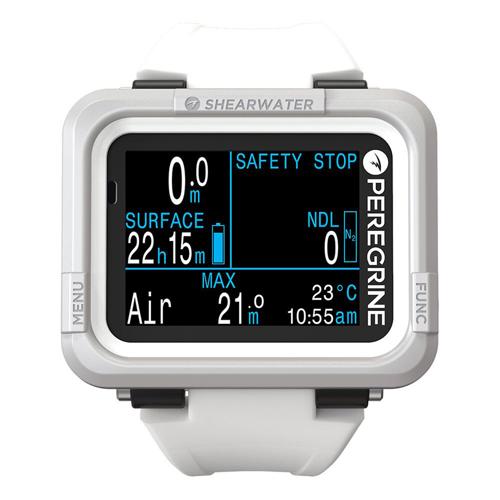
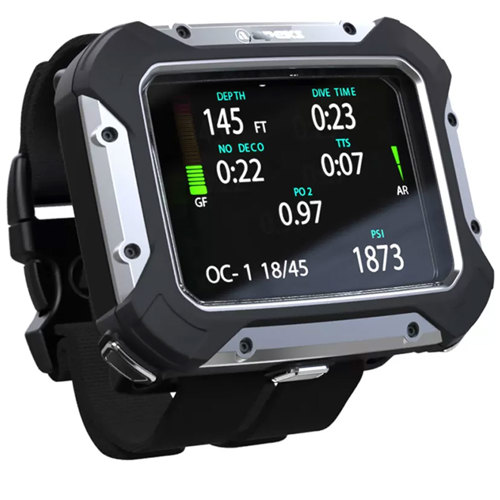
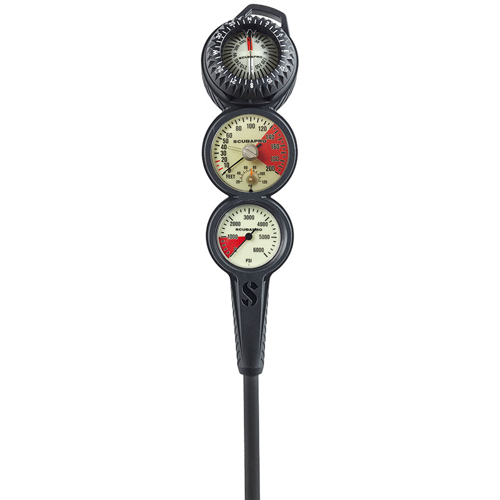
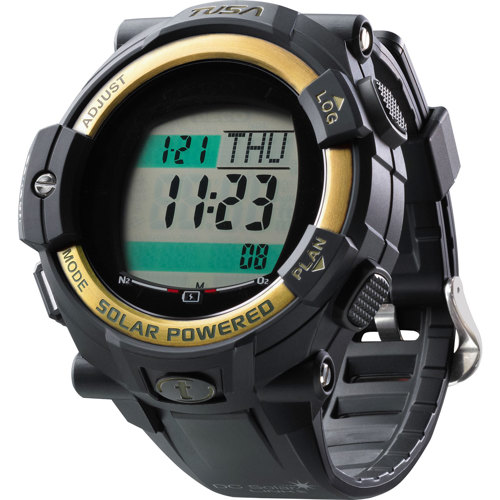
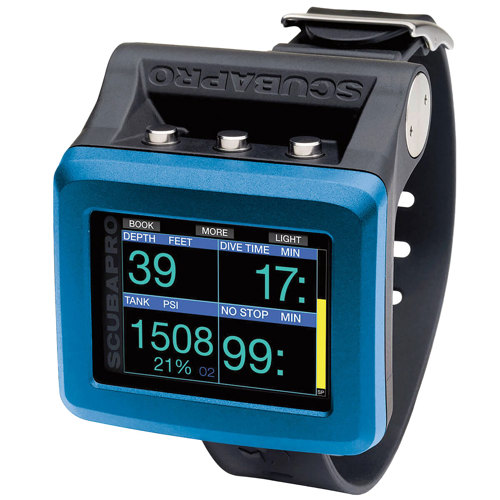
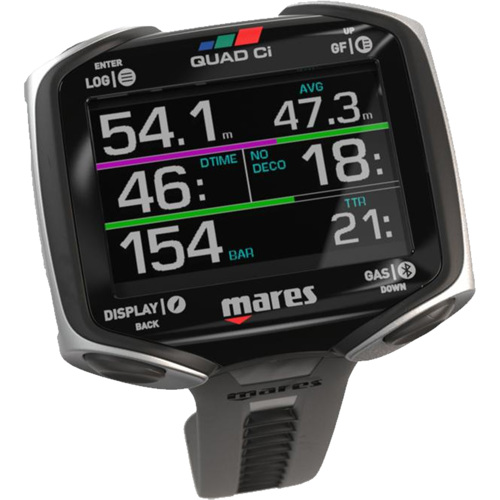
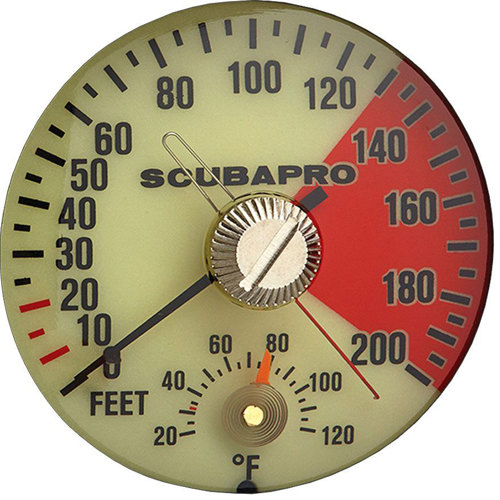
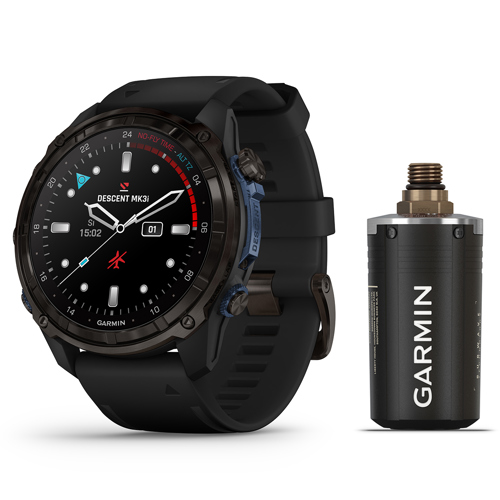
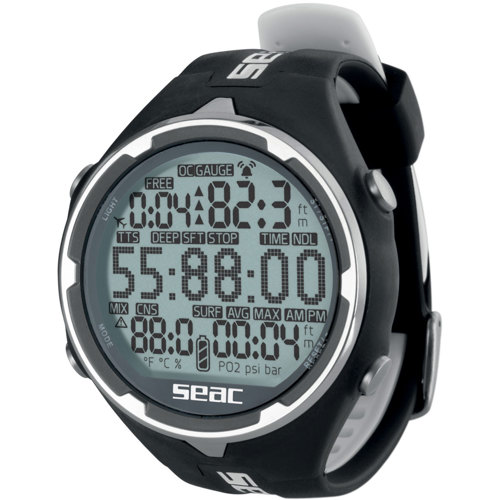
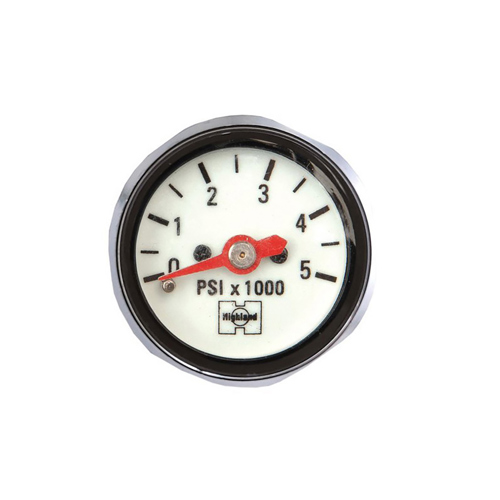
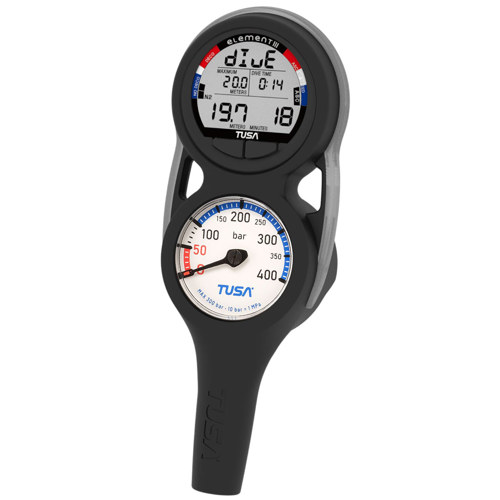
Diving beyond recreational depths or durations brings a unique set of challenges, especially when it comes to safe ascent and managing decompression obligations. Dive decompression tools are essential companions for anyone venturing into technical, deep, or repetitive dives, where the risk of nitrogen buildup and decompression sickness (DCS) increases. These tools range from traditional decompression tables—tried-and-true paper charts that have guided divers for decades—to advanced dive computers offering real-time tracking of depth, time, ascent rates, and required stops. Many seasoned divers still appreciate the reliability of decompression table diving, using them for pre-dive planning or as a backup to digital devices. The tactile process of plotting out a dive profile by hand, perhaps while sitting at a dive lodge the night before, can be both a ritual and a way to fully internalize the plan. For those who prefer a digital approach, decompression software and apps allow for modeling complex scenarios, adjusting gas mixes, and visualizing profiles, helping divers tailor their plans to the specific demands of each dive.
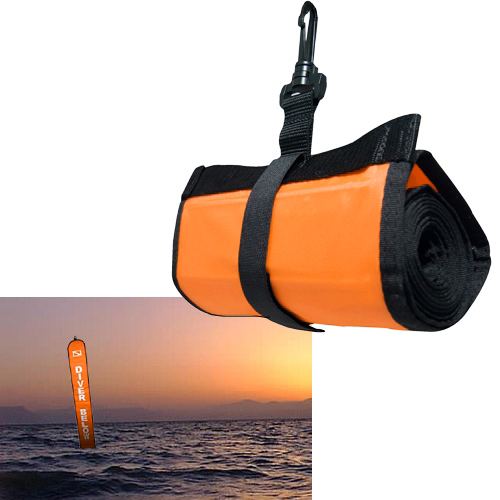
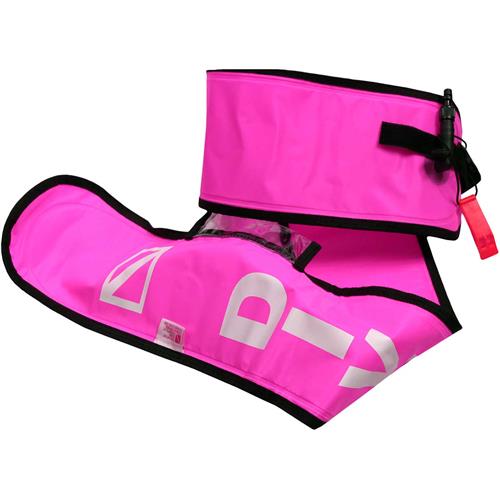
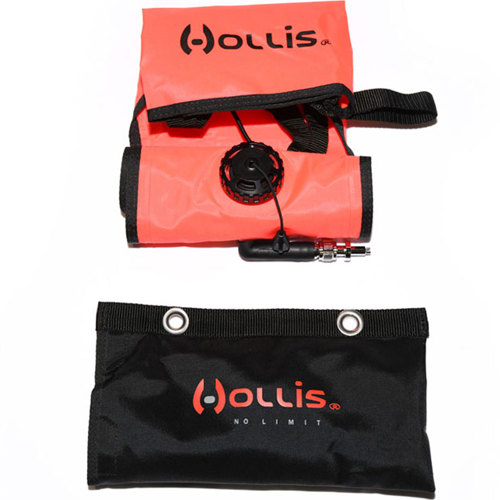
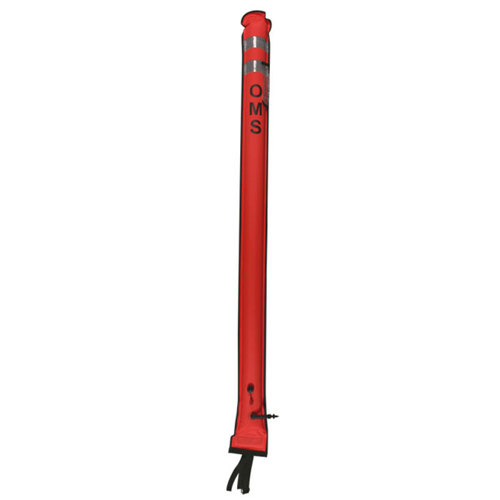
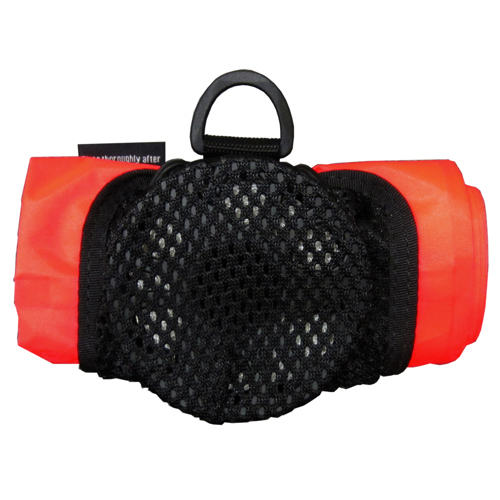
As winter transitions into early spring, many divers start planning for upcoming expeditions—whether it’s a cold-water wreck dive or the first technical trip of the year. This is the season when attention to detail in dive planning really pays off. Decompression tools become invaluable not only for experienced technical divers but also for instructors, dive leaders, and anyone looking to expand their skills. Gifting a set of decompression tools, such as a new dive computer, a set of tables, or a surface marker buoy, can be a thoughtful gesture for a diver who’s training for advanced certifications or preparing for more challenging environments. These tools are not just about safety—they’re about empowerment and confidence. There’s a quiet satisfaction in surfacing after a complex dive, knowing that every stop and every calculation was backed by the right technology and careful planning. From gas mixers for rebreather divers to gradient factor settings that allow for personalized conservatism in decompression algorithms, each tool plays a role in making technical diving accessible and safe.
Whether you’re a seasoned explorer mapping out multi-level decompression stops, a dive instructor preparing students for their first technical dives, or an enthusiast seeking to understand the nuances of decompression theory, having the right tools on hand is crucial. Decompression buoys and markers help maintain precise stop depths, while specialized gas cylinders ensure that the right mix is available for accelerated off-gassing. For those interested in the latest technology, ultrasound-based systems can even assess bubble formation post-dive, adding a new dimension to safety and self-assessment. If you’re building your kit for the season ahead or searching for a practical, thoughtful gift for the technical diver in your life, consider exploring our curated selection of decompression tools. For a broader range of specialized equipment, including many of the items essential for advanced and technical diving, visit our
Technical Diver Tools page and get ready for your next underwater adventure with confidence and precision.