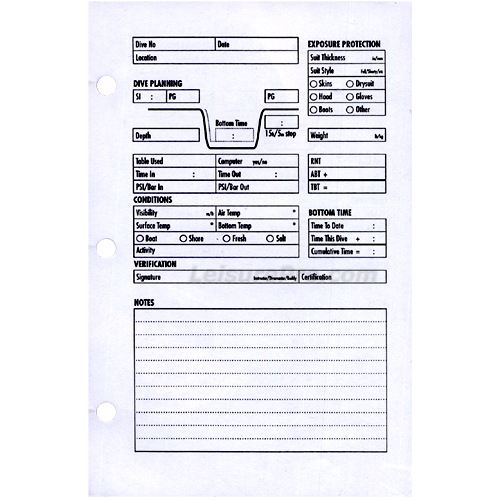
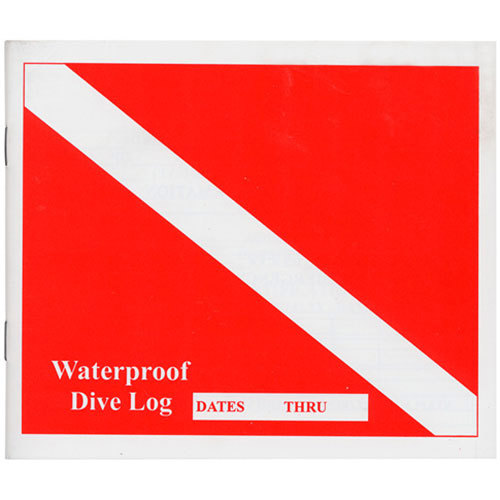
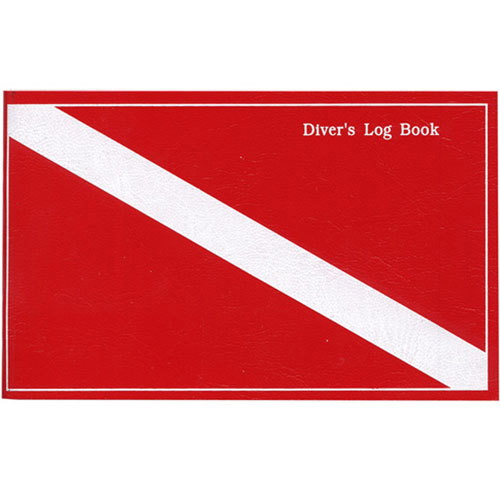
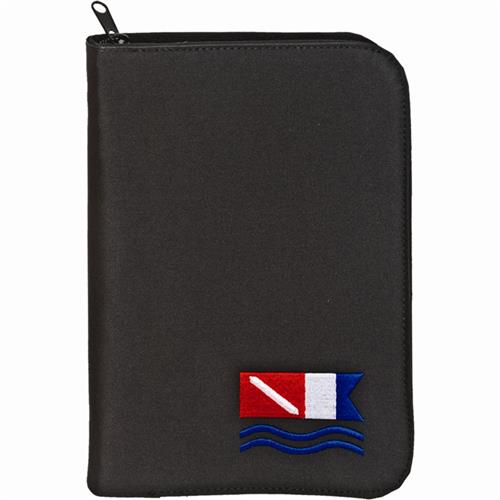
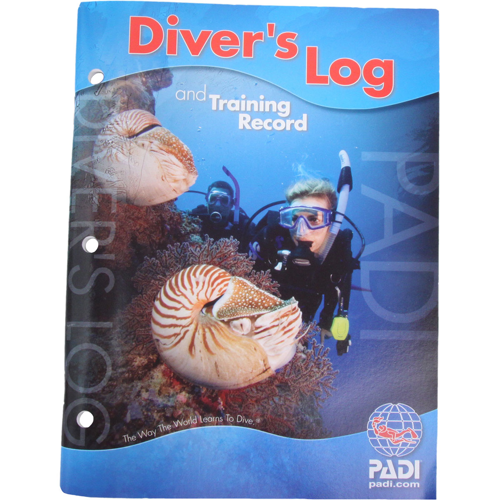
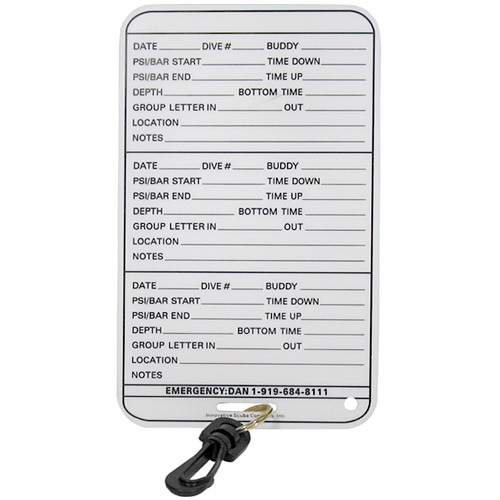
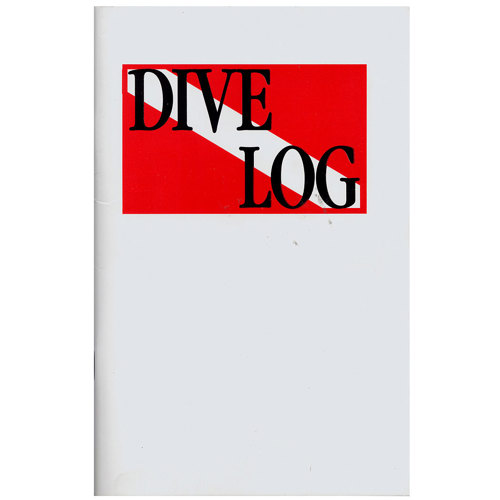
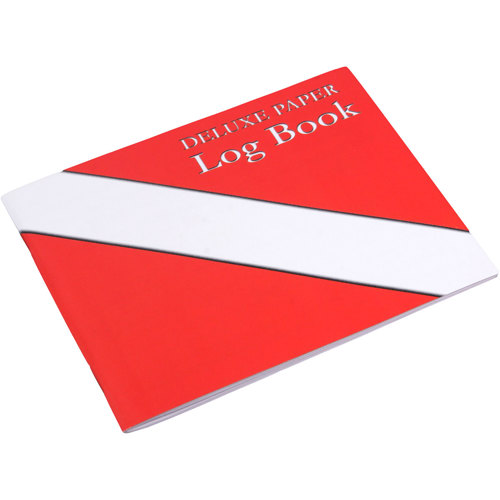
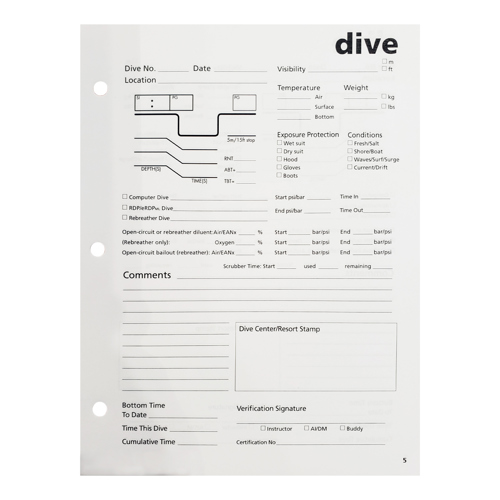
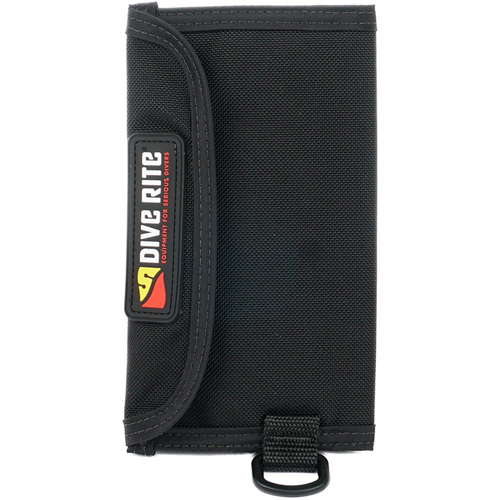
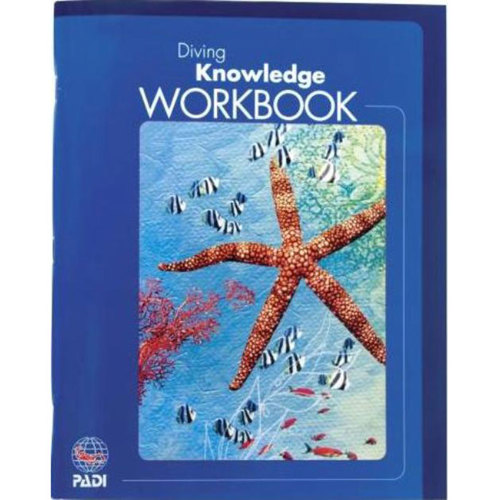
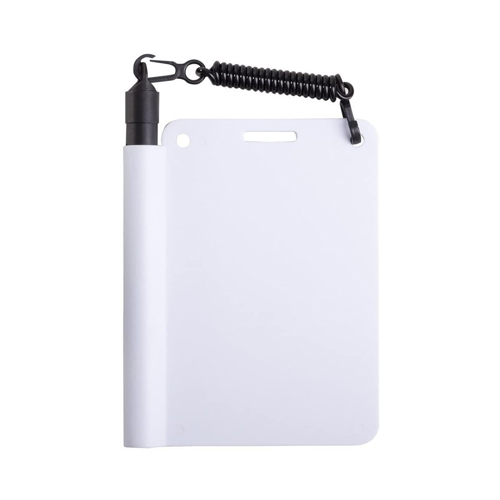
Whether you’re a seasoned diver with hundreds of dives logged or a new enthusiast eager to chronicle your underwater milestones, a reliable scuba diving record book is an essential companion on your aquatic adventures. These logbooks serve as both a personal journal and an official record, capturing the details of each dive—location, date, depth, bottom time, water conditions, air consumption, and even the marine life you encounter. For many divers, flipping through the pages of a well-used logbook brings back vivid memories: the electric blue of a Caribbean reef, the silent awe of a shipwreck, the camaraderie of a liveaboard trip. As the spring and summer dive season ramps up, many divers find themselves planning extended trips, and a compact, water-resistant logbook is invaluable for jotting down notes right on the boat, even with wet hands. The durability of these books—often featuring plasticized covers or water-resistant pages—ensures they hold up against the salt, spray, and sun of long days on the water. For those who travel frequently, a pocket-sized logbook slips easily into a gear bag or dry pouch, while larger binders or hardbound volumes are ideal for divers who prefer to archive detailed narratives, certification records, and instructor signatures at home.
Scuba diving record books aren’t just practical—they can be deeply personal, making them a thoughtful gift for dive buddies, instructors, or anyone celebrating a new certification. Many divers cherish their first logbook as a rite of passage, filling it with stories of training dives, first ocean descents, or bucket-list trips. For professionals, instructors, or commercial divers, comprehensive logbooks with sections for supervisor signatures, photographs, and certification details are often required for employment or insurance purposes. These books can also be a lifesaver if you ever misplace your certification card, as they provide a backup record of your training and achievements. When choosing a record book, consider how you like to log: do you prefer a traditional paper format, with space for sketches and handwritten notes, or a modular binder that lets you add pages as you go? Some divers opt for digital apps, but many still appreciate the tactile experience and reliability of a physical logbook—especially in remote locations where electronics might fail. For those interested in tracking certifications, specialty courses, or advanced skills, it’s worth exploring resources like our
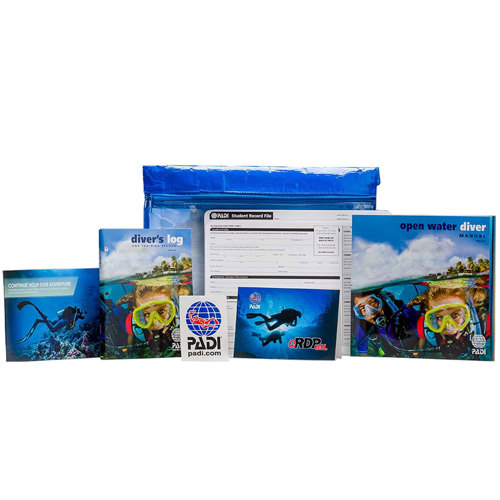
Scuba Certification Records page, which can help you organize and verify your diving credentials alongside your logged dives.
Whether you’re commemorating a milestone—like your 50th dive or your first night dive—or simply keeping meticulous records for training and safety, a well-chosen scuba diving record book becomes a lasting archive of your underwater life. It’s not uncommon to meet divers who keep decades’ worth of logbooks, each one a testament to their growth, learning, and the places the sport has taken them. As you prepare for the busy dive months ahead, take a moment to consider how you want to remember each adventure. The right record book not only helps you track your progress and meet certification requirements, but also preserves the stories, friendships, and discoveries that make scuba diving such a rich and rewarding pursuit.