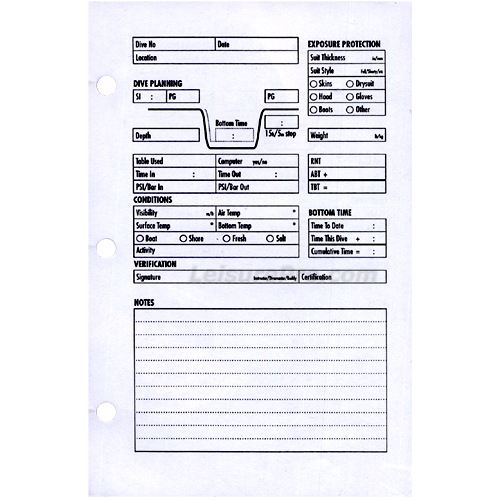
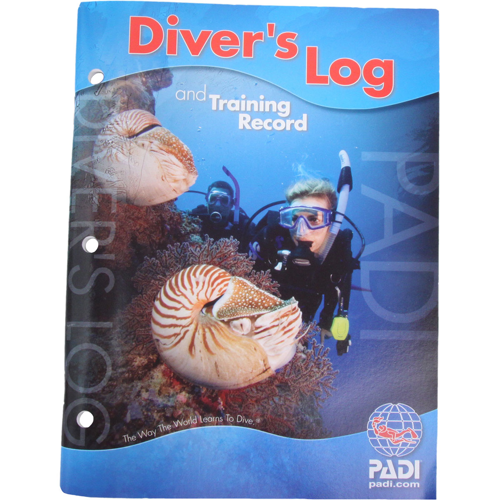
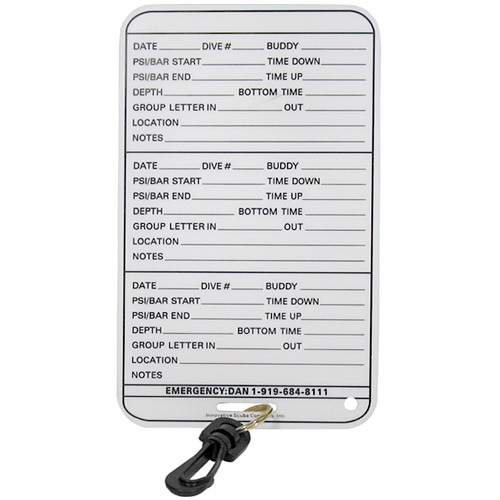
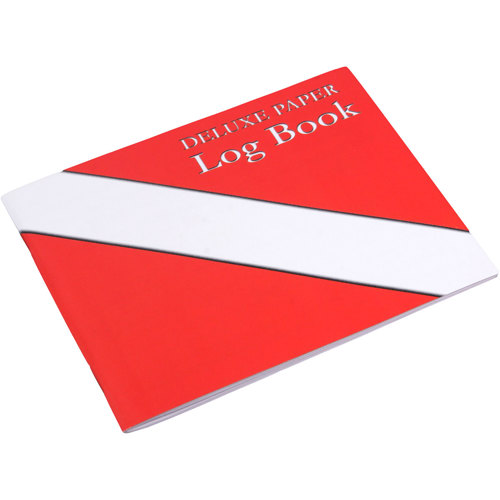
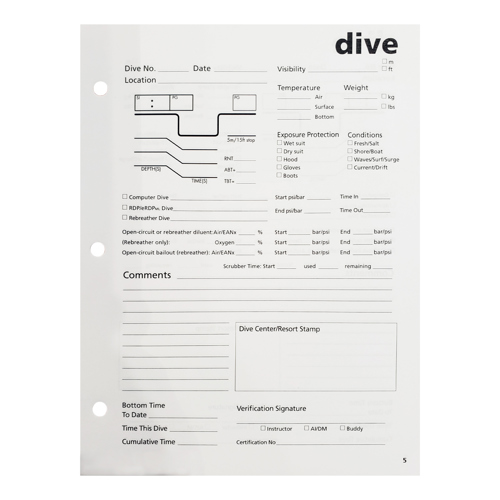
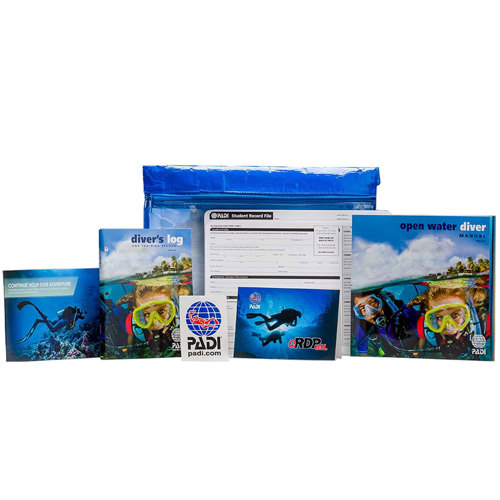
Whether you’re a seasoned diver with hundreds of logged descents or just starting to explore the underwater world, a diving record book is an indispensable companion for every aquatic adventure. These books serve as more than just a diary; they are a detailed chronicle of each dive, capturing essential information such as date, location, maximum depth, bottom time, surface intervals, water temperature, visibility, and even the type of gas mix used. This meticulous record-keeping not only helps divers track their progress and personal milestones, but also provides a reliable reference for equipment performance, weight adjustments, and environmental conditions encountered over time. For those pursuing advanced certifications or specialty courses, logbooks are often required as proof of experience, with many instructors and dive operators requesting to see them before granting access to certain sites or training sessions. As the weather warms and dive season peaks, keeping an up-to-date log becomes even more valuable—whether you’re charting new reefs on a tropical getaway or revisiting local lakes and quarries.
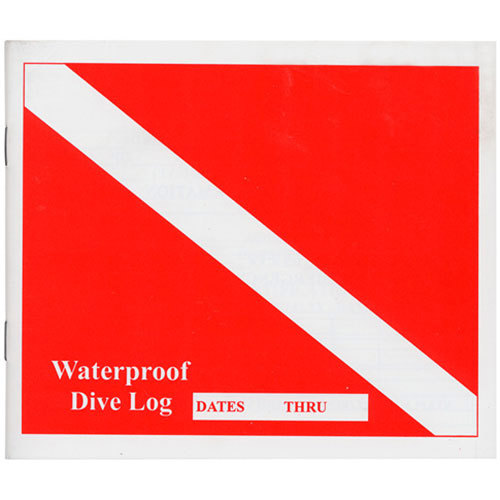
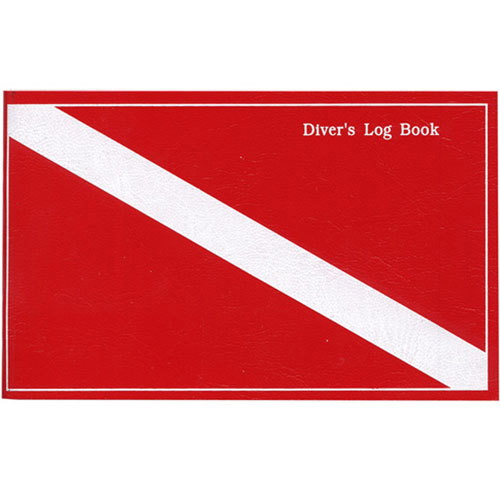
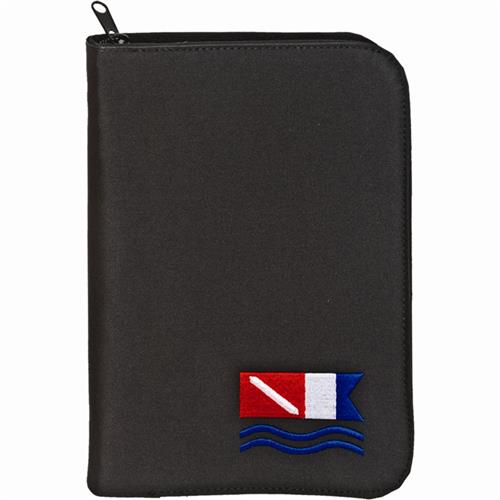
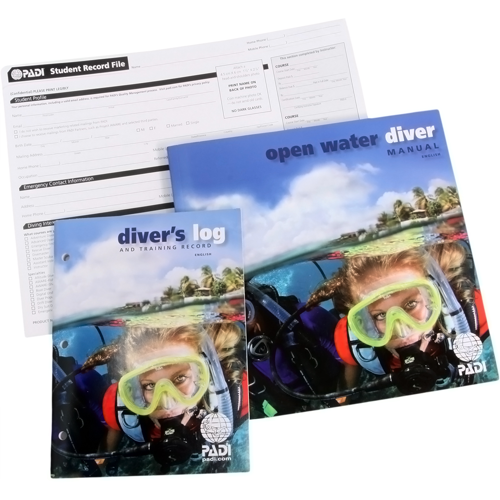
Diving record books are thoughtfully designed to withstand the rigors of travel and the damp environments common to the sport. Many feature waterproof or water-resistant pages, sturdy covers, and compact formats that slip easily into a gear bag or dry box. Some offer extra pages for instructor signatures, specialty certifications, or personal notes, while others include sections for equipment checklists, emergency contacts, or favorite marine life sightings. A skin diving record section is often included for those who enjoy both freediving and scuba, allowing all underwater exploits to be chronicled in one place. For families and dive buddies, exchanging stories and comparing log entries after a day in the water can become a cherished ritual, turning each book into a scrapbook of shared memories. These record books also make thoughtful, practical gifts for new divers celebrating their open water certification, seasoned explorers preparing for a liveaboard trip, or anyone who loves to document their journeys beneath the surface.
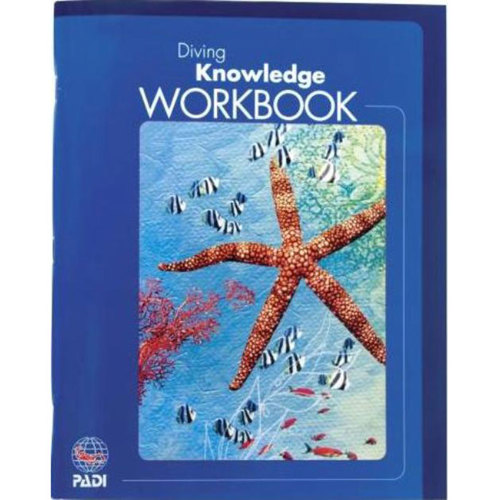
The choice between traditional paper logbooks and digital alternatives often comes down to personal preference. Some divers appreciate the tactile satisfaction of pen on paper and the opportunity to personalize their records with sketches, stamps, or mementos from each dive. Others prefer the convenience of apps that sync with dive computers, automatically uploading profiles and allowing for easy sharing with friends or instructors. No matter your style, the habit of logging dives pays dividends in safety, skill development, and sheer enjoyment of the sport. For those looking to deepen their knowledge, pairing a record book with resources like
Diving Technique Books can offer valuable insights and inspiration for future adventures. Whether you’re logging your first open water descent or documenting a lifetime of underwater exploration, a well-kept diving record book is a testament to your passion, growth, and the unforgettable experiences found beneath the waves.